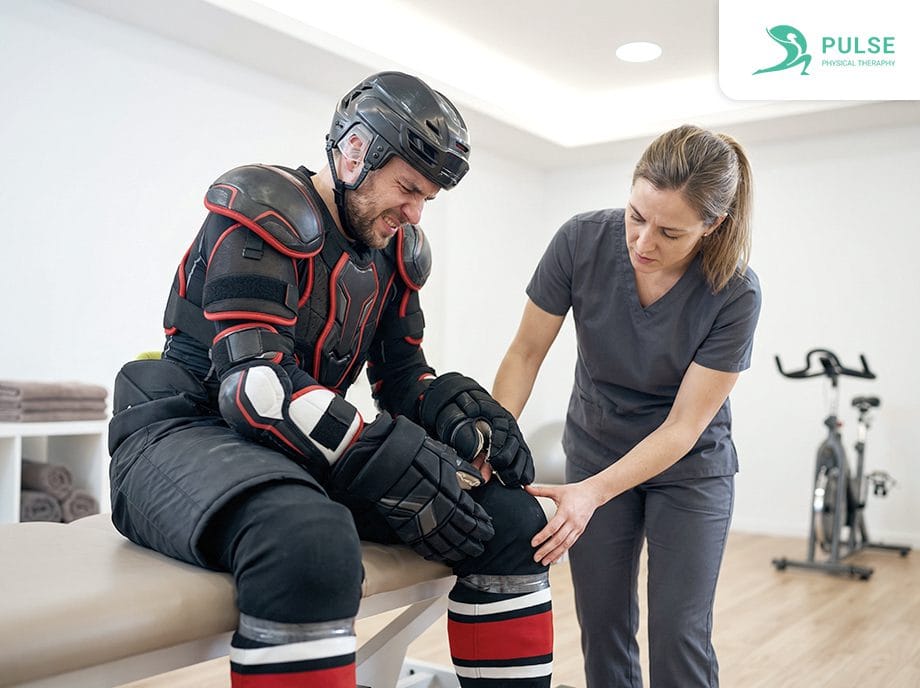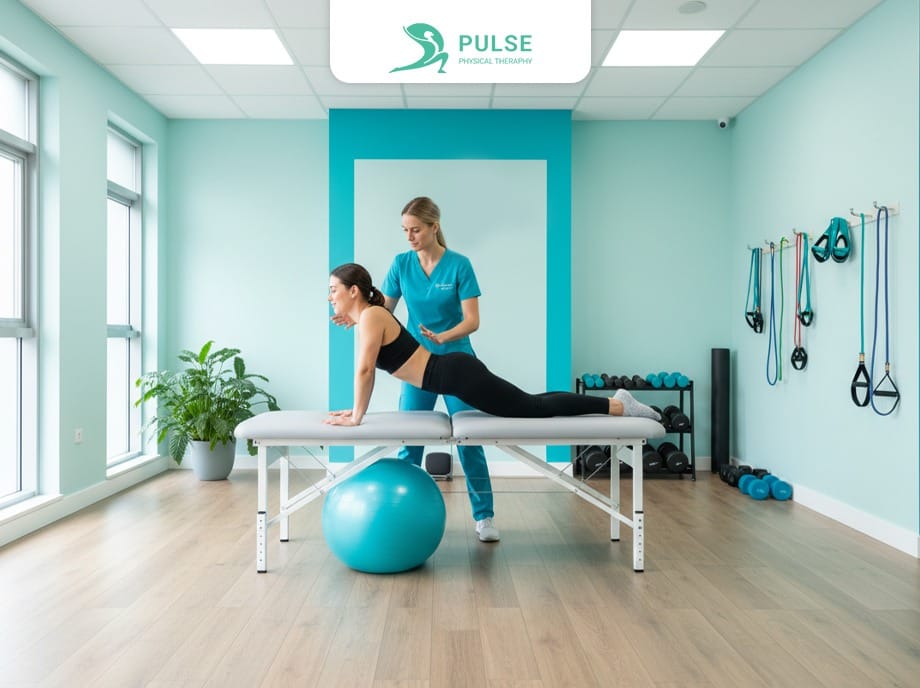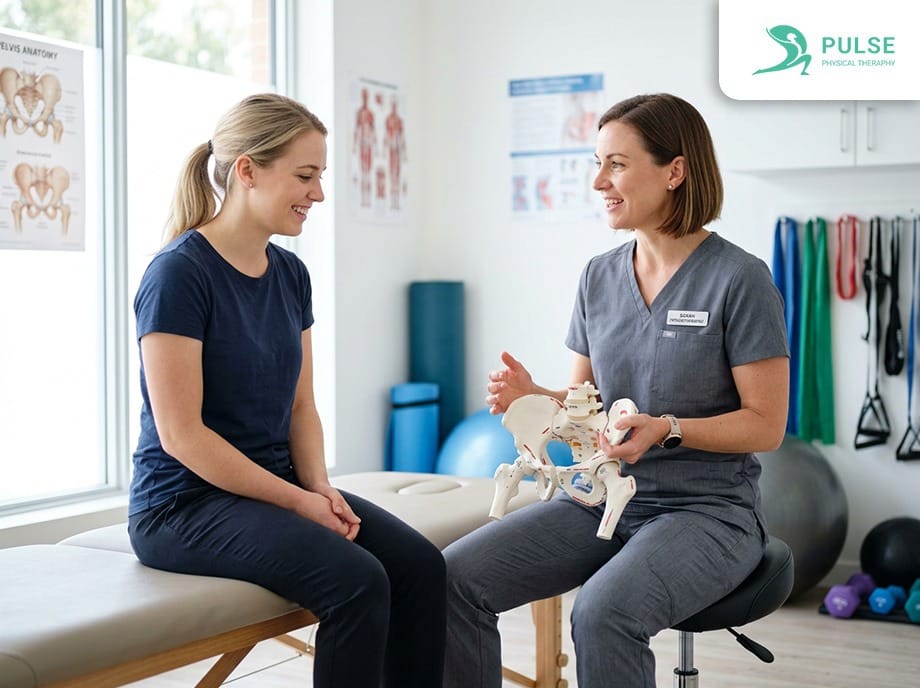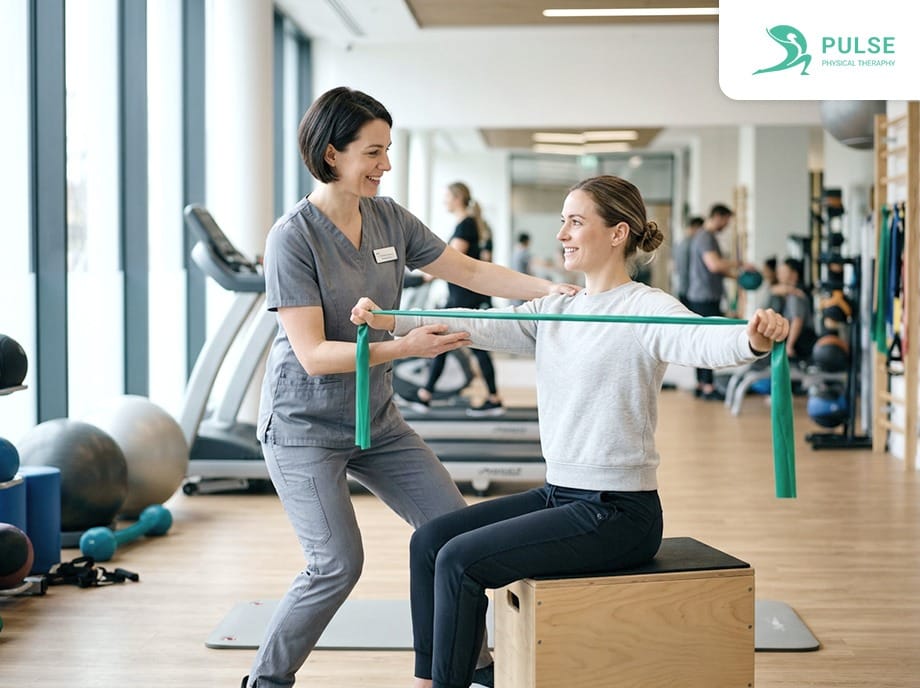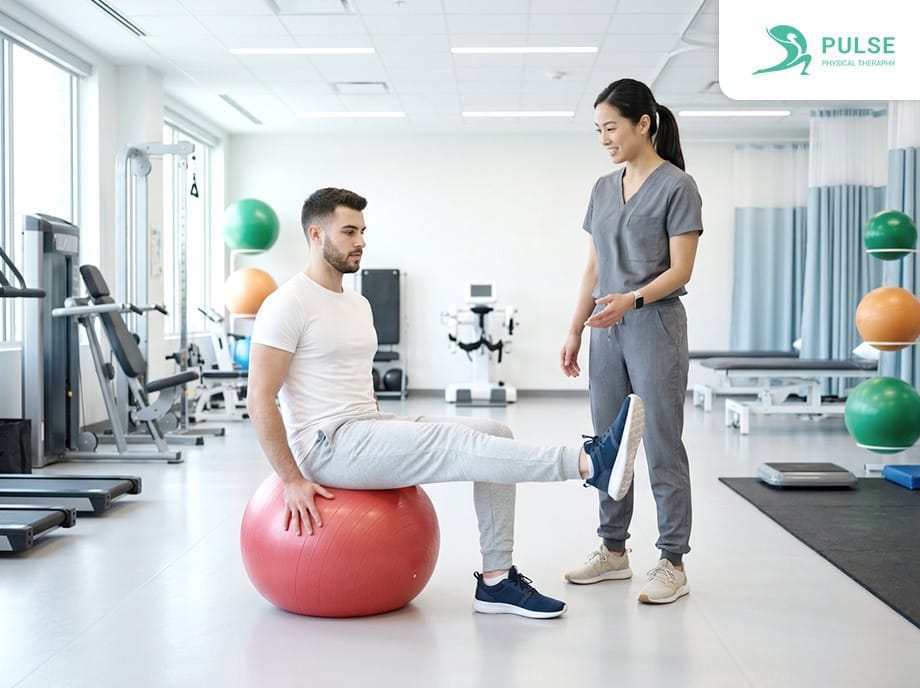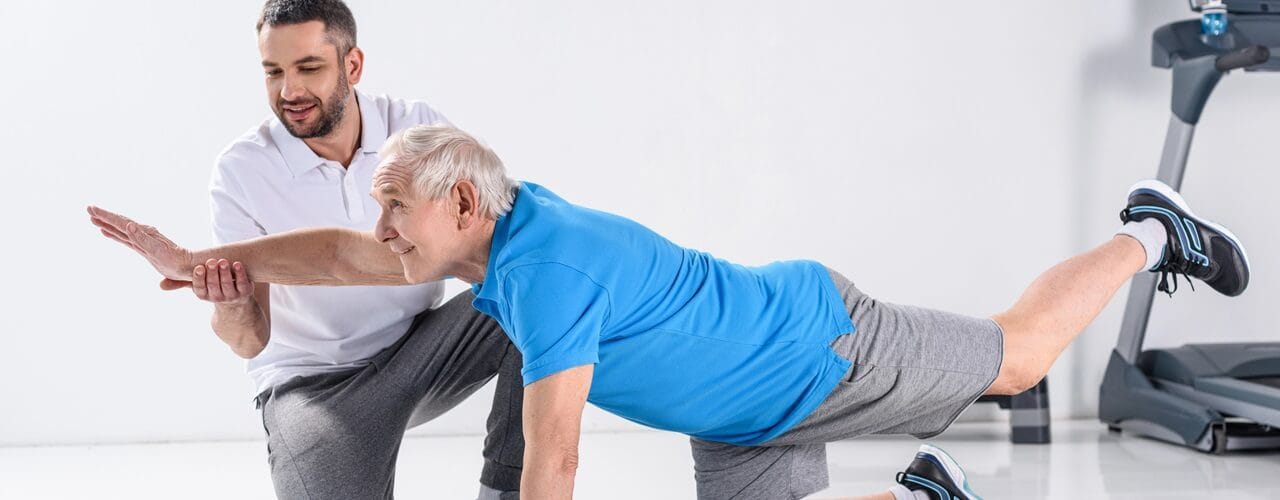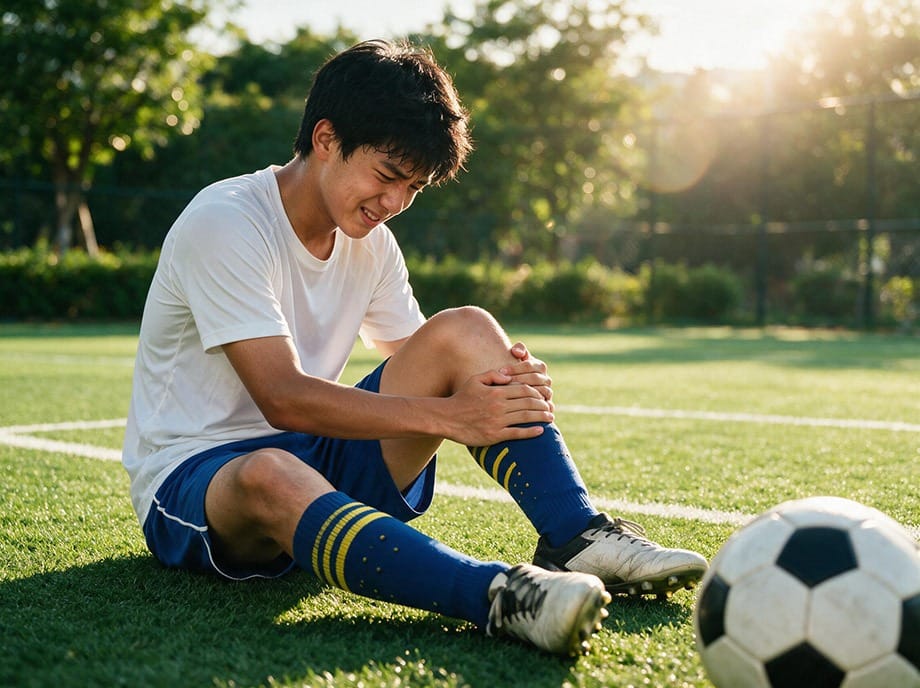
As the last days of summer give way to September, people start settling back into their active routines. Kids start school, sports players begin their fall seasons, runners ramp up their training, and many homeowners use their weekends fixing up their yards. Plus the fun Though these seasonal activities also come with a significant rise in injuries that physical therapists start getting in late summer/early fall. They are often sports injuries but also other types that may be more serious.
Here at Pulse Physical Therapy, we regularly provide care to clients searching for “sports injury rehabilitation Hinsdale” in fact after an injury that could have been handled by physical therapist in initial stages, or at least one could avoid it if proper movement is followed. In a nutshell, if you’re an aspiring student-athlete, a dedicated weekend warrior, or a regular exerciser, a knowledge about common fall injuries and their treatment can be a great help to you to make the season safe.
September is kind of a time of change. A lot of individuals get ready to go in the opposite direction from their laid-back summer routine, and pretty suddenly jump into doing regular exercise of one sort or another.
Kids playing sports are now running practice sessions several times a week, runners training for fall marathons start to increase their distances, and parents spend hours and hours working in the yards, lifting leaf bags, or doing house repairs. Since the mornings are cooler, getting warm before the activity becomes a more critical task as there is a higher chance of injuries, in particular if one skips the warm-ups.
If the level and intensity of activity are beyond what your body has previously handled or your physical condition is not good, the risk of injury is really high.
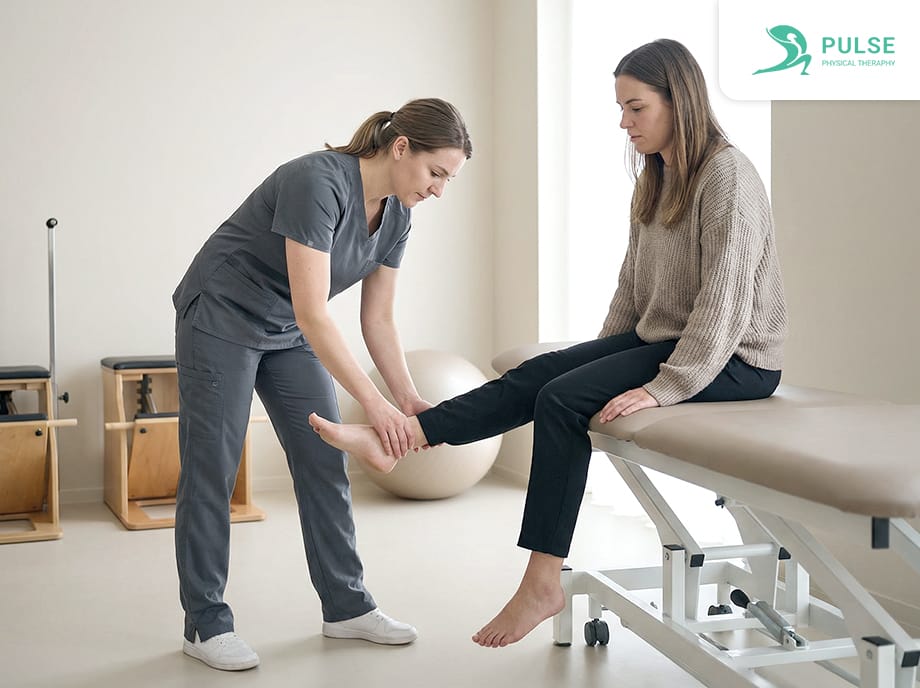
Ankle sprains are a leading cause of injuries we handle each fall. These kinds of injuries happen easily when one walks on uneven areas, takes on trail running, hikes, or plays outdoor sports – in fact, any such activity that involves a risk of having a rolled ankle.
It is common for some individuals to just continue moving around despite injury. Unfortunately, this can result in chronic foot instability and expose them to new injuries at a much higher rate.
Getting a start on therapy right after the injury can prevent chronic ankle problems and Quite a bit enhance the ankle’s strength, balance, and range of motion.
As the weather turns colder, there are more chances for runners to enjoy running outside. This time of year many runners decide to put in more miles to be in shape to run races in the fall season.
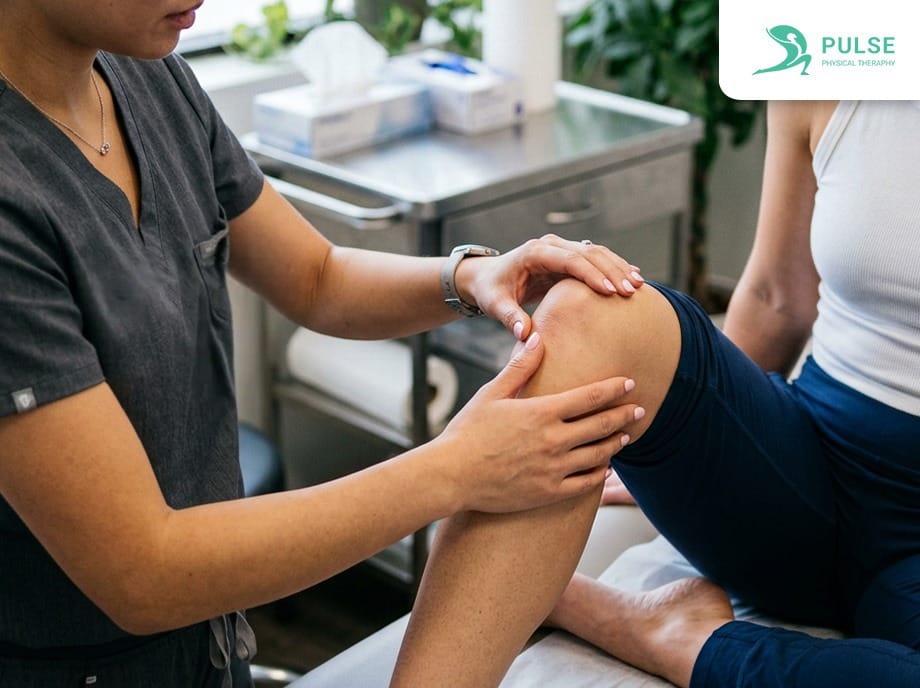
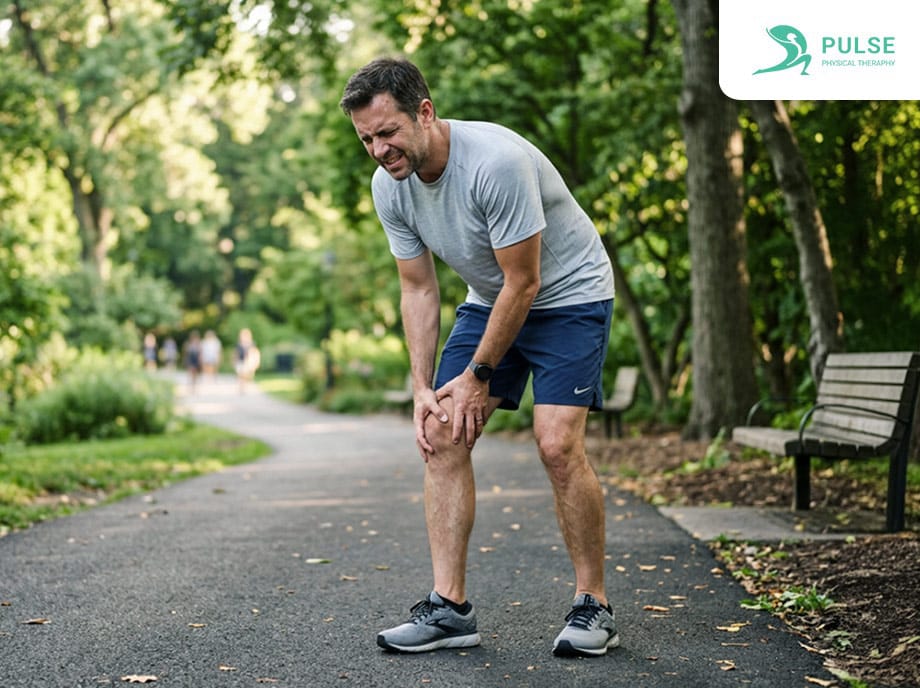
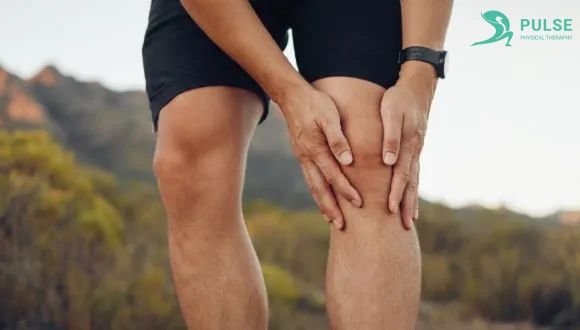
Unfortunately, a rapid increase of training volume may result in runner’s knee, which and the patellofemoral pain syndrome people see as the most typical overuse injury in the population of recreational runners. Pain around the kneecap which may be slowly progressing or getting worse during running, going up or down stairs, and after sitting for a long time.
A thorough review or testing will pinpoint the movement patterns of the problem. Through these physical therapists can help strengthen muscles, increase the range of motion, and modify running technique to help reduce the problem before it gets worse.
Activities carried out in Fall like volleyball tennis baseball conditioning programs, and even doing repeated yard jobs put considerable strain on the shoulder.
Initially, the pain may be light but with the rotator cuff injuries it can cause constant pain, weakness and trouble of lifting the arm above one’s head.
Physical therapy is directed at restoring range of motion of the shoulder, building strength in muscles and correcting faulty movement patterns that create excessive stress on the shoulder.
Tendonitis is a painful and inflammatory condition of the tendons usually caused by repetitive motion combined with no enough time to rest the muscle. Activities like pickleball tennis running or repetitive lifting during fall clean-up can all result in the irritation of the tendons which if unaddressed can easily cause intense pain.
The first signs of the problem that a person should look for are: a throbbing pain during the physical activity, a sensitive around the afflicted area, and rigidity following a time of resting.
In the initial phases, taking care of it would prevent swelling by dealing simultaneously with the ways of moving that gave origin to the injury.
September is a very busy time for work around the garden. Some people may be working outside so often or for such long periods of time that they do not feel their backs getting sore at all.
For example, one person might be doing backbreaking work by bending over in one hand the whole day while the other person might be working on the ground and lifting things.
In fact, physical therapy is one of the most effective ways to reduce pain after an injury through proper rehabilitation with the focus being flexibility strengthening core exercise and body mechanics.
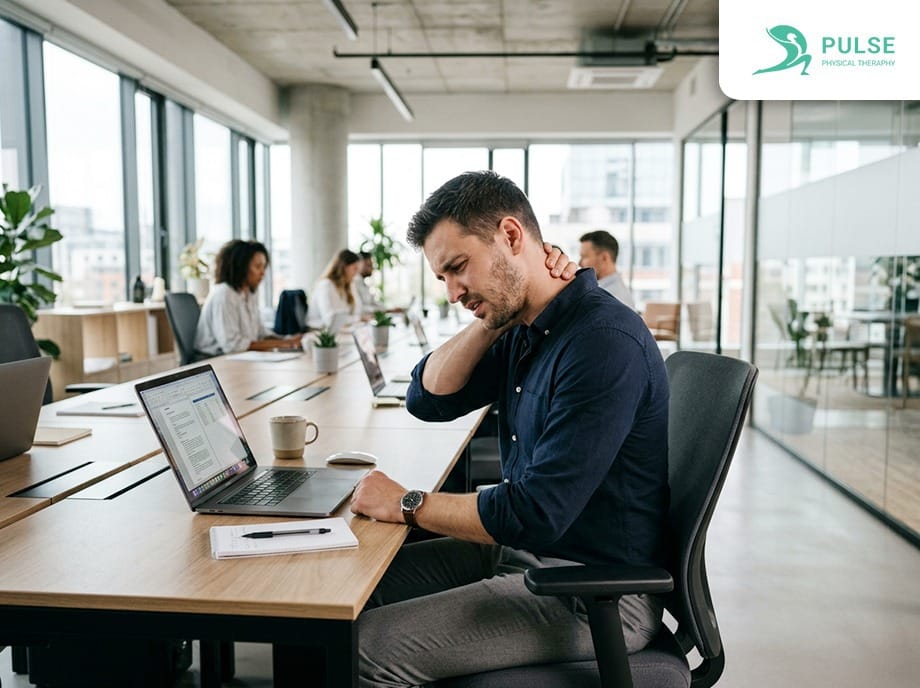
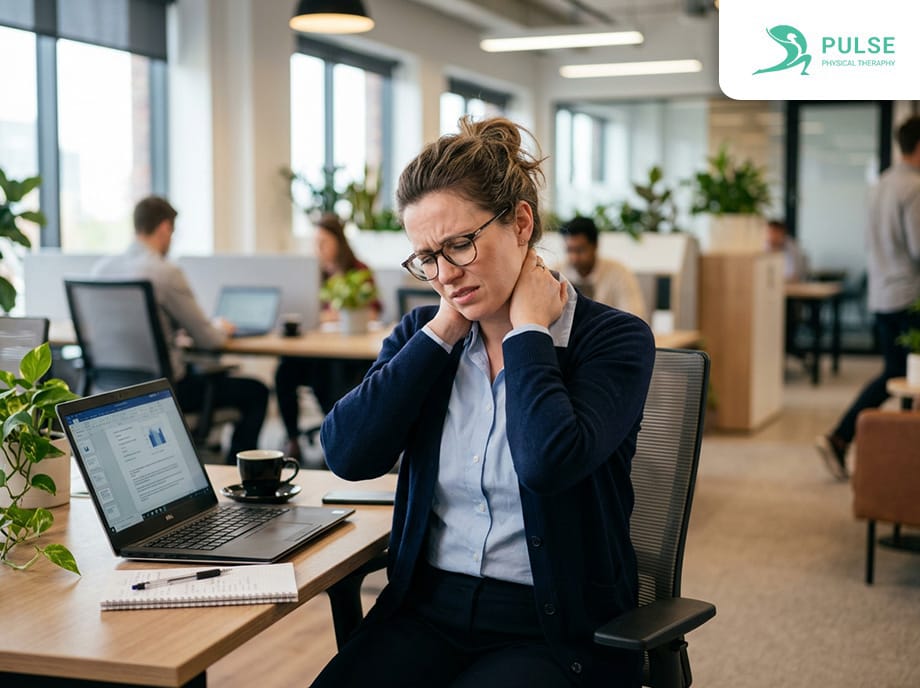
Fall weather brings slippery sidewalks that can be a cause of slip-related falls resulting in neck injuries. Also, people injured while recreating, or in a bicycle accident, or even a minor vehicle accident could end up with injuries to their neck, as well.
Immediately stiff neck symptoms after the accident are common but other people have symptoms that progress slowly during the first few days following the accident. Do not ignore neck pain, headaches, or limitation in movement of the neck in particular following a fall or accident.
Physical therapy assessment will assist in locating the origin of your symptoms and will support your recovery in a safe manner and at the same time will help keep your neck from developing into a chronic condition.
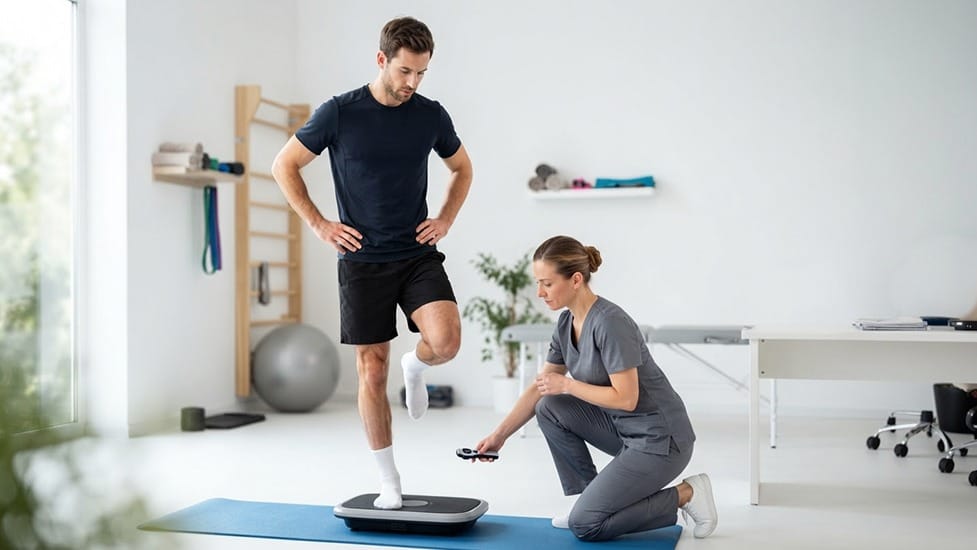
One of the biggest mistakes people make is assuming minor pain will simply disappear with time.
Small injuries often cause subtle changes in the way your body moves. As you compensate to avoid pain, additional stress is placed on nearby muscles and joints. What starts as a mild ankle sprain may eventually contribute to knee pain, while shoulder weakness can affect your neck and upper back.
Seeking treatment early often allows for faster recovery and may help prevent more serious injuries later.
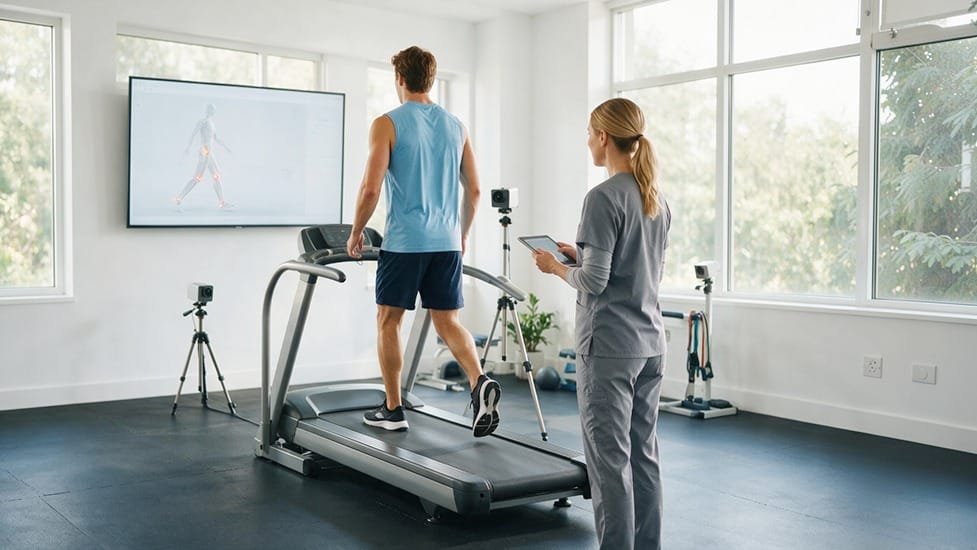
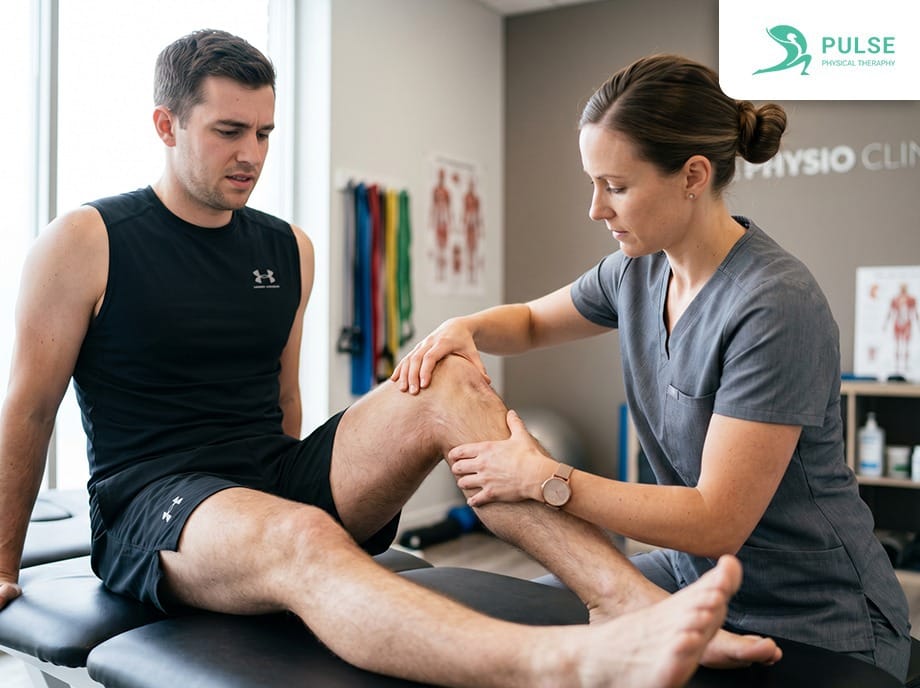
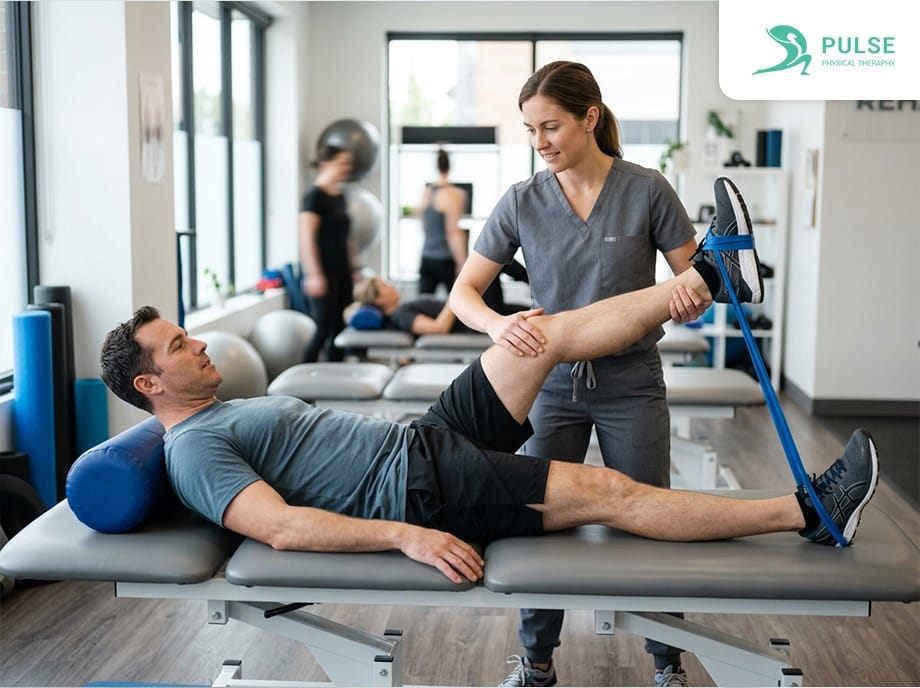
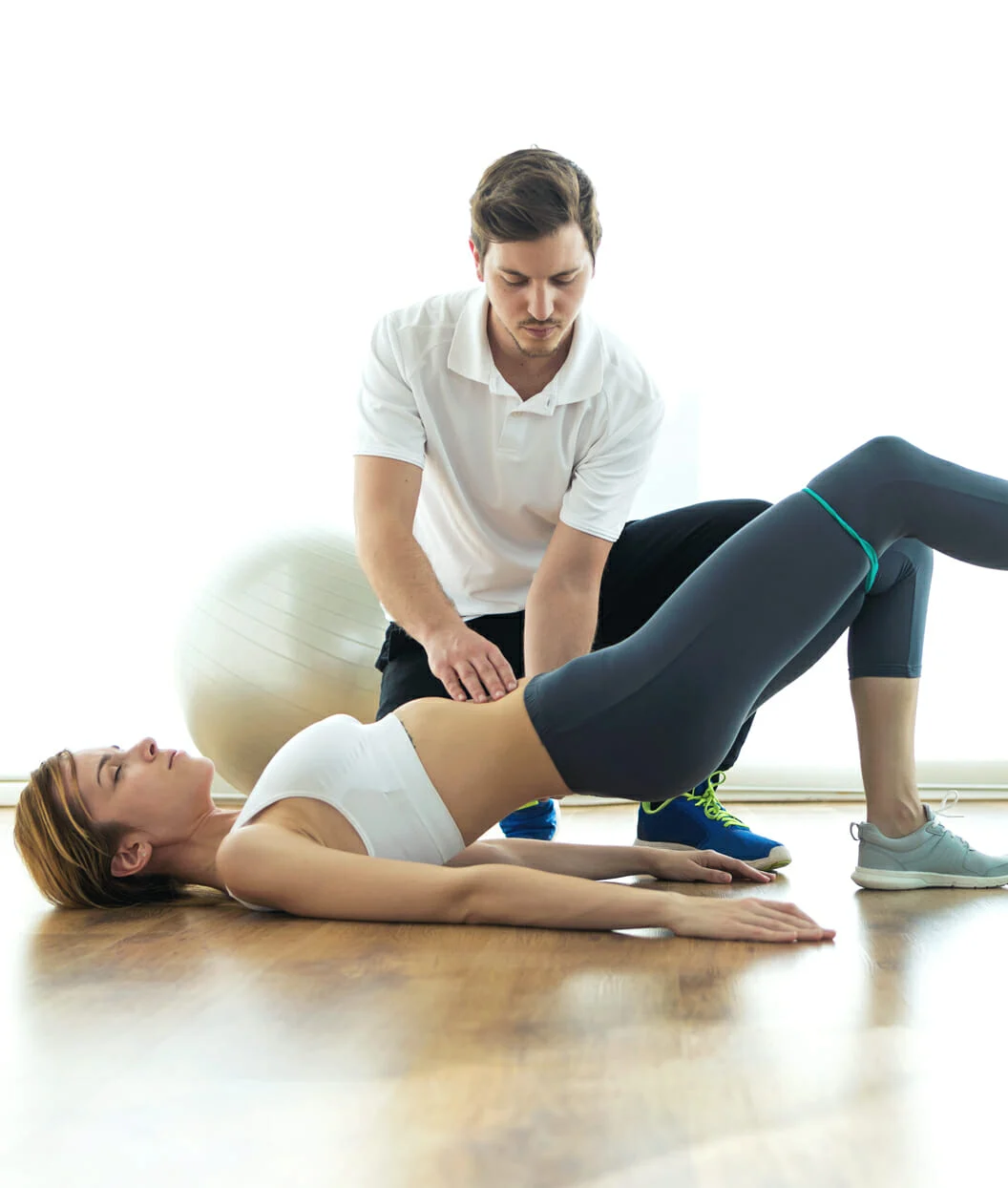
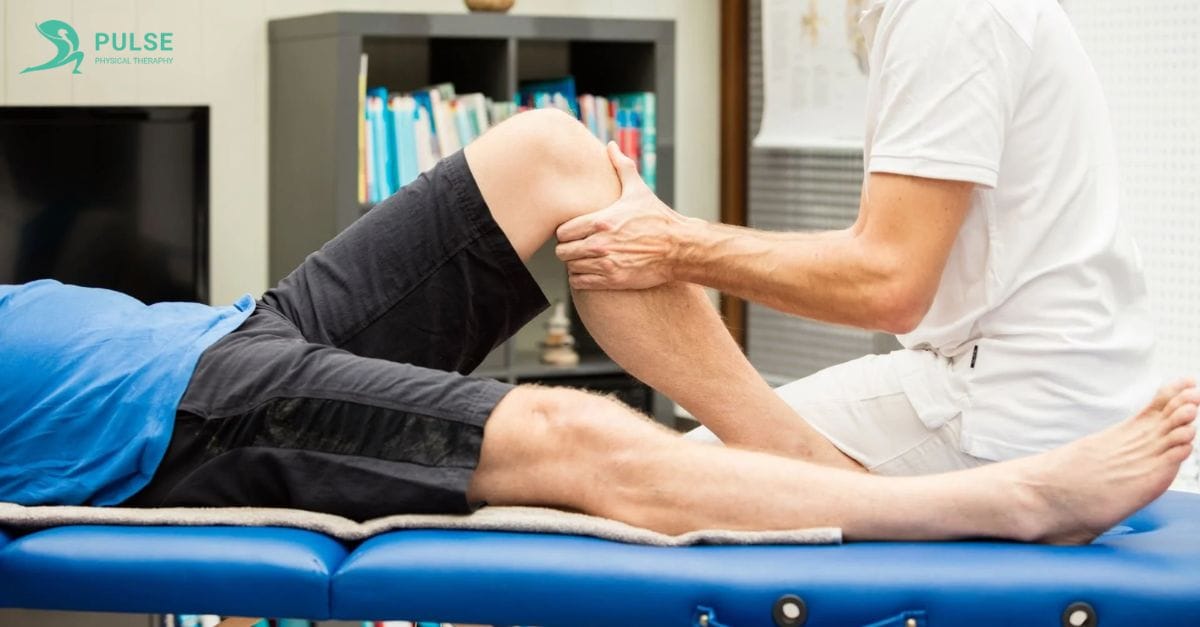
Since each injury differs, personalized care of the patient is the key to effective results. After a detailed movement examination at Pulse Physical Therapy, your physical therapist will be in a position to not only treat the area where pain is localized but also pinpoint the true sources of discomfort.
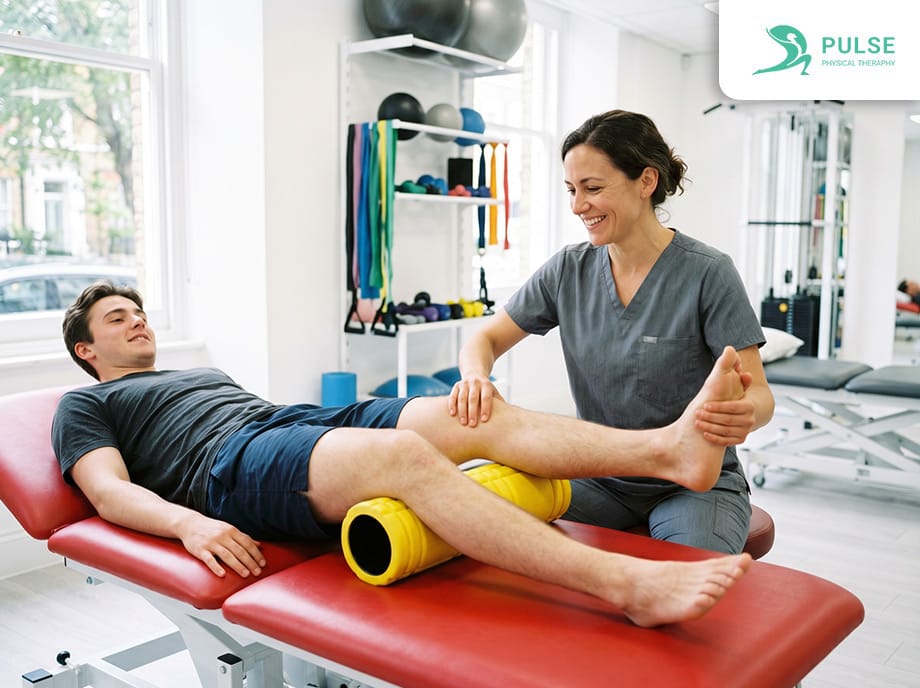
Per your diagnosis your sessions at Pulse will mostly consist of:
What makes your treatment with us unique is our ability not just to relieve pain but also to help restore your full capacity for life work sport, and hobbies as safely as possible.
Getting some physical exercise is one of the easiest and healthiest things you can do Yet it is vital that your organism is properly conditioned for such an intense kind of activity.
No matter whether you’re picking up a sport again after a year of rest to join local club competitions, trying to beat your personal record on a marathon or spending a lot of weekends in the fresh air, noticing and treating painful areas early on is a great way to avoid major issues.
Pulse Physical Therapy has a group of well-trained therapists and can provide sports-related injuries treatments in this area and, for example, sports physical therapy Hinsdale. They are here to assist you in your journey back to full recovery, so you can get back to the activities you like so much without any limitations.
As activity levels increase with school sports, fall races, yard work, and outdoor recreation, the body experiences greater physical demands. Without proper conditioning and recovery, the risk of strains, sprains, and overuse injuries increases.
If your pain persists for more than a few days, limits your daily activities, affects your mobility, or keeps returning, it’s a good idea to schedule a physical therapy evaluation. Early treatment often leads to faster recovery and helps prevent long-term complications.
Yes. Physical therapy not only treats existing injuries but also identifies movement limitations, muscle imbalances, and biomechanical issues that may increase your risk of future injuries. Personalized rehabilitation can improve strength, mobility, balance, and overall movement efficiency to help you stay active throughout the year.