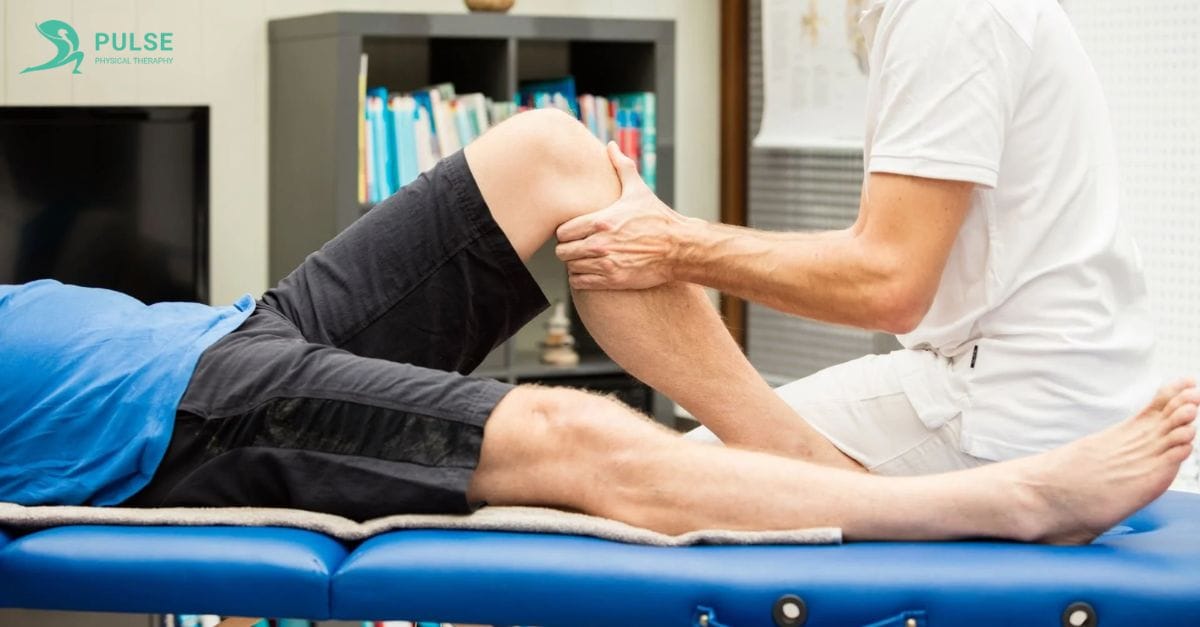
How Physical Therapy in Hinsdale Can Help Manage Pain and Improve Quality of Life
Endometriosis is a chronic condition that affects millions of women worldwide and can significantly impact daily life. Many people living with this condition experience persistent pelvic pain, painful menstrual cycles, fatigue, and digestive issues. While medical treatments such as medication or surgery are commonly recommended, many patients are discovering the benefits of physical therapy as a complementary treatment option.
Let’s understand and explore how physical therapy helps people living with endometriosis, what treatment looks like, and why more patients are seeking pelvic health physical therapy to regain control over their lives.
For residents of Hinsdale and nearby communities, specialized care at clinics like Pulse Physical Therapy Clinic can help manage symptoms and improve overall well-being.
Endometriosis occurs when tissue similar to the lining of the uterus grows outside the uterus. These growths can appear on the ovaries, fallopian tubes, pelvic lining, and other organs.
According to the World Health Organization, endometriosis affects roughly 10% of women and girls of reproductive age worldwide.
Because the tissue behaves like uterine lining, it thickens and bleeds during menstrual cycles. However, unlike normal menstrual blood, the tissue cannot exit the body easily, which leads to inflammation, scar tissue, and severe pain.
Symptoms can vary widely from person to person, but many individuals experience:
These symptoms often affect daily activities, work productivity, and mental health.

Endometriosis pain is not only caused by the abnormal tissue growth itself. Over time, the body develops secondary musculoskeletal problems, including:
This is where pelvic health physical therapy can make a significant difference.
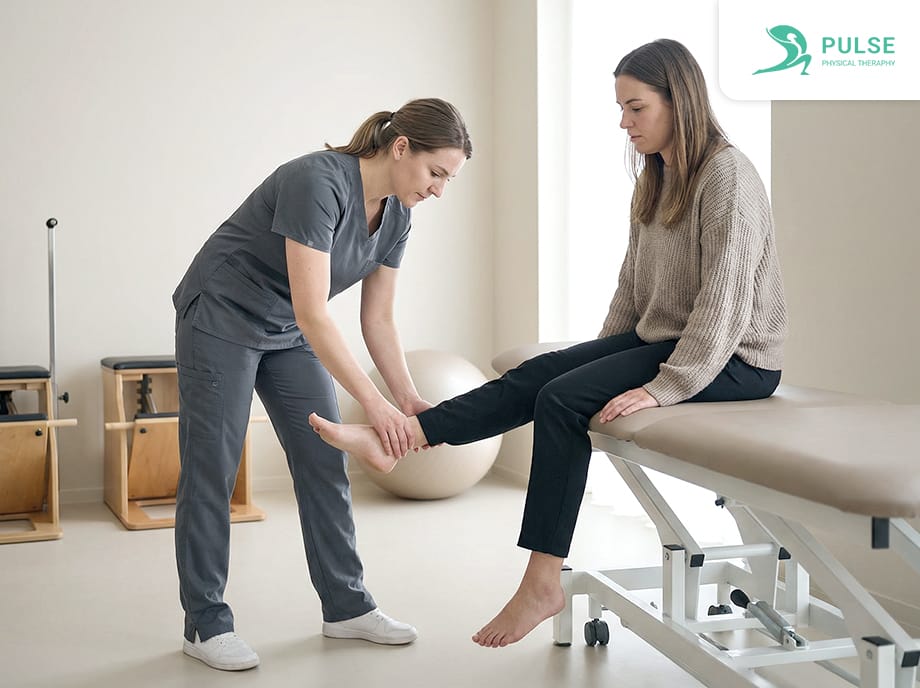
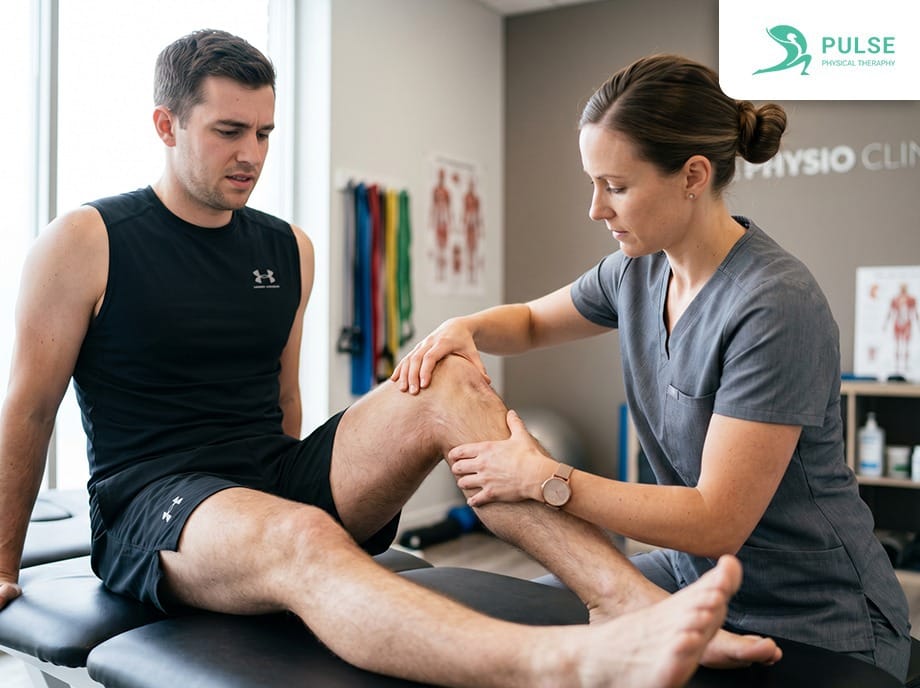
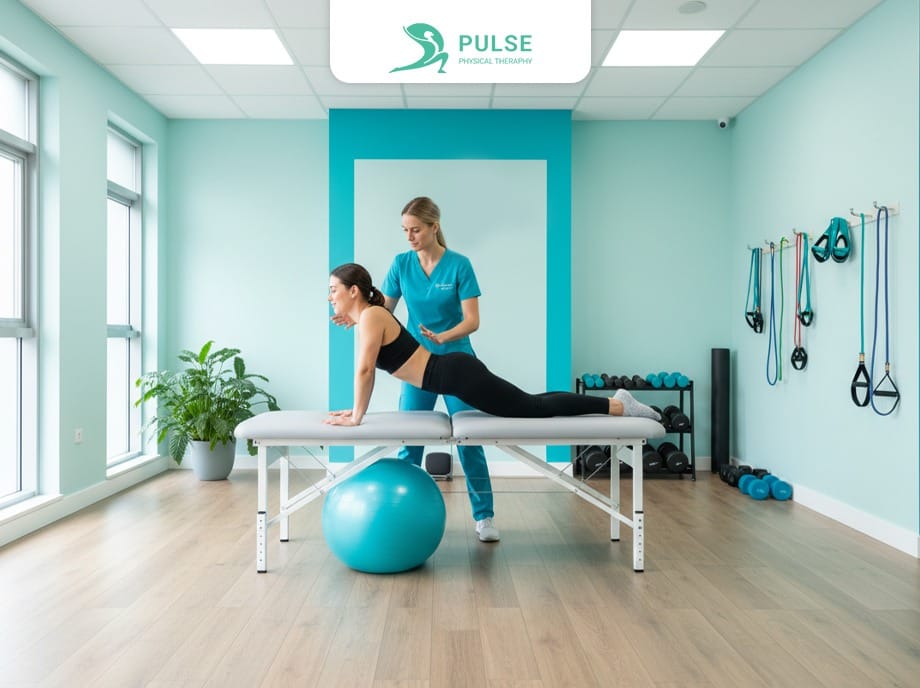
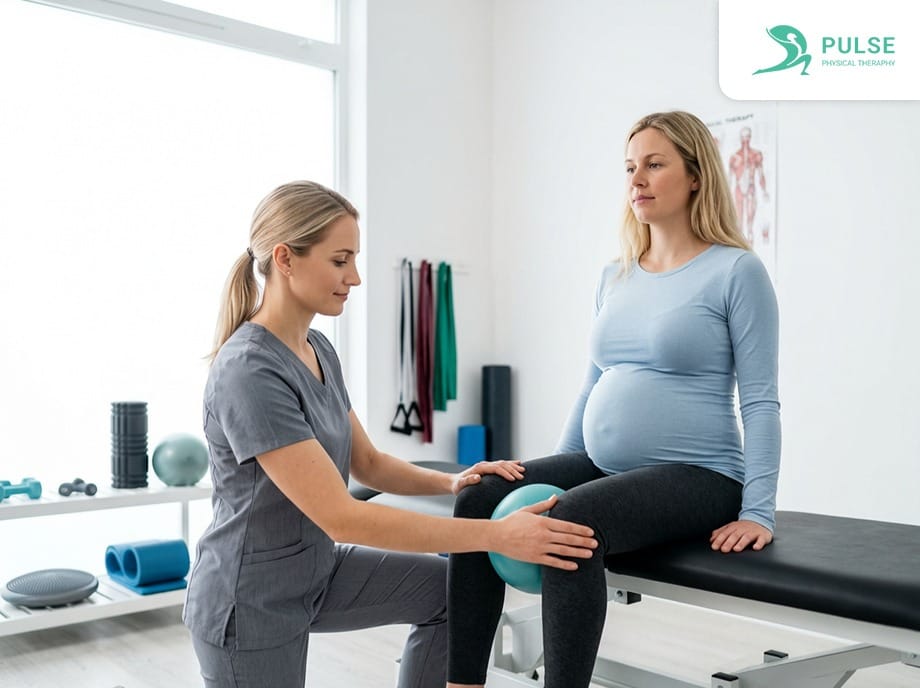
Physical therapy focuses on improving movement, reducing pain, and restoring muscle balance. For people living with endometriosis, therapy targets the pelvic floor, abdominal muscles, lower back, and surrounding connective tissue.
Specialized treatment at clinics like Pulse Physical Therapy Clinic can help reduce symptoms and improve overall quality of life.
Below are some of the most effective ways physical therapy supports endometriosis management.
Many individuals with endometriosis develop tight or overactive pelvic floor muscles due to chronic pain and inflammation.
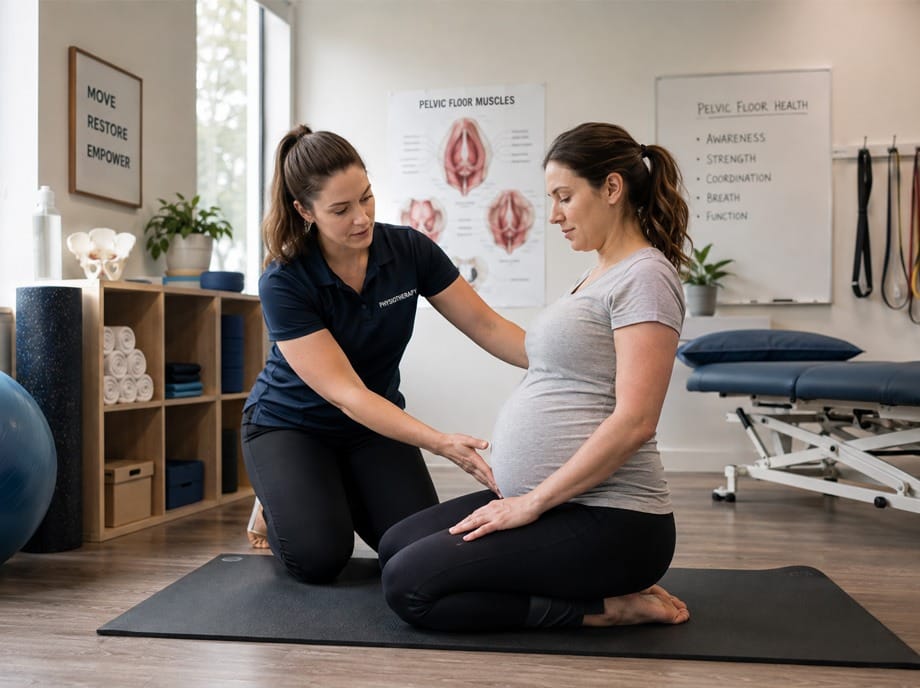
Pelvic floor physical therapy helps by:
Manual therapy techniques and targeted exercises can gradually restore normal muscle function.
Endometriosis often causes scar tissue and adhesions in the pelvic region.
These adhesions can restrict movement between organs and surrounding tissues, leading to discomfort and limited mobility.
Physical therapists use techniques such as:
These approaches help improve tissue flexibility and reduce pressure on nerves and organs.
Chronic pelvic pain often causes individuals to change their posture unconsciously. Over time, this can create imbalances in the core muscles, hips, and lower back.
A physical therapy program may include exercises to:
These improvements can significantly decrease long-term discomfort.
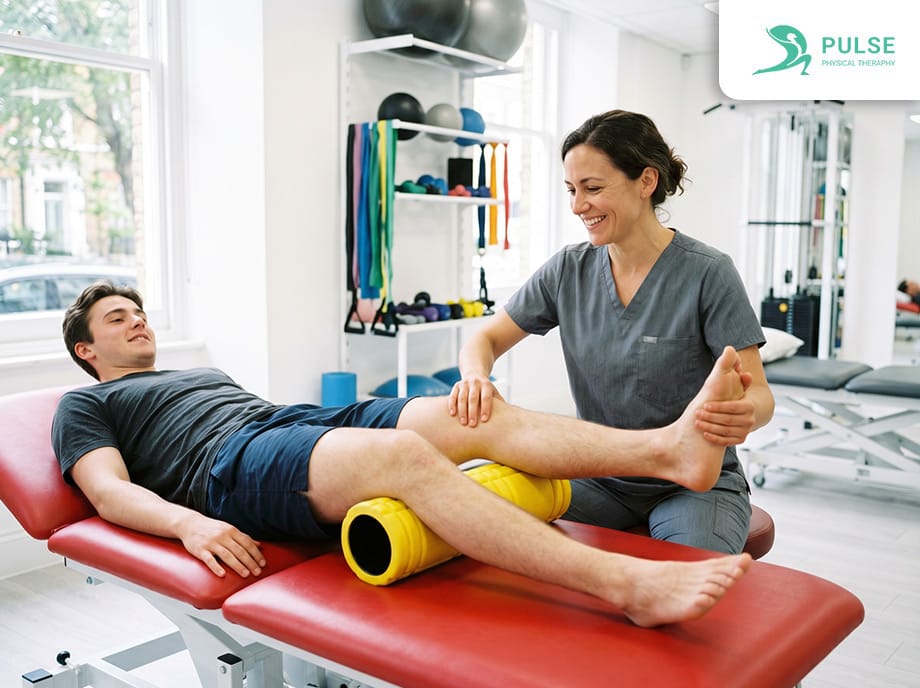
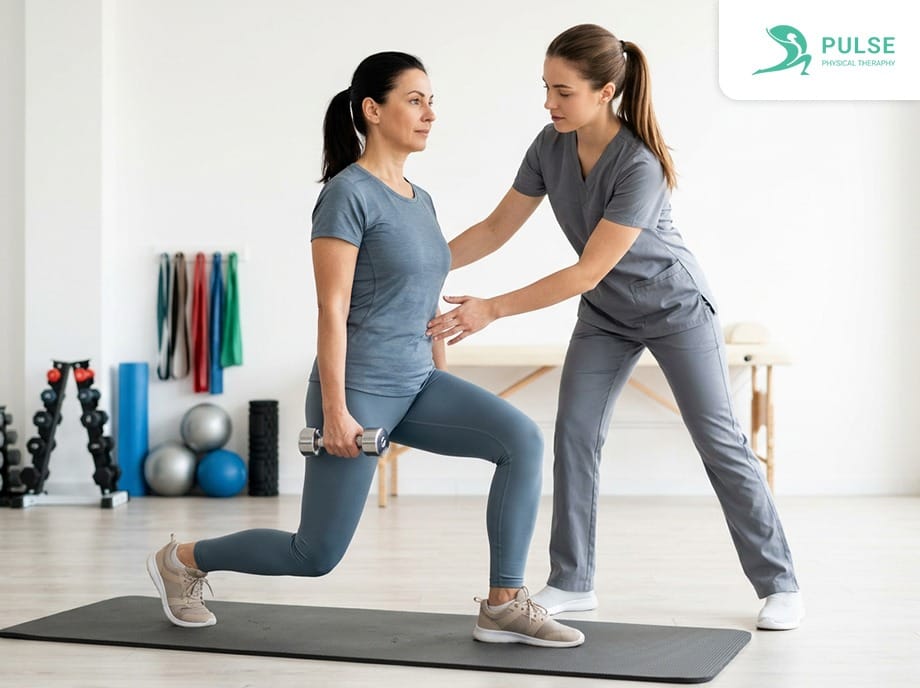
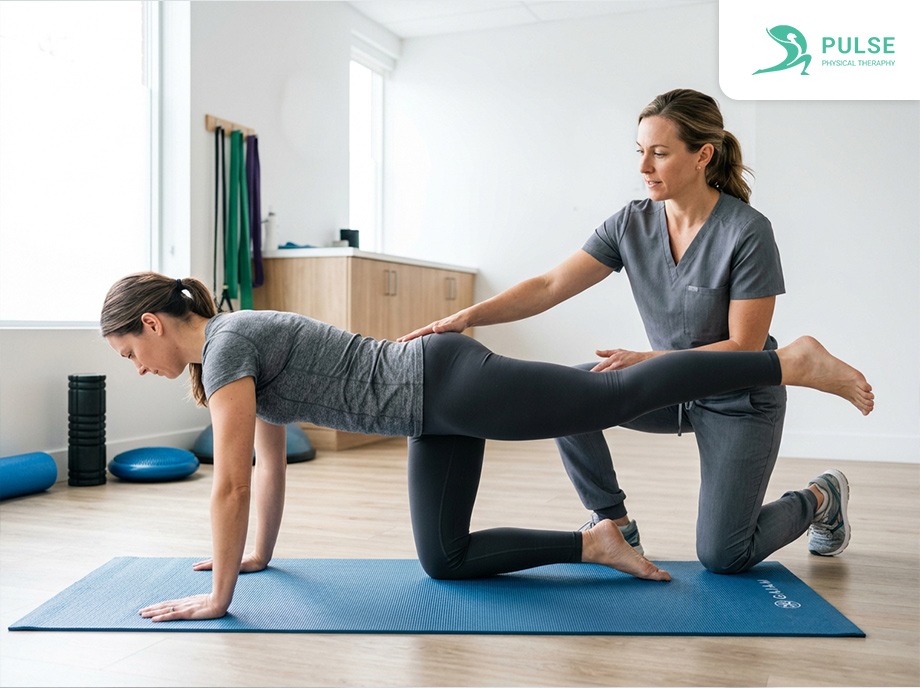
Movement plays a crucial role in reducing chronic pain. Physical therapists guide patients through exercises that are safe and effective for people living with endometriosis.
Therapeutic movement may include:
Over time, these exercises help retrain the nervous system and reduce pain sensitivity.
Chronic pain conditions like endometriosis often affect the nervous system, causing heightened sensitivity to pain.
Physical therapy may include techniques such as:
These approaches help calm the nervous system and improve pain tolerance.

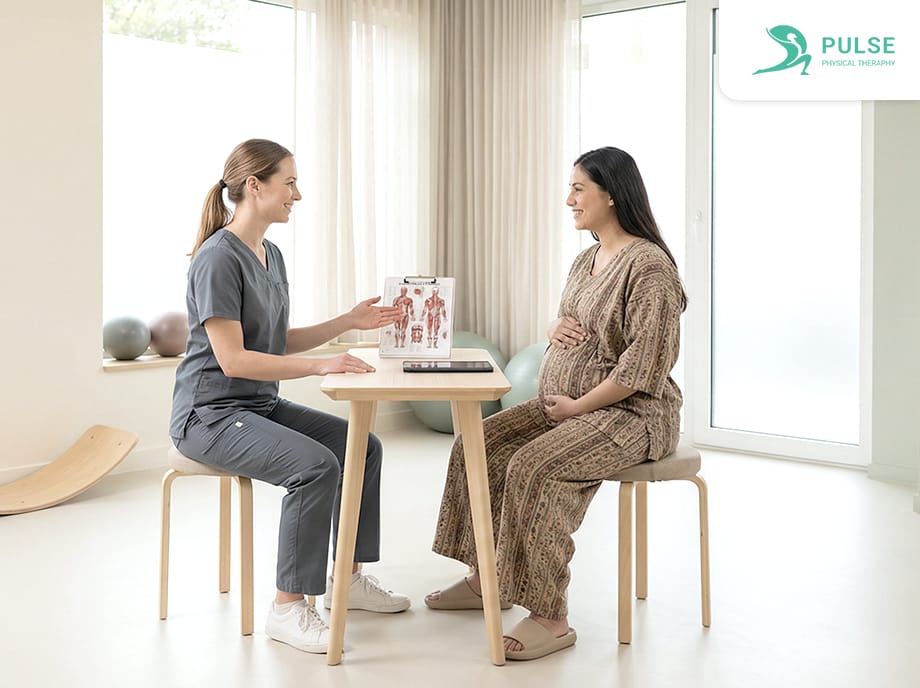
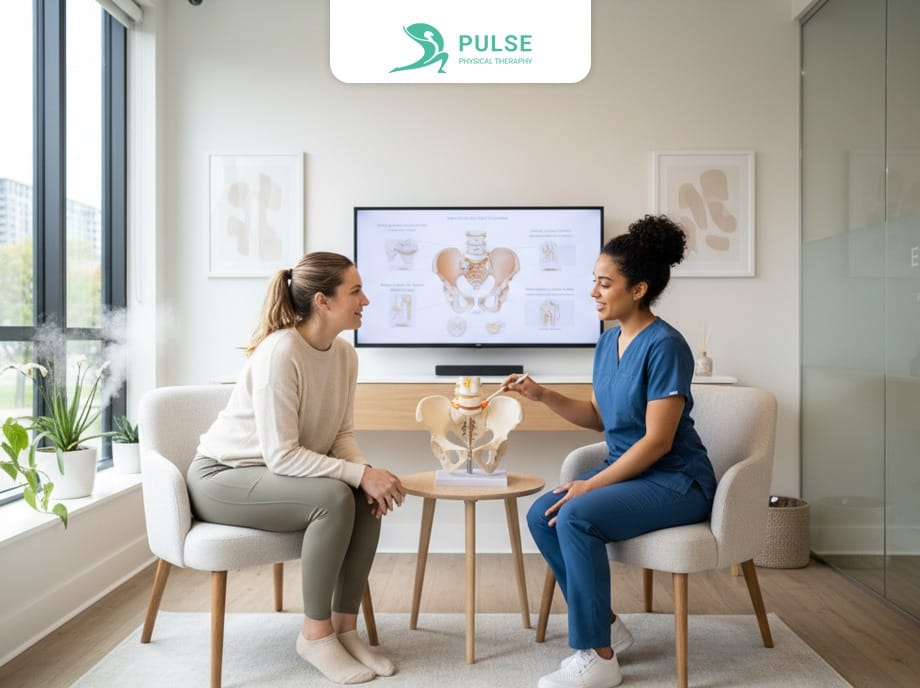
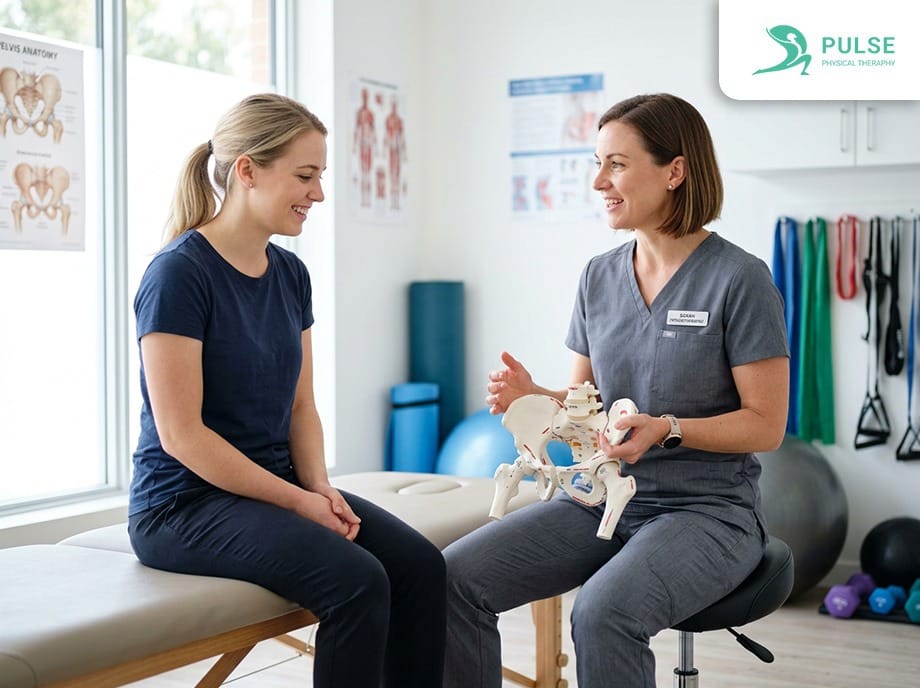
When visiting a pelvic health specialist at Pulse Physical Therapy Clinic, treatment typically begins with a detailed evaluation.
This may include:
Based on the assessment, the therapist develops a personalized treatment plan tailored to your specific symptoms and goals.
Patients who incorporate physical therapy into their treatment plan often experience several benefits.
Targeted therapy can decrease muscle tension and nerve irritation.
Restoring normal movement patterns helps reduce stiffness and discomfort.
Strengthening the core muscles supports the pelvis and spine.
Patients can return to work, exercise, and normal activities with less pain.
Managing symptoms effectively allows individuals to feel more in control of their health.
Accessing specialized care close to home makes it easier to stay consistent with treatment. Patients in the western suburbs of Chicago often choose local clinics like Pulse Physical Therapy Clinic because of their focus on personalized, patient-centered therapy.
Working with an experienced physical therapist who understands pelvic health conditions ensures a safe and supportive environment for recovery.
In addition to physical therapy, certain lifestyle adjustments can help manage symptoms.
Gentle activities such as walking, yoga, or stretching can reduce stiffness and improve circulation.
Proper posture helps reduce strain on the pelvis and lower back.
Mindfulness and breathing exercises can help regulate pain responses.
Physical therapy works best when combined with guidance from healthcare providers.
You may benefit from pelvic health physical therapy if you experience:
Early intervention can prevent symptoms from becoming more severe over time.
Living with endometriosis can be challenging, but you don’t have to manage the condition alone. With the right support and treatment approach, it is possible to reduce pain and improve daily function.
Specialized pelvic health programs at Pulse Physical Therapy Clinic focus on helping patients regain comfort, mobility, and confidence in their bodies.
If you are experiencing symptoms of endometriosis, consulting a qualified physical therapist can be an important step toward long-term relief.