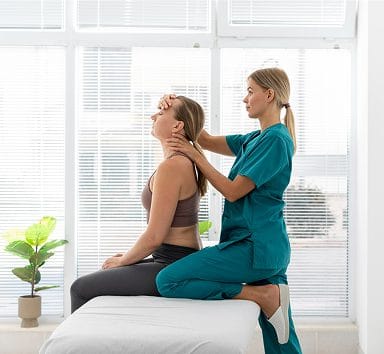
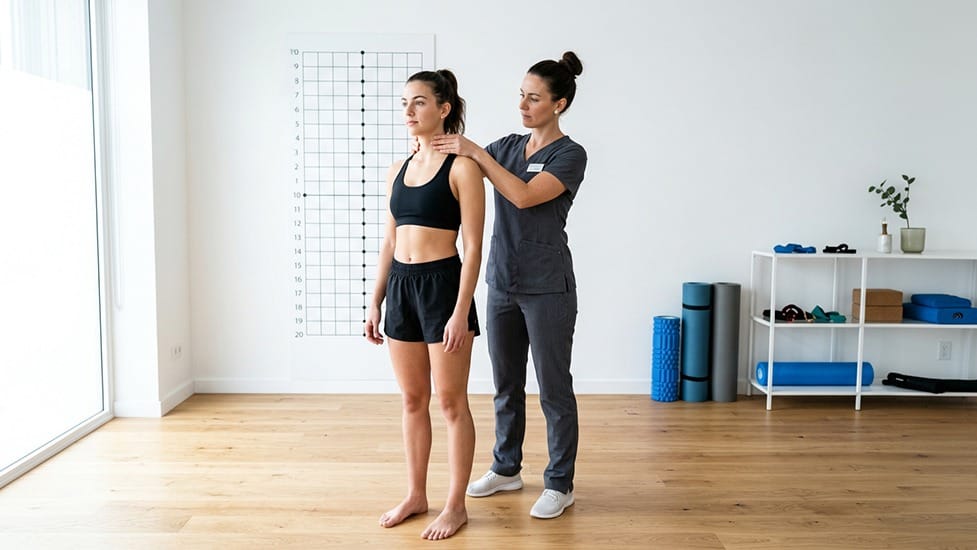
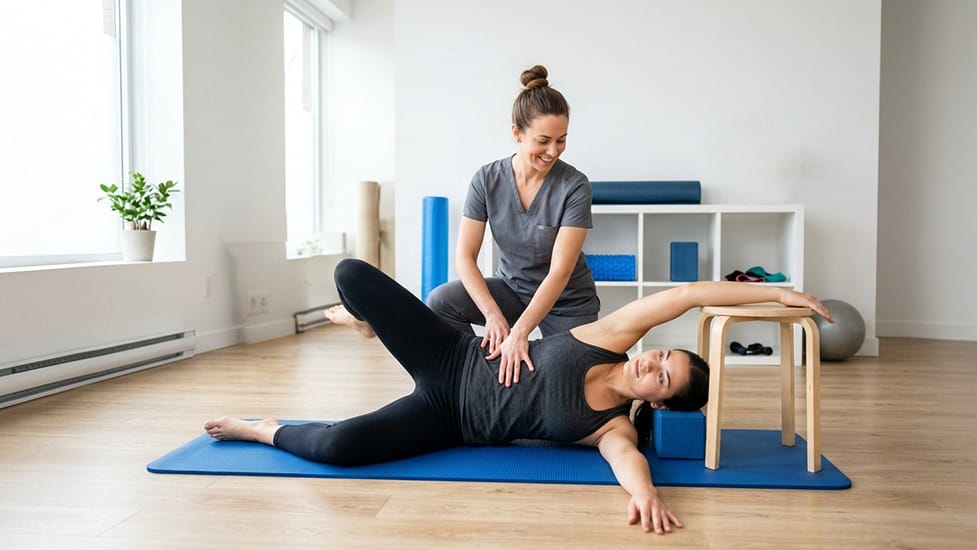
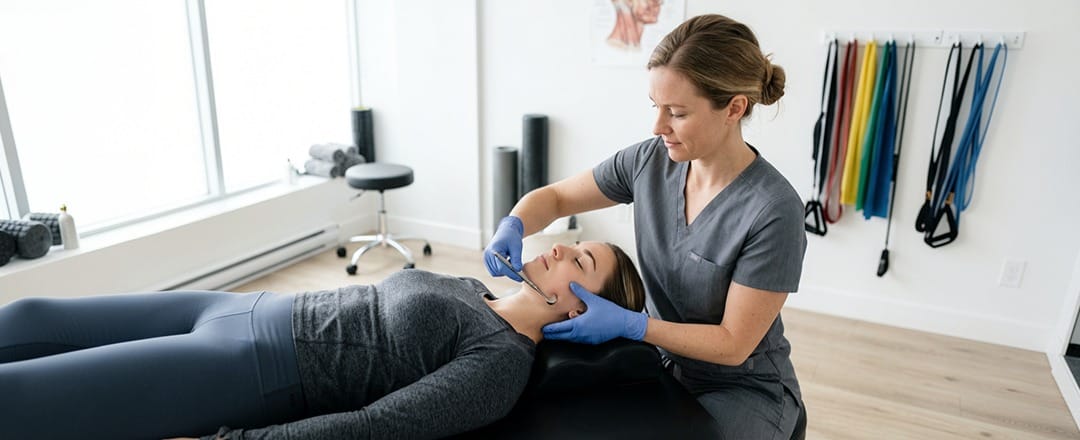
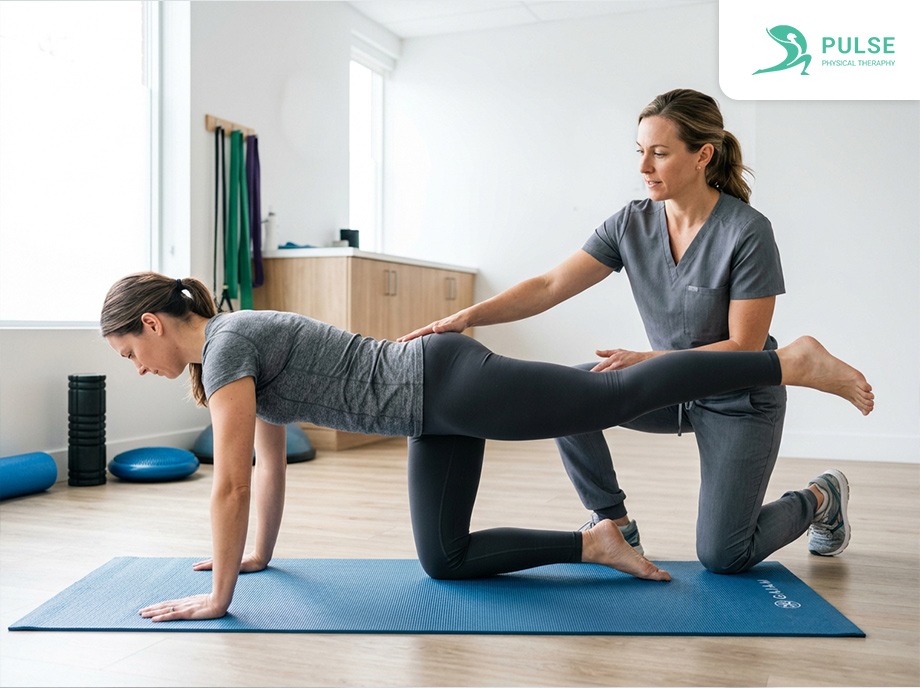
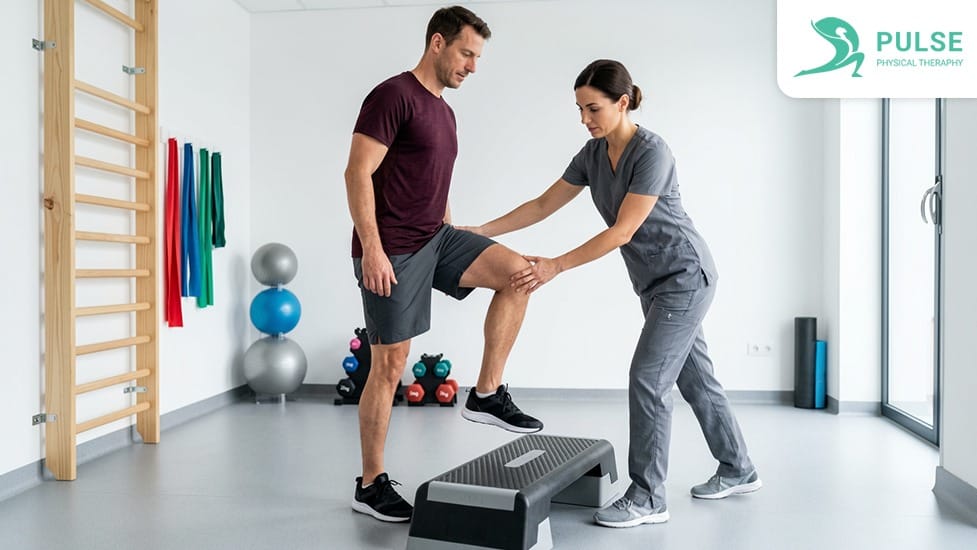
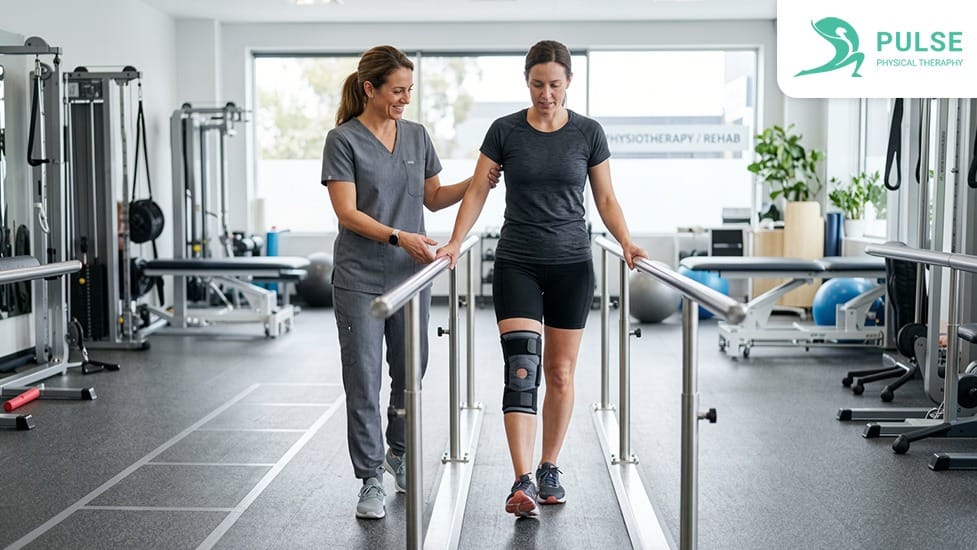
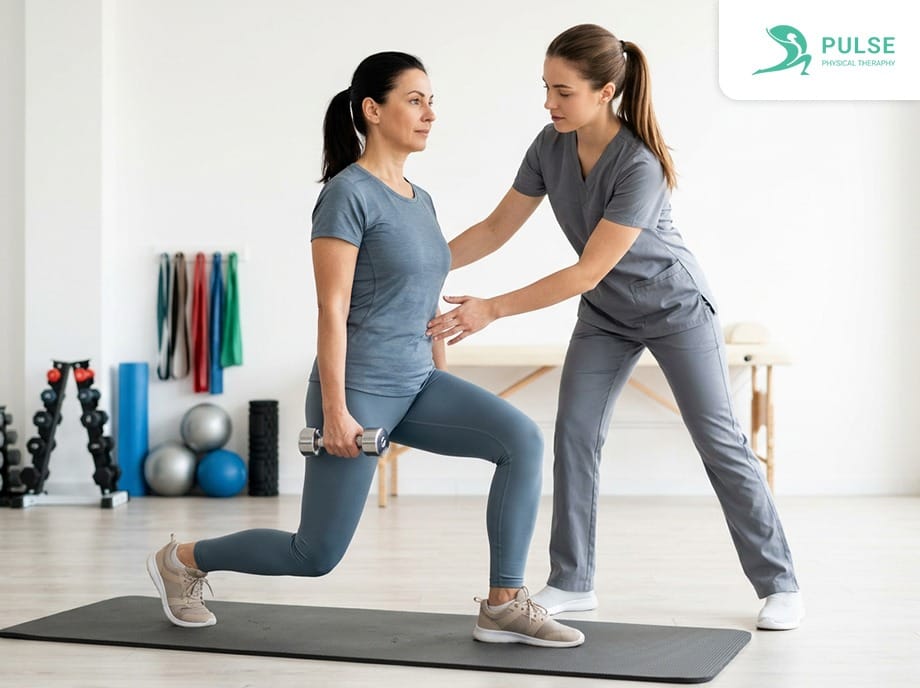
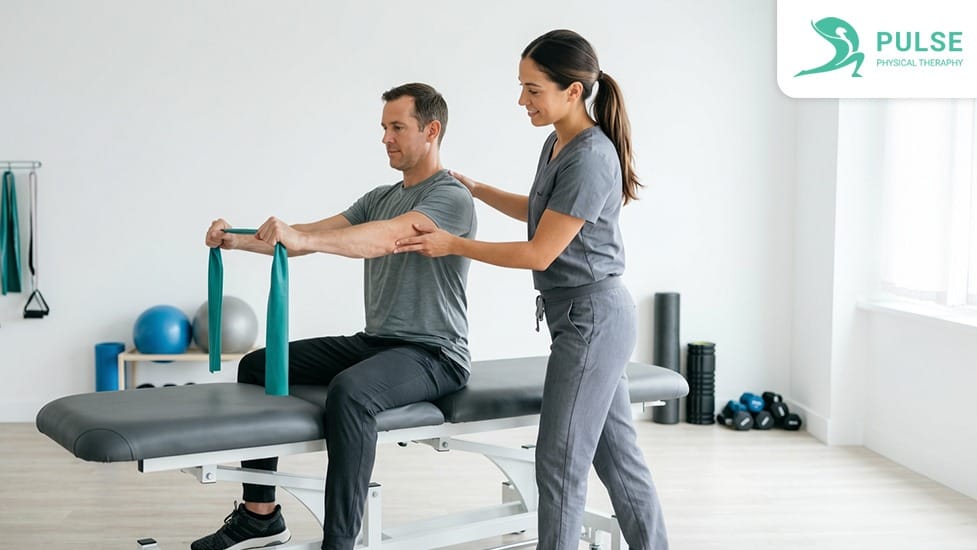
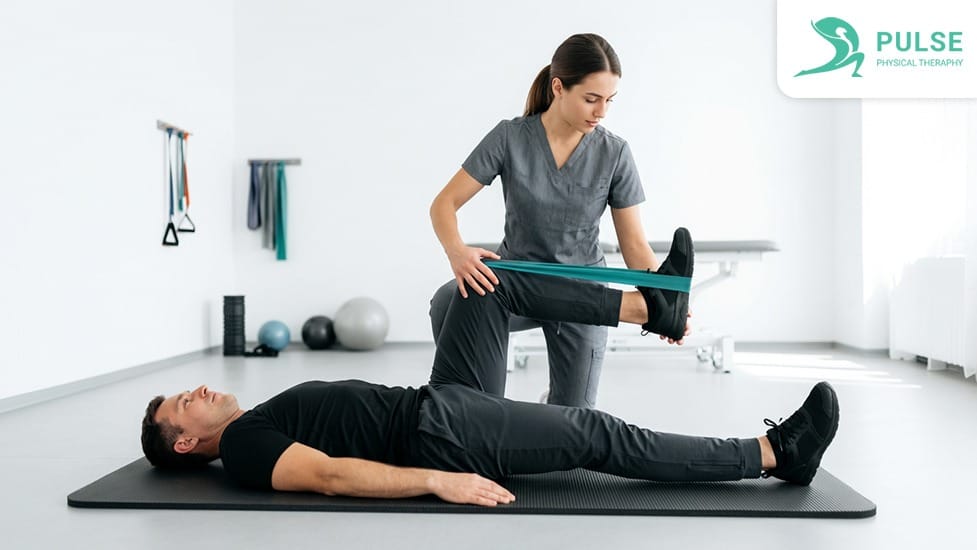
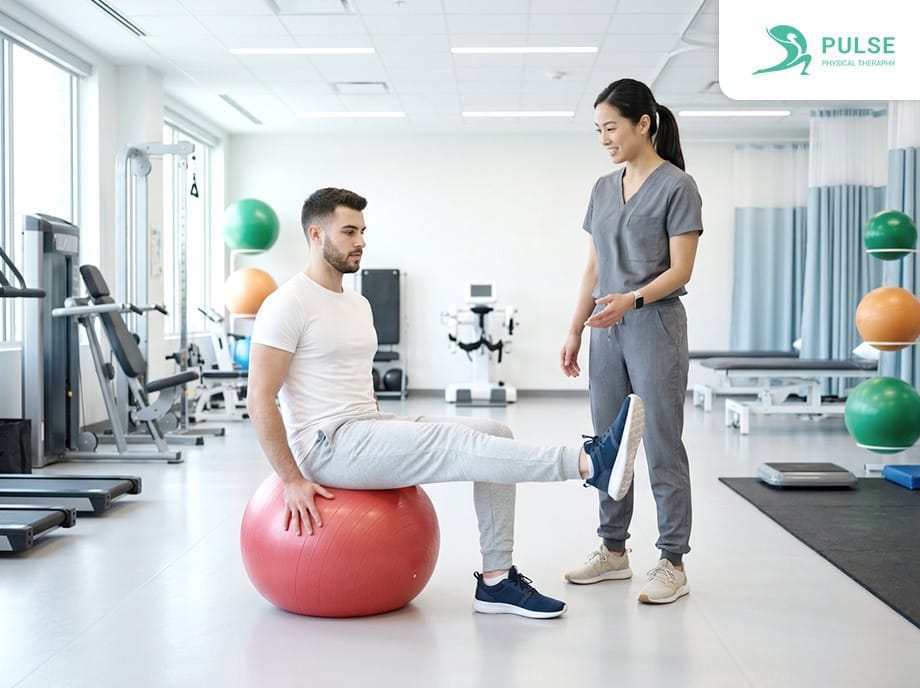
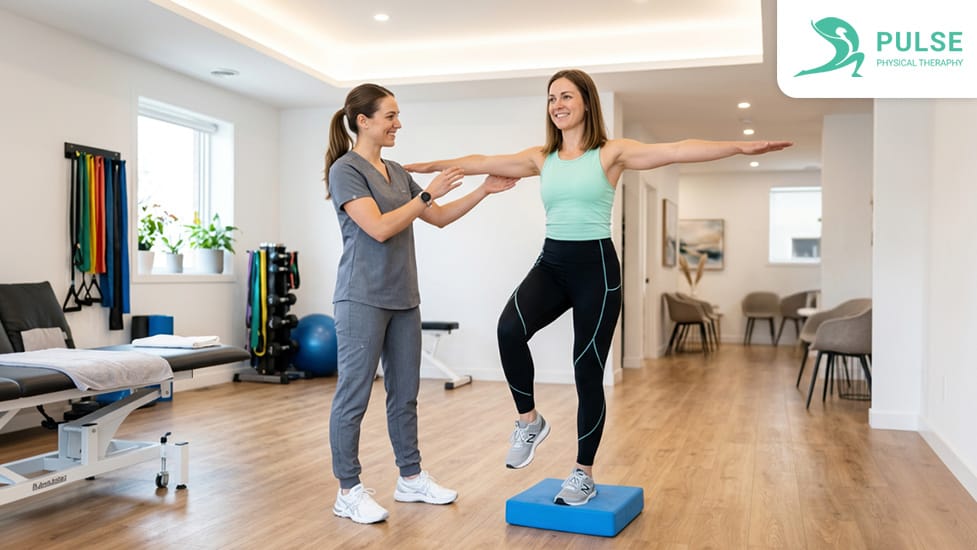
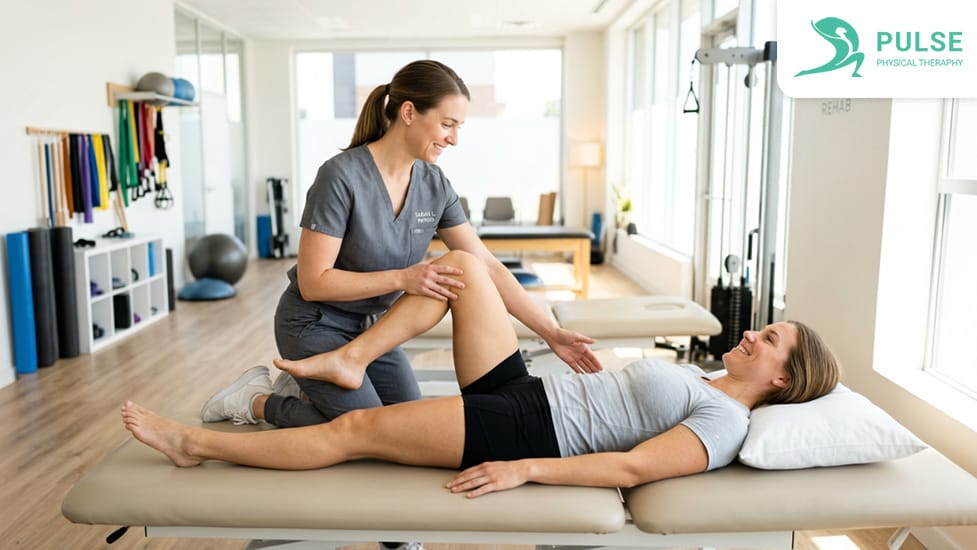
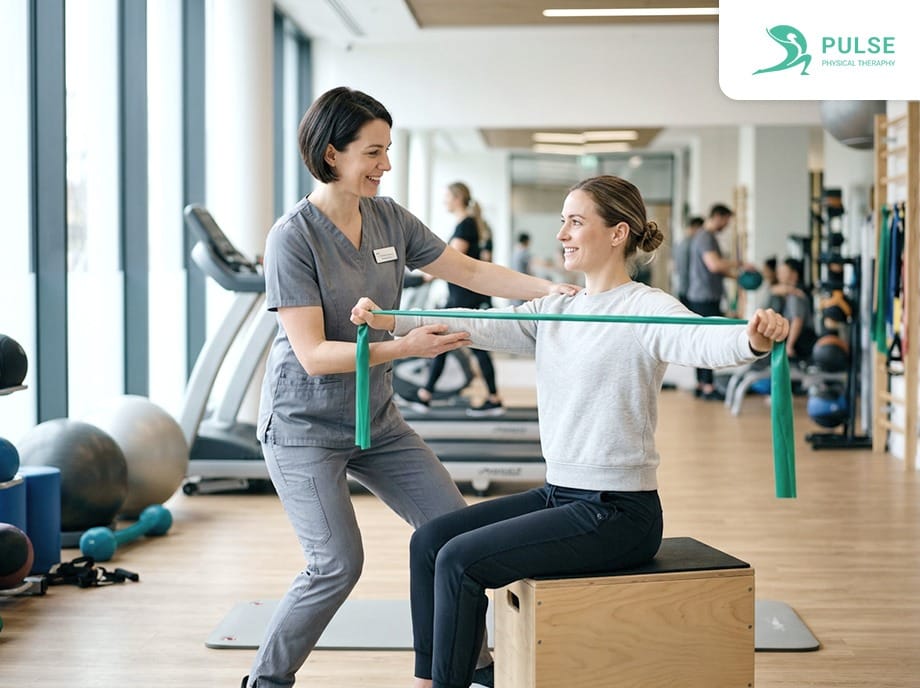
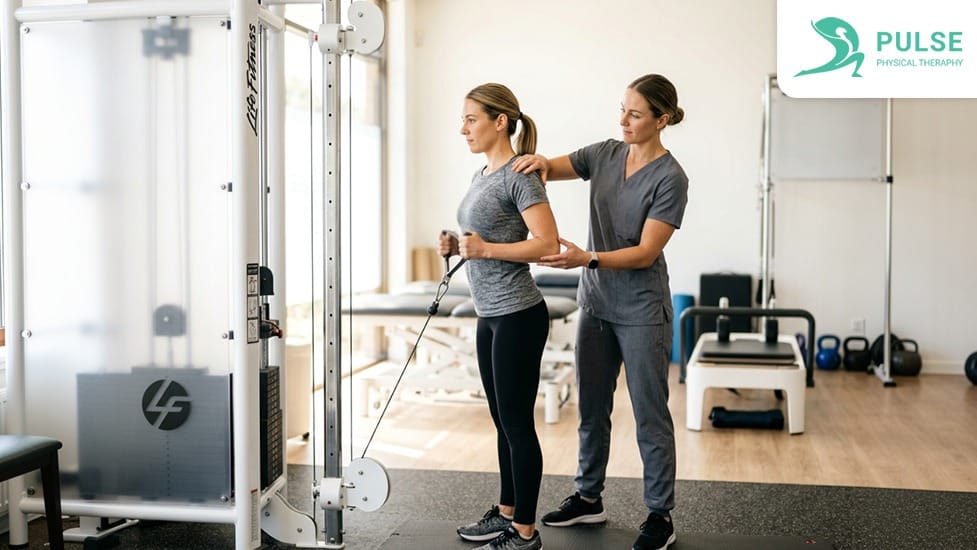
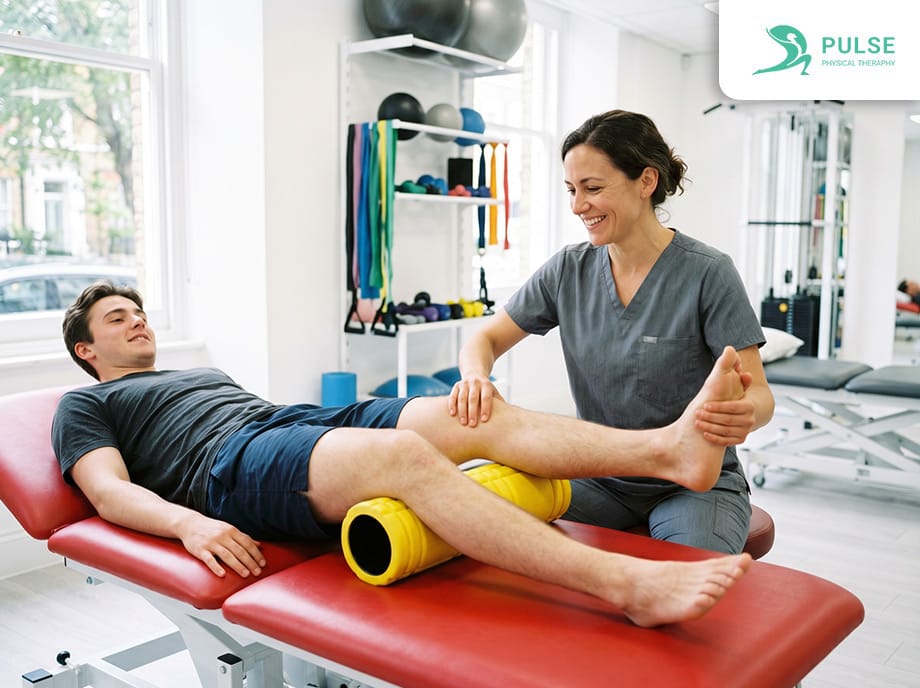
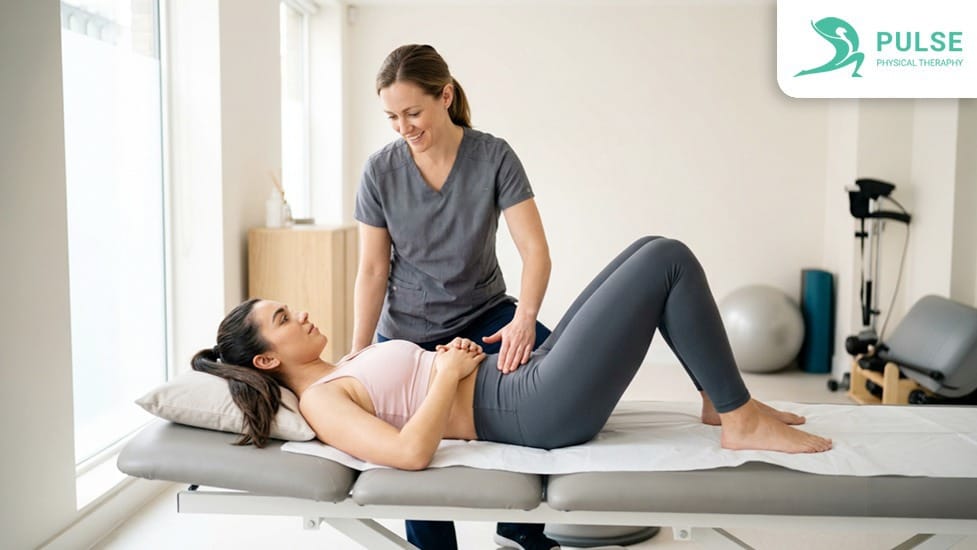
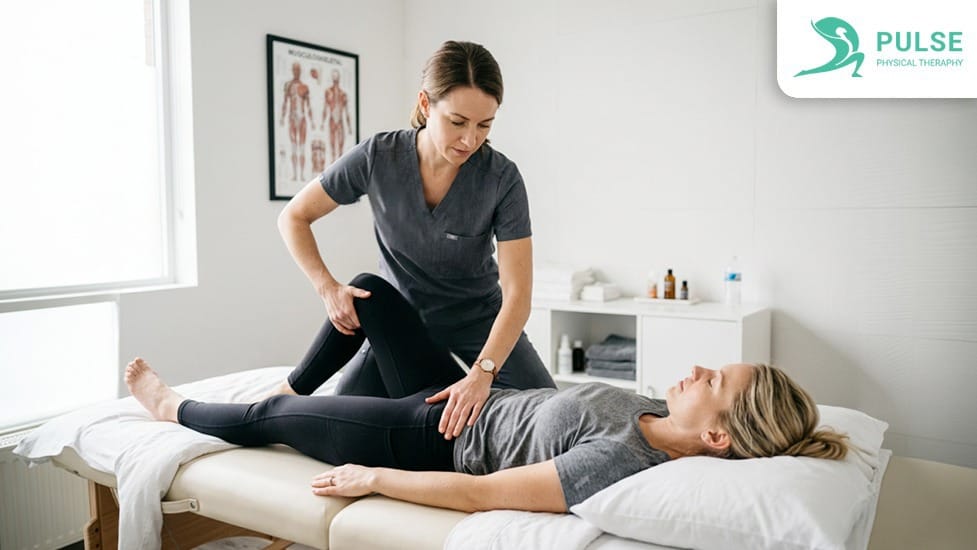
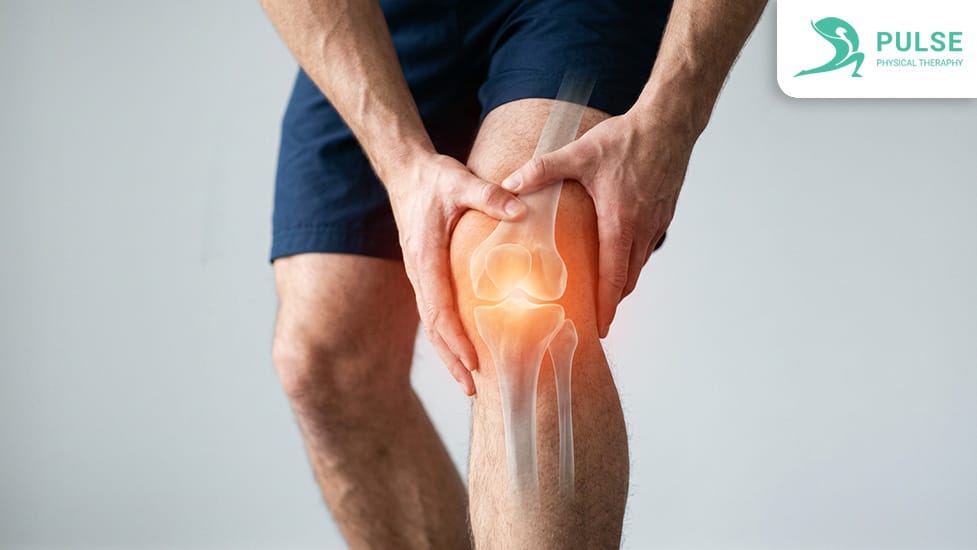
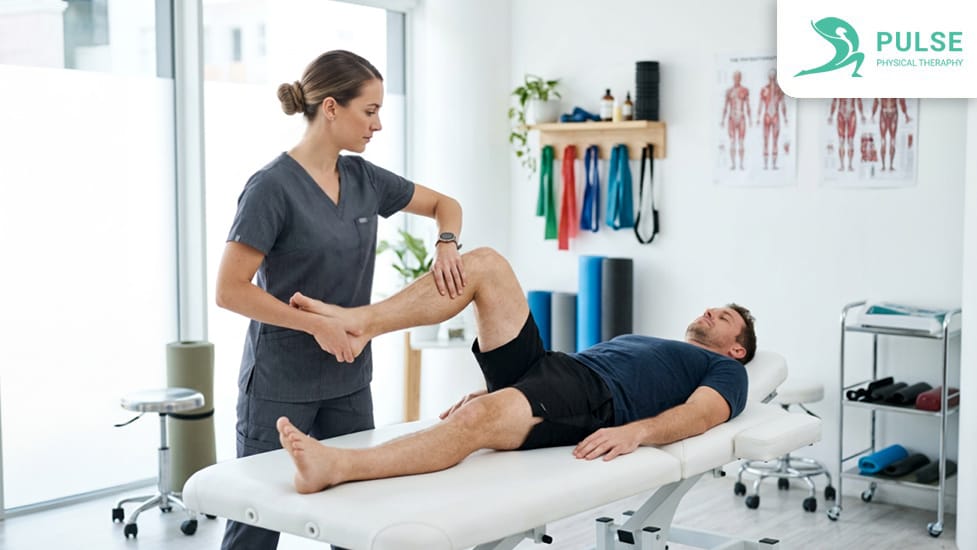
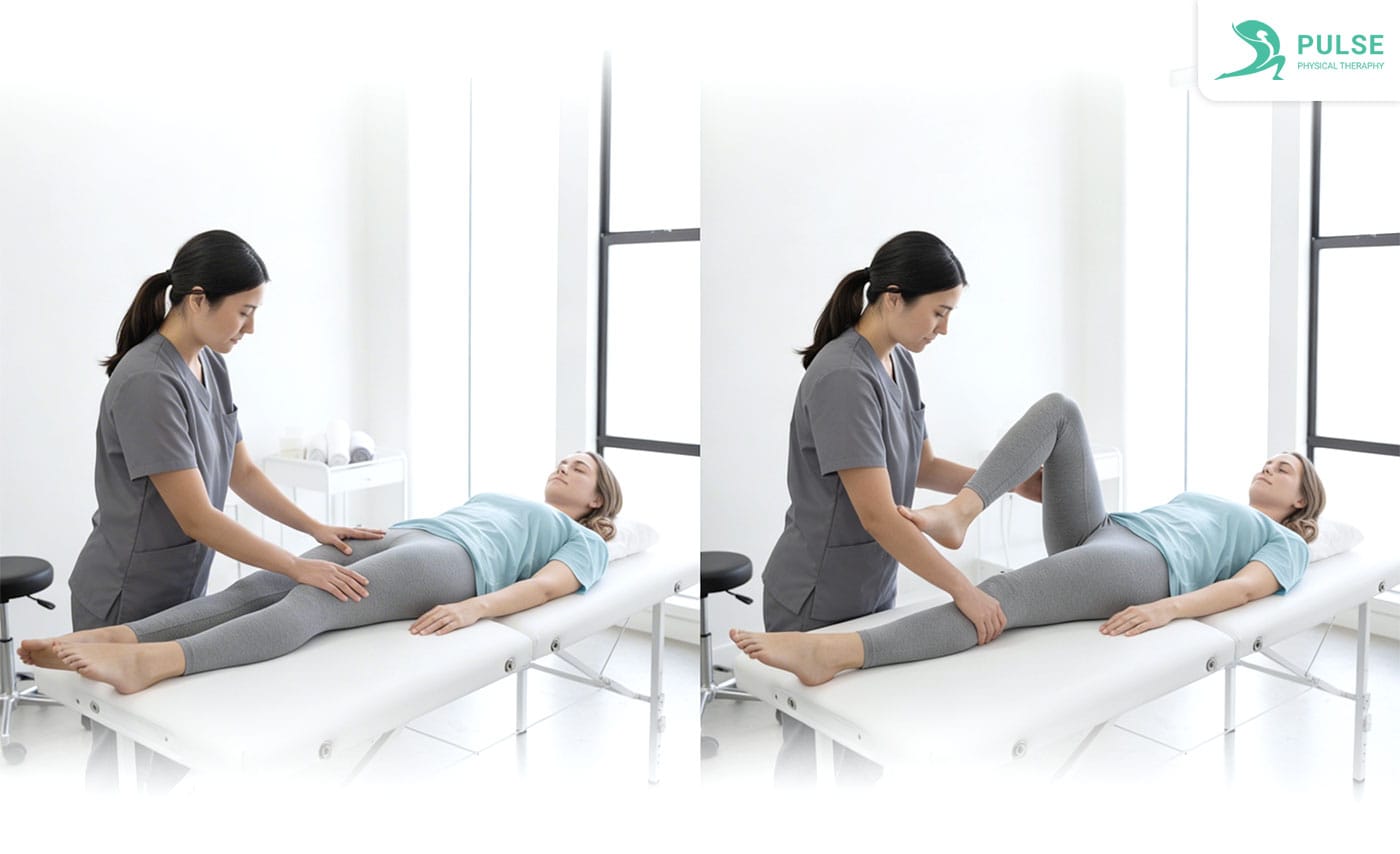
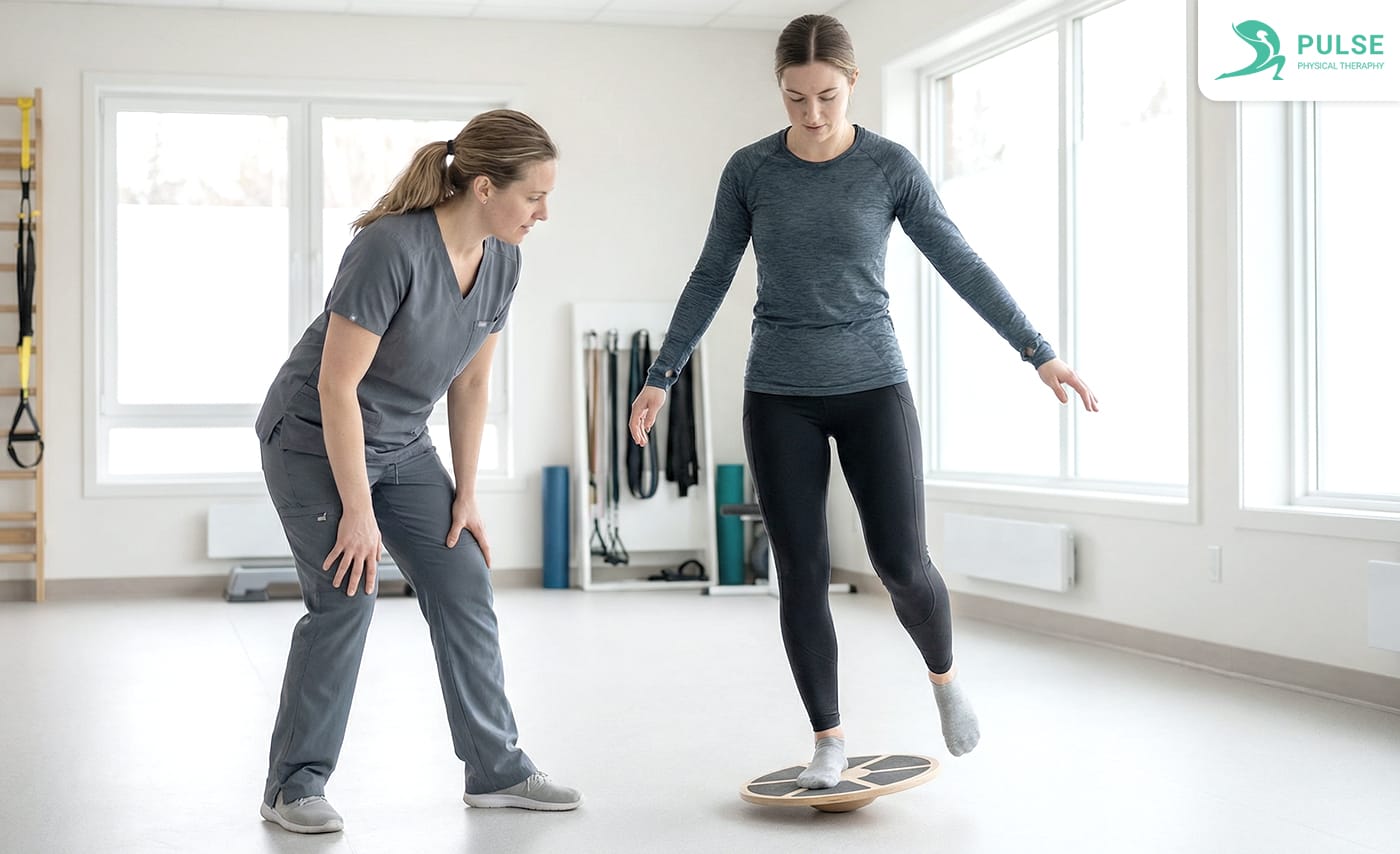
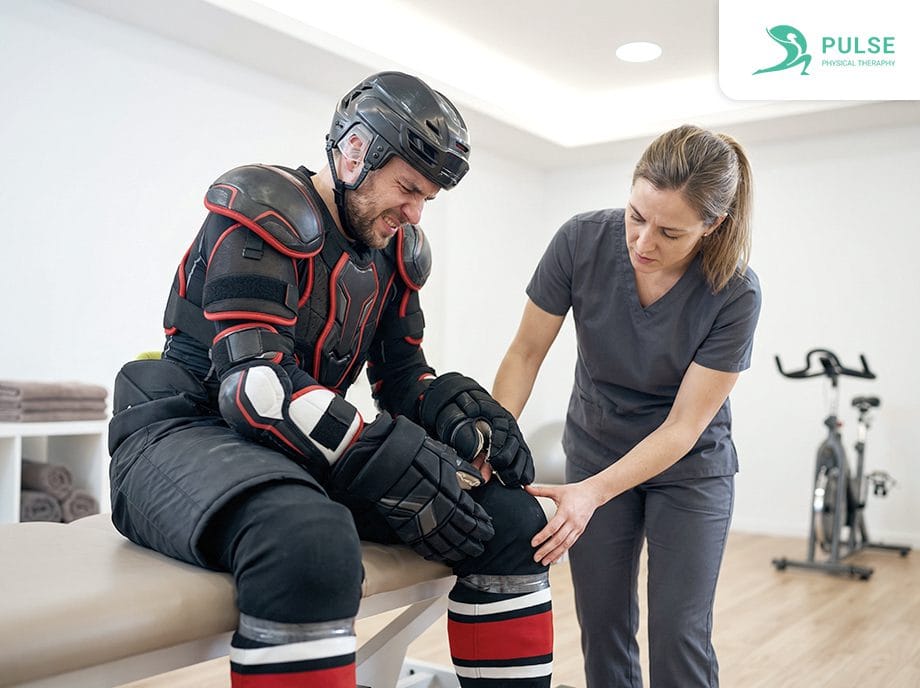
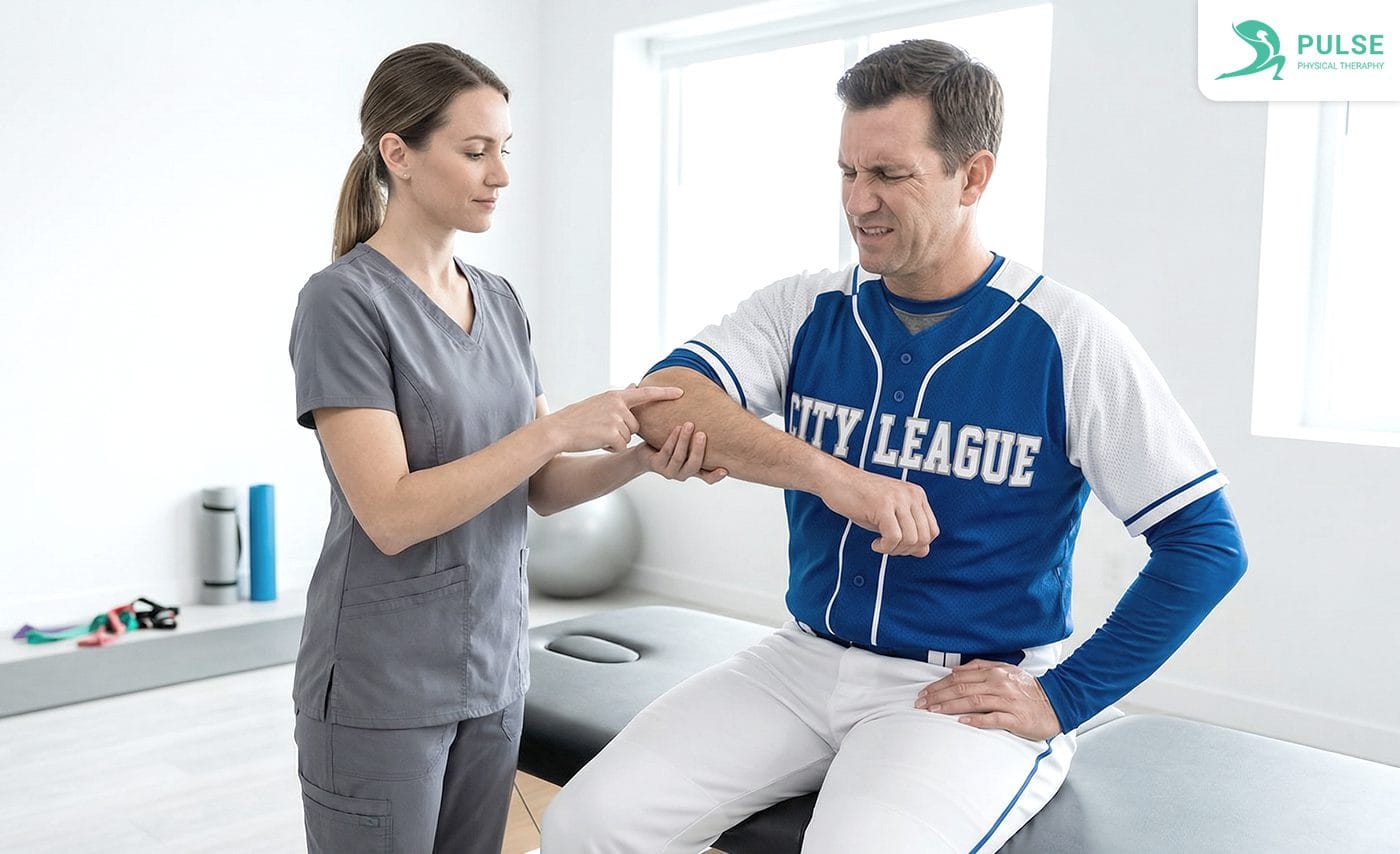
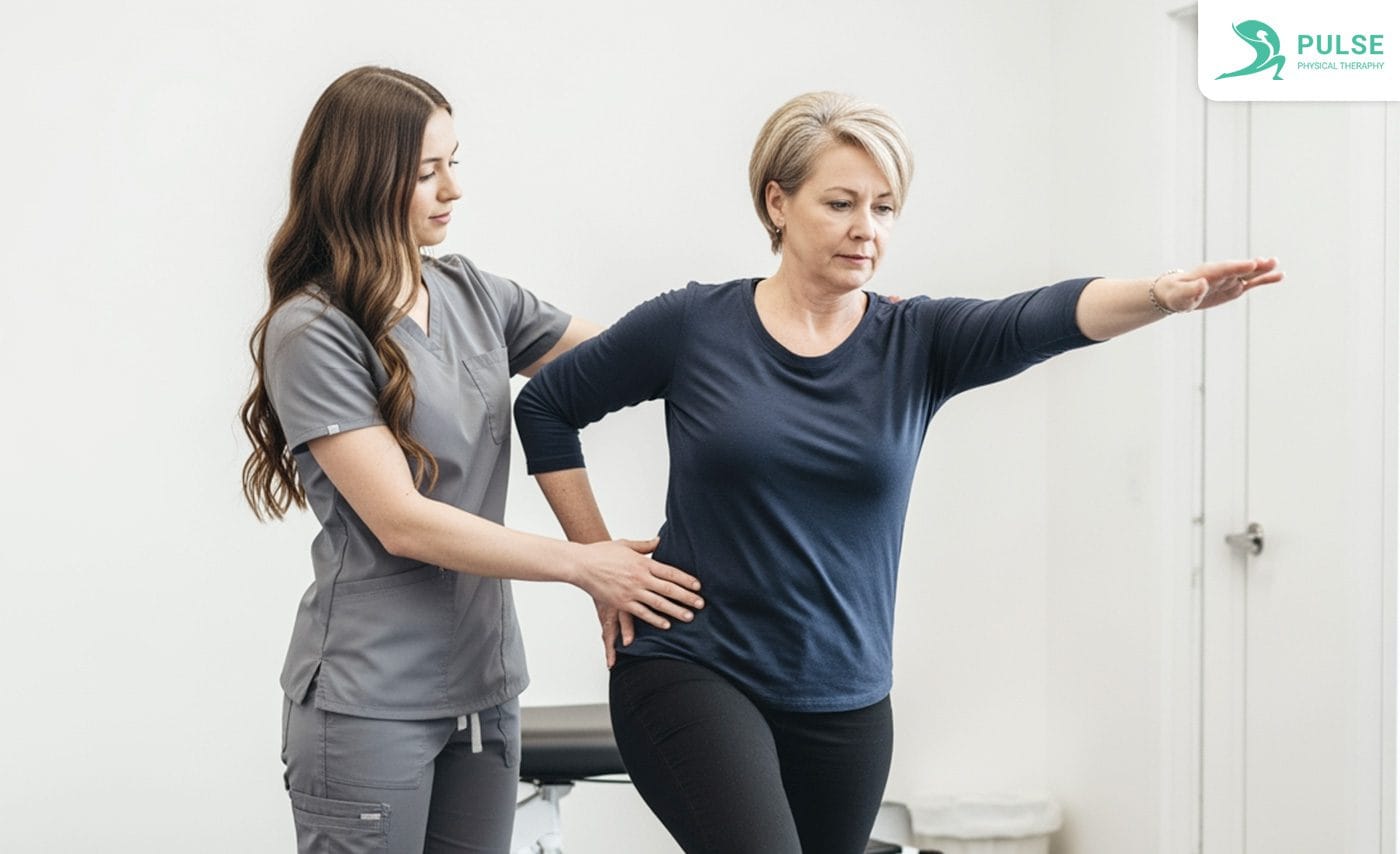
We identify the root cause, not just the symptoms.
Regain your strength, restore your mobility, and reclaim your life with expert care in a calm, modern setting. At Pulse Physical Therapy, we combine advanced techniques with a personal touch to help you heal and thrive.
Experience expert physical therapy at our modern clinic in Hinsdale, IL. At Pulse Physical Therapy, we use the latest techniques and equipment to support spine care, orthopedic rehabilitation, and sports injury recovery. Our personalized treatment plans are designed to reduce pain, restore mobility, and help you return to the activities you love.
We proudly provide care to patients servicing Western Springs, Oak Brook, Hinsdale, Clarendon Hills, Burr Ridge, Willowbrook, Darien, Downers Grove, Westmont, and La Grange. Whether you are recovering from an injury, managing chronic pain, or seeking performance recovery, our team delivers individualized, evidence-based therapy tailored to your needs.
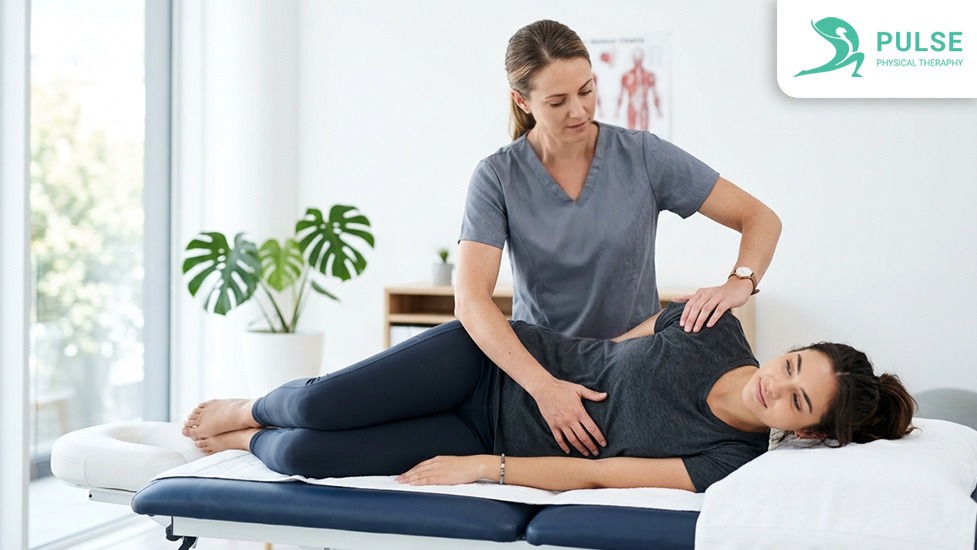
At Pulse Physical Therapy, we help patients move better, recover faster, and live pain-free. Our comprehensive programs include injury rehabilitation, chronic pain management, orthopedic and sports therapy, and improved mobility, ensuring you get back to the life and activities you enjoy with confidence.
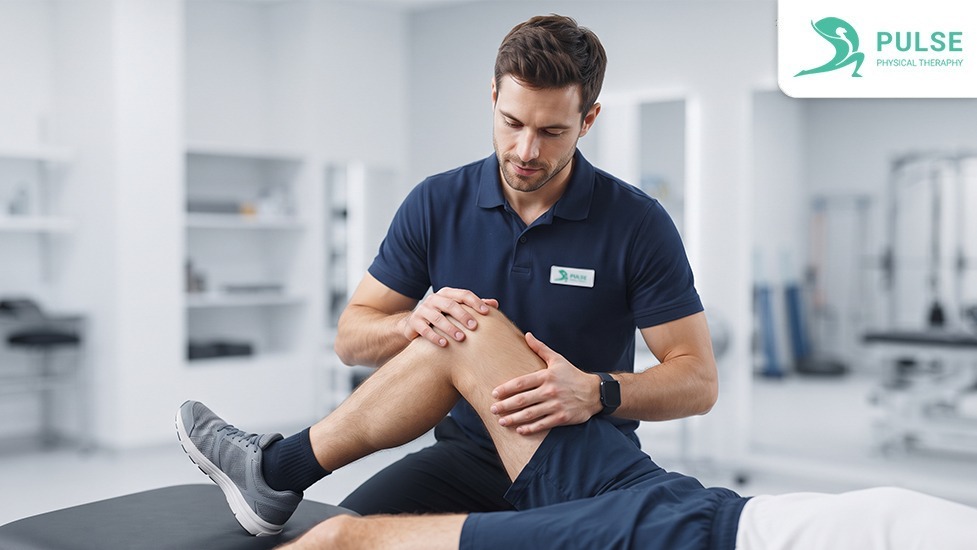
We identify the root cause, not just the symptoms.
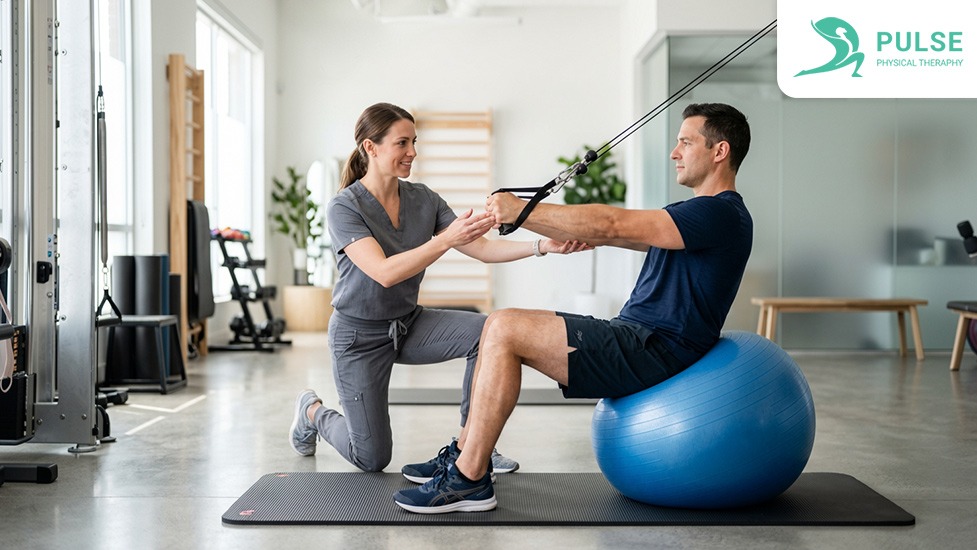
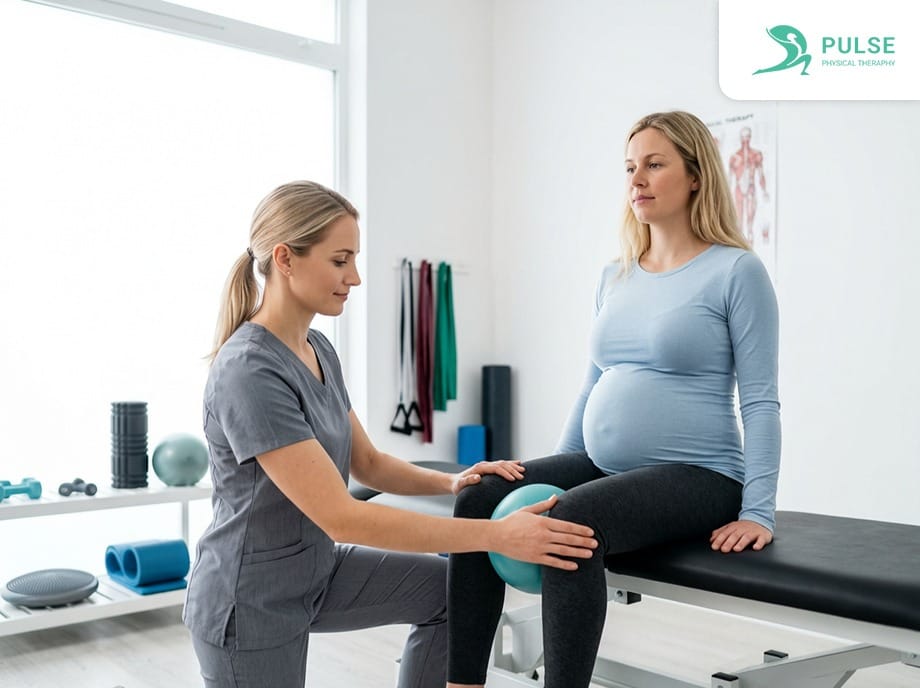
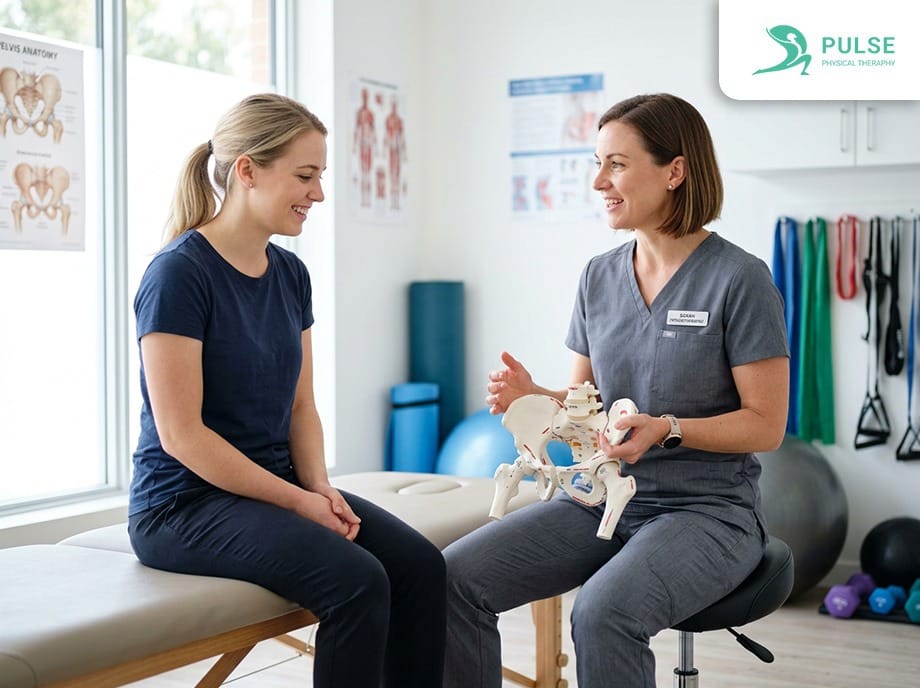
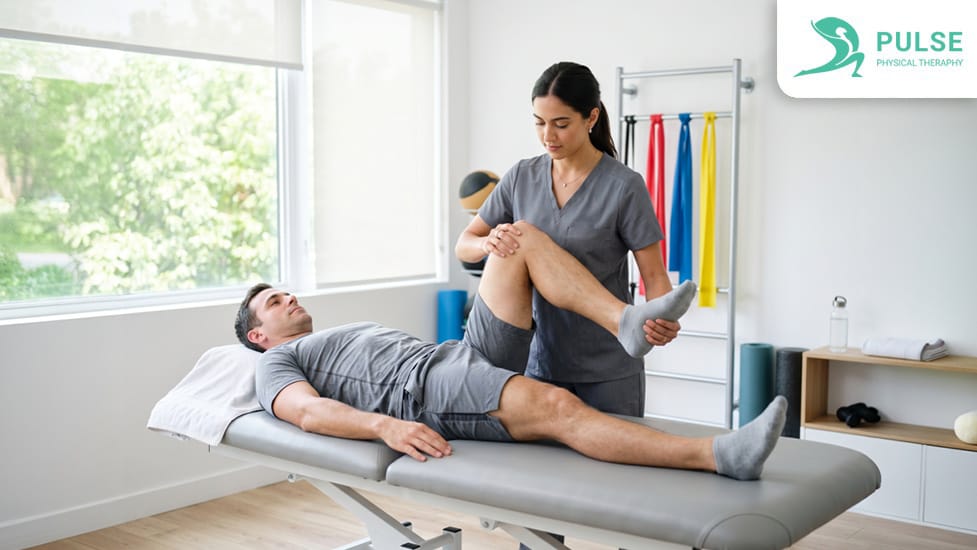
Clear guidance so you understand your path to recovery.
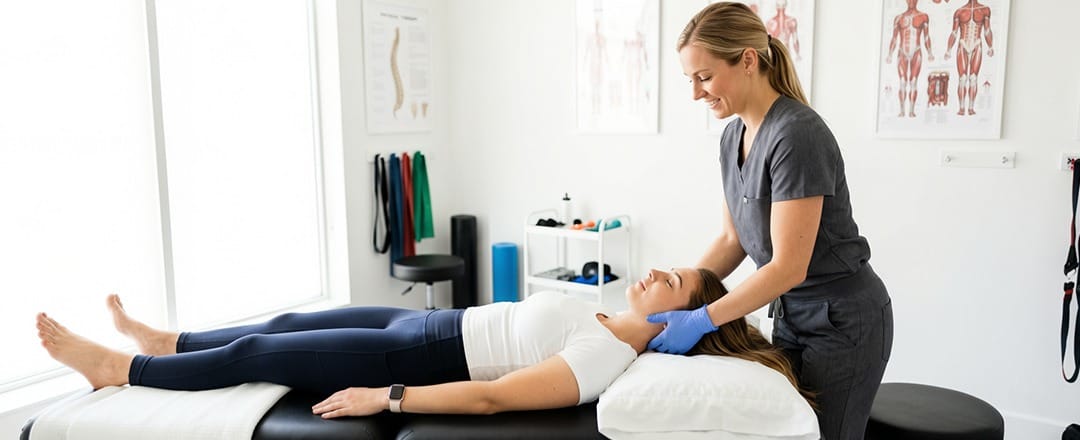
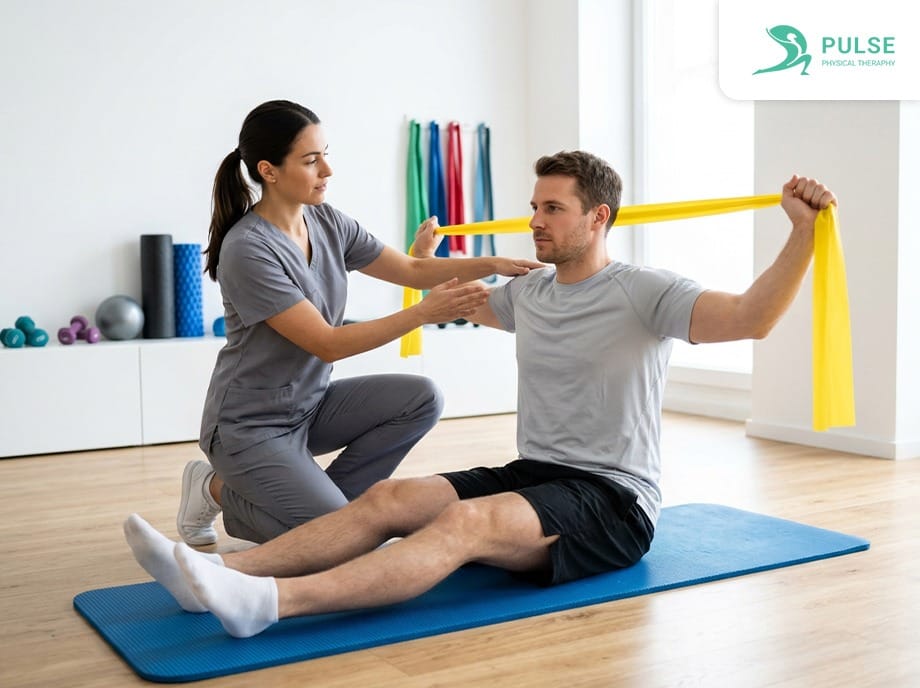
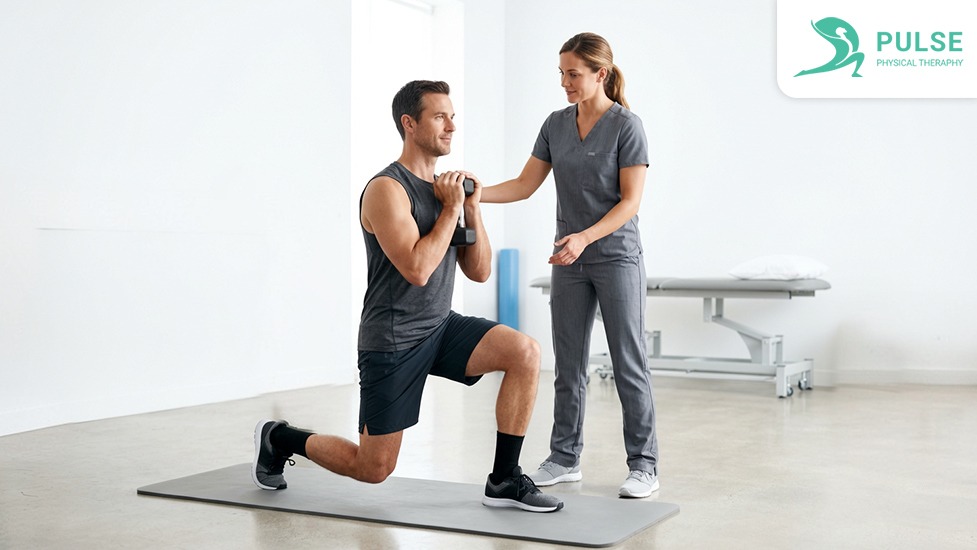
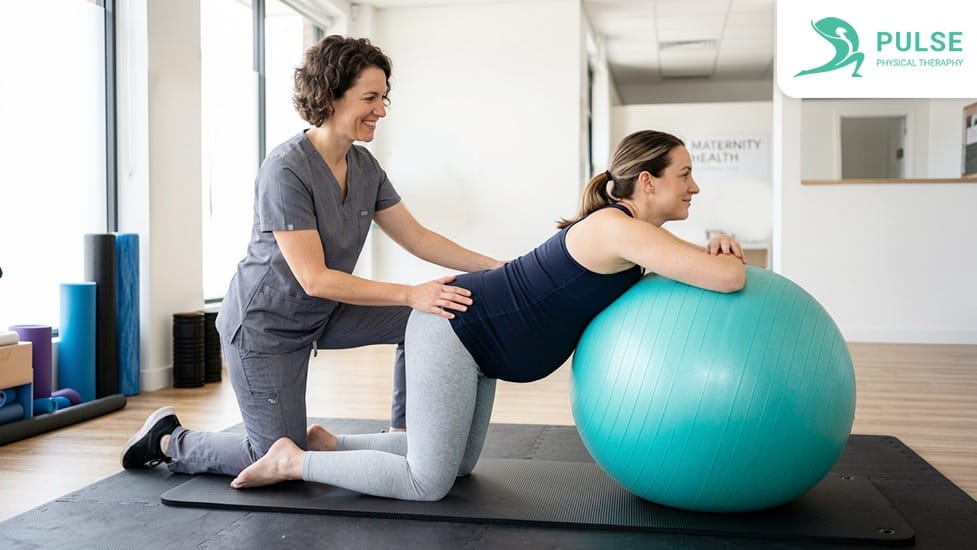
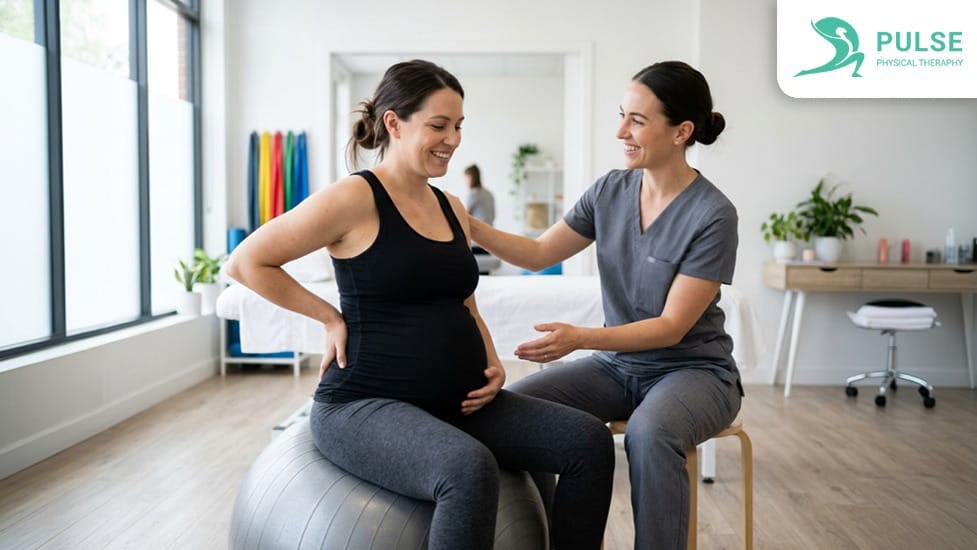
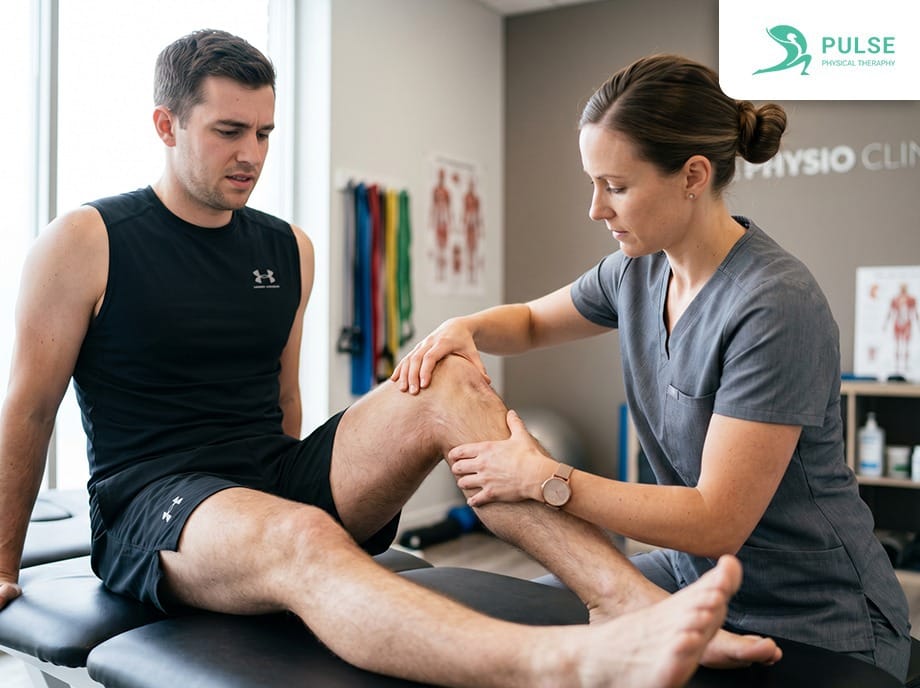
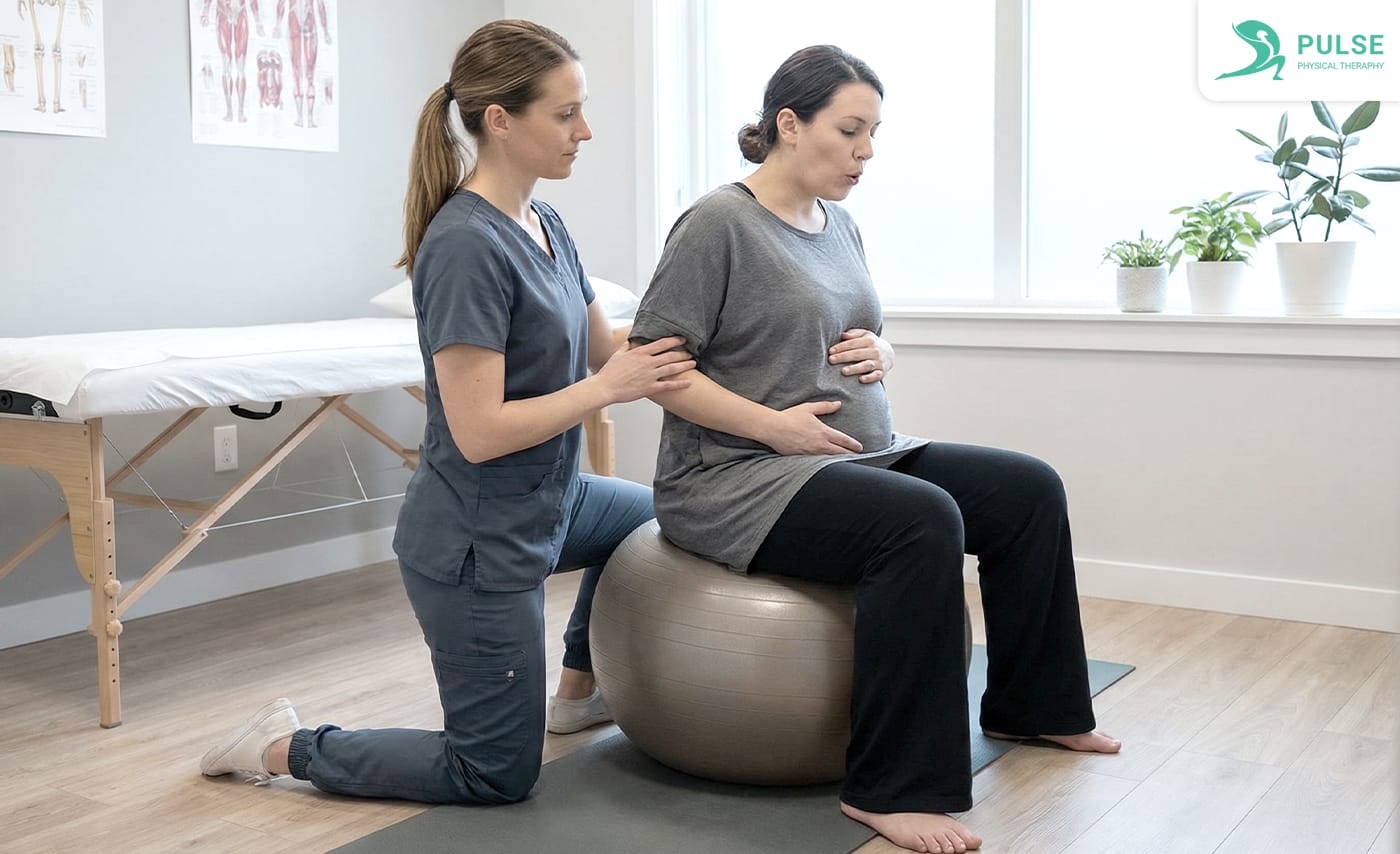
Hands-on treatment and exercises to restore strength and movement.
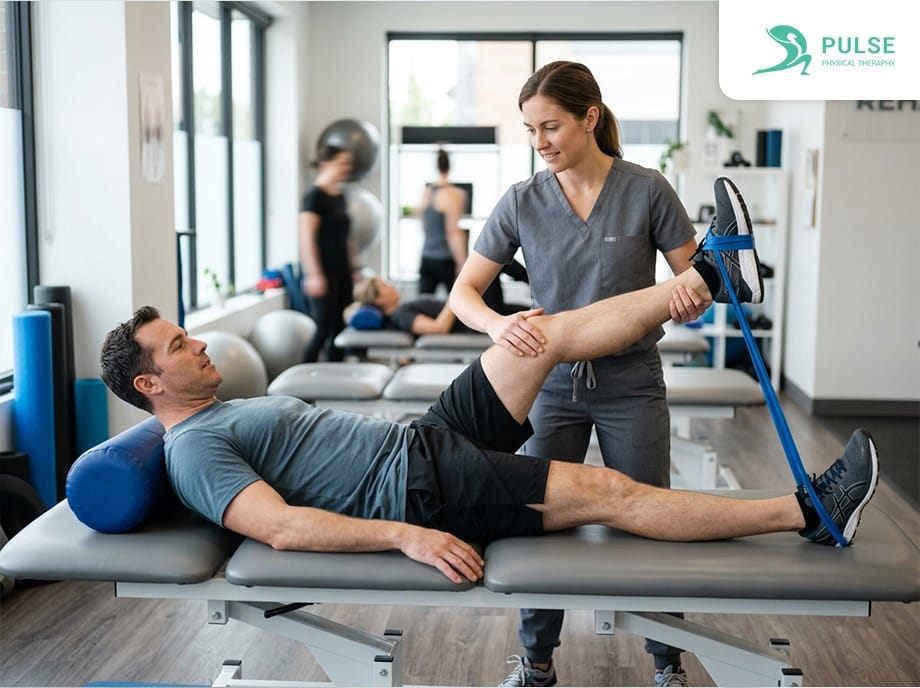
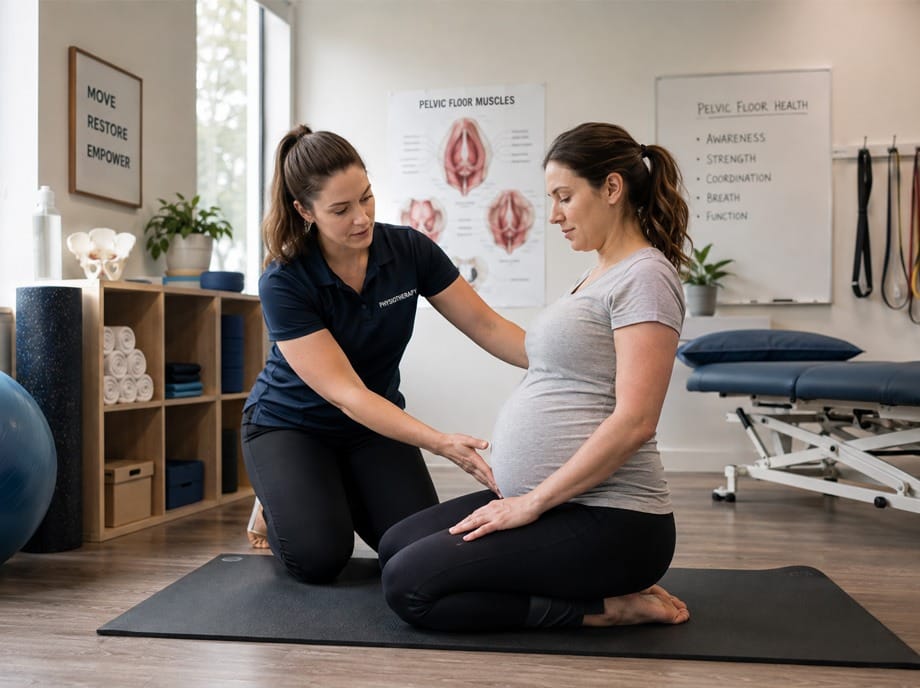
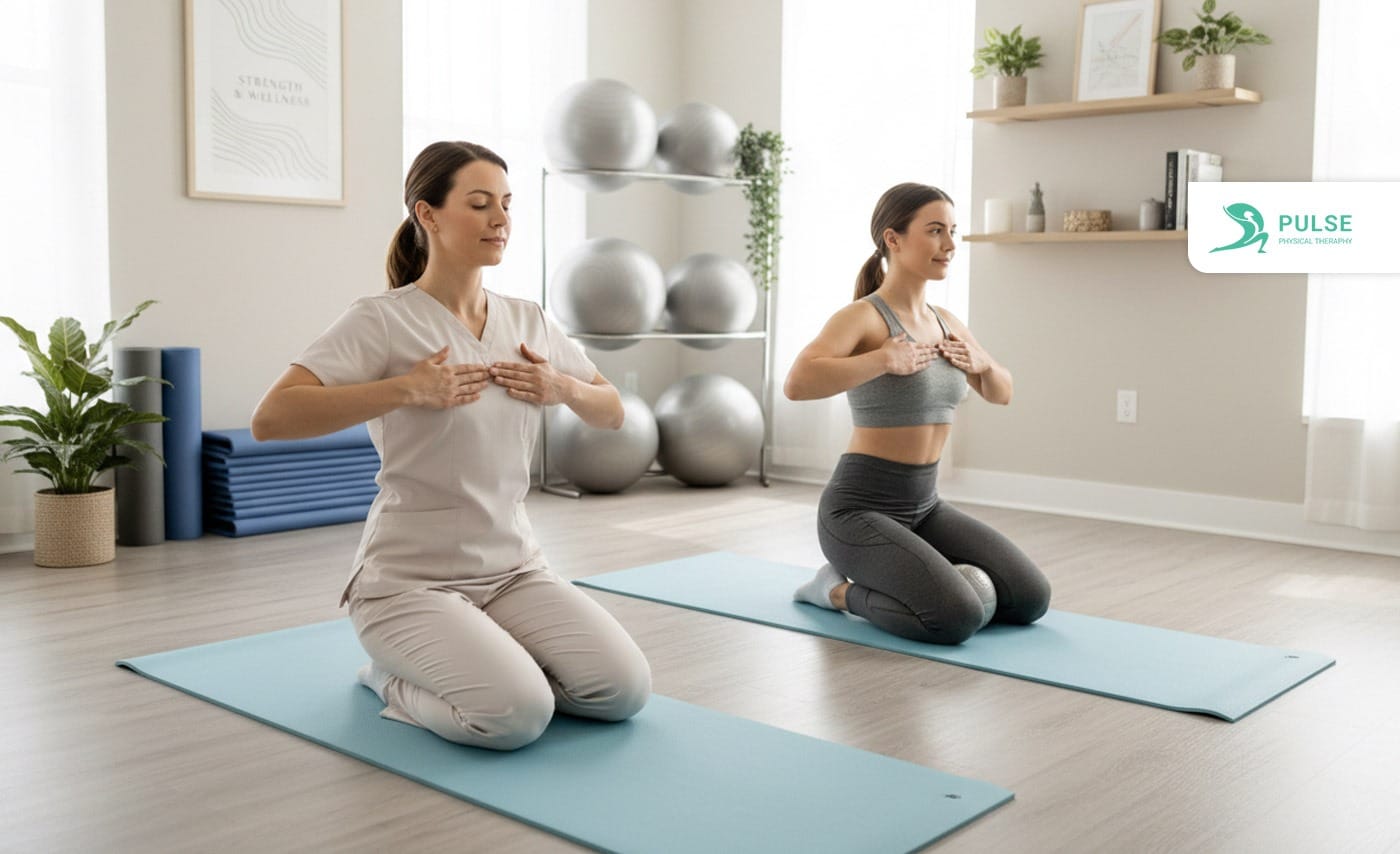
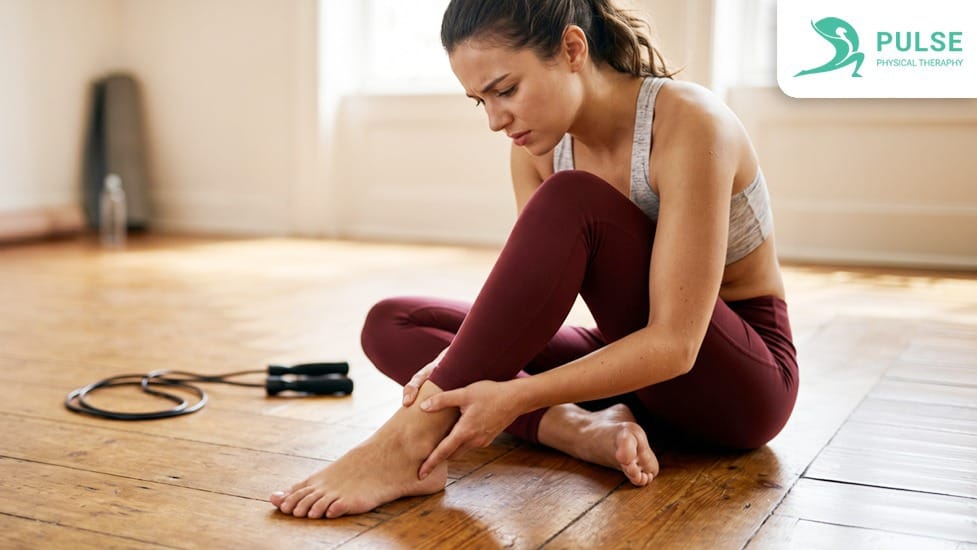
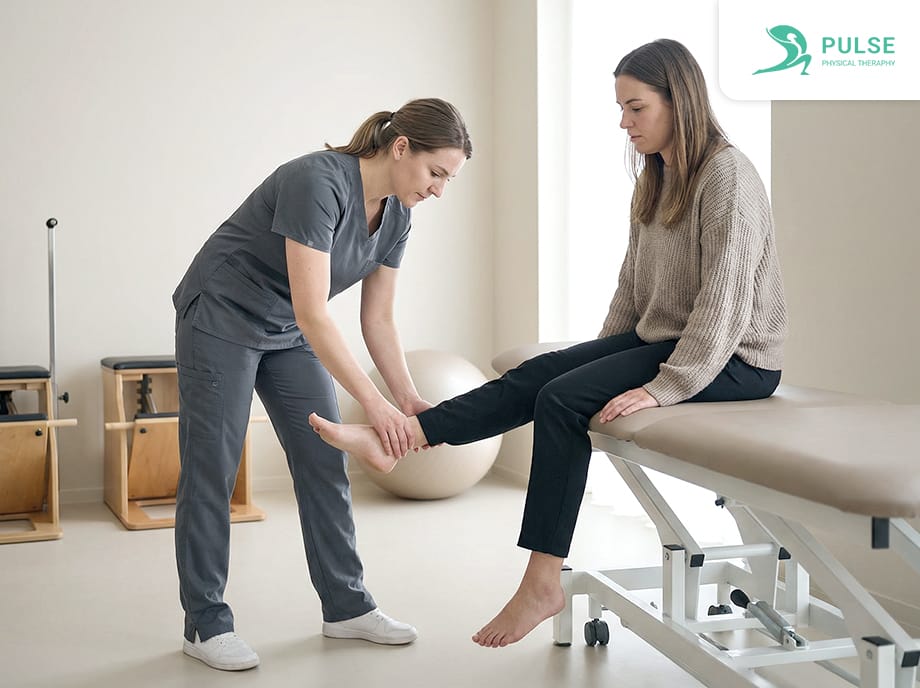
Ongoing support to track progress and prevent setbacks.
At Pulse Physical Therapy, we help patients move better, recover faster, and live pain-free. Our personalized treatment plans support everything from pain relief to performance recovery, with expert care for injury rehabilitation, chronic pain management, and improved mobility.
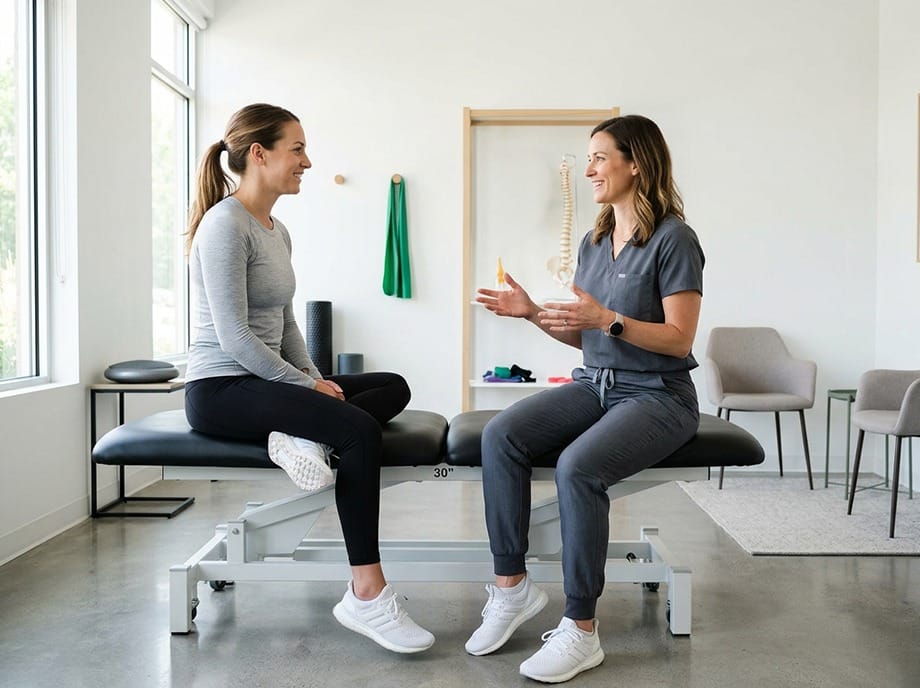
At Pulse Physical Therapy, our orthopedic rehab specialists provide expert care for a wide range of musculoskeletal conditions. Whether you are recovering from an injury, surgery, or managing chronic pain, our team delivers specialized orthopedic physical therapy tailored to your needs.
As a leading orthopedic rehab center in Hinsdale, we combine evidence-based therapy techniques, hands-on treatment, and personalized exercise programs to help you restore function, reduce pain, and improve overall quality of life. If you’re wondering “what is orthopedic physical therapy?”, it is a specialized form of rehabilitation designed to treat injuries and conditions affecting bones, joints, muscles, and connective tissue, helping patients regain strength, mobility, and independence.
Our orthopedic rehab associates are dedicated to providing comprehensive care in a supportive environment. Using advanced techniques, personalized programs, and coordinated care with physicians when needed, we help you recover safely and efficiently.
Whether you are an athlete recovering from a sports injury or someone seeking relief from chronic joint pain, our athletic and physical therapy programs are designed to restore mobility, improve strength, and prevent future injuries.
We’re excited to offer on-site physical therapy services through Pulse Physical Therapy, right here at SPF, Lincoln Park, designed specifically with pickleball players in mind.
Whether you’re dealing with a nagging shoulder, tennis elbow, knee pain, Achilles soreness, or simply want to optimize your pickleball performance, we’re here to help you move and play your best!
Services Include:
Having PT available on-site makes it easy to address issues early, recover properly, play your
best and stay on the court longer!
Common Pickleball Injuries We Treat
Let’s keep you healthy, strong, and playing pain-free!
In-network with BCBS and Medicare!
Low back pain (LBP) is a common condition that affects a significant portion of the population at some point in their lives. It can vary from a mild discomfort to a debilitating condition that affects daily activities and quality of life. Here, we will explore what low back pain is, its causes, symptoms, and potential treatments.
Treatment for low back pain aims to reduce pain, improve function, and prevent recurrence. Common treatments include:
Professionals leading your journey.
Start without delays.

Designed for your body and goals.

Real progress, real life.
Personalized care to restore movement, relieve pain, and get you back to what you love.
Experience expert physical therapy at our modern clinic in Hinsdale. We use the latest techniques and equipment to support spine care, orthopedic rehabilitation, and sports injury recovery. Our personalized treatment plans are designed to reduce pain, restore mobility, and help you return to the activities you love.

Latest Happenings & Hot Topics in the field of Physiotherapy along with updates from Pulse Physiotherapy
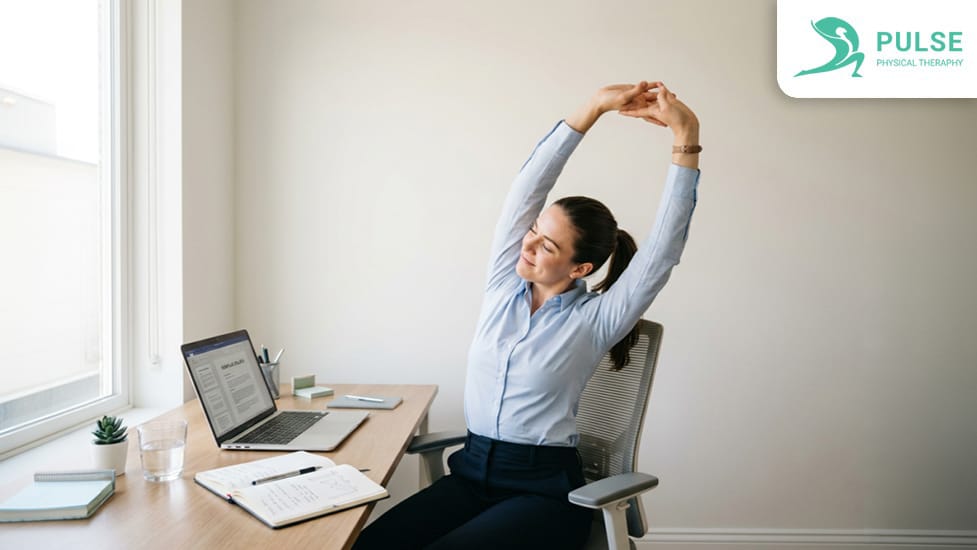
Many individuals hardly ever consider their posture until it troubles them. For example, those who sit for hours, type on laptops, or keep looking down on their phones are unknowingly changing the way their bodies are aligned. After a while, this strain on their muscles and joints becomes so unbearable that they visit a physical therapist in a Hinsdale clinic to get long-term relief.

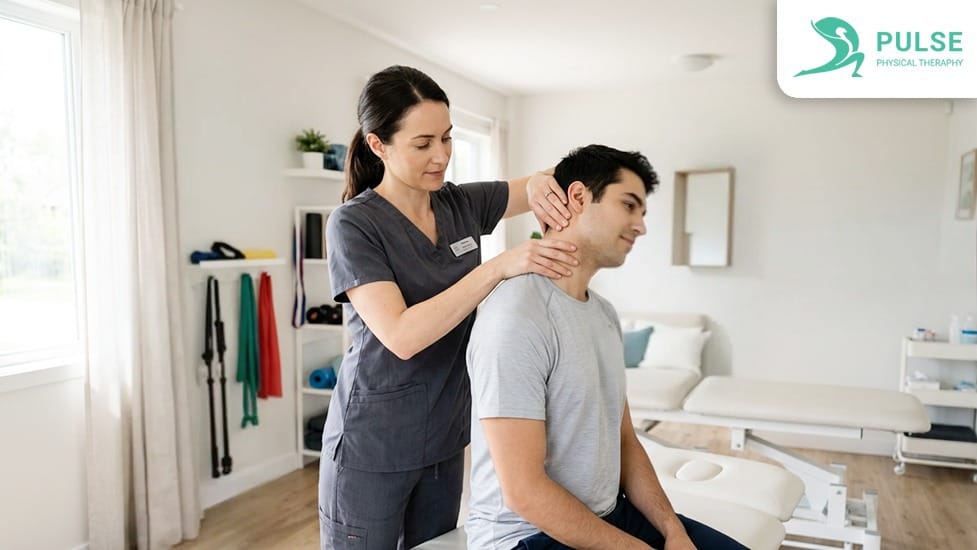
One of the telltale signs of poor posture is the constant neck and shoulder muscle tension. If you often experience tightness or immobility in this portion, mostly during the end of the day, it is most likely due to a forward head posture or slouching. This kind of overexertion is a top cause of turning to neck pain physical therapy Hinsdale for precise remedies for pain relief.
In addition, low back pain, especially when aggravated after sitting, is a pretty evident sign of poor posture. Discomfort or pain after sitting for long periods is one of the signs that your posture is putting too much pressure on your spine. Without proper care, this pain may become a long-lasting problem that needs an effective back pain treatment Hinsdale program tailored to one’s needs.
Thirdly, you might also experience stiffness or a sense of limitation when you stand up after sitting down. This kind of stiffness generally results from an improper alignment, which not only restricts your movement but also causes your muscles to become tight. It can make simple actions quite unpleasant and, most often, what people consider as “normal” is actually a sign that your posture has to get fixed. Headaches that keep coming back could be another not-so-obvious indicator.
When your head is too far ahead, it increases the load on your neck and upper back muscles. This extra stress can cause headaches that seem to have no cause, but in fact, they are related to poor posture habits.
Finally, if your one side of the body is feeling even tighter or more sore than the other side, it might be due to an uneven posture. Things like always leaning to one side, crossing your legs, or putting more weight on one shoulder can eventually lead to imbalances that cause discomfort and dolore on one side.

Strengthening core muscles starts with how you shift weight. In Hinsdale, physical therapy looks at motion patterns and fixes the causes behind slouching. It doesn’t just teach you to stand taller, it rebuilds movement through targeted work and flexibility drills.
Each session is built around your body’s real response to posture stress. Is it a joint misalignment or muscle imbalance? A personalized plan targets the actual source of discomfort. Over time, habits form that carry beyond the clinic, helping pain stay away without relying on quick fixes.
If your pain is persistent or starting to affect your daily activities, it’s a good idea to seek professional help. Many people begin by searching for a physical therapist near me, but the key is finding care that focuses on long-term improvement, not just temporary fixes. Addressing posture early can prevent more serious issues down the line.
Slow postural pain is a common type of pain that crawls on us almost unnoticed. At the beginning, it can be quite easy to dismiss. However, with time, such a pain can really affect our baseline mood and mobility. Luckily, when handled correctly, these pains are entirely under our control.
Increasing your consciousness about the way you carry yourself and working on that will help by lessening pain, making movements more comfortable, and avoiding the occurrence of new ones in the future.
Yes. Poor posture places extra stress on muscles and joints, leading to discomfort, stiffness, and even chronic pain.
It depends on the severity, but with consistent effort and guidance, many people see improvement within a few weeks.
It can be, as long as you maintain good habits and continue strengthening the right muscles.
When pain lasts for a long time, it is normal to think that a surgical operation is the only way out. But actually, there are a number of illnesses, particularly those of the joints, muscles, and the back which with the right approach, can be significantly improved.
Physical therapy plays a crucial role in such cases. Instead of relying on surgery as the first option, therapy is centered around assisting your body to recover, adjust, and perform in a better way as time goes on.
Pain is frequently just a signal that there are more serious problems underneath such as muscle imbalance, improper movement patterns or joint restrictions. Physical therapy locates and resolves these root causes.
An expert physical therapist that the Hinsdale clientele rely on for the quality of service will evaluate your body’s movement and not only the site of pain. This results in a more precisely directed as well as potent therapy.
Weak muscles on a regular basis cause more stress to the joints and tissues, that results in a higher risk of injury or tissue wear and tear. Muscle strengthening is great because it can help the body be better supported.
This also constitutes a big part of orthopedic physical therapy. In this case, specially designed workout routines are able to lower the pressure on some parts of the body that are most vulnerable like knees, back, and shoulders. In some situations, therapy leads to surgeries not being necessary anymore.
Limited movement might cause stiffness, pain, and other parts of the body compensating. Physical therapy involves guided exercises and hands-on techniques to enhance flexibility and joint mobility.
Gradually, improved movement decreases pressure and enables your body to operate more naturally – a result that surgery on its own may not always be able to provide.
Some people only think about getting physical therapy after surgery, usually as a part of post-surgery rehabilitation. However, initiating it sooner can, in some cases completely avoid the necessity for surgery.
Physical therapy helps your body heal by giving it an opportunity to recover when you address the problem early, that is, before the condition deteriorates.
The primary benefit of physical therapy, in our opinion, is learning. Through therapy, you get to know how your body is functioning, what types of movements should be avoided and also ways of living your life without pain.
In case you have ever typed “physical therapy near me”, it is likely that you were not merely in need of a remedy but rather a resort to durable solutions. Actually, therapy is the very provision of that.

Physical therapy is often effective for:
In many of these cases, consistent therapy can significantly reduce symptoms and improve function without surgical intervention.
If you’re experiencing ongoing pain, limited mobility, or recurring injuries, it’s worth exploring therapy before considering surgery.
Early intervention can make a major difference. The sooner you address the issue, the more likely you are to recover without invasive treatment.

Working with a local clinic means more personalized care, consistent follow-ups, and treatment plans tailored to your lifestyle.
A trusted physical therapy clinic in Hinsdale like Pulse Physical Therapy, focuses not just on recovery, but on helping you return to your daily activities with confidence and ease.
Surgery has its place, but it’s not always the first or only solution. With the right approach, physical therapy can help your body heal naturally, improve strength and mobility, and reduce pain, often making surgery unnecessary.
If you’re dealing with pain or limited movement, exploring physical therapy could be the step that changes everything.
In many cases, yes. For conditions like back pain, joint issues, and minor injuries, therapy can reduce pain and restore function enough to avoid surgery.
Some patients feel improvement within a few sessions, while others may need several weeks depending on the condition.
Yes, it is a non-invasive and low-risk treatment approach guided by trained professionals.
If you’re experiencing back pain that won’t go away along with a stiff neck and recurring headaches, you’re not alone. These symptoms often occur together and may indicate underlying issues that go beyond simple muscle strain.
Many patients visiting Pulse Physical Therapy Clinic in Hinsdale, IL report this exact combination – persistent discomfort that affects productivity, sleep, and overall quality of life. The good news? With the right diagnosis and treatment plan, relief is possible.
The spine is a connected system, meaning dysfunction in one area can impact another.
This interconnectedness is why treating only one symptom often doesn’t solve the problem.
Long hours at a desk or using mobile devices can lead to forward head posture, putting excessive strain on the neck and upper back.
This is one of the most common causes seen in professionals and students.
Weak core muscles force the spine to compensate, leading to chronic stress in the back and neck. Over time, this can trigger headaches and stiffness.
These are headaches that originate from the neck.
Symptoms include:
Disc issues in the cervical or lumbar spine can irritate nerves, causing pain that radiates to the head or shoulders.
Emotional stress often manifests physically as tight neck and shoulder muscles, leading to tension headaches and chronic discomfort.

While occasional discomfort is normal, persistent symptoms may indicate a more serious issue. Seek professional care if you experience:
At Pulse Physical Therapy Clinic, treatment focuses on identifying the root cause rather than masking symptoms.
A licensed physical therapist evaluates posture, mobility, muscle strength, and spinal alignment to create a personalized treatment plan.
Hands-on therapy helps:
Customized exercises strengthen weak muscles and restore balance, reducing long-term recurrence.
Patients learn how to sit, stand, and move correctly – especially important for desk workers.
Physical therapy offers a drug-free, non-invasive solution to chronic pain.
While professional treatment is essential, these steps can support recovery:

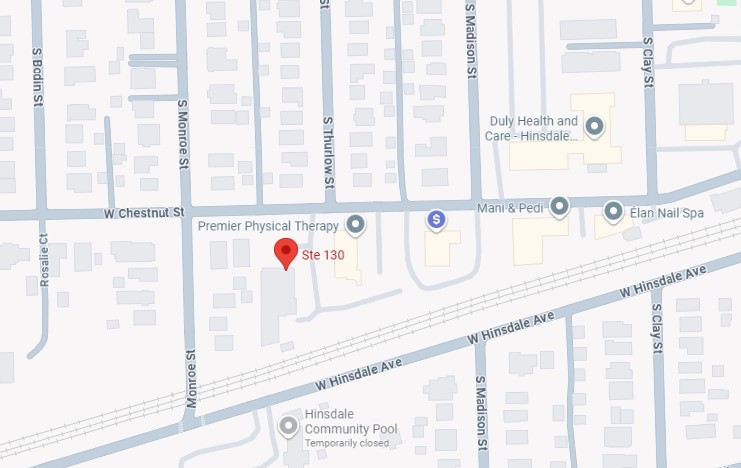
Located at 522 W Chestnut Street, Suite GC, Hinsdale, IL, Pulse Physical Therapy Clinic is dedicated to helping patients recover through personalized, evidence-based care.
Patients benefit from:
Persistent back pain, neck stiffness, and headaches are your body’s way of signaling that something isn’t right. Ignoring these symptoms can lead to long-term complications.
With the right approach – combining expert diagnosis, physical therapy, and lifestyle changes – you can regain mobility, reduce pain, and improve your quality of life.
If you’re tired of dealing with ongoing discomfort, it’s time to take action.
Contact Pulse Physical Therapy Clinic today to schedule a consultation and start your journey toward pain-free living.
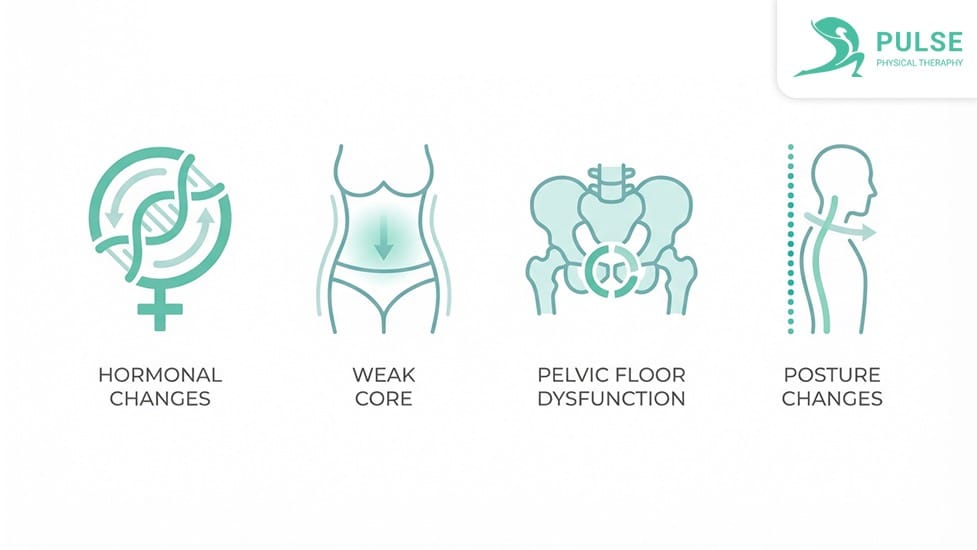
After childbirth, many women are told one simple thing: “Just do Kegels.” While Kegel exercises can be beneficial, they’re often not enough to address postpartum back pain.
If you’re still experiencing discomfort weeks or even months after delivery, it’s not because you’re not trying hard enough – it’s because postpartum recovery is more complex than isolated pelvic floor exercises.
At Pulse Physical Therapy Clinic in Hinsdale, IL, we frequently see patients frustrated by lingering pain despite diligently doing Kegels. Let’s explore why this happens – and what actually works.
Pregnancy and childbirth place significant stress on the body, especially the spine, pelvis, and core muscles.
Common causes of postpartum back pain include:
These changes don’t just affect one muscle group – they impact your entire core system.
Kegels target only the pelvic floor muscles, but your core is a team of muscles that includes:
If one part is weak or not functioning properly, the entire system becomes imbalanced – leading to pain.
Many women unknowingly perform Kegels with improper technique, which can:
In some cases, the pelvic floor may actually be too tight, not weak.
A common postpartum condition, diastasis recti (abdominal separation), weakens the core and affects spinal stability.
Kegels don’t address this issue directly, which means back pain can persist even with consistent effort.
New moms often adopt postures that strain the back, such as:
Without correcting these habits, pain continues regardless of exercise.
Kegels are isolated exercises, but real-life movements require functional strength and coordination.
Without integrating full-body movements, your body doesn’t relearn how to move safely and efficiently.

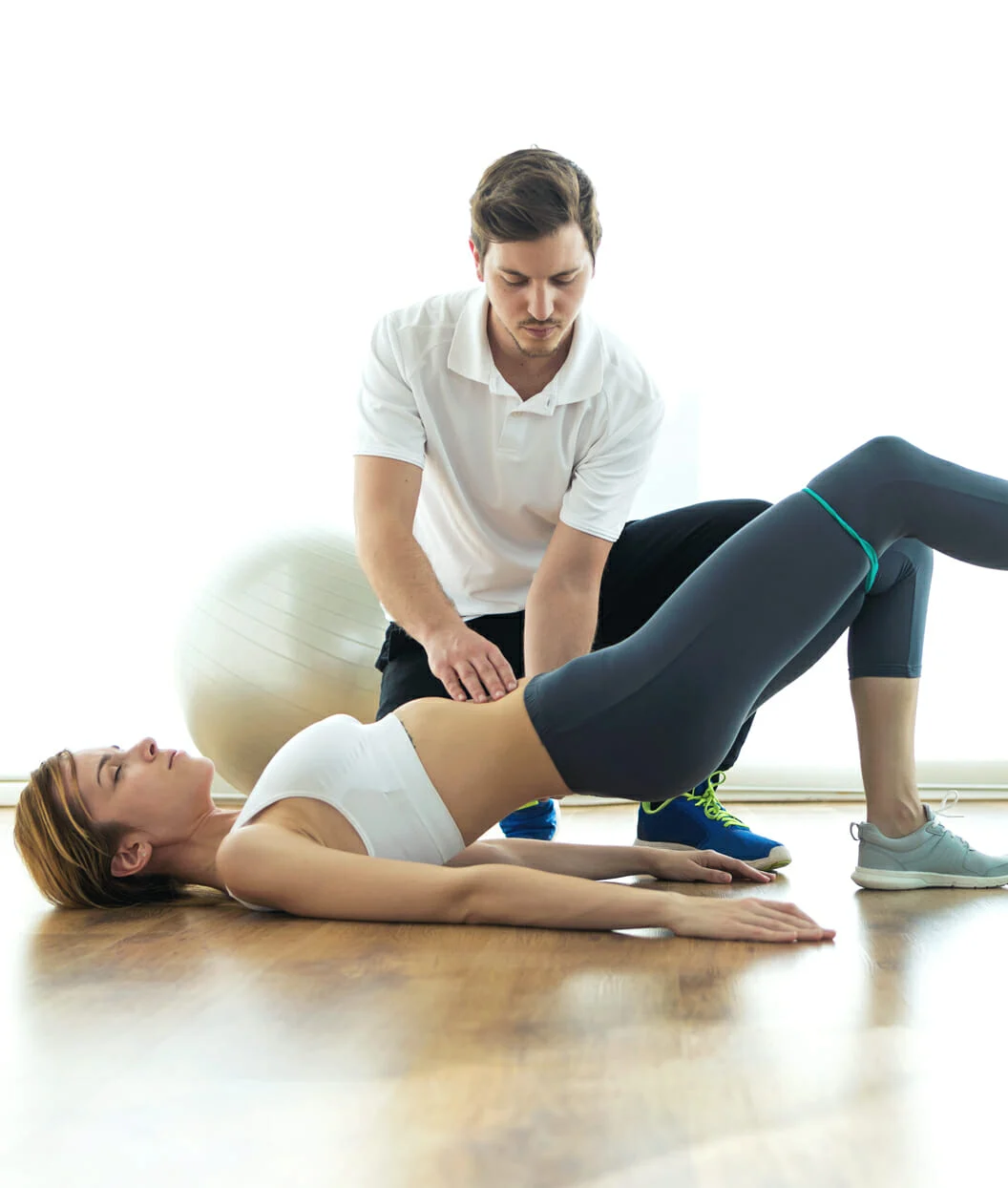
A proper recovery plan focuses on rebuilding the entire core, not just the pelvic floor.
This includes:
Not all pelvic floors need strengthening – some need relaxation and coordination training.
A physical therapist can assess whether your muscles are:
Targeted exercises help close the abdominal gap and restore stability, reducing strain on the back.
Learning how to:
…can significantly reduce daily strain.
Hands-on treatment can relieve muscle tension, improve joint mobility, and accelerate recovery.
You should consider physical therapy if:
Early intervention can prevent long-term complications.

At Pulse Physical Therapy Clinic, we specialize in postpartum recovery and women’s health rehabilitation.
Located at 522 W Chestnut Street, Suite GC, Hinsdale, IL, our clinic offers:
We help new mothers regain strength, reduce pain, and return to their daily lives with confidence.
Kegels are just one piece of the puzzle. If you’re dealing with postpartum back pain, it’s time to look at the bigger picture – your entire core, posture, and movement patterns.
With the right guidance and a comprehensive treatment plan, you can achieve lasting relief and full recovery.
How Physical Therapy in Hinsdale Can Help Manage Pain and Improve Quality of Life
Endometriosis is a chronic condition that affects millions of women worldwide and can significantly impact daily life. Many people living with this condition experience persistent pelvic pain, painful menstrual cycles, fatigue, and digestive issues. While medical treatments such as medication or surgery are commonly recommended, many patients are discovering the benefits of physical therapy as a complementary treatment option.
Let’s understand and explore how physical therapy helps people living with endometriosis, what treatment looks like, and why more patients are seeking pelvic health physical therapy to regain control over their lives.
For residents of Hinsdale and nearby communities, specialized care at clinics like Pulse Physical Therapy Clinic can help manage symptoms and improve overall well-being.
Endometriosis occurs when tissue similar to the lining of the uterus grows outside the uterus. These growths can appear on the ovaries, fallopian tubes, pelvic lining, and other organs.
According to the World Health Organization, endometriosis affects roughly 10% of women and girls of reproductive age worldwide.
Because the tissue behaves like uterine lining, it thickens and bleeds during menstrual cycles. However, unlike normal menstrual blood, the tissue cannot exit the body easily, which leads to inflammation, scar tissue, and severe pain.
Symptoms can vary widely from person to person, but many individuals experience:
These symptoms often affect daily activities, work productivity, and mental health.

Endometriosis pain is not only caused by the abnormal tissue growth itself. Over time, the body develops secondary musculoskeletal problems, including:
This is where pelvic health physical therapy can make a significant difference.
Physical therapy focuses on improving movement, reducing pain, and restoring muscle balance. For people living with endometriosis, therapy targets the pelvic floor, abdominal muscles, lower back, and surrounding connective tissue.
Specialized treatment at clinics like Pulse Physical Therapy Clinic can help reduce symptoms and improve overall quality of life.
Below are some of the most effective ways physical therapy supports endometriosis management.
Many individuals with endometriosis develop tight or overactive pelvic floor muscles due to chronic pain and inflammation.
Pelvic floor physical therapy helps by:
Manual therapy techniques and targeted exercises can gradually restore normal muscle function.
Endometriosis often causes scar tissue and adhesions in the pelvic region.
These adhesions can restrict movement between organs and surrounding tissues, leading to discomfort and limited mobility.
Physical therapists use techniques such as:
These approaches help improve tissue flexibility and reduce pressure on nerves and organs.
Chronic pelvic pain often causes individuals to change their posture unconsciously. Over time, this can create imbalances in the core muscles, hips, and lower back.
A physical therapy program may include exercises to:
These improvements can significantly decrease long-term discomfort.
Movement plays a crucial role in reducing chronic pain. Physical therapists guide patients through exercises that are safe and effective for people living with endometriosis.
Therapeutic movement may include:
Over time, these exercises help retrain the nervous system and reduce pain sensitivity.
Chronic pain conditions like endometriosis often affect the nervous system, causing heightened sensitivity to pain.
Physical therapy may include techniques such as:
These approaches help calm the nervous system and improve pain tolerance.

When visiting a pelvic health specialist at Pulse Physical Therapy Clinic, treatment typically begins with a detailed evaluation.
This may include:
Based on the assessment, the therapist develops a personalized treatment plan tailored to your specific symptoms and goals.
Patients who incorporate physical therapy into their treatment plan often experience several benefits.
Targeted therapy can decrease muscle tension and nerve irritation.
Restoring normal movement patterns helps reduce stiffness and discomfort.
Strengthening the core muscles supports the pelvis and spine.
Patients can return to work, exercise, and normal activities with less pain.
Managing symptoms effectively allows individuals to feel more in control of their health.
Accessing specialized care close to home makes it easier to stay consistent with treatment. Patients in the western suburbs of Chicago often choose local clinics like Pulse Physical Therapy Clinic because of their focus on personalized, patient-centered therapy.
Working with an experienced physical therapist who understands pelvic health conditions ensures a safe and supportive environment for recovery.
In addition to physical therapy, certain lifestyle adjustments can help manage symptoms.
Gentle activities such as walking, yoga, or stretching can reduce stiffness and improve circulation.
Proper posture helps reduce strain on the pelvis and lower back.
Mindfulness and breathing exercises can help regulate pain responses.
Physical therapy works best when combined with guidance from healthcare providers.
You may benefit from pelvic health physical therapy if you experience:
Early intervention can prevent symptoms from becoming more severe over time.
Living with endometriosis can be challenging, but you don’t have to manage the condition alone. With the right support and treatment approach, it is possible to reduce pain and improve daily function.
Specialized pelvic health programs at Pulse Physical Therapy Clinic focus on helping patients regain comfort, mobility, and confidence in their bodies.
If you are experiencing symptoms of endometriosis, consulting a qualified physical therapist can be an important step toward long-term relief.
Dancing demands strength, flexibility, control, and endurance – often all at once. Whether you train in ballet, contemporary, jazz, hip-hop, or ballroom, your body becomes both the instrument and the athlete. Unfortunately, that also means injuries are common.
At Pulse Physical Therapy, Hinsdale, IL, we specialize in helping dancers recover safely, rebuild strength, and return to performance with confidence. If you’re searching for physical therapy for dancers in Hinsdale or dance injury treatment near me, this guide explains how expert rehabilitation supports dancers from ankles to hips – and beyond.
Dancers are unique athletes. Unlike many sports, dance combines:
These demands create stress on the lower extremities – particularly the ankles, knees, and hips. Overuse, technique imbalances, and inadequate recovery often lead to injury.

At Pulse Physical Therapy, we frequently evaluate and treat:
Ankles are the foundation of every jump and turn. Instability here can create a chain reaction throughout the body.
Poor landing mechanics or hip weakness often contribute to knee pain.
Turnout demands and repetitive extensions place high stress on the hip joint.
In dance rehabilitation, we don’t just treat the painful area. We assess the entire kinetic chain — how the ankle, knee, hip, pelvis, and core work together.
For example:
At Pulse Physical Therapy in Hinsdale, our licensed physical therapists perform comprehensive movement analysis to identify the root cause – not just the symptom.

We conduct a detailed evaluation including:
This ensures your rehabilitation is personalized and evidence-based.
We use advanced, research-backed interventions such as:
Our goal isn’t just pain relief – it’s restoring full dance function.
Dancers often have exceptional flexibility but lack stabilizing strength. We focus on:
These exercises protect joints and improve control during jumps and turns.
Improper turnout compensation (often from the foot or knee rather than the hip) can increase injury risk. Through video analysis and guided training, we:
This reduces re-injury risk and enhances performance longevity.
Returning too soon is one of the biggest causes of recurring injury. At Pulse Physical Therapy in Hinsdale, IL, we design structured return-to-dance programs that include:
We coordinate with dance instructors when needed to ensure a safe transition back to rehearsals and performances.
Dancers require specialized care – not generic rehab.
At Pulse Physical Therapy, we provide:
If you’re a dancer in Hinsdale, Clarendon Hills, Oak Brook, or nearby communities, our clinic offers convenient access to expert dance injury rehabilitation.
Injury prevention is just as important as treatment. We guide dancers through:
Our goal is long-term resilience – not short-term fixes.
Seek evaluation if you experience:
Early intervention reduces downtime and prevents chronic issues.
Whether you’re a pre-professional dancer, competitive student, or recreational performer, expert care makes all the difference.
At Pulse Physical Therapy in Hinsdale, IL, we help dancers move better, recover smarter, and return stronger – from ankles to hips.
Contact Pulse Physical Therapy in Hinsdale, IL to schedule a comprehensive dance injury assessment and personalized rehabilitation plan.
Your performance matters. Your recovery should be just as precise.
Sacroiliac (SI) joint pain is a common yet often misunderstood source of lower back and hip discomfort. Many people in Hinsdale, IL and surrounding areas experience persistent pain without realizing the SI joint may be the root cause. This article explains what SI joint pain is, why it occurs, how to recognize it, and the most effective treatment options available locally.

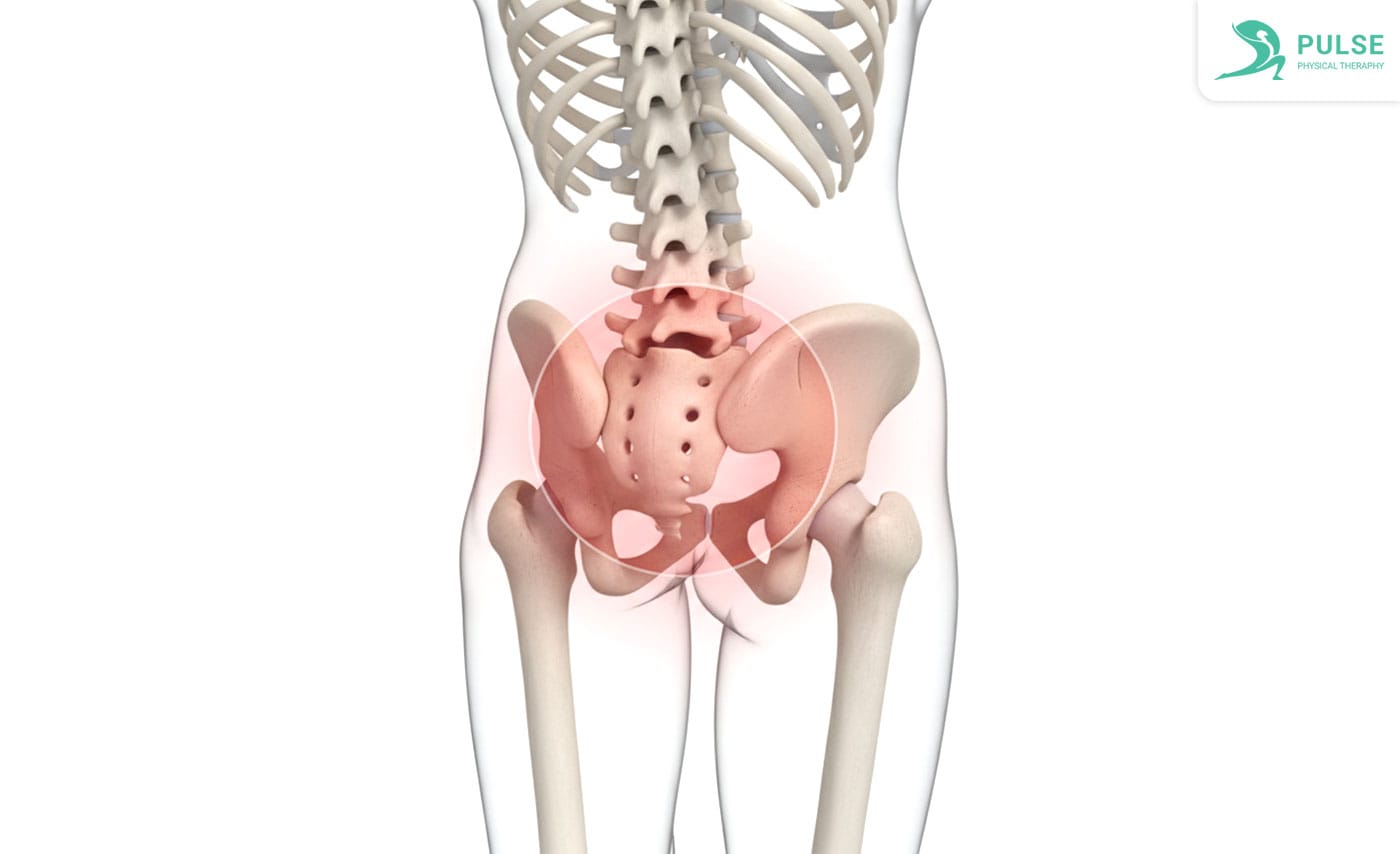
The sacroiliac joints are two strong joints located where the sacrum (base of the spine) meets the pelvis. These joints play a crucial role in:
When the SI joint becomes inflamed, irritated, or moves improperly, it can lead to SI joint dysfunction, causing pain and reduced mobility.
SI joint pain can affect people of all ages and activity levels. Common causes include:
Hormonal changes and altered biomechanics during pregnancy can increase SI joint stress, making postpartum SI joint pain common.
Uneven movement patterns can place excessive stress on one SI joint.

SI joint pain often mimics other conditions, such as disc issues or sciatica. Common symptoms include:
If you’re-experiencing these symptoms in Hinsdale or nearby suburbs, a proper assessment is essential for accurate diagnosis. Pulse Physical Therapy is serving Hinsdale, IL and nearby communities.

Diagnosis typically involves:
Advanced imaging may be used in some cases, but a skilled physical examination often provides the clearest insights.
For most patients, conservative care offers excellent outcomes without surgery.
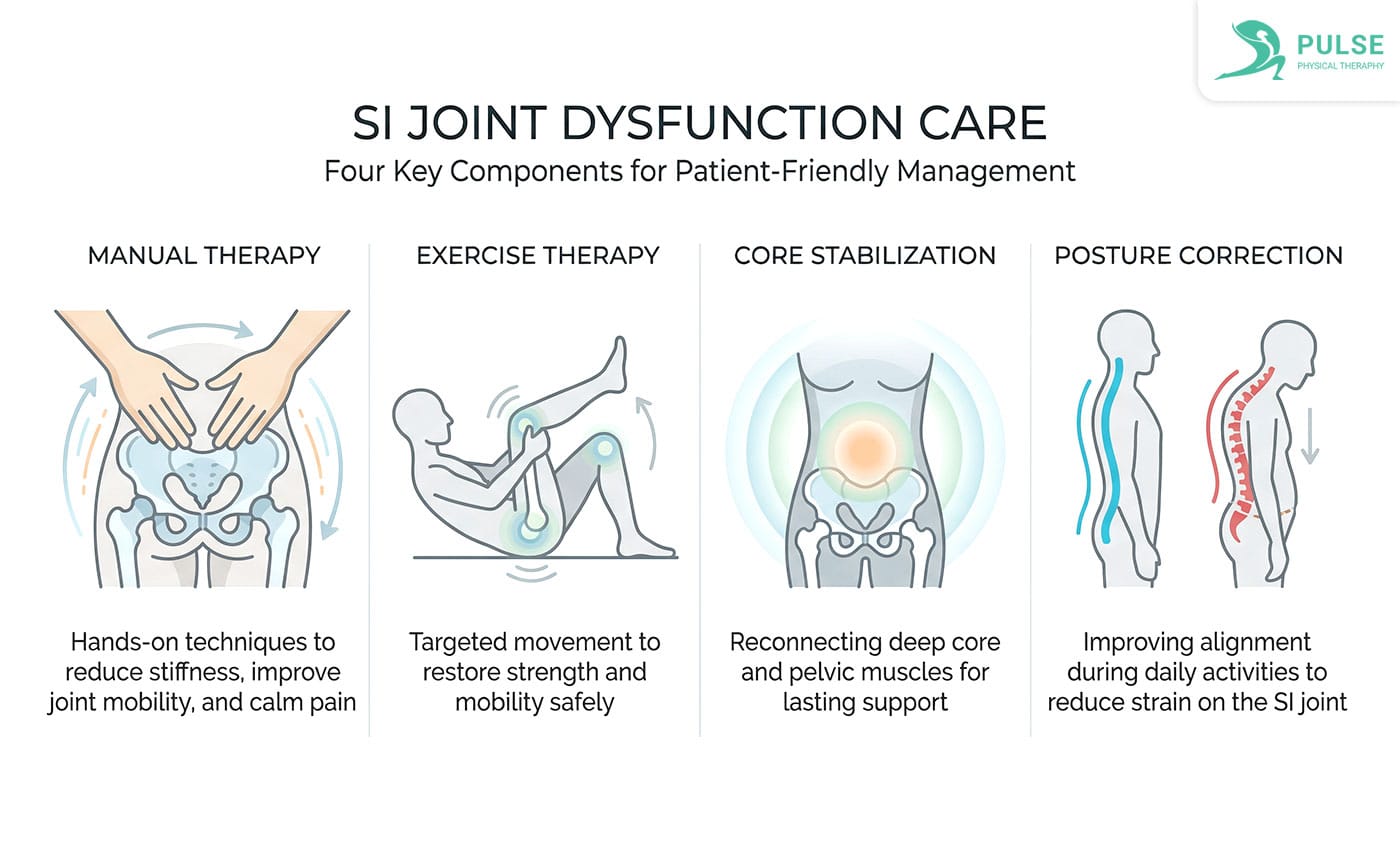
Targeted physical therapy is one of the most effective treatments for SI joint pain. Treatment may include:
Learning how to move, lift, and sit correctly can significantly reduce strain on the SI joint.
In some cases, a pelvic or SI belt may help stabilize the joint during healing.
If conservative care does not provide sufficient relief, additional options may include:
Surgery is rarely required and typically considered only after all other options are exhausted.
Left untreated, SI joint dysfunction can become chronic and may lead to:
Early intervention helps restore normal movement and prevent long-term complications.
If you’re searching for SI joint pain treatment near Hinsdale, IL, expert care is available locally at: 522 W Chestnut Street, Suite GC, Hinsdale, IL 60521
A personalized treatment approach focuses on identifying the root cause of your pain and creating a plan tailored to your lifestyle, work demands, and activity goals.
You should consider professional evaluation if:
Early assessment can shorten recovery time and improve outcomes.
SI joint pain doesn’t have to limit your life. With proper diagnosis and targeted treatment, most people experience significant relief and return to normal activity.
If you’re in Hinsdale, IL or nearby communities, professional care is conveniently available to help you move comfortably and confidently again.
Disclaimer: This article is intended for educational purposes and should not replace medical advice. Always consult a licensed healthcare professional for diagnosis and treatment.
Specialized Care for Pregnancy at Pulse Physical Therapy Clinic, Hinsdale
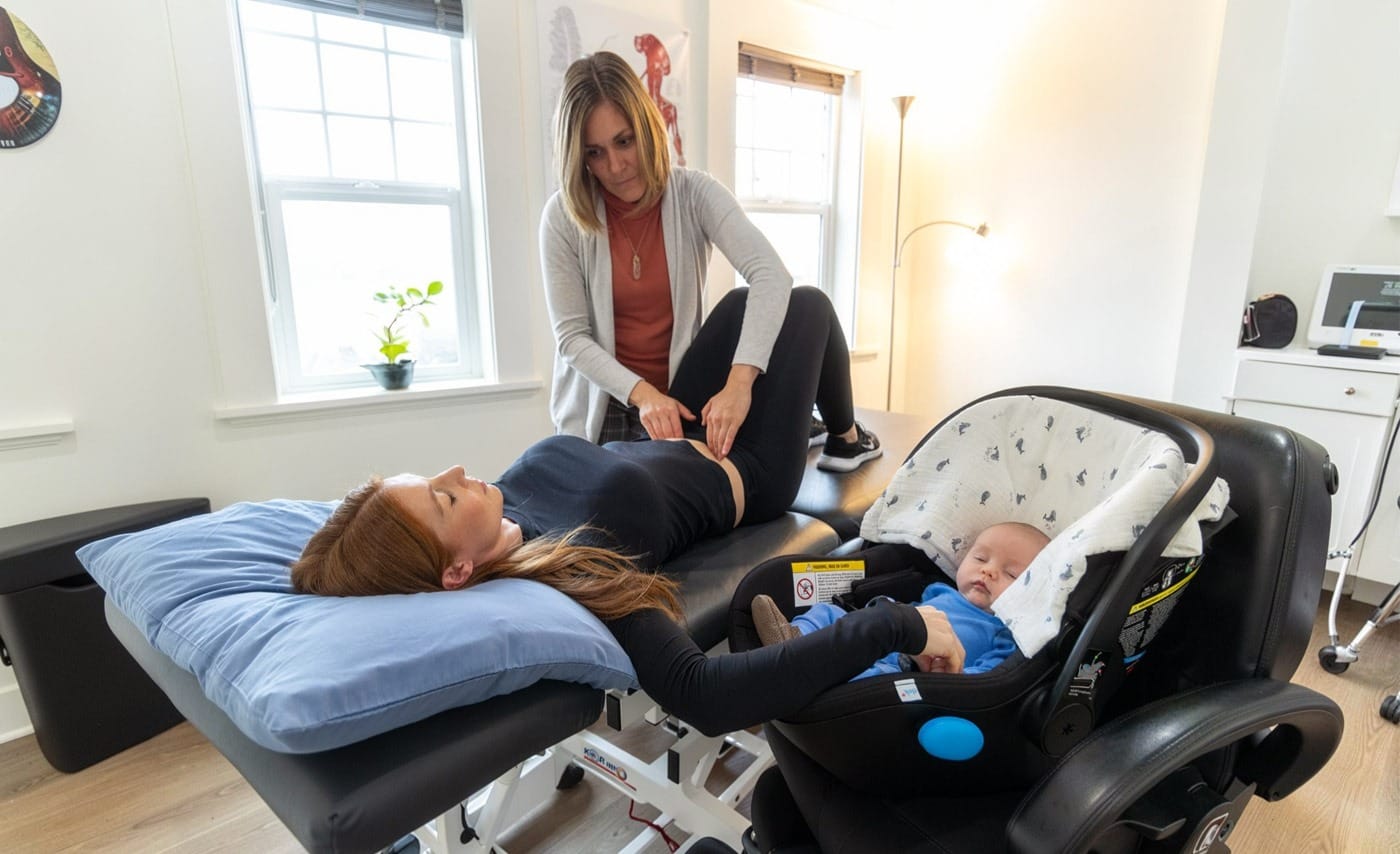
Pelvic floor health plays a crucial role in core strength, bladder control, pregnancy, and postpartum recovery – yet it’s often overlooked. Whether you’re pregnant, recently had a baby, or experiencing pelvic pain or incontinence, pelvic floor therapy near you in Hinsdale can make a life-changing difference.
At Pulse Physical Therapy Clinic in Hinsdale, our licensed physical therapists provide personalized therapy to help patients restore function, reduce pain, and improve overall quality of life.
Pelvic floor therapy is a specialized form of physical therapy focused on strengthening, relaxing, and coordinating the muscles that support the bladder, bowel, uterus, and core. These muscles are essential for:
Bladder and bowel control
Sexual health
Core stability
Pregnancy and childbirth support
Postpartum recovery
When the pelvic floor is weak, tight, or dysfunctional, it can lead to discomfort and daily limitations. Pelvic floor physical therapy addresses these issues safely and effectively.
Pelvic floor therapy is beneficial for both women and men, and is especially helpful if you’re experiencing:
Urinary or bowel incontinence
Pelvic pain or pressure
Pain during pregnancy
Diastasis recti (abdominal separation)
Pain during or after intercourse
Lower back or hip pain
Postpartum weakness or discomfort
If you’ve been searching for “pelvic floor therapy near me” in Hinsdale, Pulse Physical Therapy Clinic offers expert, one-on-one care tailored to your needs.

Pregnancy places significant stress on the pelvic floor due to hormonal changes, weight gain, and postural shifts. Many women experience symptoms such as pelvic pain, bladder leakage, or heaviness – but these are not something you have to live with.
Pelvic floor physical therapy during pregnancy can help:
Reduce pelvic, hip, and lower back pain
Improve bladder control and prevent leakage
Prepare pelvic muscles for labor and delivery
Reduce the risk of tearing during childbirth
Support posture and core strength
Improve breathing and relaxation techniques
At Pulse Physical Therapy Clinic in Hinsdale, our therapists use pregnancy-safe techniques to support you through every trimester.
After delivery, pelvic floor therapy helps restore muscle strength and coordination, addresses pain, and supports safe return to daily activities and exercise. Early care can prevent long-term complications and promote faster recovery.
When you visit Pulse Physical Therapy Clinic near you in Hinsdale, your pelvic floor therapy program may include:
Comprehensive pelvic floor evaluation
Gentle manual therapy
Core and pelvic strengthening exercises
Breathing and relaxation techniques
Education on posture and daily movement
Personalized home exercise program
Our goal is to help you feel confident, supported, and comfortable throughout your care.
Licensed, experienced physical therapists
One-on-one, personalized care
Pregnancy-safe and evidence-based treatments
Convenient Hinsdale location
Trusted local physical therapy clinic
If you’re searching for a physical therapist near me who specializes in pelvic floor therapy, Pulse Physical Therapy Clinic is here to help.
Don’t wait to address pelvic floor concerns – early treatment leads to better outcomes. Whether you’re pregnant, postpartum, or experiencing pelvic discomfort, expert help is close by.
Ankle pain and instability are common problems that affect people of all ages – from athletes and runners to office workers and seniors. Whether caused by a sudden injury or long-term overuse, untreated ankle issues can interfere with walking, balance, and daily activities.
If you’re searching for “ankle pain treatment near me” or “physical therapy for ankle instability in Hinsdale,”specialized physical therapy can help you recover safely and prevent future injuries.
In this guide, we’ll cover:
Ankle pain refers to discomfort, stiffness, or swelling around the ankle joint, while ankle instability is the feeling that your ankle may “give way,” especially on uneven surfaces or during activity.
Chronic ankle instability often develops after repeated ankle sprains that don’t heal properly.
The most frequent cause, especially lateral (outer) ankle sprains, resulting from sudden twisting or rolling of the foot.
Imbalances in the calf, peroneal, or tibialis muscles can reduce ankle support and control.
Conditions such as:
Tight muscle knots (trigger points) in the calf or foot muscles can refer pain to the ankle and limit mobility.
Osteoarthritis or post-traumatic arthritis can cause chronic ankle stiffness and pain.
After injury, the body’s ability to sense joint position may be reduced, increasing the risk of re-injury.
Ignoring these symptoms may lead to long-term joint damage.

Physical therapy is one of the most effective, non-surgical treatments for ankle problems. A customized therapy plan may include:
Advanced techniques like Trigger Point Dry Needling and FIMS can further enhance recovery.
Trigger Point Dry Needling involves inserting thin, sterile needles into tight muscle knots (trigger points) to relieve pain and restore normal muscle function.
Dry needling is particularly effective for:
Many patients experience noticeable relief within a few sessions.
FIMS is an advanced form of dry needling that combines precise needle placement with gentle electrical stimulation to activate muscles and nerves.
FIMS helps by:
It is especially effective for patients with recurrent ankle sprains and long-standing instability.
| Feature | Dry Needling | FIMS |
|---|---|---|
| Focus | Muscle trigger points | Muscle & nerve activation |
| Electrical Stimulation | No | Yes |
| Best For | Pain & tightness | Weakness & instability |
| Results | Pain relief | Strength + control |
Many physical therapists combine both techniques for optimal results.
| Treatment | Best For |
|---|---|
| Trigger Point Dry Needling | Pain relief & muscle tightness |
| FIMS Therapy | Muscle activation & stability |
| Combination Approach | Long-term recovery & injury prevention |
Along with therapy, prevention strategies include:
You should consult a physical therapist if:
Early treatment leads to faster recovery and prevents long-term issues.
Ankle pain and instability can significantly impact your mobility and quality of life, but they are highly treatable with the right approach. Physical therapy, combined with advanced techniques like Trigger Point Dry Needling and FIMS, targets the root cause of pain and instability – not just the symptoms.
If you’re struggling with ankle discomfort or repeated injuries, a personalized physical therapy plan can help you regain strength, stability, and confidence in every step.
If you’ve ever played sports long enough – whether competitively or just on weekends – you’ve probably heard this advice: “Just rest for a few days.” Sometimes, that’s exactly what your body needs. But other times, rest alone can quietly turn minor sports injuries into a long-term problem.
Let’s talk about when rest helps, when it doesn’t, and how to know the difference.
Sports injuries aren’t just “bad luck.” Most happen because of repeated stress, muscle imbalances, or movement patterns that overload the body over time.
Common sports injuries include:
Muscle strains and tears
Ligament sprains (ankle, knee, wrist)
Tendon injuries (Achilles, rotator cuff, patellar tendon)
Stress fractures
Shoulder, knee, and lower back pain
While rest can reduce pain and inflammation temporarily, it doesn’t always address why the injury happened in the first place. That’s where people get stuck.
Rest can work when:
The injury is mild
Pain improves steadily within a few days
Swelling goes down and movement feels normal again
You regain strength without discomfort
In these cases, rest paired with light movement is often enough for recovery. But if you’re still feeling pain after returning to activity, that’s your body asking for more support.
Here are some red flags athletes often ignore:
You rest, feel better, return to training – and the pain returns. This usually means the tissue healed, but the movement problem didn’t.
If a joint feels weak, unstable, or “off,” resting longer won’t rebuild strength. In fact, it can make things worse.
Limping, avoiding certain motions, or compensating with other muscles creates new injury risks.
Lingering pain often means deeper tissue involvement or poor load management.
Fear is a sign your body doesn’t feel safe moving yet – and rest won’t restore confidence.
Here’s the truth many athletes don’t hear early enough: Injuries heal best with the right movement – not no movement.
Active recovery helps by:
Restoring strength in weakened muscles
Improving joint stability
Correcting faulty movement patterns
Increasing blood flow for healing
Reducing re-injury risk
This is why professional athletes don’t just “wait it out.” They follow guided rehabilitation programs.

Physical Therapy goes beyond pain relief. It focuses on why the injury happened and how to prevent it from happening again.
A sports-focused physical therapy plan may include:
Targeted strength training
Mobility and flexibility work
Neuromuscular control exercises
Sport-specific movement retraining
Gradual return-to-play guidance
The goal isn’t just to heal – it’s to help you return stronger, safer, and more confident.
Some injuries rarely improve with rest alone, including:
Recurrent ankle sprains
Runner’s knee
Tennis or golfer’s elbow
Shoulder impingement
Achilles tendon pain
Chronic lower back pain in athletes
These conditions usually need structured rehab, not extended downtime.
Delaying proper treatment can lead to:
Chronic pain
Reduced performance
Longer recovery times
Compensatory injuries
Frustration and burnout
Many athletes end up sidelined not because of the original injury – but because they waited too long to address it properly.
Healing isn’t about how many days you rest. It’s about how well your body can move again. If pain, weakness, or instability is stopping you from playing your sport the way you want, rest alone may no longer be the answer.
Every aspect of your life, from getting through a workday to spending time with family, can be impacted by pain. Knowing when to see a physical therapist for pain relief can speed up your recovery and prevent long-term problems if you live in Downers Grove, Willowbrook, Indian Head Park, Darien, Clarendon Hills, Westmont, or La Grange.
A lot of people wait too long in the hopes that their pain will subside on its own. In actuality, early physical therapy frequently results in better long-term outcomes and a speedier recovery.
A physical therapist treats pain resulting from movement dysfunction, muscles, joints, and nerves. Physical therapy focusses on fixing the root cause of pain rather than using medication to mask symptoms by:
People in Downers Grove, Darien, and Westmont frequently look to physical therapy as a non-surgical, safe way to relieve their pain.
If pain doesn’t improve after 7–10 days, it may indicate an underlying issue that needs professional care. Ongoing back, neck, shoulder, or knee pain is a common reason people in La Grange and Clarendon Hills seek physical therapy.
If pain limits your ability to:
…it’s time to see a physical therapist. Restoring everyday movement is one of the primary goals of physical therapy.
Pain that keeps coming back – especially in the lower back, neck, or joints – is often caused by poor movement patterns or unresolved injuries. Physical therapy helps correct these issues to prevent repeat flare-ups.
Whether it’s a sports injury, fall, or auto accident, early physical therapy can reduce recovery time and prevent chronic pain. Many patients from Willowbrook and Indian Head Park benefit from starting treatment soon after injury.
After surgery, physical therapy is essential to regain strength, mobility, and confidence. Delaying rehab can lead to stiffness, weakness, and slower healing.
Symptoms like tingling, numbness, burning, or weakness may indicate nerve involvement (such as sciatica). A physical therapist can safely address nerve-related pain and restore function.

Physical therapists help treat a wide range of pain conditions, including:
Patients from Downers Grove, Darien, and La Grange often choose physical therapy as a first step before considering injections or surgery.
Early physical therapy can help you:
Early treatment often means fewer visits and better long-term outcomes.
In many cases, you do not need a doctor’s referral to see a physical therapist. This allows patients in Westmont, Clarendon Hills, and surrounding areas to start treatment sooner and take control of their recovery.
Seek immediate medical care if pain is accompanied by:
Once serious conditions are ruled out, physical therapy is often the safest next step.
This approach helps relieve pain while reducing the chance of it returning.
If pain is affecting your comfort or quality of life, don’t wait. Seeing a physical therapist early can help you move better, feel stronger, and get back to doing what you love.
If you’re looking for physical therapy in Downers Grove, Willowbrook, Indian Head Park, Darien, Clarendon Hills, Westmont, or La Grange, professional care is closer than you think.
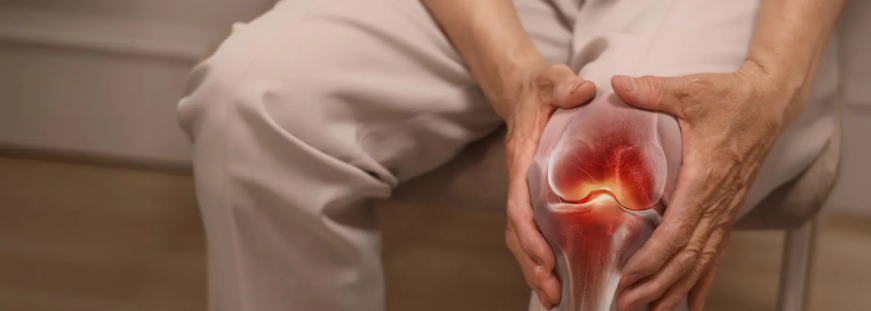
Knee arthritis is one of the most common causes of knee pain in adults. It can make simple activities — like walking, climbing stairs, or getting out of a chair — feel difficult or painful. The good news is that with the right treatment plan, many people can manage their symptoms, stay active, and avoid or delay surgery.
At Pulse Physical Therapy in Hinsdale, we help patients with knee arthritis improve mobility, reduce pain, and get back to the activities they love.

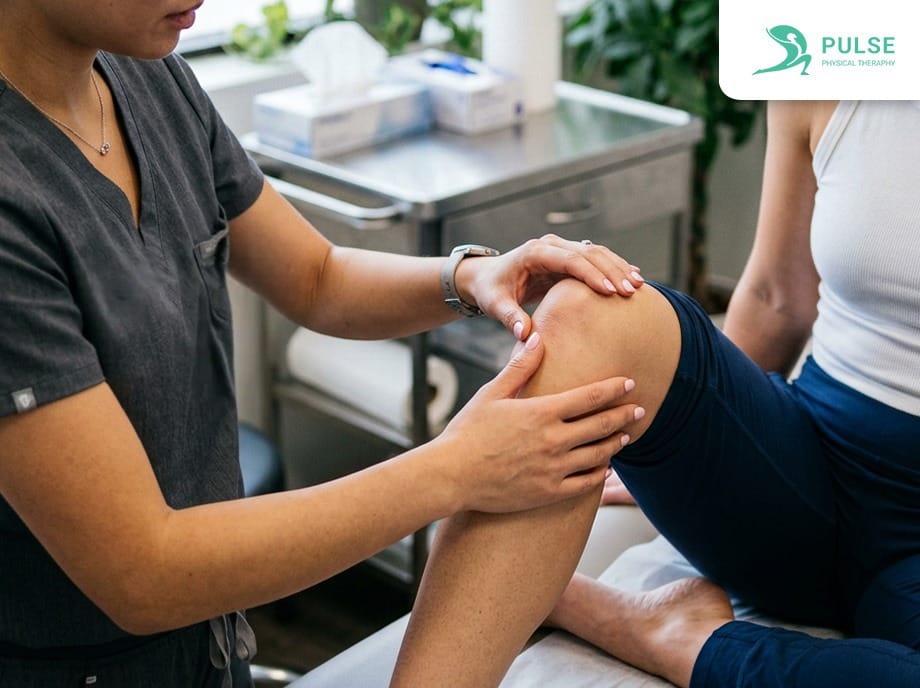
Knee arthritis happens when the smooth cartilage that cushions your knee joint begins to wear down. This can cause the bones to rub against each other, leading to pain, stiffness, swelling, and reduced motion.
The most common type is osteoarthritis, often called “wear-and-tear” arthritis. It can result from age, past injuries, overuse, or genetics. Some people may also develop rheumatoid arthritis, an autoimmune condition that affects joints throughout the body.
If these symptoms sound familiar, it’s important to get a proper evaluation — early treatment can help prevent further joint damage.
Physical therapy is one of the most effective non-surgical treatments for knee arthritis. The goal of PT is to reduce pain, improve mobility, and strengthen the muscles that support your knee joint.
Here’s how physical therapy can make a difference:
1. Pain Relief Techniques
Your therapist may use hands-on manual therapy, soft tissue massage, or joint mobilizations to decrease stiffness and improve circulation. Modalities like ice, heat, or electrical stimulation can also help relieve pain and inflammation.
2. Strengthening and Stability Exercises
Weak muscles around the knee — especially the quadriceps, glutes, and hips — can make arthritis symptoms worse. A tailored exercise program helps support the knee joint, improve balance, and reduce strain during daily activities.
3. Flexibility and Range of Motion
Gentle stretching and mobility exercises help maintain flexibility and reduce stiffness. Improving the range of motion can make walking, squatting, and climbing stairs easier.
4. Gait and Movement Training
If you’ve been walking differently to avoid pain, you may be putting more stress on other joints. Physical therapists help correct movement patterns and teach safe ways to move, protecting your knees long-term.
5. Education and Home Exercise Plan
A big part of therapy is learning what you can do at home. Your PT will create a personalized home exercise program and teach you how to manage flare-ups, choose supportive footwear, and make joint-friendly lifestyle changes.
You don’t need to wait until pain is severe to seek help. In fact, starting PT early often leads to better outcomes. If you’re noticing persistent knee stiffness, swelling, or difficulty with daily tasks, the Best Hinsdale physical therapy evaluation can help identify the root cause and prevent further progression.
Knee arthritis doesn’t have to control your life. With the right exercise program and professional guidance, you can stay active, manage your pain, and protect your joints for the long term.
At Pulse Physical Therapy in Hinsdale, we specialize in orthopedic and arthritis rehabilitation, helping patients restore strength, mobility, and confidence. Whether you’re looking to get back to walking comfortably or return to your favorite activities, Our orthopedic rehab specialists will help you every step of the way
Schedule your evaluation today at Pulse Physical Therapy -The Best Physical Therapy in Hinsdale — your local resource for knee arthritis treatment in Hinsdale.
If you’ve been dealing with foot pain, knee pain, or back discomfort, the problem might actually start from the ground up — your feet.
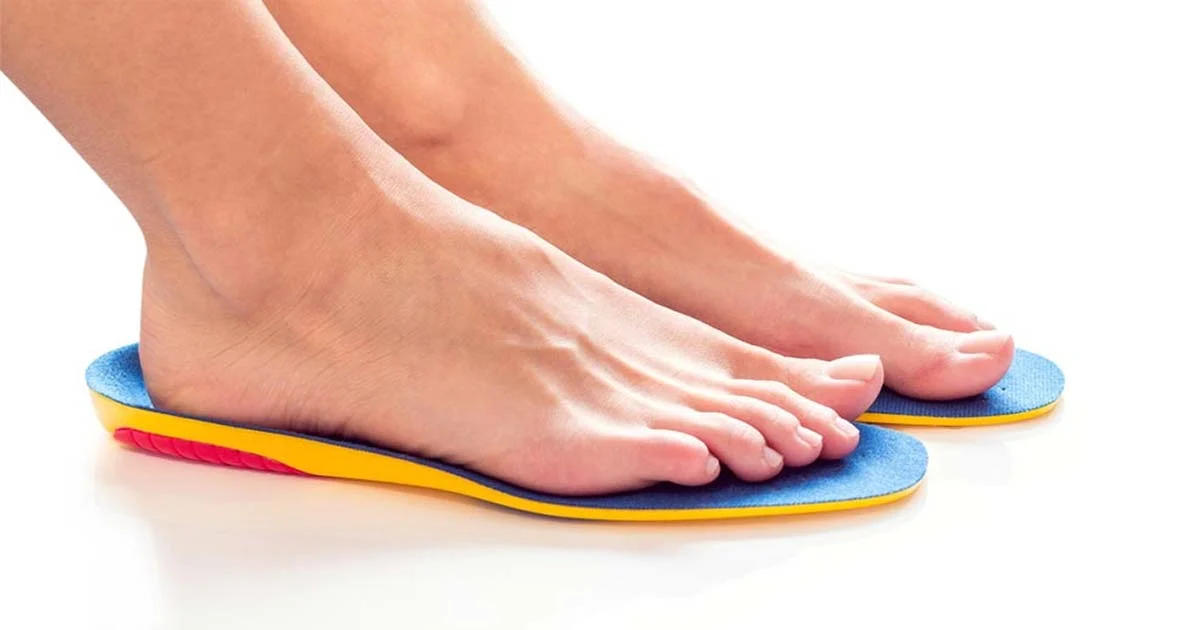
Custom orthotics are specially designed shoe inserts that provide the right support, alignment, and cushioning your body needs. At Pulse Physical Therapy in Hinsdale, we create custom orthotics to help patients move comfortably, reduce pain, and prevent future injuries.
Custom orthotics are medical-grade insoles made specifically for your feet. Unlike store-bought inserts, they’re not “one-size-fits-all.” Instead, they’re molded or digitally scanned to match your foot’s unique shape, arch, and pressure points.
These orthotics are designed to improve alignment and support—which can have a ripple effect on your entire body, from your ankles and knees up to your hips and spine.
Many people benefit from orthotics without realizing it. You might be a good candidate if you experience:
Even small changes in your foot structure can affect how your entire body moves. Custom orthotics help correct those imbalances before they lead to chronic pain.
Your feet act as the foundation for your whole body. When they’re not aligned properly, it can throw off your posture and how you walk or run.
Custom orthotics work by:
The result? Less pain, better balance, and more efficient movement.
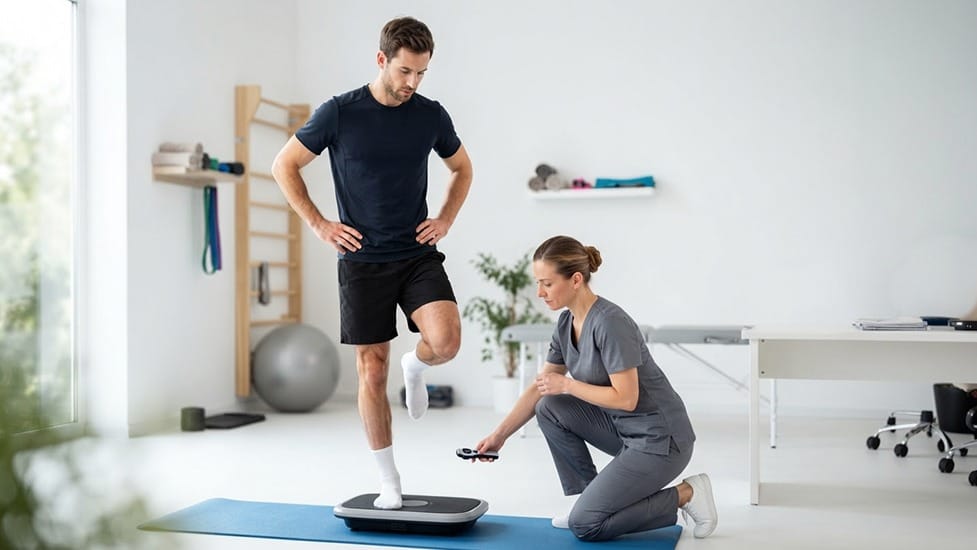
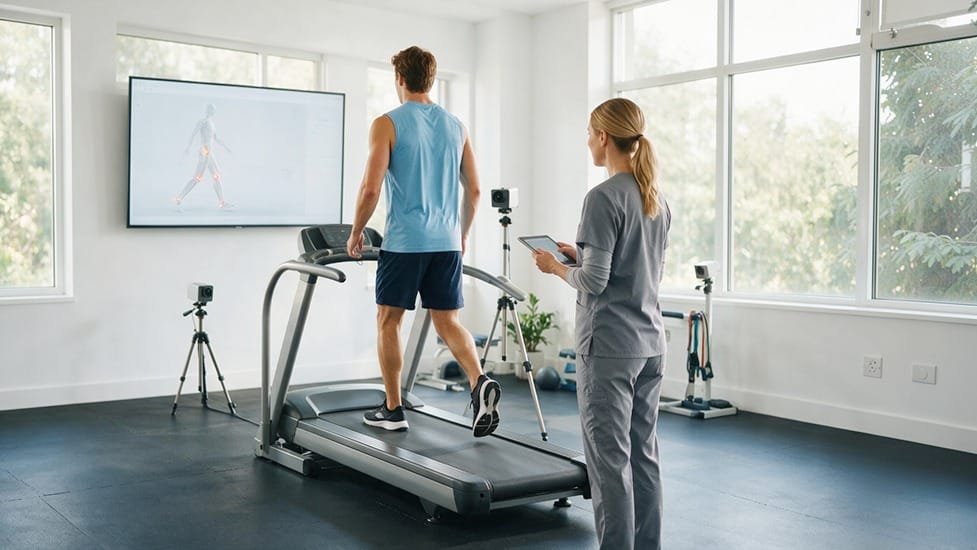
At Pulse Physical Therapy, we start with a comprehensive gait and posture assessment and orthopedic rehab specialists. Your physical therapist will:
From there, we’ll take a digital foot scan or mold to capture the precise shape of your feet. This data is used to create your custom orthotics, ensuring the best possible fit and function.
Once your orthotics are ready, your therapist will make sure they fit properly and provide guidance on how to break them in and what shoes work best with them.
Orthotics can make a huge difference whether you’re an athlete, a busy professional, or simply someone who wants to walk without pain.
Your feet support you every single day — they deserve the right care. If you’re tired of living with foot or leg pain, custom orthotics can help you move more comfortably and confidently.
At Pulse Physical Therapy in Hinsdale, our specialists combine expert movement analysis and precision orthotic design to help you feel better from the ground up.
Schedule your custom orthotic evaluation today at Pulse Physical Therapy, your trusted local clinic for foot pain and orthotic solutions in Hinsdale.
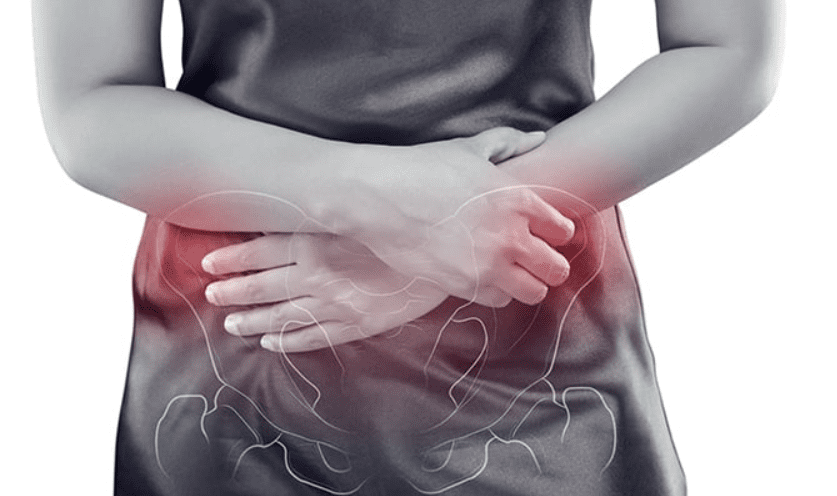
Pelvic pain can affect anyone — and it’s more common than most people realize. Whether it’s a dull ache, sharp discomfort, or pressure in the lower abdomen or pelvic area, pelvic pain can interfere with your daily life, relationships, exercise, and overall well-being.
At Pulse Physical Therapy in Hinsdale, we specialize in treating pelvic pain and pelvic floor dysfunction through gentle, personalized care that addresses the root cause—not just the symptoms.

Pelvic pain refers to pain or discomfort felt anywhere in the lower abdomen, hips, groin, or pelvic floor. It may come and go or be constant. Some people describe it as pressure, heaviness, or tightness in the pelvic region.
Pelvic pain can stem from many different causes, including:
Because these areas are all connected, it often takes a whole-body approach to identify the real source of the pain.
Pelvic floor physical therapy is one of the most effective, evidence-based treatments for chronic pelvic pain. The pelvic floor is a group of muscles, ligaments, and connective tissues that support your bladder, uterus, and bowel. When these muscles become too tight, weak, or uncoordinated, pain and other symptoms can develop.
Your physical therapist will design a customized program to restore strength, flexibility, and balance to the pelvic region. Treatment may include:
1. Gentle Manual Therapy
Hands-on techniques to release tight muscles, reduce scar tissue restrictions, and improve blood flow.
2. Relaxation and Breathing Training
Learning how to relax your pelvic floor muscles and diaphragm can significantly decrease pain and tension.
3. Strengthening and Coordination Exercises
Targeted exercises help you regain control of your pelvic floor and core muscles, improving stability and posture.
4. Posture and Movement Training
Since pelvic pain often relates to body mechanics, your therapist may address hip and spine alignment to reduce strain.
5. Education and Lifestyle Guidance
You’ll learn strategies for pain management, bladder and bowel habits, sexual health comfort, and stress reduction.
At Pulse Physical Therapy, we treat a wide range of pelvic health conditions, including:
We work closely with you and your healthcare provider to create a coordinated care plan focused on long-term relief.
Your first visit includes a comprehensive evaluation of your posture, movement, core strength, sports physical therapy, and pelvic floor function. We’ll discuss your symptoms, medical history, and goals in a safe, private, and supportive environment.
From there, we’ll build a personalized treatment plan that fits your comfort level and progresses at your own pace. Our goal is to help you move comfortably, regain confidence, and feel like yourself again.
Pelvic pain is common—but it’s not normal, and it’s treatable. With the right therapy and support, you can heal, move freely, and reclaim your quality of life.
At Pulse Physical Therapy in Hinsdale, our pelvic health specialists provide compassionate, one-on-one care for women and men experiencing pelvic pain. Whether your pain started after childbirth, surgery, or gradually over time, we’ll help you get to the root cause and guide you toward lasting relief.
Schedule your pelvic floor physical therapy evaluation today at Pulse Physical Therapy, your trusted clinic for pelvic pain and women’s health physical therapy in Hinsdale.
info@pulsephysicaltherapyclinic.com or call us at (630)492-1137.
Posted on Serena J I can’t recommend Megan enough! She was truly such a lifesaver for me during both pregnancy and postpartum. From helping me stay active and comfortable while pregnant to guiding me through pelvic floor recovery after delivery, she made such a huge difference in how I felt physically and mentally. I attribute not tearing during delivery due to her knowledge and exercise plan. She takes the time to really listen, explains everything in a way that actually makes sense, and creates a plan that feels doable (not overwhelming). I always felt supported, understood, and honestly just in really good hands. Pelvic floor therapy can feel intimidating, but she made the entire experience so comfortable and empowering. I’ve learned so much about my body and feel so much stronger because of her. If you’re pregnant, postpartum, or even just dealing with any pelvic floor concerns — I truly can’t recommend her enough. So grateful for her.Posted on David Pilip Great staff and amazing results! Literally taught me how to walk again after my knee surgery. Highly recommend!Posted on Eran Naveh amazing, professional work!!!! my back has never felt betterPosted on Veena Nayak Aribindi My Post op left knee replacement recovery of flexibility and strength has been smooth & remarkable - thanks to my 1 on 1 physical therapy sessions & the pain management techniques - provided by my very capable & caring physical therapist. Very Impressed & grateful!Posted on Toni Sipes I was experiencing significant left shoulder/scapula pain and it was recommended that I start physical therapy to see if that would help. I sought treatment at Pulse Physical Therapy. It was a great experience. Within several weeks, the pain resolved and my therapist worked one on one with me to strengthen the rotator cuff muscles, increase range of motion and address the nerve pain I was having. I appreciated the ease of scheduling appointments around my work hours. Megan is very knowledgeable and I really felt that she understood my concerns and directed my care to address the issues. I also appreciated the home exercise program designed specifically for me and the app to help further my recovery. I highly recommend Pulse Physical therapy. I am back to my busy, active and pain-free life and can't say enough positive things about my experience.Posted on Karan Singh Pulse PT in Hinsdale was an excellent experience. One-on-one treatment really set them apart, and appointments were easy to fit into my schedule. Highly satisfied with the care by Megan. Truly Appreciate!Posted on anshu koundal I had a great experience at Pulse PT in Hinsdale. The one-on-one sessions made a noticeable difference in my recovery, and scheduling appointments was easy. Very happy with the care!Posted on Nikhil Thakur I loved my experience at Pulse PT in Hinsdale. The one-on-one care made a big impact on my recovery, and scheduling was always convenient.Posted on Ayushi Pathak I was treated at Pulse PT in Hinsdale and I loved my experience there! I saw 2-3 other PT’s in the area, but the fact that all treatments were one-on-one with my PT made a big difference in my recovery. It was easy to get appointment times that work with schedule, and I’m really happy with the care I received!Posted on Jagdish Bisht Megan is simply the best. I trust her will all my PT needs. Could not recommend her more.
Pulse Physical Therapy accepts most major insurance plans. Before your first visit, our office will contact your insurance company to provide a breakdown of your benefits based on your individual policy. Please note that copays are due at the time of your appointment.
Illinois is a direct access state, which means you can see a physical therapist without a referral or prescription from a physician. This allows you to start your treatment promptly and begin your recovery as soon as possible.
For patients that do not have insurance, we offer a discounted self-pay rate, due at the time of service.
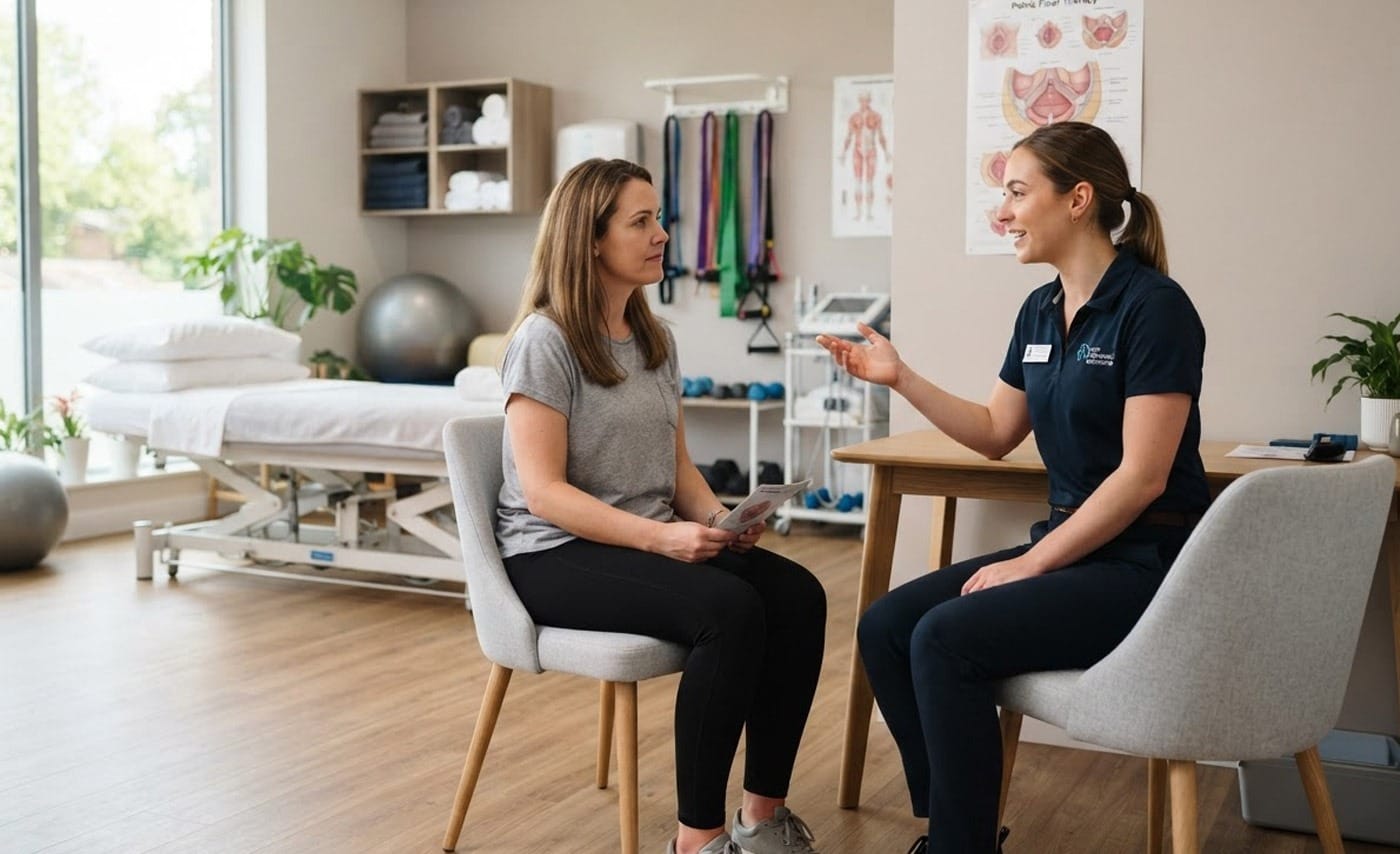
During your first appointment, a licensed physical therapist will review your medical history and evaluate your injury or condition. Baseline measurements of strength, flexibility, and mobility will be taken to help create a personalized plan of care tailored to your needs. Often, a brief treatment may be provided during this visit, and a home exercise program will be developed when appropriate.
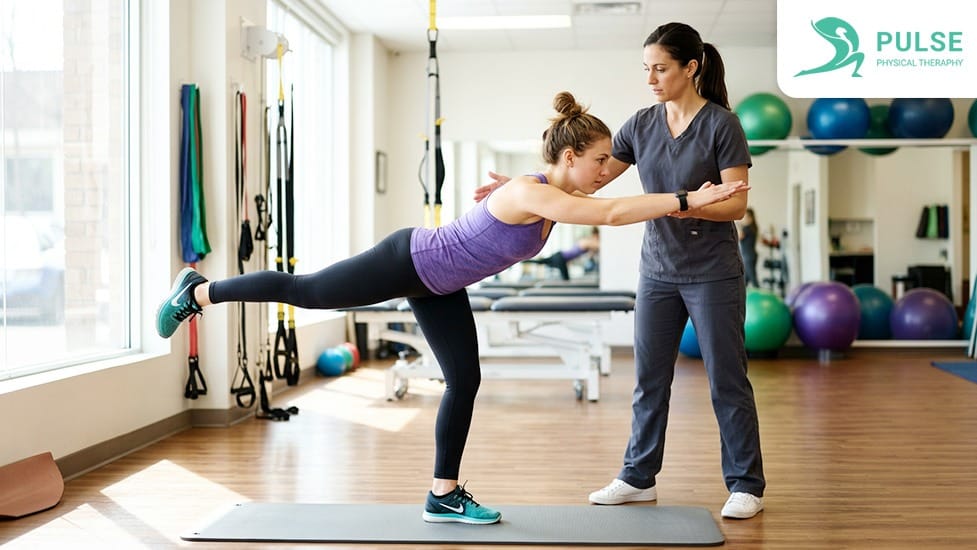
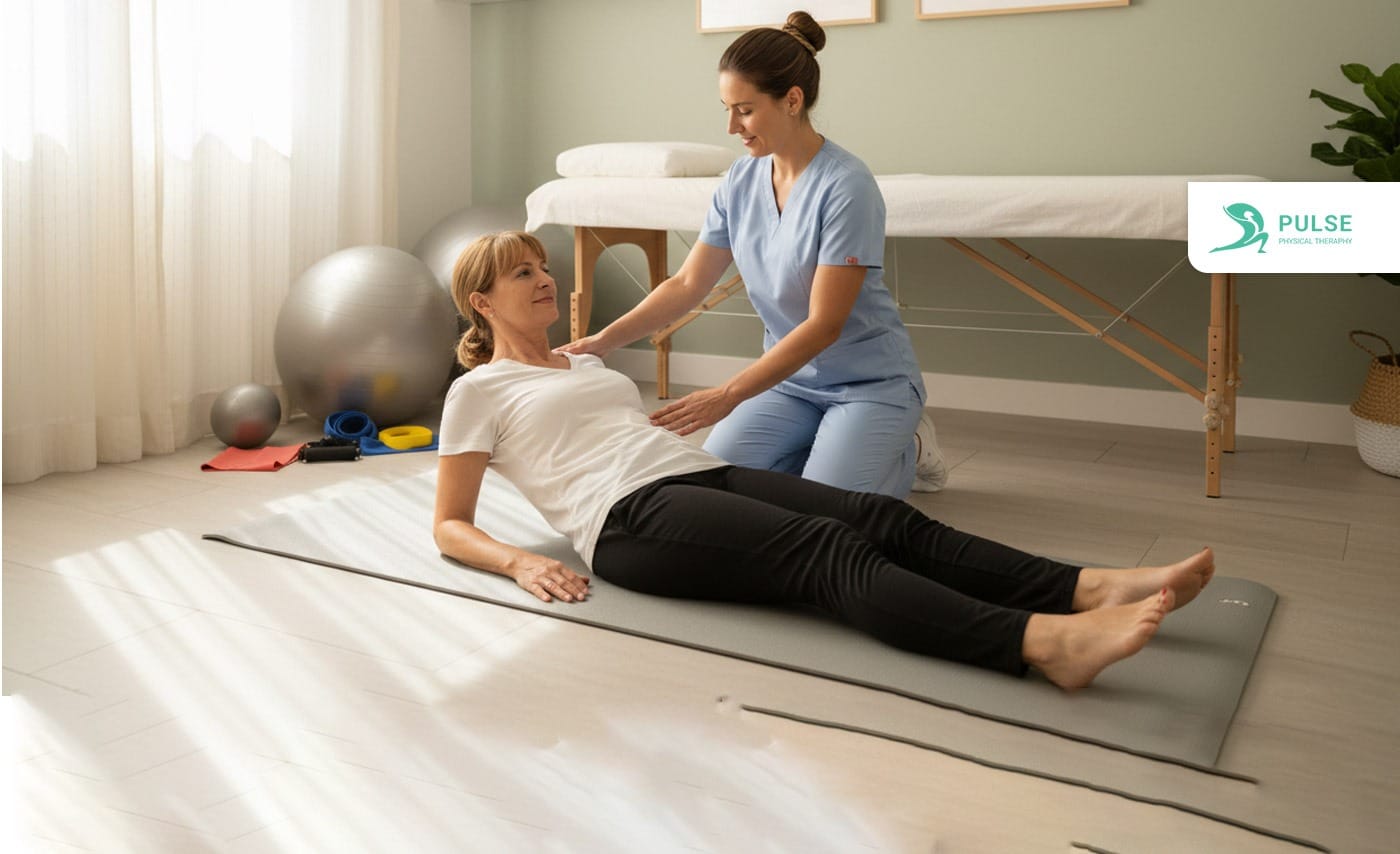
Appointments are usually between 45-60 minutes.
Comfortable, loose-fitting clothing is best for your sessions. It’s helpful if you can expose the area being treated, though this isn’t required. During your evaluation and follow-up visits, your therapist may need to access the skin, muscles, and joints around the area you’re focusing on to accurately assess and treat your condition.