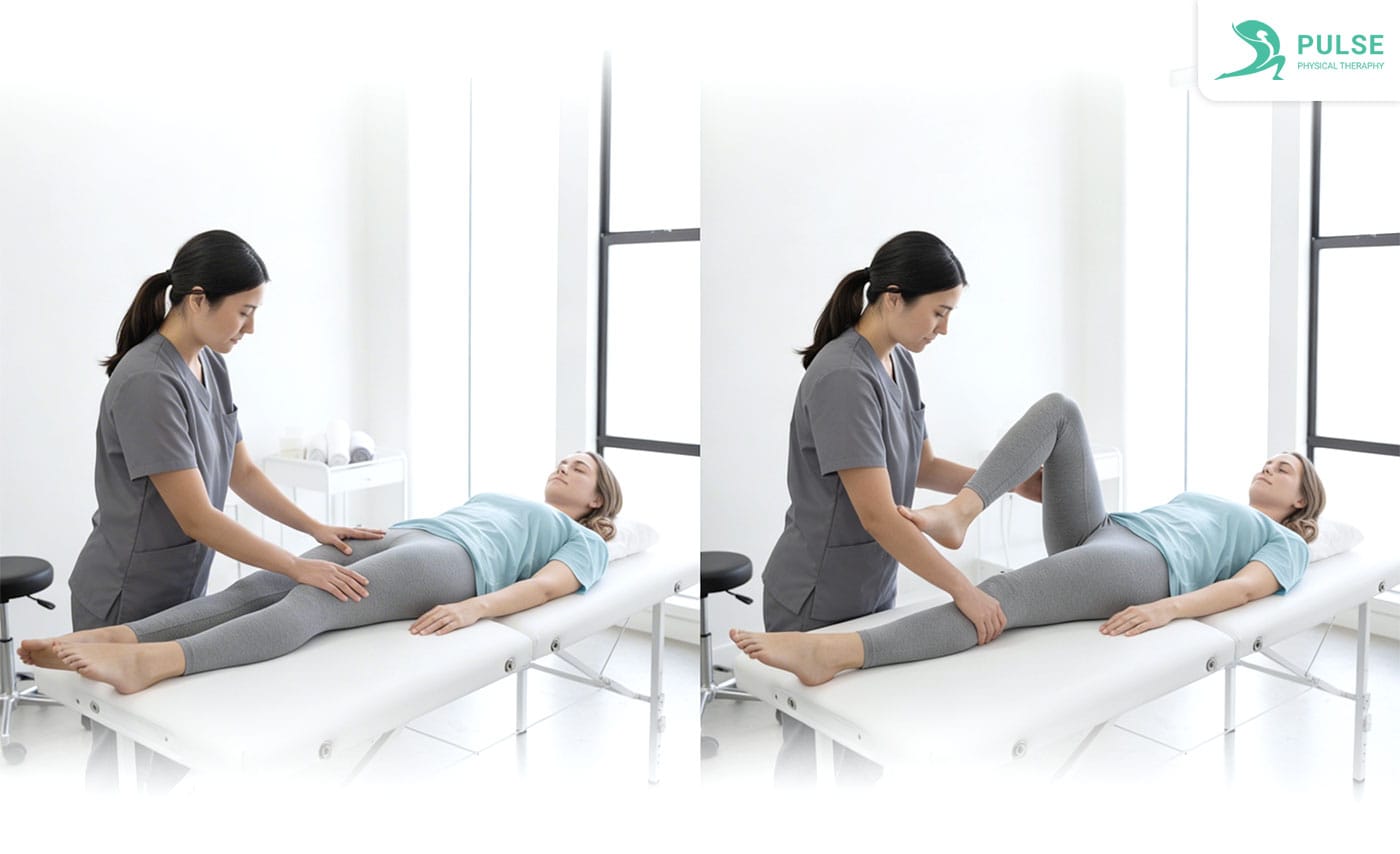
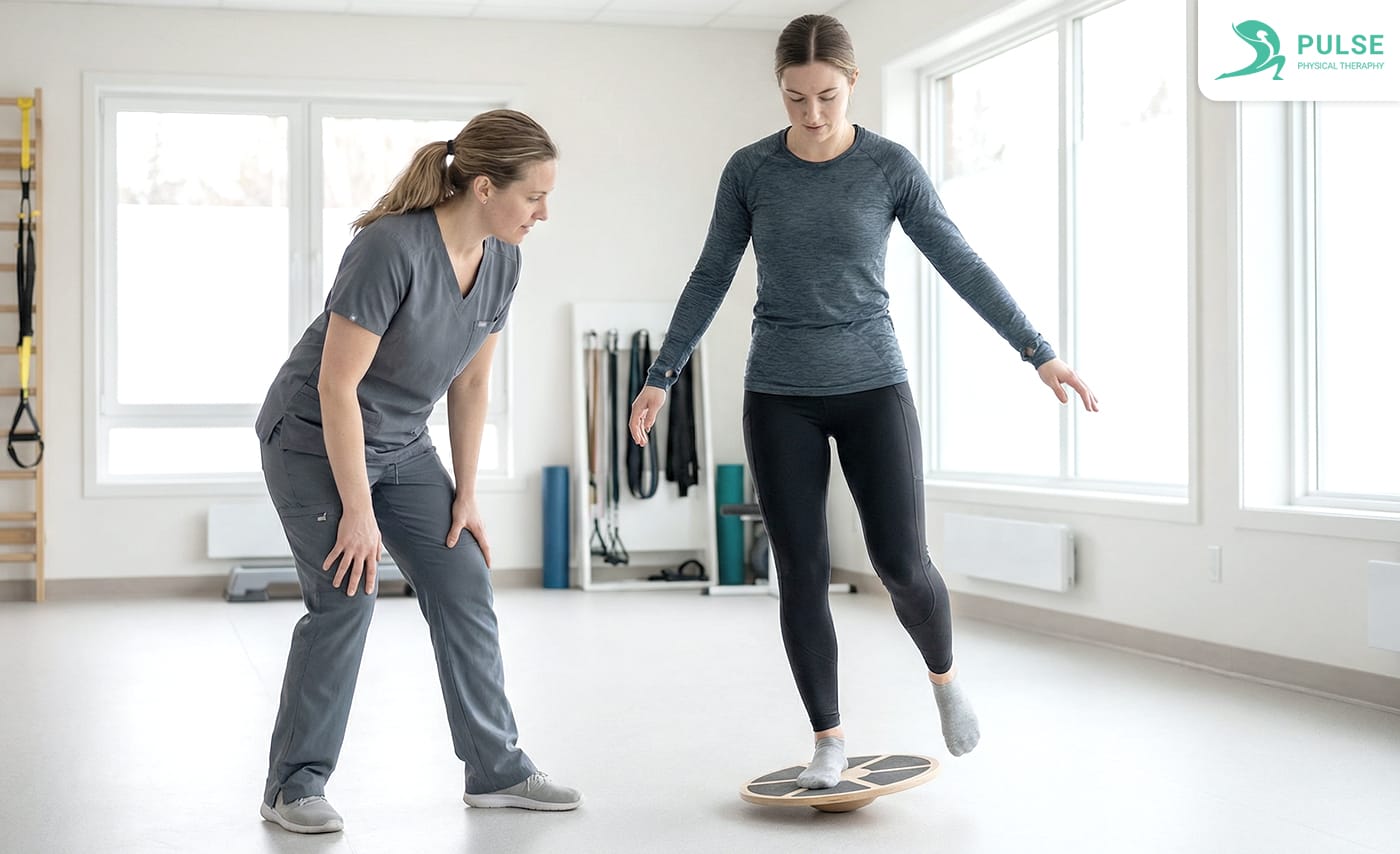
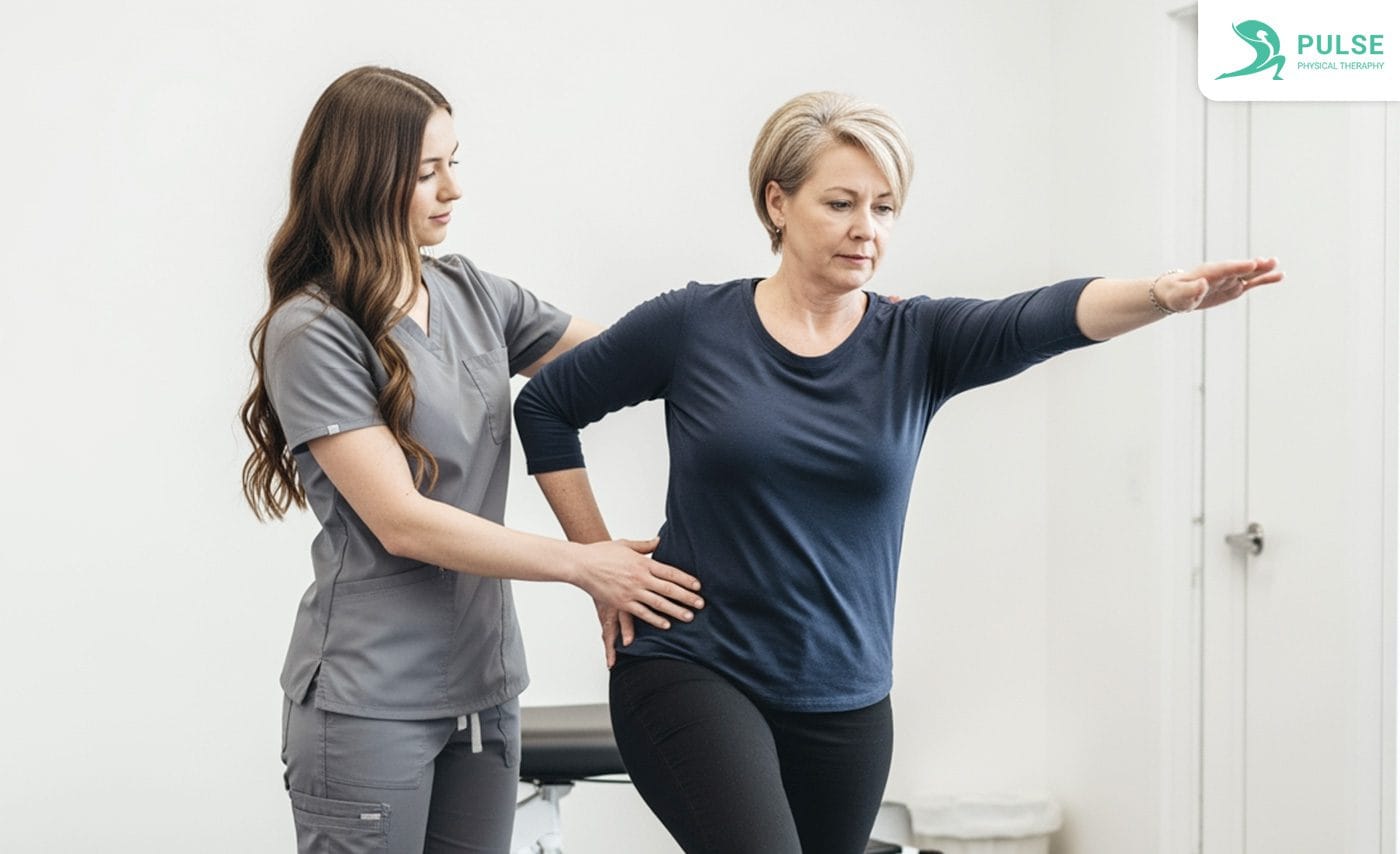
We identify the root cause, not just the symptoms.
Regain your strength, restore your mobility, and reclaim your life with expert care in a calm, modern setting. At Pulse Physical Therapy, we combine advanced techniques with a personal touch to help you heal and thrive.
Experience expert physical therapy at our modern clinic in Hinsdale, IL. At Pulse Physical Therapy, we use the latest techniques and equipment to support spine care, orthopedic rehabilitation, and sports injury recovery. Our personalized treatment plans are designed to reduce pain, restore mobility, and help you return to the activities you love.
We proudly provide care to patients servicing Western Springs, Oak Brook, Hinsdale, Clarendon Hills, Burr Ridge, Willowbrook, Darien, Downers Grove, Westmont, and La Grange. Whether you are recovering from an injury, managing chronic pain, or seeking performance recovery, our team delivers individualized, evidence-based therapy tailored to your needs.
At Pulse Physical Therapy, we help patients move better, recover faster, and live pain-free. Our comprehensive programs include injury rehabilitation, chronic pain management, orthopedic and sports therapy, and improved mobility, ensuring you get back to the life and activities you enjoy with confidence.
We identify the root cause, not just the symptoms.
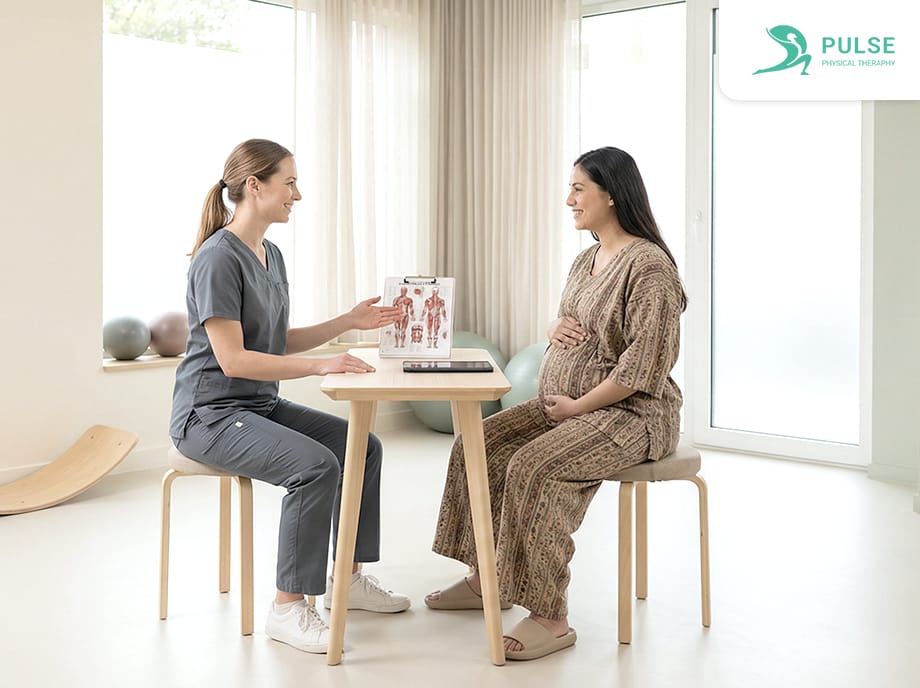
Clear guidance so you understand your path to recovery.
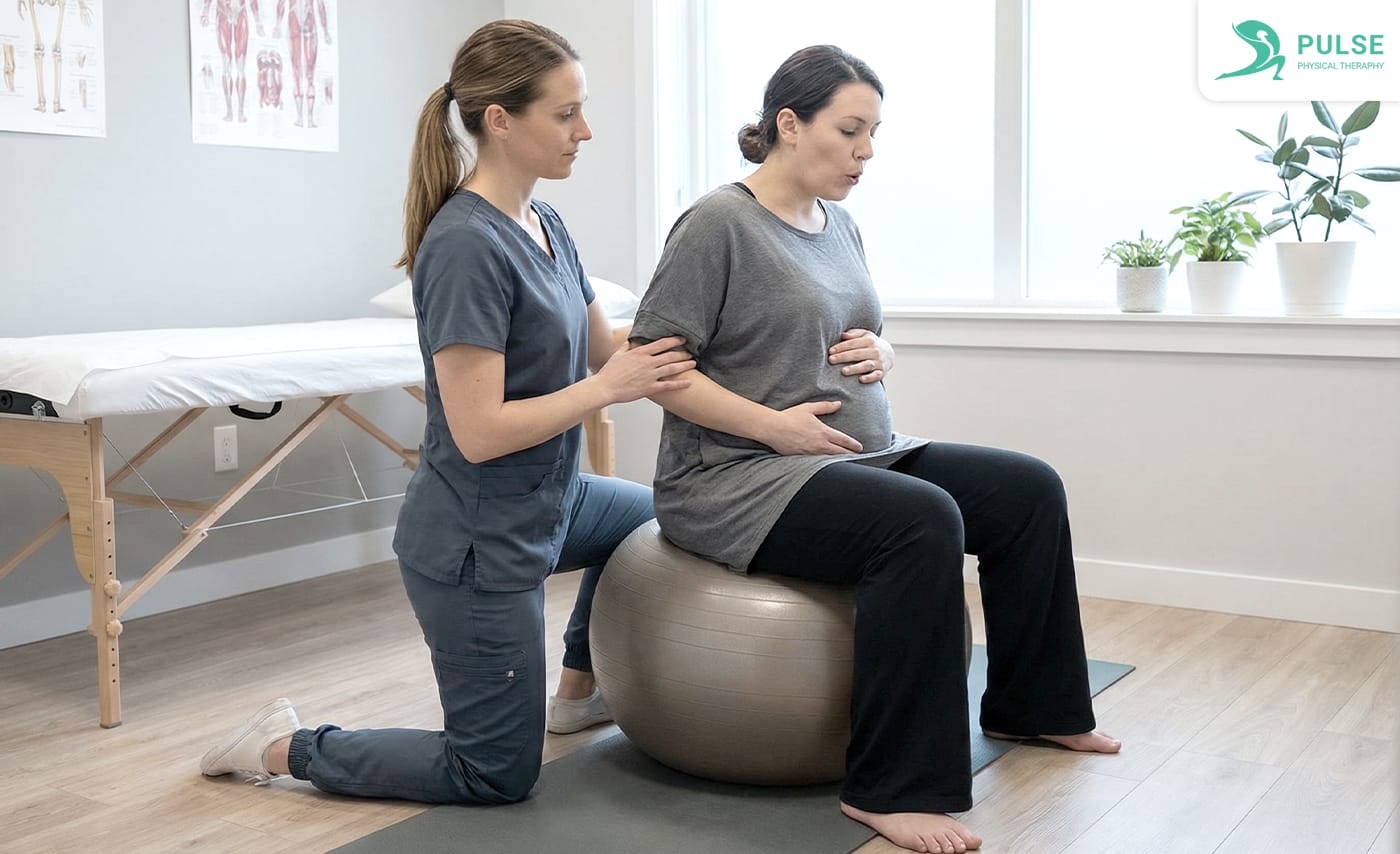
Hands-on treatment and exercises to restore strength and movement.
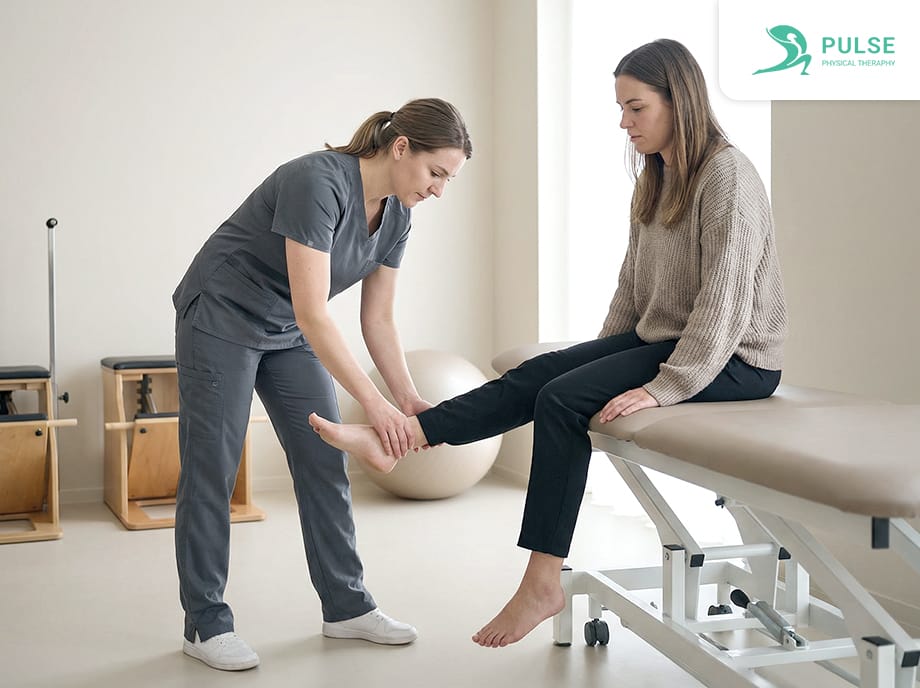
Ongoing support to track progress and prevent setbacks.
At Pulse Physical Therapy, we help patients move better, recover faster, and live pain-free. Our personalized treatment plans support everything from pain relief to performance recovery, with expert care for injury rehabilitation, chronic pain management, and improved mobility.
At Pulse Physical Therapy, our orthopedic rehab specialists provide expert care for a wide range of musculoskeletal conditions. Whether you are recovering from an injury, surgery, or managing chronic pain, our team delivers specialized orthopedic physical therapy tailored to your needs.
As a leading orthopedic rehab center in Hinsdale, we combine evidence-based therapy techniques, hands-on treatment, and personalized exercise programs to help you restore function, reduce pain, and improve overall quality of life. If you’re wondering “what is orthopedic physical therapy?”, it is a specialized form of rehabilitation designed to treat injuries and conditions affecting bones, joints, muscles, and connective tissue, helping patients regain strength, mobility, and independence.
Our orthopedic rehab associates are dedicated to providing comprehensive care in a supportive environment. Using advanced techniques, personalized programs, and coordinated care with physicians when needed, we help you recover safely and efficiently.
Whether you are an athlete recovering from a sports injury or someone seeking relief from chronic joint pain, our athletic and physical therapy programs are designed to restore mobility, improve strength, and prevent future injuries.
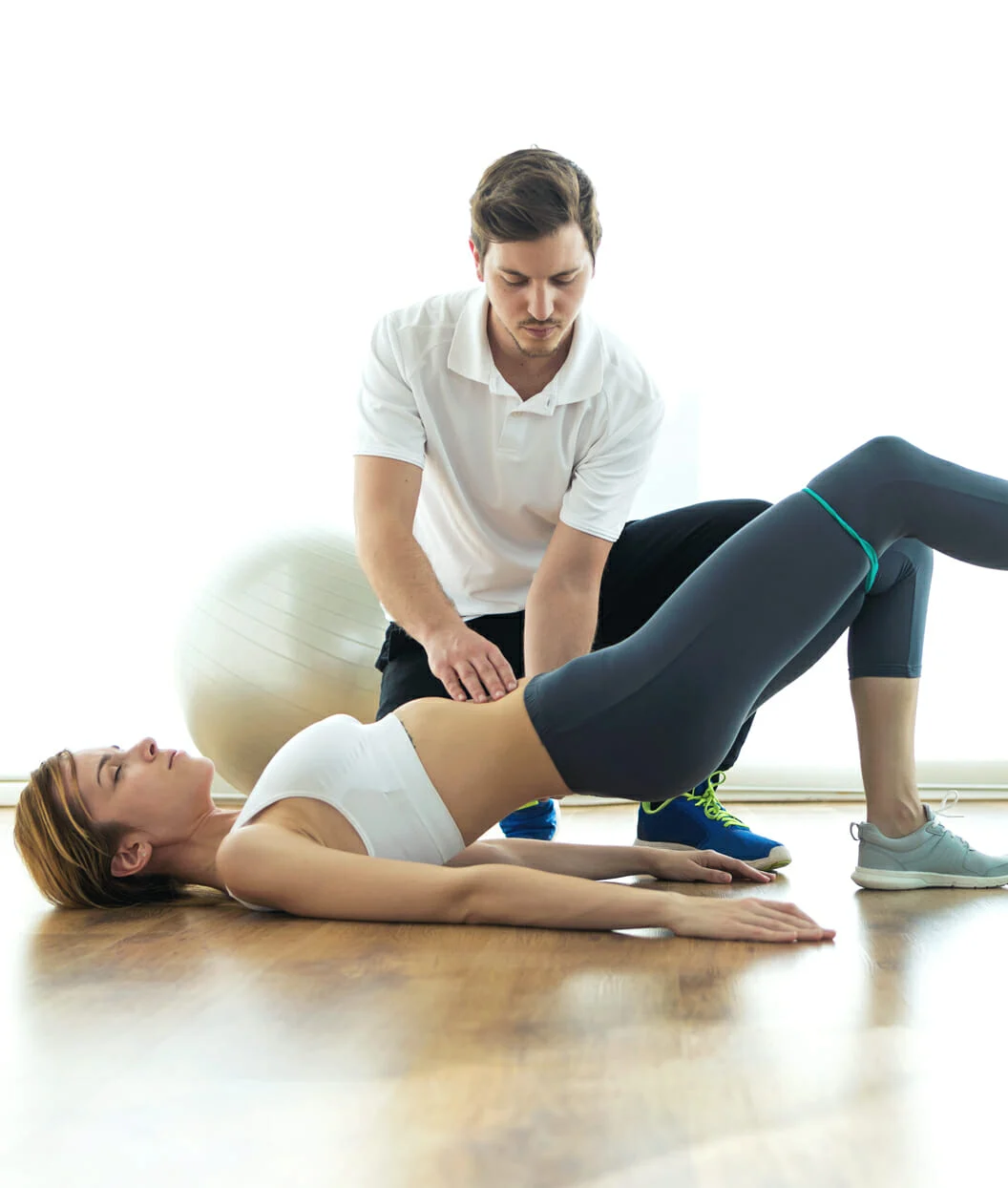
Pelvic floor therapy is a specialized area of physical therapy focused on restoring healthy bladder, bowel, and sexual function. At Pulse Physical Therapy in Hinsdale, our team provides compassionate, evidence-based care for all individuals seeking to improve pelvic health, comfort, and confidence.
Our therapists are uniquely trained in pelvic floor physical therapy and provide a safe, supportive environment for everyone—regardless of gender identity or sexual orientation. Together, we’ll create a personalized plan to help you reach your goals and get back to feeling your best.
What is pelvic floor dysfunction?
Pelvic floor dysfunction refers to a wide range of conditions that affect the muscles, ligaments, and connective tissues of the pelvic muscles.
These muscles and connective tissues play a crucial role in supporting pelvic organs, controlling bladder and bowel function, and facilitating sexual function. Pelvic floor dysfunction can manifest in various ways.
What to expect in a pelvic floor physical therapy session:
In a pelvic floor physical therapy session, you can expect a thorough and personalized approach tailored to your needs and preferences. Here’s what typically occurs:
Medical History and Goal Setting: Your therapist will begin by discussing your medical history, current lifestyle, and future goals related to pelvic health. This information helps guide the treatment plan.
Movement Assessment: Your therapist will assess your movement patterns, strength, and mobility, focusing on areas relevant to pelvic floor dysfunction. This may involve various exercises and movements to evaluate your pelvic floor and surrounding muscles.
Internal Exam (Optional): While an internal examination may be suggested for a more comprehensive assessment, it is never mandatory. Your comfort and preferences are prioritized. If you choose to proceed with an internal exam, your therapist will explain the procedure and ensure you feel supported throughout.
Customized Exercise Program: Based on the evaluation findings and your goals, your therapist will create a customized exercise program tailored to your specific needs. This program may include pelvic floor exercises, stretches, strengthening exercises, and other therapeutic techniques for your pelvic floor muscles.
Collaboration and Adaptation: Collaboration between you and your therapist is essential. Your therapist will work closely with you to ensure the exercise program aligns with your lifestyle and preferences. If you have constraints or preferences regarding time or activities, your therapist will adapt the program accordingly to ensure it fits seamlessly into your routine.
Are you pregnant or postpartum? Pelvic floor physical therapy is a great first step!
If you’re newly pregnant or postpartum and don’t know what to expect, we understand. Our pelvic floor physical therapists are specialized in this area and can help you anticipate what to expect. They can review birthing positions, look at your low back pain, or teach you how to kegel. They will prescribe pregnant-appropriate exercises to reduce your current pain and make you strong for labor and delivery! In conclusion, we want to give you the advice and education to feel powerful, assertive, and independent in these challenging life stages.
What can a pelvic floor physical therapist treat (included but not limited to):
Urinary incontinence Painful sex Post-prostatectomy incontinence Diastasis recti abdominis Postpartum recovery from vaginal and cesarean birth Prenatal physical therapy Exercise in pregnancy Anal incontinence Pelvic organ prolapse Pelvic pain Pudendal neuralgia Interstitial cystitis
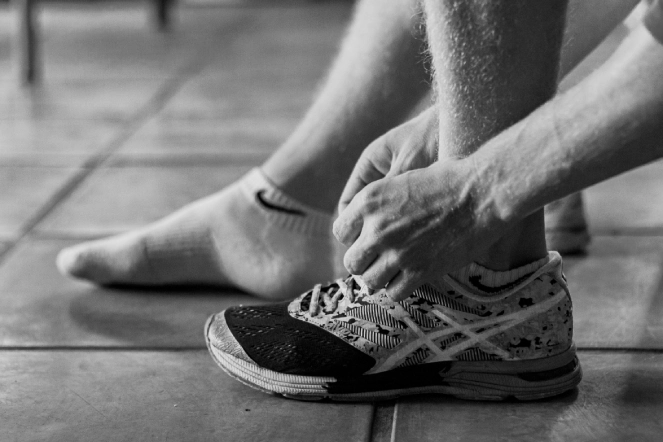
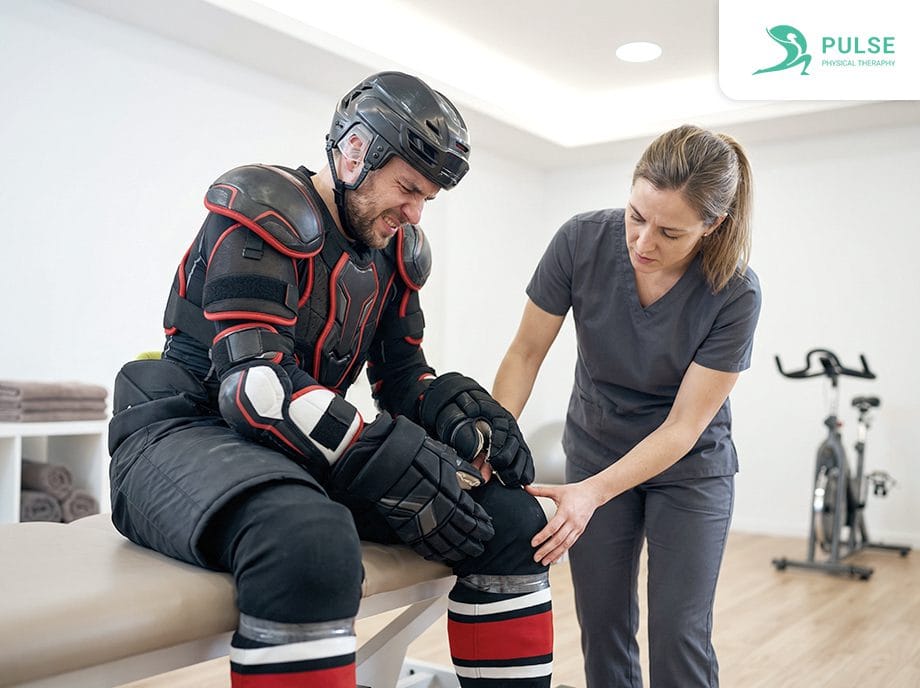
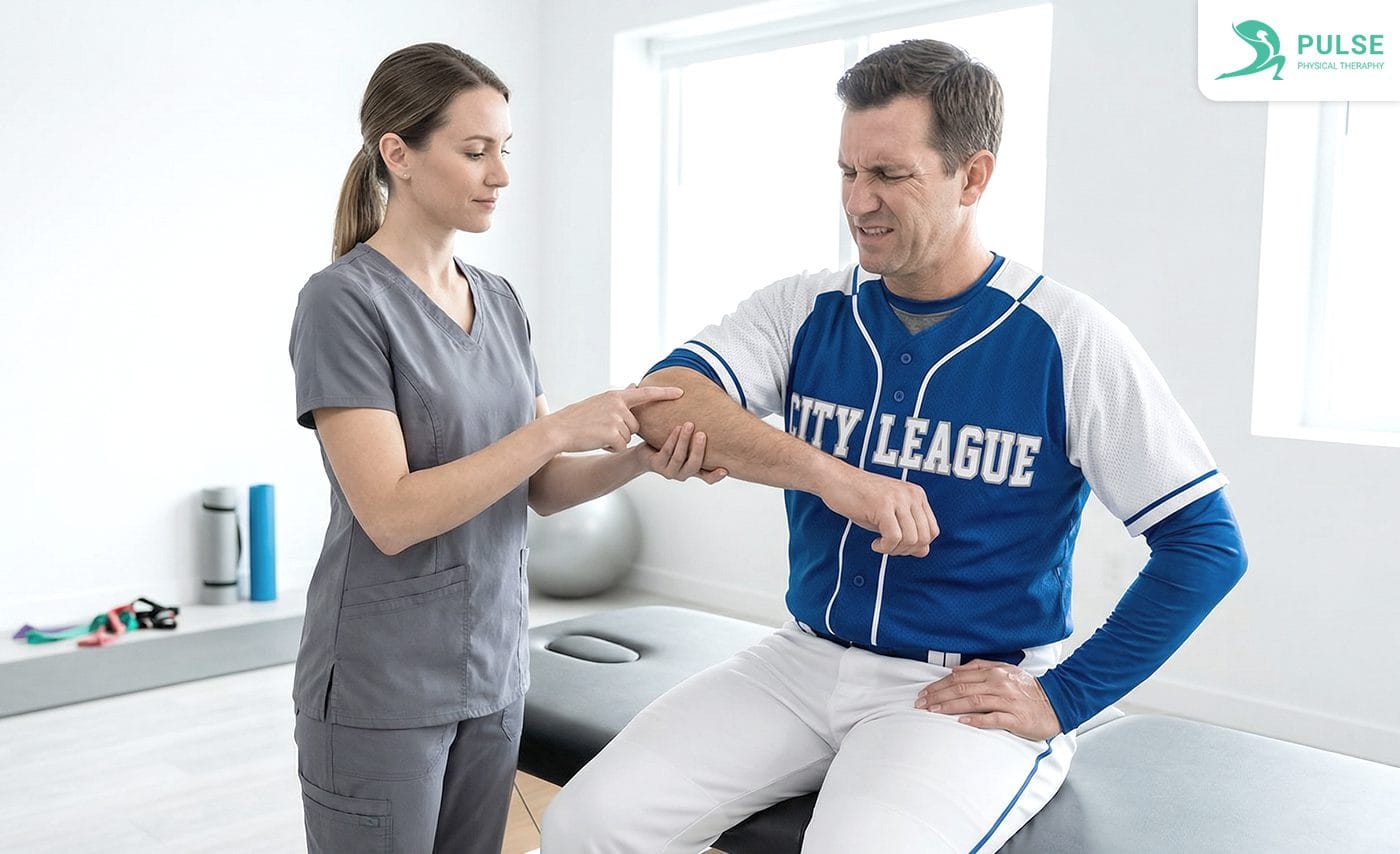
At Pulse Physical Therapy, we don’t just focus on relieving pain—we help you return to your sport or hobby stronger than before. Our highly trained sports injury therapists assess your condition and develop a comprehensive, personalized treatment plan. We treat a wide range of sports injuries, including ACL/MCL tears, rotator cuff injuries, tendonitis, sprains and strains, shoulder dislocations, and hamstring or quadriceps injuries. By addressing the injury and strengthening surrounding muscles and tissues, we improve flexibility, endurance, and overall performance while reducing the risk of re-injury.
Sports We Treat:

Professionals leading your journey.

Start without delays.

Designed for your body and goals.

Real progress, real life.
Personalized care to restore movement, relieve pain, and get you back to what you love.
Experience expert physical therapy at our modern clinic in Hinsdale. We use the latest techniques and equipment to support spine care, orthopedic rehabilitation, and sports injury recovery. Our personalized treatment plans are designed to reduce pain, restore mobility, and help you return to the activities you love.

Latest Happenings & Hot Topics in the field of Physiotherapy along with updates from CB Physiotherapy
Dancing demands strength, flexibility, control, and endurance – often all at once. Whether you train in ballet, contemporary, jazz, hip-hop, or ballroom, your body becomes both the instrument and the athlete. Unfortunately, that also means injuries are common.
At Pulse Physical Therapy, Hinsdale, IL, we specialize in helping dancers recover safely, rebuild strength, and return to performance with confidence. If you’re searching for physical therapy for dancers in Hinsdale or dance injury treatment near me, this guide explains how expert rehabilitation supports dancers from ankles to hips – and beyond.
Dancers are unique athletes. Unlike many sports, dance combines:
These demands create stress on the lower extremities – particularly the ankles, knees, and hips. Overuse, technique imbalances, and inadequate recovery often lead to injury.

At Pulse Physical Therapy, we frequently evaluate and treat:
Ankles are the foundation of every jump and turn. Instability here can create a chain reaction throughout the body.
Poor landing mechanics or hip weakness often contribute to knee pain.
Turnout demands and repetitive extensions place high stress on the hip joint.
In dance rehabilitation, we don’t just treat the painful area. We assess the entire kinetic chain — how the ankle, knee, hip, pelvis, and core work together.
For example:
At Pulse Physical Therapy in Hinsdale, our licensed physical therapists perform comprehensive movement analysis to identify the root cause – not just the symptom.

We conduct a detailed evaluation including:
This ensures your rehabilitation is personalized and evidence-based.
We use advanced, research-backed interventions such as:
Our goal isn’t just pain relief – it’s restoring full dance function.
Dancers often have exceptional flexibility but lack stabilizing strength. We focus on:
These exercises protect joints and improve control during jumps and turns.
Improper turnout compensation (often from the foot or knee rather than the hip) can increase injury risk. Through video analysis and guided training, we:
This reduces re-injury risk and enhances performance longevity.
Returning too soon is one of the biggest causes of recurring injury. At Pulse Physical Therapy in Hinsdale, IL, we design structured return-to-dance programs that include:
We coordinate with dance instructors when needed to ensure a safe transition back to rehearsals and performances.
Dancers require specialized care – not generic rehab.
At Pulse Physical Therapy, we provide:
If you’re a dancer in Hinsdale, Clarendon Hills, Oak Brook, or nearby communities, our clinic offers convenient access to expert dance injury rehabilitation.
Injury prevention is just as important as treatment. We guide dancers through:
Our goal is long-term resilience – not short-term fixes.
Seek evaluation if you experience:
Early intervention reduces downtime and prevents chronic issues.
Whether you’re a pre-professional dancer, competitive student, or recreational performer, expert care makes all the difference.
At Pulse Physical Therapy in Hinsdale, IL, we help dancers move better, recover smarter, and return stronger – from ankles to hips.
Contact Pulse Physical Therapy in Hinsdale, IL to schedule a comprehensive dance injury assessment and personalized rehabilitation plan.
Your performance matters. Your recovery should be just as precise.
Sacroiliac (SI) joint pain is a common yet often misunderstood source of lower back and hip discomfort. Many people in Hinsdale, IL and surrounding areas experience persistent pain without realizing the SI joint may be the root cause. This article explains what SI joint pain is, why it occurs, how to recognize it, and the most effective treatment options available locally.

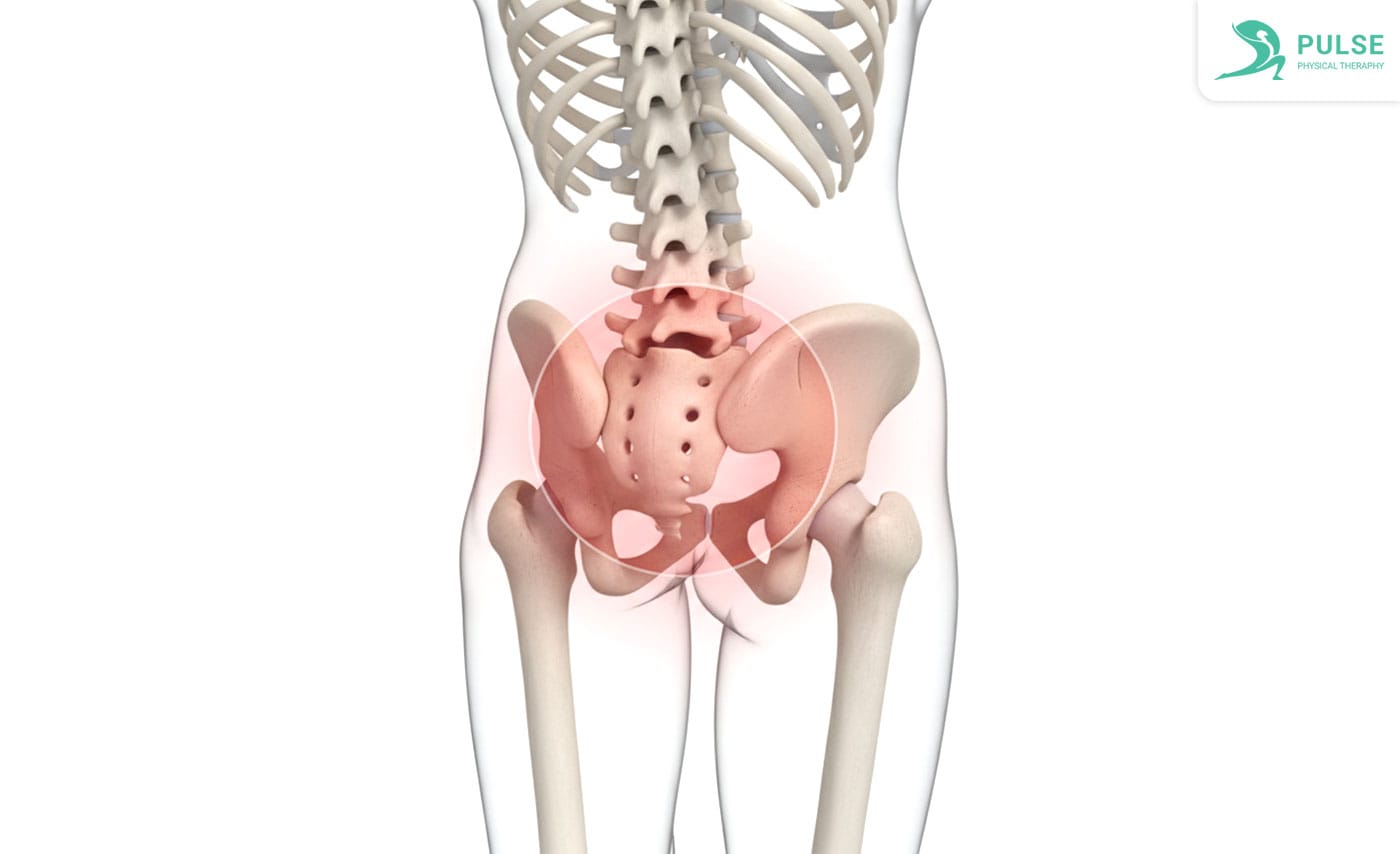
The sacroiliac joints are two strong joints located where the sacrum (base of the spine) meets the pelvis. These joints play a crucial role in:
When the SI joint becomes inflamed, irritated, or moves improperly, it can lead to SI joint dysfunction, causing pain and reduced mobility.
SI joint pain can affect people of all ages and activity levels. Common causes include:
Hormonal changes and altered biomechanics during pregnancy can increase SI joint stress, making postpartum SI joint pain common.
Uneven movement patterns can place excessive stress on one SI joint.

SI joint pain often mimics other conditions, such as disc issues or sciatica. Common symptoms include:
If you’re-experiencing these symptoms in Hinsdale or nearby suburbs, a proper assessment is essential for accurate diagnosis. Pulse Physical Therapy is serving Hinsdale, IL and nearby communities.

Diagnosis typically involves:
Advanced imaging may be used in some cases, but a skilled physical examination often provides the clearest insights.
For most patients, conservative care offers excellent outcomes without surgery.
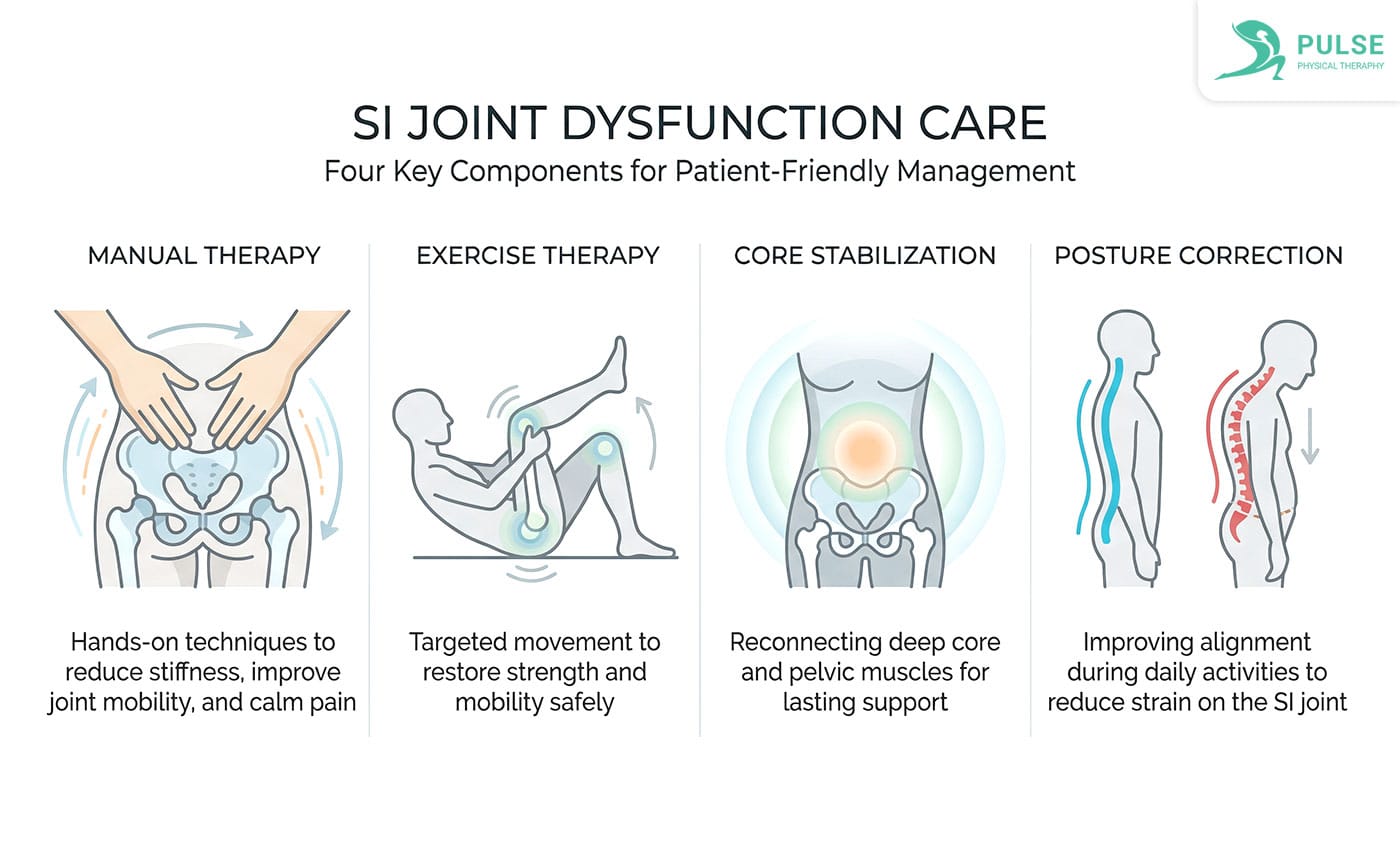
Targeted physiotherapy is one of the most effective treatments for SI joint pain. Treatment may include:
Learning how to move, lift, and sit correctly can significantly reduce strain on the SI joint.
In some cases, a pelvic or SI belt may help stabilize the joint during healing.
If conservative care does not provide sufficient relief, additional options may include:
Surgery is rarely required and typically considered only after all other options are exhausted.
Left untreated, SI joint dysfunction can become chronic and may lead to:
Early intervention helps restore normal movement and prevent long-term complications.
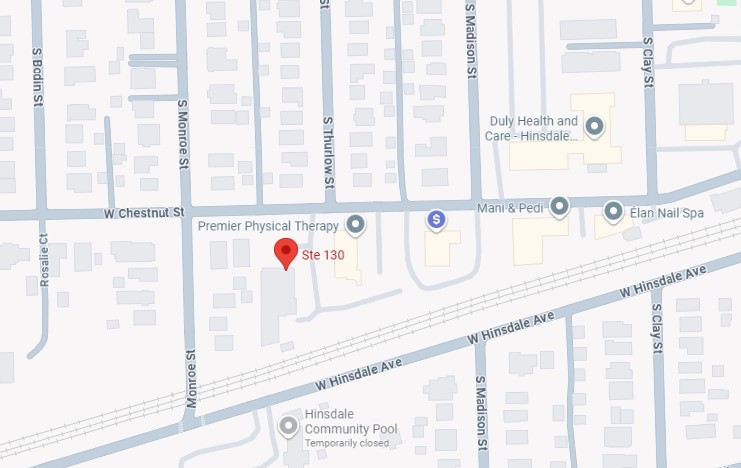
If you’re searching for SI joint pain treatment near Hinsdale, IL, expert care is available locally at: 522 W Chestnut Street, Suite GC, Hinsdale, IL 60521
A personalized treatment approach focuses on identifying the root cause of your pain and creating a plan tailored to your lifestyle, work demands, and activity goals.
You should consider professional evaluation if:
Early assessment can shorten recovery time and improve outcomes.
SI joint pain doesn’t have to limit your life. With proper diagnosis and targeted treatment, most people experience significant relief and return to normal activity.
If you’re in Hinsdale, IL or nearby communities, professional care is conveniently available to help you move comfortably and confidently again.
Disclaimer: This article is intended for educational purposes and should not replace medical advice. Always consult a licensed healthcare professional for diagnosis and treatment.
Pelvic floor health plays a crucial role in core strength, bladder control, pregnancy, and postpartum recovery – yet it’s often overlooked. Whether you’re pregnant, recently had a baby, or experiencing pelvic pain or incontinence, pelvic floor therapy near you in Hinsdale can make a life-changing difference.
At Pulse Physical Therapy Clinic in Hinsdale, our licensed physical therapists provide personalized therapy to help patients restore function, reduce pain, and improve overall quality of life.
Pelvic floor therapy is a specialized form of physical therapy focused on strengthening, relaxing, and coordinating the muscles that support the bladder, bowel, uterus, and core. These muscles are essential for:
Bladder and bowel control
Sexual health
Core stability
Pregnancy and childbirth support
Postpartum recovery
When the pelvic floor is weak, tight, or dysfunctional, it can lead to discomfort and daily limitations. Pelvic floor physical therapy addresses these issues safely and effectively.
Pelvic floor therapy is beneficial for both women and men, and is especially helpful if you’re experiencing:
Urinary or bowel incontinence
Pelvic pain or pressure
Pain during pregnancy
Diastasis recti (abdominal separation)
Pain during or after intercourse
Lower back or hip pain
Postpartum weakness or discomfort
If you’ve been searching for “pelvic floor therapy near me” in Hinsdale, Pulse Physical Therapy Clinic offers expert, one-on-one care tailored to your needs.

Pregnancy places significant stress on the pelvic floor due to hormonal changes, weight gain, and postural shifts. Many women experience symptoms such as pelvic pain, bladder leakage, or heaviness – but these are not something you have to live with.
Pelvic floor physical therapy during pregnancy can help:
Reduce pelvic, hip, and lower back pain
Improve bladder control and prevent leakage
Prepare pelvic muscles for labor and delivery
Reduce the risk of tearing during childbirth
Support posture and core strength
Improve breathing and relaxation techniques
At Pulse Physical Therapy Clinic in Hinsdale, our therapists use pregnancy-safe techniques to support you through every trimester.
After delivery, pelvic floor therapy helps restore muscle strength and coordination, addresses pain, and supports safe return to daily activities and exercise. Early care can prevent long-term complications and promote faster recovery.
When you visit Pulse Physical Therapy Clinic near you in Hinsdale, your pelvic floor therapy program may include:
Comprehensive pelvic floor evaluation
Gentle manual therapy
Core and pelvic strengthening exercises
Breathing and relaxation techniques
Education on posture and daily movement
Personalized home exercise program
Our goal is to help you feel confident, supported, and comfortable throughout your care.
Licensed, experienced physical therapists
One-on-one, personalized care
Pregnancy-safe and evidence-based treatments
Convenient Hinsdale location
Trusted local physical therapy clinic
If you’re searching for a physical therapist near me who specializes in pelvic floor therapy, Pulse Physical Therapy Clinic is here to help.
Don’t wait to address pelvic floor concerns – early treatment leads to better outcomes. Whether you’re pregnant, postpartum, or experiencing pelvic discomfort, expert help is close by.
Ankle pain and instability are common problems that affect people of all ages – from athletes and runners to office workers and seniors. Whether caused by a sudden injury or long-term overuse, untreated ankle issues can interfere with walking, balance, and daily activities.
If you’re searching for “ankle pain treatment near me” or “physical therapy for ankle instability in Hinsdale,”specialized physical therapy can help you recover safely and prevent future injuries.
In this guide, we’ll cover:
Ankle pain refers to discomfort, stiffness, or swelling around the ankle joint, while ankle instability is the feeling that your ankle may “give way,” especially on uneven surfaces or during activity.
Chronic ankle instability often develops after repeated ankle sprains that don’t heal properly.
The most frequent cause, especially lateral (outer) ankle sprains, resulting from sudden twisting or rolling of the foot.
Imbalances in the calf, peroneal, or tibialis muscles can reduce ankle support and control.
Conditions such as:
Tight muscle knots (trigger points) in the calf or foot muscles can refer pain to the ankle and limit mobility.
Osteoarthritis or post-traumatic arthritis can cause chronic ankle stiffness and pain.
After injury, the body’s ability to sense joint position may be reduced, increasing the risk of re-injury.
Ignoring these symptoms may lead to long-term joint damage.

Physical therapy is one of the most effective, non-surgical treatments for ankle problems. A customized therapy plan may include:
Advanced techniques like Trigger Point Dry Needling and FIMS can further enhance recovery.
Trigger Point Dry Needling involves inserting thin, sterile needles into tight muscle knots (trigger points) to relieve pain and restore normal muscle function.
Dry needling is particularly effective for:
Many patients experience noticeable relief within a few sessions.
FIMS is an advanced form of dry needling that combines precise needle placement with gentle electrical stimulation to activate muscles and nerves.
FIMS helps by:
It is especially effective for patients with recurrent ankle sprains and long-standing instability.
| Feature | Dry Needling | FIMS |
|---|---|---|
| Focus | Muscle trigger points | Muscle & nerve activation |
| Electrical Stimulation | No | Yes |
| Best For | Pain & tightness | Weakness & instability |
| Results | Pain relief | Strength + control |
Many physical therapists combine both techniques for optimal results.
| Treatment | Best For |
|---|---|
| Trigger Point Dry Needling | Pain relief & muscle tightness |
| FIMS Therapy | Muscle activation & stability |
| Combination Approach | Long-term recovery & injury prevention |
Along with therapy, prevention strategies include:
You should consult a physical therapist if:
Early treatment leads to faster recovery and prevents long-term issues.
Ankle pain and instability can significantly impact your mobility and quality of life, but they are highly treatable with the right approach. Physical therapy, combined with advanced techniques like Trigger Point Dry Needling and FIMS, targets the root cause of pain and instability – not just the symptoms.
If you’re struggling with ankle discomfort or repeated injuries, a personalized physical therapy plan can help you regain strength, stability, and confidence in every step.
If you’ve ever played sports long enough – whether competitively or just on weekends – you’ve probably heard this advice: “Just rest for a few days.” Sometimes, that’s exactly what your body needs. But other times, rest alone can quietly turn minor sports injuries into a long-term problem.
Let’s talk about when rest helps, when it doesn’t, and how to know the difference.
Sports injuries aren’t just “bad luck.” Most happen because of repeated stress, muscle imbalances, or movement patterns that overload the body over time.
Common sports injuries include:
Muscle strains and tears
Ligament sprains (ankle, knee, wrist)
Tendon injuries (Achilles, rotator cuff, patellar tendon)
Stress fractures
Shoulder, knee, and lower back pain
While rest can reduce pain and inflammation temporarily, it doesn’t always address why the injury happened in the first place. That’s where people get stuck.
Rest can work when:
The injury is mild
Pain improves steadily within a few days
Swelling goes down and movement feels normal again
You regain strength without discomfort
In these cases, rest paired with light movement is often enough for recovery. But if you’re still feeling pain after returning to activity, that’s your body asking for more support.
Here are some red flags athletes often ignore:
You rest, feel better, return to training – and the pain returns. This usually means the tissue healed, but the movement problem didn’t.
If a joint feels weak, unstable, or “off,” resting longer won’t rebuild strength. In fact, it can make things worse.
Limping, avoiding certain motions, or compensating with other muscles creates new injury risks.
Lingering pain often means deeper tissue involvement or poor load management.
Fear is a sign your body doesn’t feel safe moving yet – and rest won’t restore confidence.
Here’s the truth many athletes don’t hear early enough: Injuries heal best with the right movement – not no movement.
Active recovery helps by:
Restoring strength in weakened muscles
Improving joint stability
Correcting faulty movement patterns
Increasing blood flow for healing
Reducing re-injury risk
This is why professional athletes don’t just “wait it out.” They follow guided rehabilitation programs.

Physical Therapy goes beyond pain relief. It focuses on why the injury happened and how to prevent it from happening again.
A sports-focused physical therapy plan may include:
Targeted strength training
Mobility and flexibility work
Neuromuscular control exercises
Sport-specific movement retraining
Gradual return-to-play guidance
The goal isn’t just to heal – it’s to help you return stronger, safer, and more confident.
Some injuries rarely improve with rest alone, including:
Recurrent ankle sprains
Runner’s knee
Tennis or golfer’s elbow
Shoulder impingement
Achilles tendon pain
Chronic lower back pain in athletes
These conditions usually need structured rehab, not extended downtime.
Delaying proper treatment can lead to:
Chronic pain
Reduced performance
Longer recovery times
Compensatory injuries
Frustration and burnout
Many athletes end up sidelined not because of the original injury – but because they waited too long to address it properly.
Healing isn’t about how many days you rest. It’s about how well your body can move again. If pain, weakness, or instability is stopping you from playing your sport the way you want, rest alone may no longer be the answer.
Every aspect of your life, from getting through a workday to spending time with family, can be impacted by pain. Knowing when to see a physical therapist for pain relief can speed up your recovery and prevent long-term problems if you live in Downers Grove, Willowbrook, Indian Head Park, Darien, Clarendon Hills, Westmont, or La Grange.
A lot of people wait too long in the hopes that their pain will subside on its own. In actuality, early physical therapy frequently results in better long-term outcomes and a speedier recovery.
A physical therapist treats pain resulting from movement dysfunction, muscles, joints, and nerves. Physical therapy focusses on fixing the root cause of pain rather than using medication to mask symptoms by:
People in Downers Grove, Darien, and Westmont frequently look to physical therapy as a non-surgical, safe way to relieve their pain.
If pain doesn’t improve after 7–10 days, it may indicate an underlying issue that needs professional care. Ongoing back, neck, shoulder, or knee pain is a common reason people in La Grange and Clarendon Hills seek physical therapy.
If pain limits your ability to:
…it’s time to see a physical therapist. Restoring everyday movement is one of the primary goals of physiotherapy.
Pain that keeps coming back – especially in the lower back, neck, or joints – is often caused by poor movement patterns or unresolved injuries. Physical therapy helps correct these issues to prevent repeat flare-ups.
Whether it’s a sports injury, fall, or auto accident, early physical therapy can reduce recovery time and prevent chronic pain. Many patients from Willowbrook and Indian Head Park benefit from starting treatment soon after injury.
After surgery, physical therapy is essential to regain strength, mobility, and confidence. Delaying rehab can lead to stiffness, weakness, and slower healing.
Symptoms like tingling, numbness, burning, or weakness may indicate nerve involvement (such as sciatica). A physical therapist can safely address nerve-related pain and restore function.

Physical therapists help treat a wide range of pain conditions, including:
Patients from Downers Grove, Darien, and La Grange often choose physical therapy as a first step before considering injections or surgery.
Early physical therapy can help you:
Early treatment often means fewer visits and better long-term outcomes.
In many cases, you do not need a doctor’s referral to see a physical therapist. This allows patients in Westmont, Clarendon Hills, and surrounding areas to start treatment sooner and take control of their recovery.
Seek immediate medical care if pain is accompanied by:
Once serious conditions are ruled out, physical therapy is often the safest next step.
This approach helps relieve pain while reducing the chance of it returning.
If pain is affecting your comfort or quality of life, don’t wait. Seeing a physical therapist early can help you move better, feel stronger, and get back to doing what you love.
If you’re looking for physical therapy in Downers Grove, Willowbrook, Indian Head Park, Darien, Clarendon Hills, Westmont, or La Grange, professional care is closer than you think.
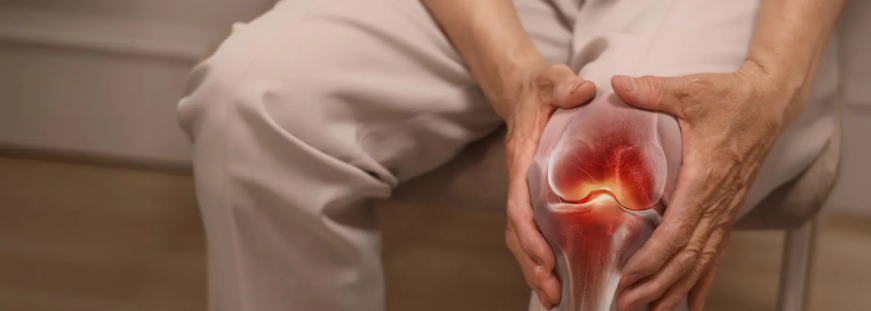
Knee arthritis is one of the most common causes of knee pain in adults. It can make simple activities — like walking, climbing stairs, or getting out of a chair — feel difficult or painful. The good news is that with the right treatment plan, many people can manage their symptoms, stay active, and avoid or delay surgery.
At Pulse Physical Therapy in Hinsdale, we help patients with knee arthritis improve mobility, reduce pain, and get back to the activities they love.

Knee arthritis happens when the smooth cartilage that cushions your knee joint begins to wear down. This can cause the bones to rub against each other, leading to pain, stiffness, swelling, and reduced motion.
The most common type is osteoarthritis, often called “wear-and-tear” arthritis. It can result from age, past injuries, overuse, or genetics. Some people may also develop rheumatoid arthritis, an autoimmune condition that affects joints throughout the body.
If these symptoms sound familiar, it’s important to get a proper evaluation — early treatment can help prevent further joint damage.
Physical therapy is one of the most effective non-surgical treatments for knee arthritis. The goal of PT is to reduce pain, improve mobility, and strengthen the muscles that support your knee joint.
Here’s how physical therapy can make a difference:
1. Pain Relief Techniques
Your therapist may use hands-on manual therapy, soft tissue massage, or joint mobilizations to decrease stiffness and improve circulation. Modalities like ice, heat, or electrical stimulation can also help relieve pain and inflammation.
2. Strengthening and Stability Exercises
Weak muscles around the knee — especially the quadriceps, glutes, and hips — can make arthritis symptoms worse. A tailored exercise program helps support the knee joint, improve balance, and reduce strain during daily activities.
3. Flexibility and Range of Motion
Gentle stretching and mobility exercises help maintain flexibility and reduce stiffness. Improving the range of motion can make walking, squatting, and climbing stairs easier.
4. Gait and Movement Training
If you’ve been walking differently to avoid pain, you may be putting more stress on other joints. Physical therapists help correct movement patterns and teach safe ways to move, protecting your knees long-term.
5. Education and Home Exercise Plan
A big part of therapy is learning what you can do at home. Your PT will create a personalized home exercise program and teach you how to manage flare-ups, choose supportive footwear, and make joint-friendly lifestyle changes.
You don’t need to wait until pain is severe to seek help. In fact, starting PT early often leads to better outcomes. If you’re noticing persistent knee stiffness, swelling, or difficulty with daily tasks, the Best Hinsdale physical therapy evaluation can help identify the root cause and prevent further progression.
Knee arthritis doesn’t have to control your life. With the right exercise program and professional guidance, you can stay active, manage your pain, and protect your joints for the long term.
At Pulse Physical Therapy in Hinsdale, we specialize in orthopedic and arthritis rehabilitation, helping patients restore strength, mobility, and confidence. Whether you’re looking to get back to walking comfortably or return to your favorite activities, Our orthopedic rehab specialists will help you every step of the way
Schedule your evaluation today at Pulse Physical Therapy -The Best Physical Therapy in Hinsdale — your local resource for knee arthritis treatment in Hinsdale.
If you’ve been dealing with foot pain, knee pain, or back discomfort, the problem might actually start from the ground up — your feet.
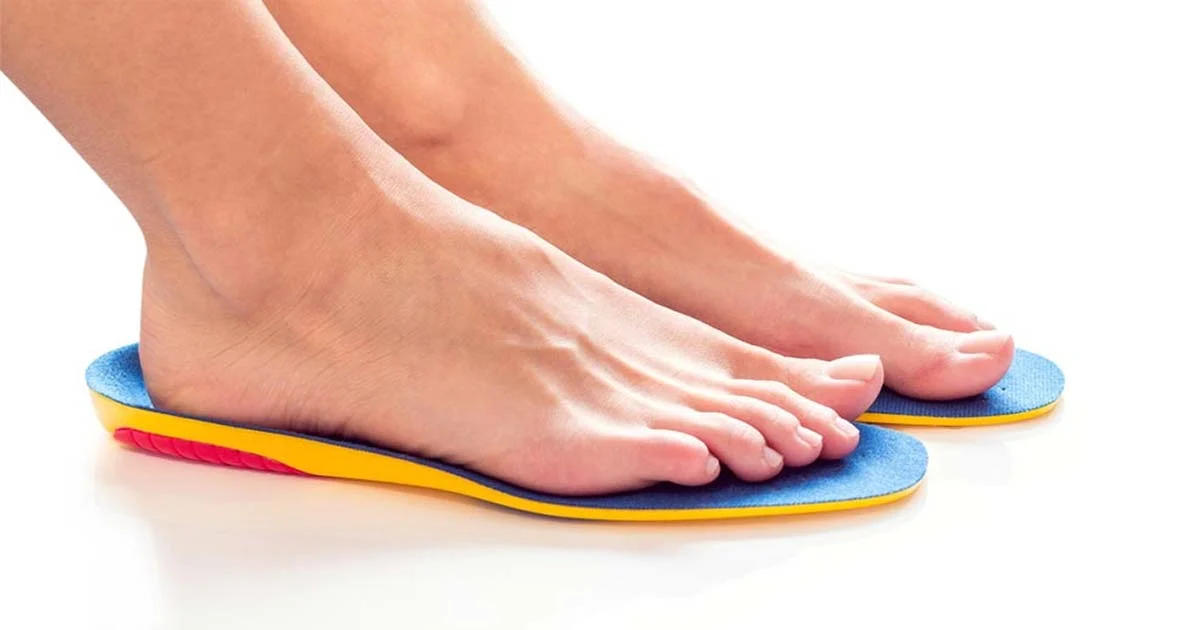
Custom orthotics are specially designed shoe inserts that provide the right support, alignment, and cushioning your body needs. At Pulse Physical Therapy in Hinsdale, we create custom orthotics to help patients move comfortably, reduce pain, and prevent future injuries.
Custom orthotics are medical-grade insoles made specifically for your feet. Unlike store-bought inserts, they’re not “one-size-fits-all.” Instead, they’re molded or digitally scanned to match your foot’s unique shape, arch, and pressure points.
These orthotics are designed to improve alignment and support—which can have a ripple effect on your entire body, from your ankles and knees up to your hips and spine.
Many people benefit from orthotics without realizing it. You might be a good candidate if you experience:
Even small changes in your foot structure can affect how your entire body moves. Custom orthotics help correct those imbalances before they lead to chronic pain.
Your feet act as the foundation for your whole body. When they’re not aligned properly, it can throw off your posture and how you walk or run.
Custom orthotics work by:
The result? Less pain, better balance, and more efficient movement.
At Pulse Physical Therapy, we start with a comprehensive gait and posture assessment and orthopedic rehab specialists. Your physical therapist will:
From there, we’ll take a digital foot scan or mold to capture the precise shape of your feet. This data is used to create your custom orthotics, ensuring the best possible fit and function.
Once your orthotics are ready, your therapist will make sure they fit properly and provide guidance on how to break them in and what shoes work best with them.
Orthotics can make a huge difference whether you’re an athlete, a busy professional, or simply someone who wants to walk without pain.
Your feet support you every single day — they deserve the right care. If you’re tired of living with foot or leg pain, custom orthotics can help you move more comfortably and confidently.
At Pulse Physical Therapy in Hinsdale, our specialists combine expert movement analysis and precision orthotic design to help you feel better from the ground up.
Schedule your custom orthotic evaluation today at Pulse Physical Therapy, your trusted local clinic for foot pain and orthotic solutions in Hinsdale.
Pelvic pain can affect anyone — and it’s more common than most people realize. Whether it’s a dull ache, sharp discomfort, or pressure in the lower abdomen or pelvic area, pelvic pain can interfere with your daily life, relationships, exercise, and overall well-being.
At Pulse Physical Therapy in Hinsdale, we specialize in treating pelvic pain and pelvic floor dysfunction through gentle, personalized care that addresses the root cause—not just the symptoms.

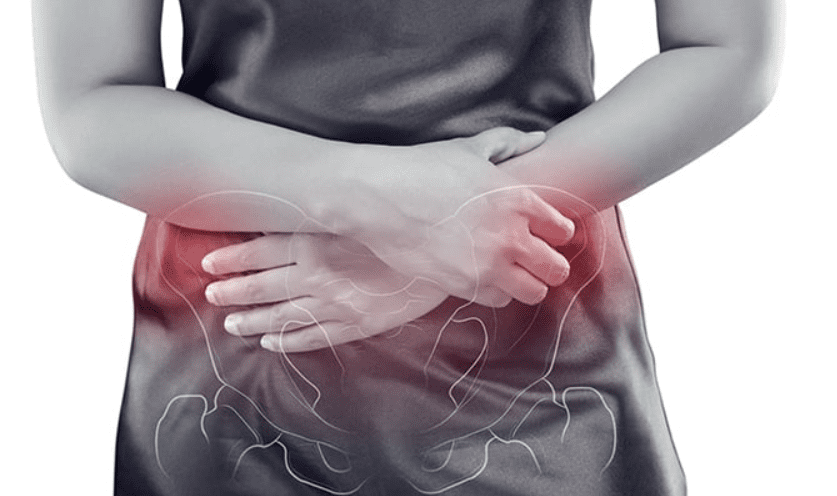
Pelvic pain refers to pain or discomfort felt anywhere in the lower abdomen, hips, groin, or pelvic floor. It may come and go or be constant. Some people describe it as pressure, heaviness, or tightness in the pelvic region.
Pelvic pain can stem from many different causes, including:
Because these areas are all connected, it often takes a whole-body approach to identify the real source of the pain.
Pelvic floor physical therapy is one of the most effective, evidence-based treatments for chronic pelvic pain. The pelvic floor is a group of muscles, ligaments, and connective tissues that support your bladder, uterus, and bowel. When these muscles become too tight, weak, or uncoordinated, pain and other symptoms can develop.
Your physical therapist will design a customized program to restore strength, flexibility, and balance to the pelvic region. Treatment may include:
1. Gentle Manual Therapy
Hands-on techniques to release tight muscles, reduce scar tissue restrictions, and improve blood flow.
2. Relaxation and Breathing Training
Learning how to relax your pelvic floor muscles and diaphragm can significantly decrease pain and tension.
3. Strengthening and Coordination Exercises
Targeted exercises help you regain control of your pelvic floor and core muscles, improving stability and posture.
4. Posture and Movement Training
Since pelvic pain often relates to body mechanics, your therapist may address hip and spine alignment to reduce strain.
5. Education and Lifestyle Guidance
You’ll learn strategies for pain management, bladder and bowel habits, sexual health comfort, and stress reduction.
At Pulse Physical Therapy, we treat a wide range of pelvic health conditions, including:
We work closely with you and your healthcare provider to create a coordinated care plan focused on long-term relief.
Your first visit includes a comprehensive evaluation of your posture, movement, core strength, sports physical therapy, and pelvic floor function. We’ll discuss your symptoms, medical history, and goals in a safe, private, and supportive environment.
From there, we’ll build a personalized treatment plan that fits your comfort level and progresses at your own pace. Our goal is to help you move comfortably, regain confidence, and feel like yourself again.
Pelvic pain is common—but it’s not normal, and it’s treatable. With the right therapy and support, you can heal, move freely, and reclaim your quality of life.
At Pulse Physical Therapy in Hinsdale, our pelvic health specialists provide compassionate, one-on-one care for women and men experiencing pelvic pain. Whether your pain started after childbirth, surgery, or gradually over time, we’ll help you get to the root cause and guide you toward lasting relief.
Schedule your pelvic floor physical therapy evaluation today at Pulse Physical Therapy, your trusted clinic for pelvic pain and women’s health physical therapy in Hinsdale.
info@pulsephysicaltherapyclinic.com or call us at (630)492-1137.
Pulse Physical Therapy accepts most major insurance plans. Before your first visit, our office will contact your insurance company to provide a breakdown of your benefits based on your individual policy. Please note that copays are due at the time of your appointment.
Illinois is a direct access state, which means you can see a physical therapist without a referral or prescription from a physician. This allows you to start your treatment promptly and begin your recovery as soon as possible.
For patients that do not have insurance, we offer a discounted self-pay rate, due at the time of service.
During your first appointment, a licensed physical therapist will review your medical history and evaluate your injury or condition. Baseline measurements of strength, flexibility, and mobility will be taken to help create a personalized plan of care tailored to your needs. Often, a brief treatment may be provided during this visit, and a home exercise program will be developed when appropriate.
Appointments are usually between 45-60 minutes.
Comfortable, loose-fitting clothing is best for your sessions. It’s helpful if you can expose the area being treated, though this isn’t required. During your evaluation and follow-up visits, your therapist may need to access the skin, muscles, and joints around the area you’re focusing on to accurately assess and treat your condition.