Weightlifting is a great way to build strength, improve fitness, and support long-term health. But if your shoulder starts hurting during bench presses, overhead presses, or lateral raises, even your regular workout can become difficult.
Shoulder pain after lifting weights can develop for several reasons, including overuse, changes in training intensity, limited mobility, or problems with how your shoulder moves under load. While taking a short break may help with mild soreness, persistent or worsening pain deserves attention.
The good news is that a shoulder injury does not always mean giving up weightlifting. With the right recovery plan, you can work toward restoring strength, improving movement, and returning to the gym safely.
Your shoulder is a very dynamic joint, which depends on muscles, tendons, and other surrounding tissue for stability with movement. If the training load surpasses what the tissue can handle, it will create pain and irritation.
One typical offense is adding too much weight, reps, or frequency too soon. Excessive overhead movement and heavy pressing movements can also load up the shoulder. Bad form when you do exercises or inadequate shoulder mobility could be factors, but don’t assume pain always equals “bad form”.
Notice the timing of the pain. For example, pain while doing a bench press may not be the same as pain when doing an overhead press or reaching behind your back. These nuances provide your doctor with clues as to what movements aggravate your symptoms.
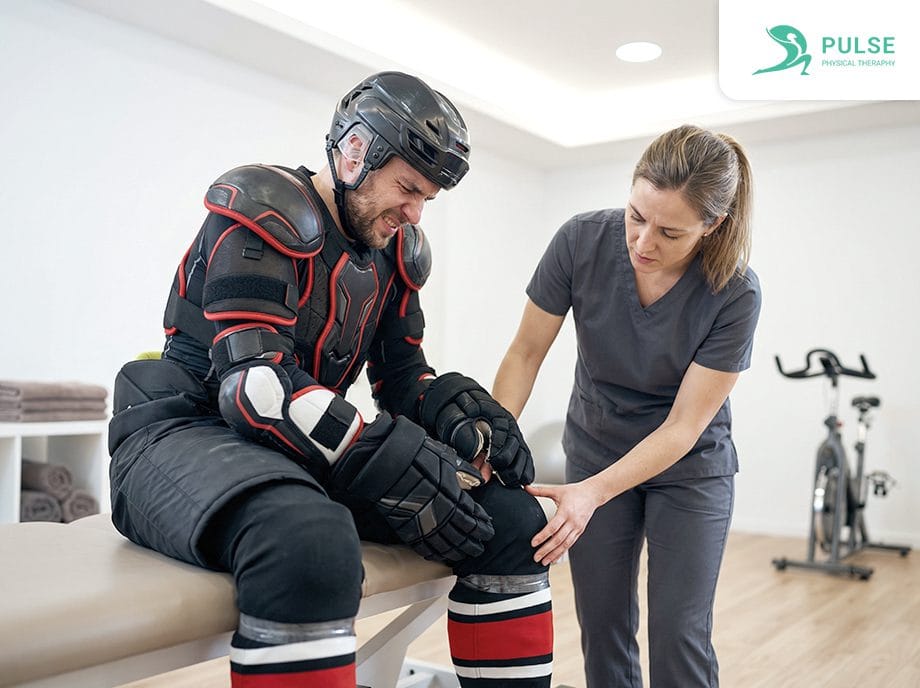
Not all episodes of shoulder pain mean you need to take a break from your workout. It may be tempting to power through pain, but the pain of sharp, increasing, or constant pain may make your condition worse.
Modify through periods of discomfort rather than automatically going through the motions, temporarily alter exercises that cause pain. You might be able to perform a number of your lower body workout or do other exercises while your shoulder heals.
Do not continue testing the painful movement with heavier weight to see if the problem has gone. If your shoulder pain keeps coming back or affects your everyday activities or your movement, seek an assessment.
If your pain is connected to a substantial injury, seek immediate medical attention if you have deformity, sudden severe weakness or are unable to move your arm. If shoulder pain is tied to chest pain, shortness of breath or sweating seek emergency care.

Recovery is not just a matter of time, waiting for the pain to go away. The aim of the game is to identify what’s causing your symptoms and work towards restoring your capacity for those movements.
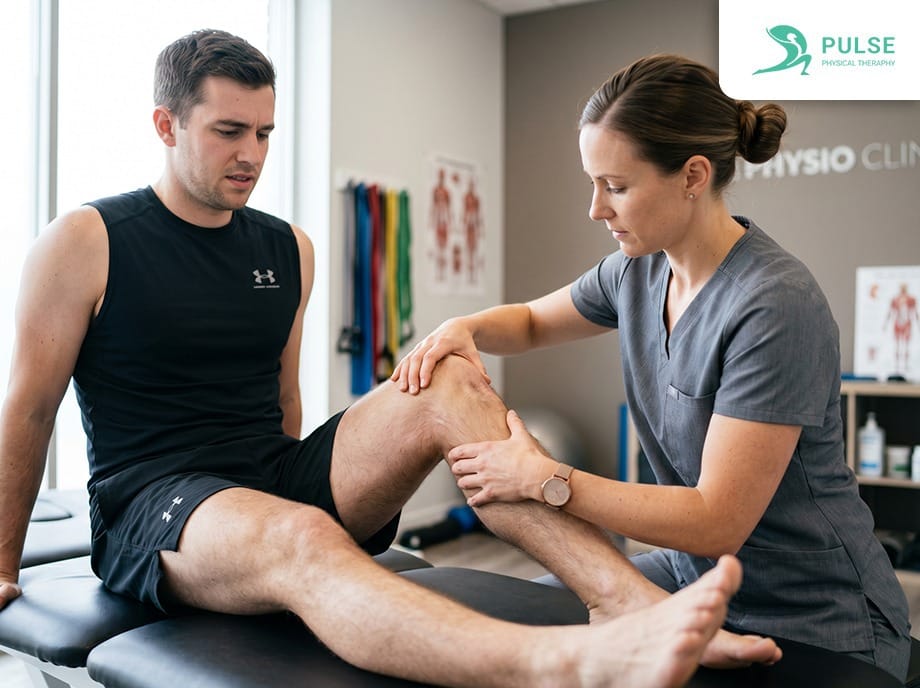
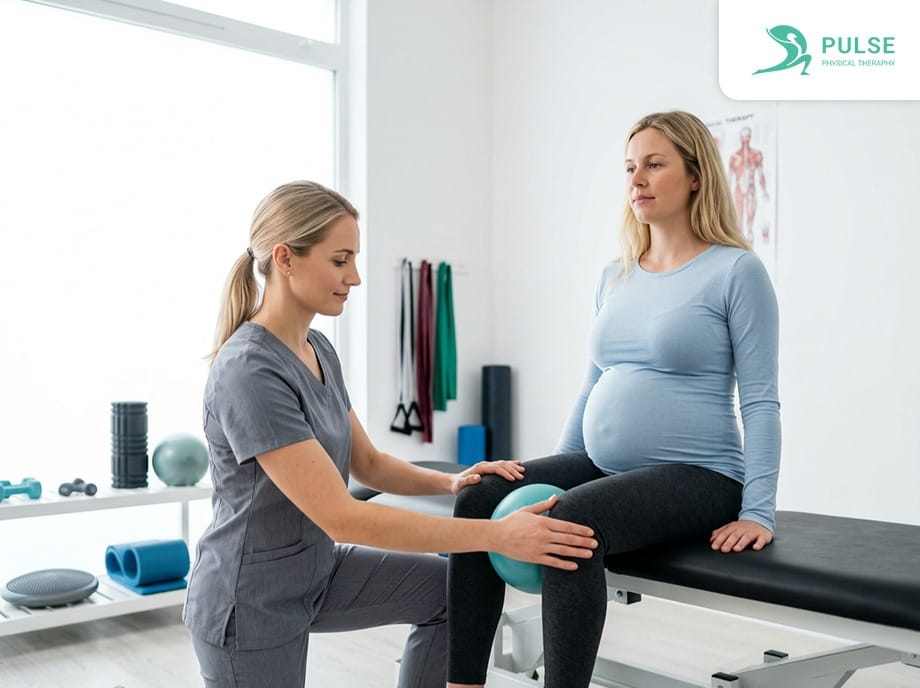
Your physical therapy for shoulder injury may start out with an evaluation of your shoulder mobility strength movement patterns, symptoms, and history of training. From there your physical therapist can create a plan centered on your needs, limitations, and fitness goals.
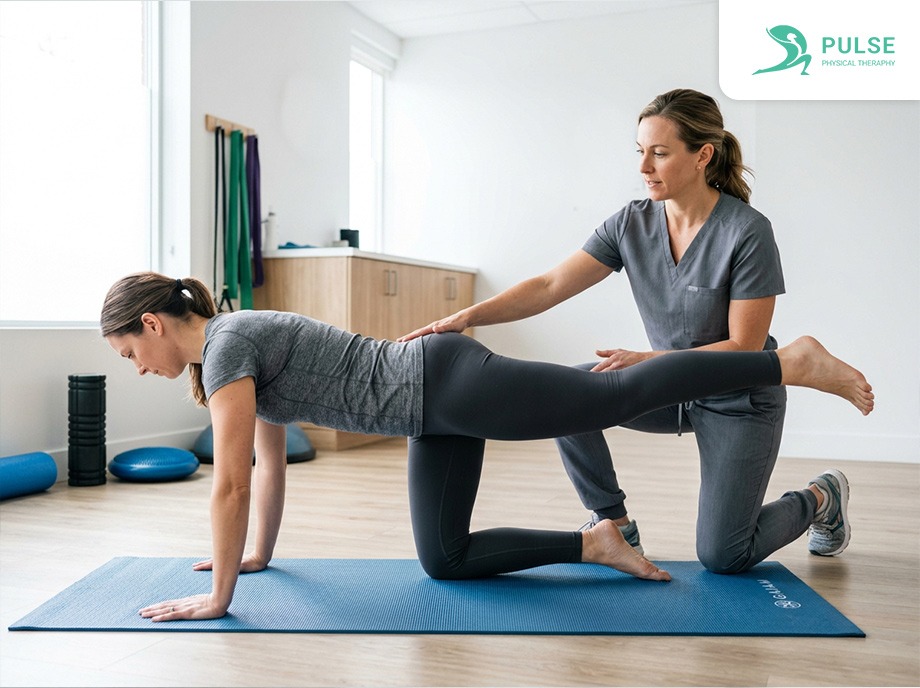
Your treatment may involve exercises to boost shoulder control, mobility exercises when suitable, gradual strengthening, and advice on changes to your training routine. The therapist may look at your shoulder blade, upper back and other muscles around your shoulders to help the movement.
Focus on slow improvement, not diving straight into strenuous strength training. Your plans for recovery should follow your symptoms, your strength and your ability to endure exercise.
The appropriate exercise will also vary based on your injury and your shoulder’s response to movement. An exercise that doesn’t cause you pain could very well flares symptoms for someone else, so don’t treat a generic exercise program as an alternative to an individualized one.
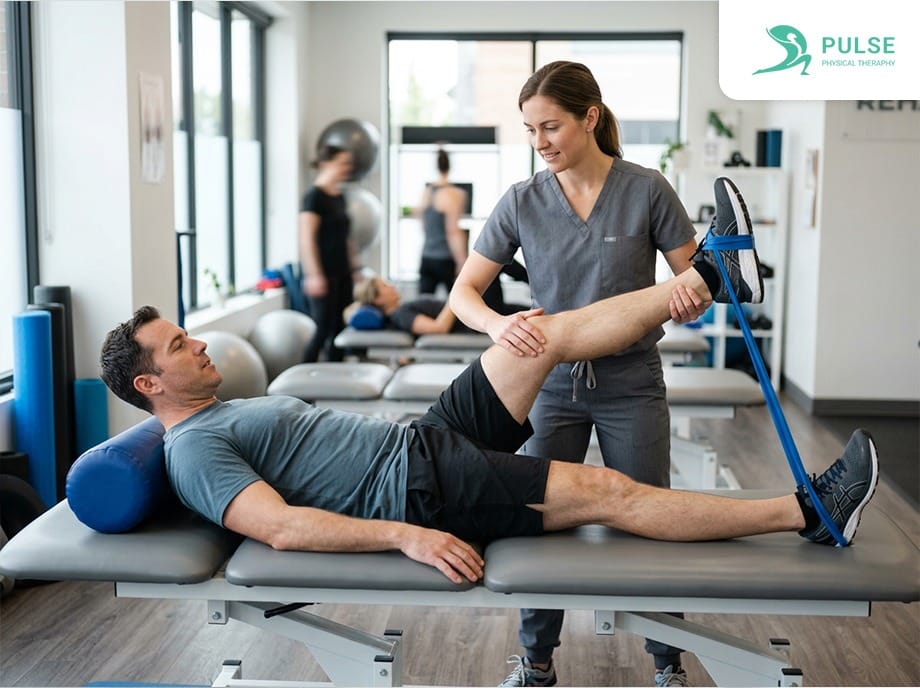
Your rehabilitation plan might also involve gentle range-of-motion, resistance-band exercises, rotator cuff strengthening, and exercises that help increase shoulder blade control, according to how you want to present.
Shoulder rehab exercises also can advance to more challenging activities as your symptoms begin to resolve and to get you ready for lifting. Your physical therapist can guide you in deciding when to increase resistance, repetitions, or exercise difficulty.
A few principles can guide your recovery:
Remember that rehabilitation is not about completing as many exercises as possible. Consistency, appropriate progression, and good symptom management matter more than rushing through a long list of movements.

Returning to the gym too quickly can cause symptoms to flare up, while avoiding movement for too long may leave you feeling weaker or less confident. A gradual return helps you rebuild tolerance without immediately placing your shoulder under its previous workload.
Start by identifying exercises you can perform comfortably. Depending on your symptoms, this might mean temporarily reducing the weight, using a different range of motion, or replacing a painful exercise with a suitable alternative.
For example, if a heavy bench press aggravates your shoulder, your physical therapist may help you explore a modified pressing movement or a different exercise while you rebuild strength. The appropriate option depends on your assessment and response to loading.
Before returning to your usual training intensity, work toward comfortable shoulder movement, adequate strength, and the ability to tolerate progressively challenging exercises. You should also be able to perform the movements required by your program without significant symptom flare-ups.
There is no single timeline that works for every shoulder injury. Some problems improve relatively quickly, while others require a longer rehabilitation process. Your progress should guide your return, not just the number of days you have spent away from the gym.
Although not every injury can be prevented, sensible training habits can help you manage the demands placed on your shoulders.
Warm up before challenging sets, increase weights gradually, and avoid making sudden changes to your training volume. Pay attention to fatigue, particularly when performing repeated pressing or overhead movements.
It is also worth maintaining a balanced program that includes appropriate pulling, pushing, and shoulder-strengthening exercises. Good technique matters, but so do recovery, sleep, training consistency, and choosing loads that match your current ability.
If shoulder discomfort repeatedly returns despite modifying your workouts, an assessment may help identify factors that need attention before you resume your full routine.
If it is not improving or is recurrent during activity, and if it affects daily activities, such as getting dressed and reaching or lifting objects, consult a professional. If you experience ongoing weakness or a significant loss of shoulder motion, a professional evaluation can be helpful.
Getting help from a physical therapist for shoulder pain Hinsdale can give your insight into potential causes of your pain and help you create a strategy aligned with what you want to accomplish. This is mainly important if your goal is to get back into strength training and not just eliminate discomfort.
Every patient has individual needs for recovery. At Pulse Physical Therapy Clinic in Hinsdale, treatment can help you restore mobility and strength, and develop the confidence to keep exercising. Your plan could also include instruction in modifying your training and advancing toward your favorite activities.
A shoulder injury can halt your training, but that doesn’t necessarily mean an end to your weightlifting career. The trick is to know what your shoulder is telling you, ease up on the activities that cause pain, and slowly regain strength at the speed your shoulder allows.
By creating an individualized plan of rehab you can progress towards moving more comfortably, increasing shoulder function and back to your workout with greater confidence.
Don’t let shoulder pain deter you from the gym. The team at Pulse Physical Therapy Clinic can guide you through your treatment options. Call us today to find out how you can get back in shape with sports injury treatment Hinsdale.
Recovery time depends on the type and severity of the injury, your overall health, and how your shoulder responds to treatment. Mild symptoms may improve within days or weeks, while more significant injuries can take several months. A professional assessment can help establish realistic expectations.
You may be able to continue exercises that do not aggravate your symptoms, but avoid pushing through sharp or worsening pain. Modifying your weights, movements, and training volume may help. Persistent pain or weakness should be evaluated by a healthcare professional.
There is no single exercise routine that works for every shoulder injury. Depending on your symptoms, rehabilitation may include mobility exercises, resistance-band movements, rotator cuff strengthening, and shoulder blade control exercises. A physical therapist can help select and progress exercises safely.
Yes. Rehabilitation can help address mobility restrictions, strength deficits, and difficulty tolerating exercise. Your plan can gradually prepare you for the movements and loads involved in your regular training routine. Progress depends on your specific injury and recovery.
Consider an assessment if your pain persists, repeatedly returns during exercise, limits your movement, or interferes with everyday activities. Sudden severe pain, significant weakness, or symptoms following a major injury may require prompt medical evaluation before beginning rehabilitation.