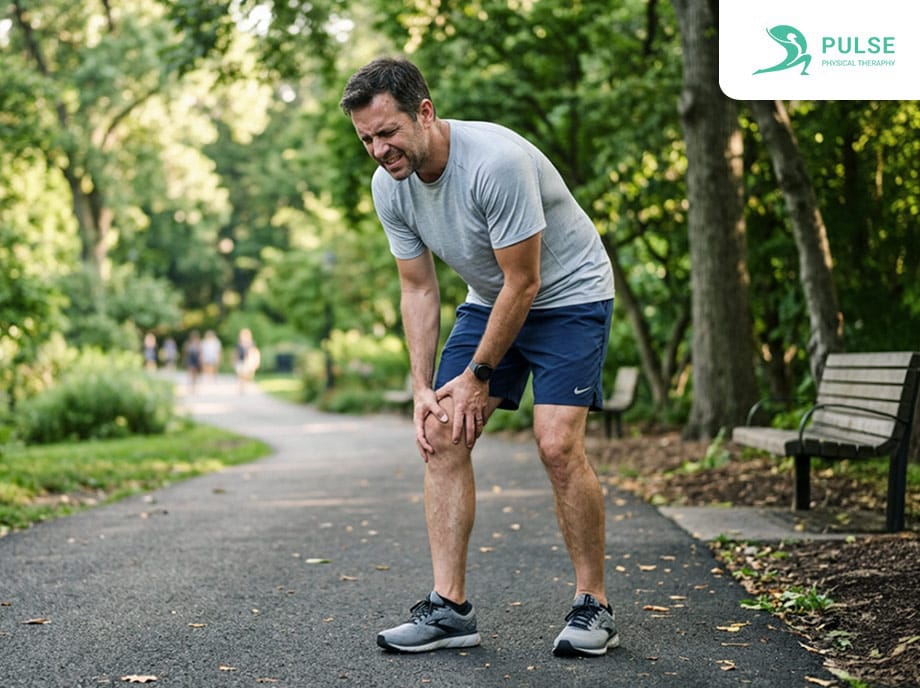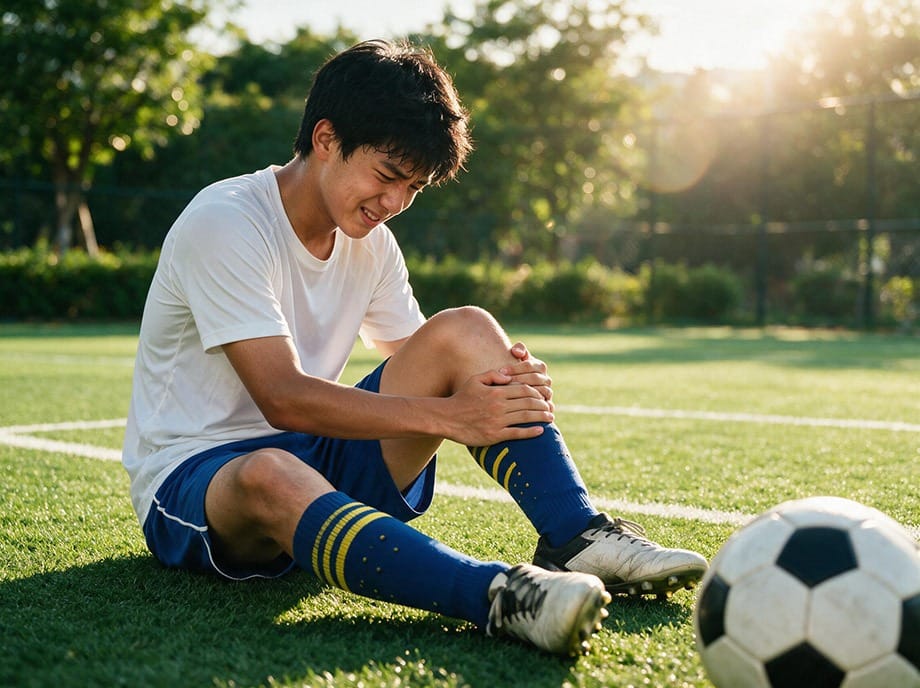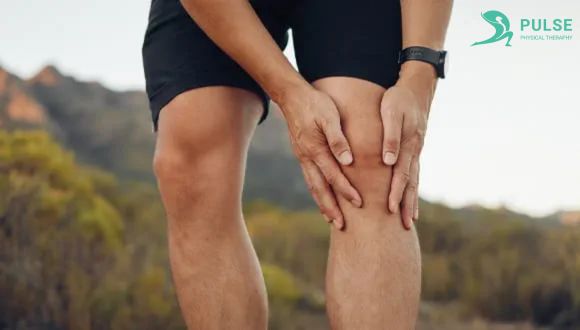
You don’t remember twisting your knee. You have not fallen, had an accident, or been through a sports injury. Still, somehow your knee has begun to hurt. This can be quite strange since often the cause is not some dramatic incident. Actually, there is no direct relationship between knee injuries and knee pain.
It is quite often the case that a person develops a certain lifestyle or activity combination that brings about the discomfort. The reasons usually include decreased muscle tone, tightness in the joints, arthritic changes, overuse of certain muscle groups, or alteration of the way your body moves. The problem might at first only be a slight pain that you sense when you’re going up the stairs or while you’re sitting and standing again.
Later, you might start to recognize the sensation when walking on a treadmill or just a heavy duty shopping trip. Soon the pain will start to bother even you doing your everyday activities like house chores or a game of tennis that before didn’t bring any discomfort.
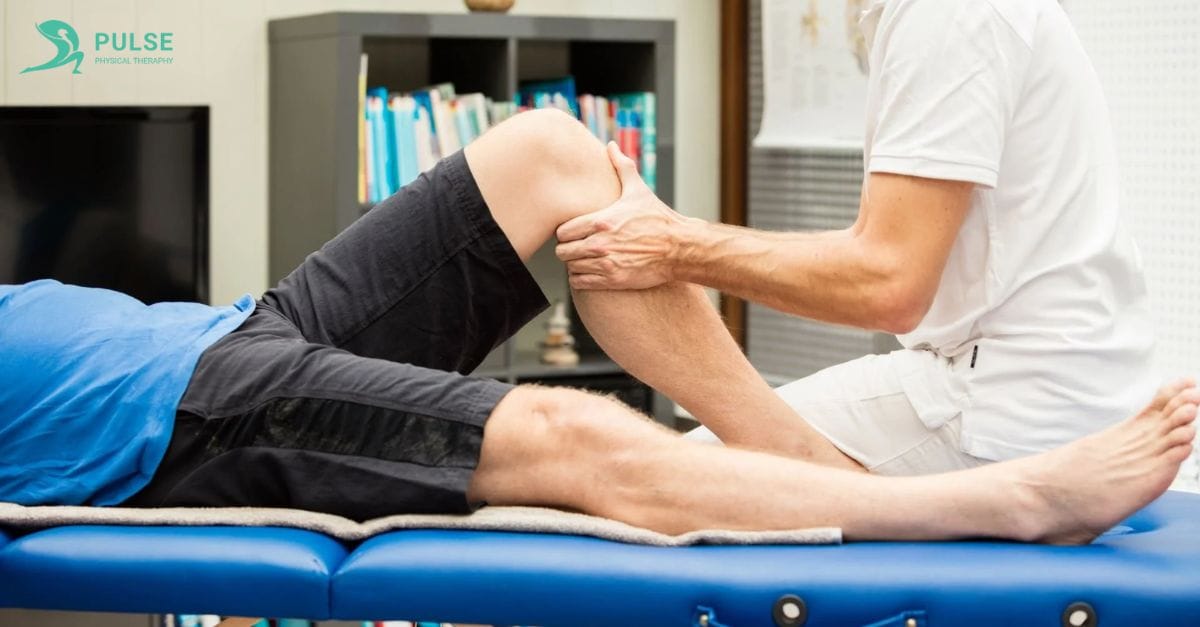
Figuring out the possible causes of your symptoms is crucial to begin the process. If you have continuing or recurring pain in your knee, a knee pain treatment Hinsdale can evaluate your gait, the level of strength you display, your ability to bend and your overall stamina, to come to a list of possible causes of the issue.
Your knee handles a significant amount of stress every day. Walking, running, climbing stairs, squatting, standing, and getting in and out of a chair all require your knee to absorb and manage forces.
Your muscles, joints, tendons, and other tissues normally work together to handle these demands. Problems can arise when the amount of stress placed on the knee changes faster than your body can adapt.
For example, you may start experiencing discomfort after increasing your walking distance, returning to exercise after a long break, starting a new sport, or spending significantly more time on your feet.
This doesn’t necessarily mean you’ve damaged your knee. In some cases, the tissues simply need time and appropriate training to adapt to the demands being placed on them.
Osteoarthritis knee pain caused by osteoarthritis may occur even when you haven’t had the slightest injury. In a knee joint, the changes that result in osteoarthritis take quite a while and usually don’t happen in a second, but rather, they may cause the knee in question to gradually lose its ability to move pain-free and perform the everyday tasks.
These changes occurring in the joint so slowly can make you unable to tell precisely when your knee started hurting. Most probably you start to realize your knee is hurting by noticing that the things you did very effortlessly have become uncomfortable.
The symptoms of osteoarthritis may include:
Knee pain treatment in Hinsdale customized program may help you not only to enhance your physical condition by strengthening your muscles and increasing your flexibility, but also to reduce pain when you undertake your regular chores.
The knee, of course, works only with the help of your muscle groups which control your movements around the hips, upper or lower legs when you walk run squat or do any sports activity.
When some of your muscles aren’t as strong to handle your level of activities your body will compensate for it by moving differently or shifting the focus of movement. This change in movement may be quite apparent at the moment you either unexpectedly raise your activity level, increase the intensity and frequency of your runs or come back in the middle of summer after long time without training.
Weak muscle is just one possible reason for the knee pain you’re feeling at least that’s what many patients report. It is one of the factors the physical therapy is going to be doing to make an identification of the possible causes.
An expert in physical therapy for knee pain might evaluate your strength in your legs and decide whether you really can and ought to train certain groups of muscles or there are other things that may cause your symptoms.
Physical conditioning in itself should not only concern about increasing the muscular strength but also the power and control that you need for your daily activities that bring you great enjoyment and satisfaction.
Some knee pain is the body’s way of saying that it has been overworked.
Maybe you decided to run a race at the last minute or started walking more than you used to at work. You could have even enrolled in a workout class and gone to the gym again after being away for months. Increasing your activity levels is generally a good thing but your body does need time to get used to the changes.
The knee could get sore or painful at very rapid levels of activity, even if, for instance, there has been no actual injury.
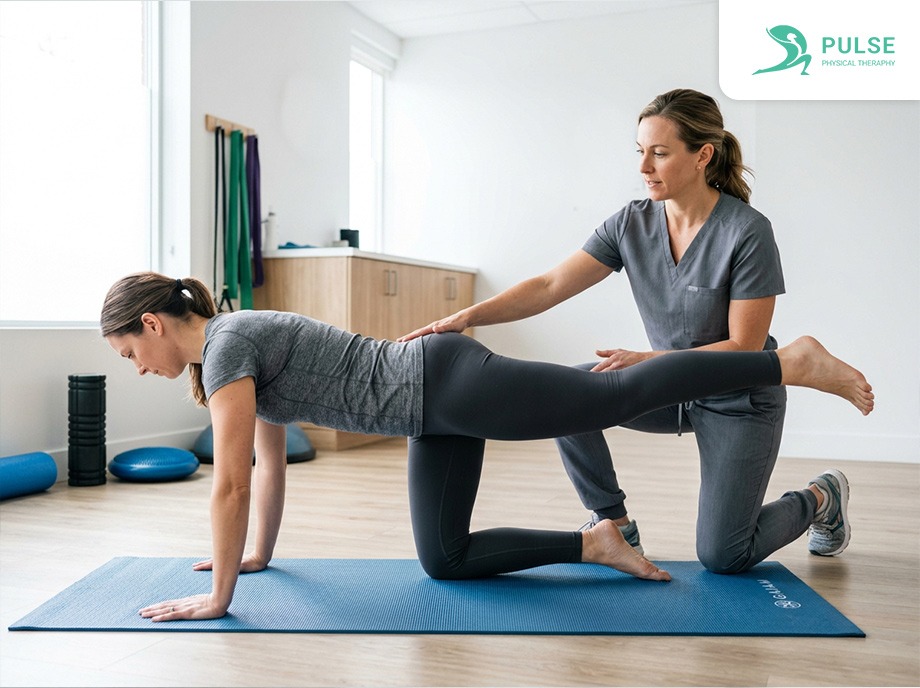
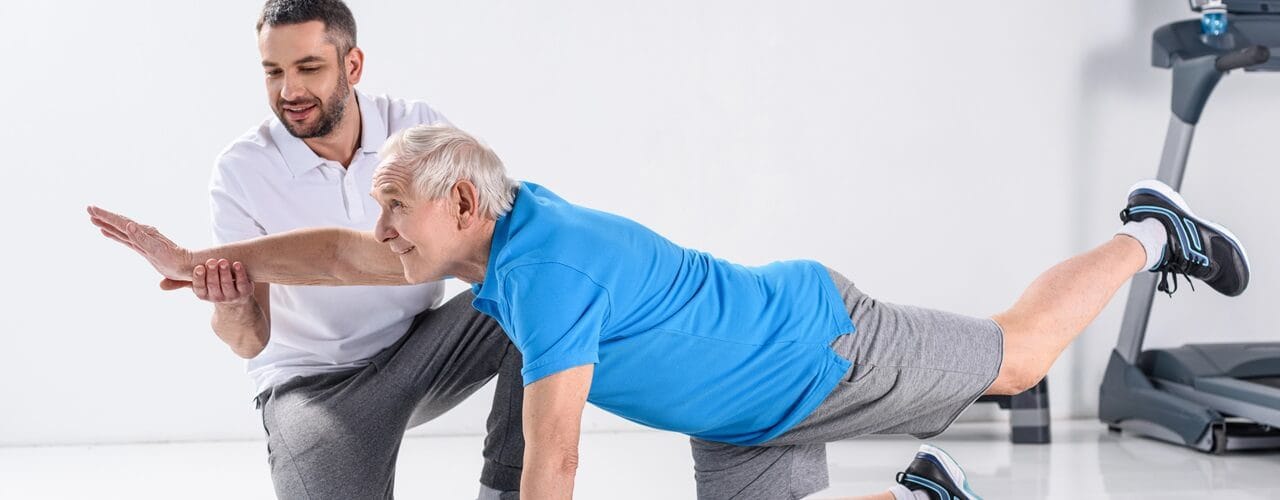
This is one of the cases where rehabilitation is really helpful. Rather than giving up entirely on the activities that you like, a PT will help you assess your limitations and will develop a program of exercises to slowly increase your endurance.
This is a perfect solution for knee rehabilitation in Hinsdale as it offers a safe and efficient way back to workouts.
When your knee hurts, it’s natural to focus only on the knee. However, your lower body works as a connected system.
Your hip, knee, ankle, and foot all contribute to movement when you walk, run, jump, squat, or climb stairs. Changes in strength, mobility, balance, or coordination in one area can influence how you move through another.
That doesn’t mean that a problem in your hip or ankle is automatically causing your knee pain. Rather, it demonstrates why a comprehensive physical therapy assessment may look beyond the painful area.
A physical therapist can evaluate how different parts of your lower body work together and identify areas that may need attention as part of your rehabilitation.
If you have pain located around or behind your kneecap, then patellofemoral pain could be one of the possible causes.
Patellofemoral pain as a category often gets triggered by activities that involve repetitive flexing or loading of the knee joint. For example, running squatting, staircase navigation, jumping, and even sitting with bent knees for long stretches might occasionally worsen the symptoms.
Detection of the cause can be very difficult since the knee pain usually develops so subtly that you might not even recall having done something that caused an injury to the knee.
Potential reasons for patellofemoral pain vary a lot given the individual. The possible causes include: modification of activities, limitations in muscle strength and capacity, decreased mobility, and different patterns of how a knee responds to repeat loading.
Instead of looking for one movement as the only culprit, a therapist will check your situation and point out possible factors to consider to work at the root of your issue.
Tendons connect muscles to bones and help transfer force when you move. Repetitive activities such as running, jumping, or certain types of strength training can place repeated demands on the tendons around the knee.
When those demands increase faster than your body can adapt, discomfort may gradually develop.
You may notice pain during a particular activity rather than experiencing one sudden moment when something went wrong. Appropriate activity modification and progressive strengthening can be important parts of rehabilitation.
The objective isn’t necessarily to avoid movement altogether. Instead, the focus can be on gradually increasing the amount of activity your knee and surrounding tissues can tolerate.
You don’t necessarily need a new injury for an old problem to start bothering you again.
If you’ve previously injured your knee or undergone surgery, you may have developed changes in strength, mobility, balance, or movement. These differences may not be noticeable during normal daily activities but could become apparent when you increase your physical demands.
For example, someone who has been comfortable walking for months may notice knee discomfort after suddenly returning to running or recreational sports.
This is why a physical therapy assessment often includes questions about previous injuries and surgeries. Understanding your history can help your therapist develop a more complete picture of how your current symptoms may have developed.
Not every episode of knee soreness requires professional treatment. Your knee may occasionally feel uncomfortable after an unusually demanding workout or active day and then settle down with appropriate recovery.
However, persistent or recurring pain deserves attention, particularly when it begins changing your normal routine.
You may want to consider getting your knee evaluated if the pain continues, keeps returning, interferes with exercise, makes stairs or walking difficult, or causes you to avoid activities you normally enjoy.
An evaluation doesn’t automatically mean you’ll need extensive treatment. It can simply help you understand what may be contributing to your symptoms and what options may be appropriate.
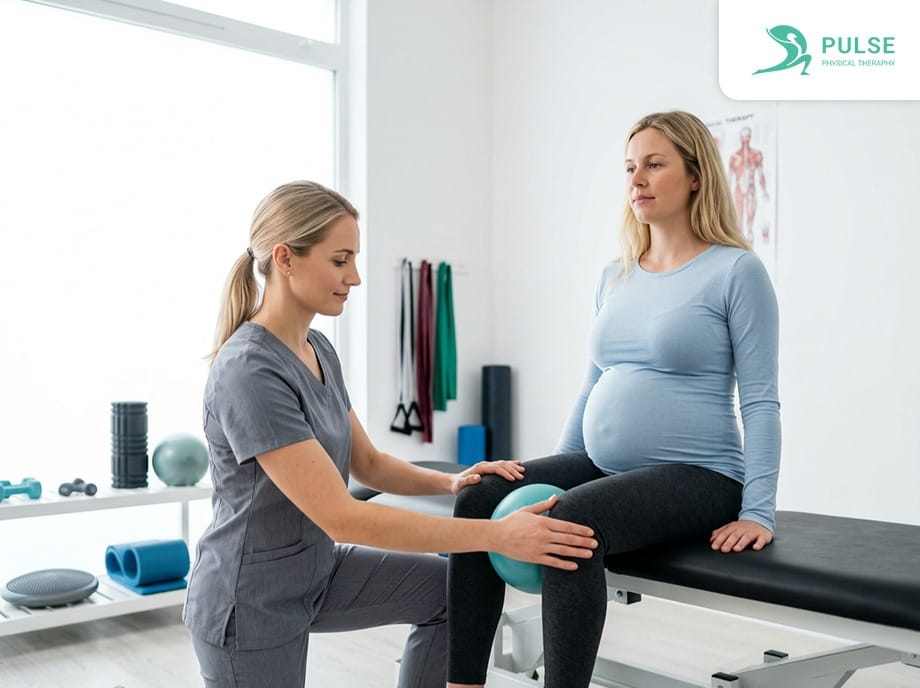
Physical therapy isn’t simply about treating the area that hurts. The first step is understanding how your knee is functioning and how your symptoms are affecting your everyday activities.
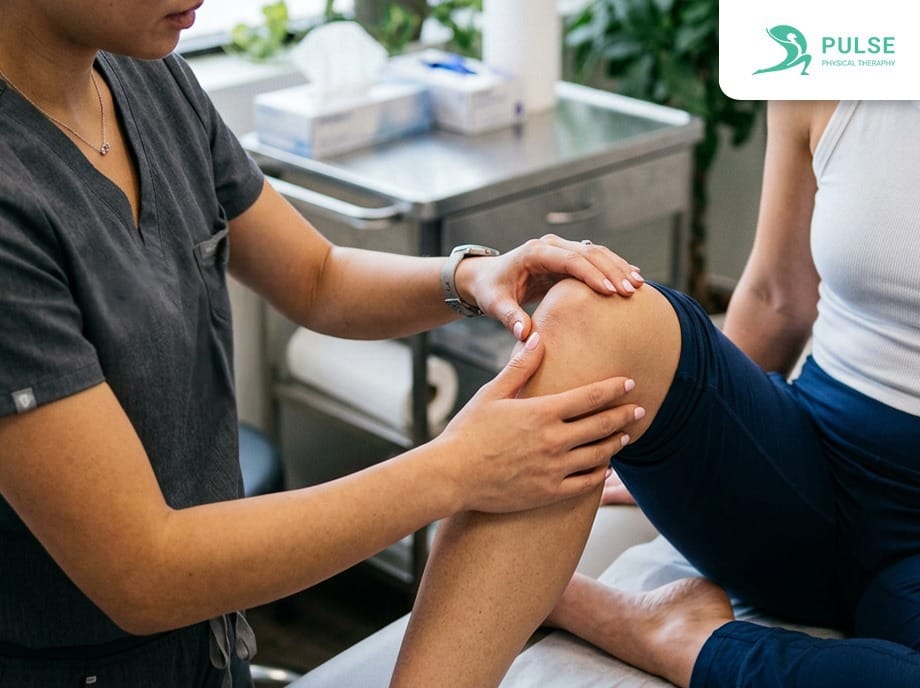
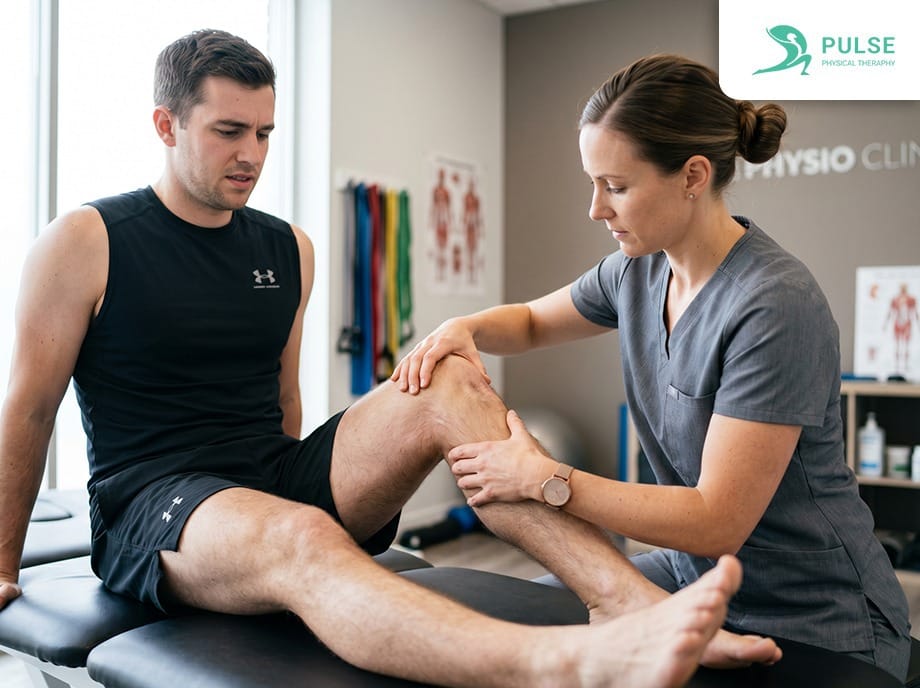
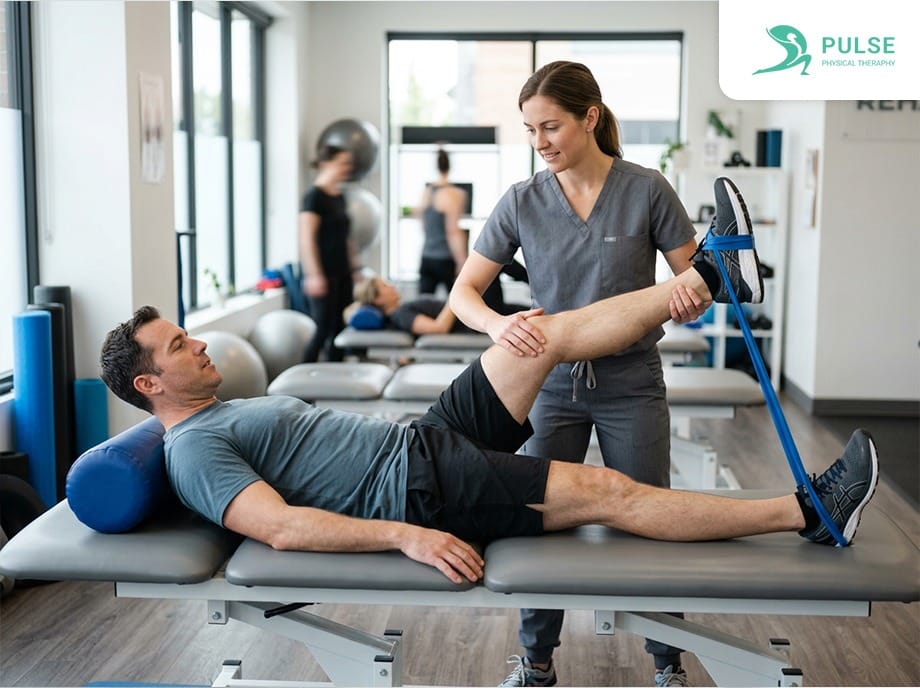
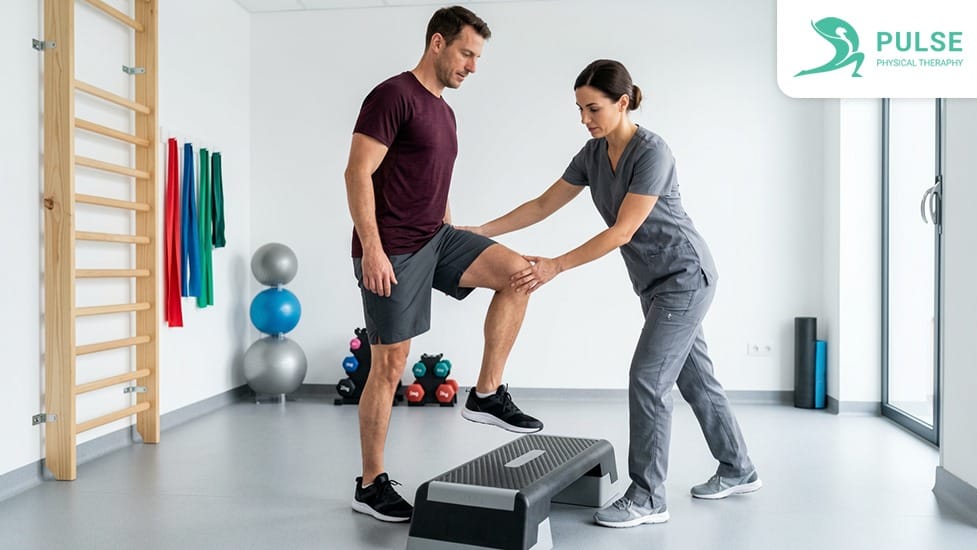
During an evaluation, a physical therapist may assess your knee mobility, strength, flexibility, balance, movement patterns, and ability to perform activities that are important to you.
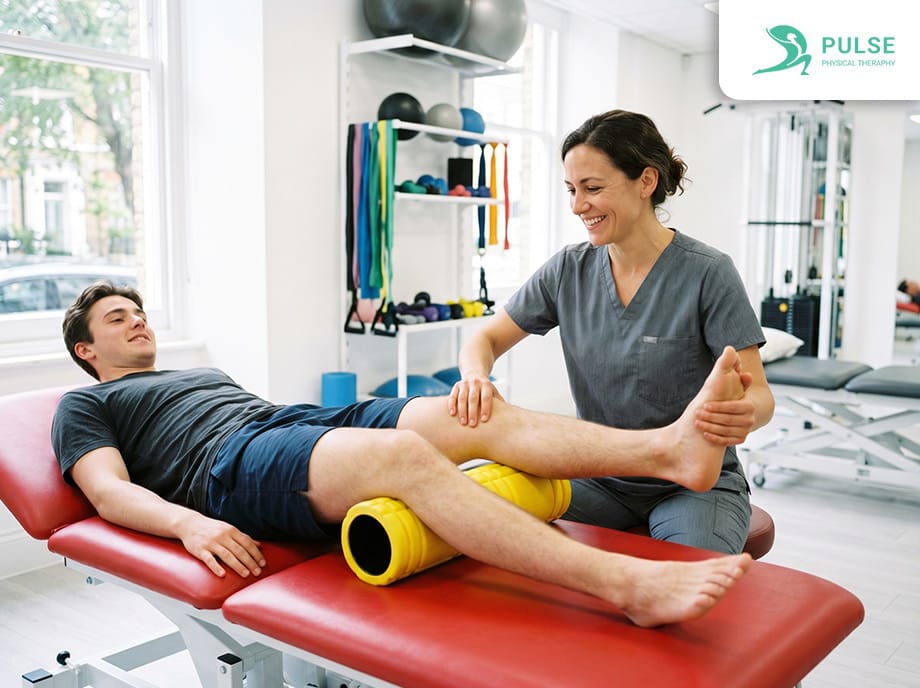
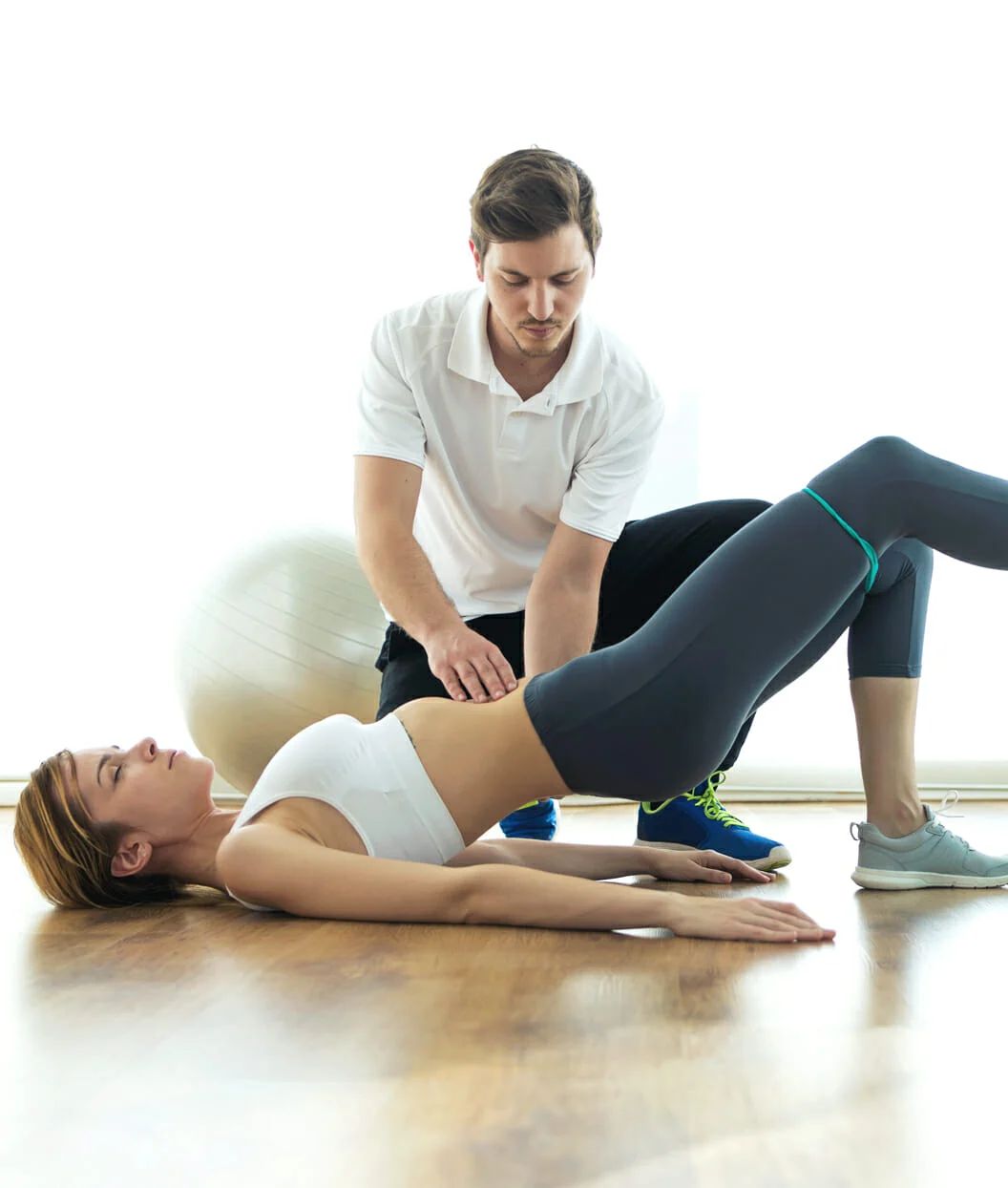
Now that the assessment is done we can plan how to proceed based on the things revealed. You can expect strength building exercises, mobility work, movement training, changing activity, teaching you to handle your condition, and helping you progress.
The routine you get shouldn’t continue without any change. When you gain strength and have improved your tolerance, it is time for the therapist to get your challenge level up and to support you in achieving your targets.
A person who is eager to be able to run may find that running-oriented workouts will be one of the last phases of the rehab process.
A person in the grip of arthritis will probably want to concentrate on getting stronger and making daily activities less of a struggle.
Because of this, knee rehabilitation in Hinsdale must not become an assembly line but rather a tailor-made journey.
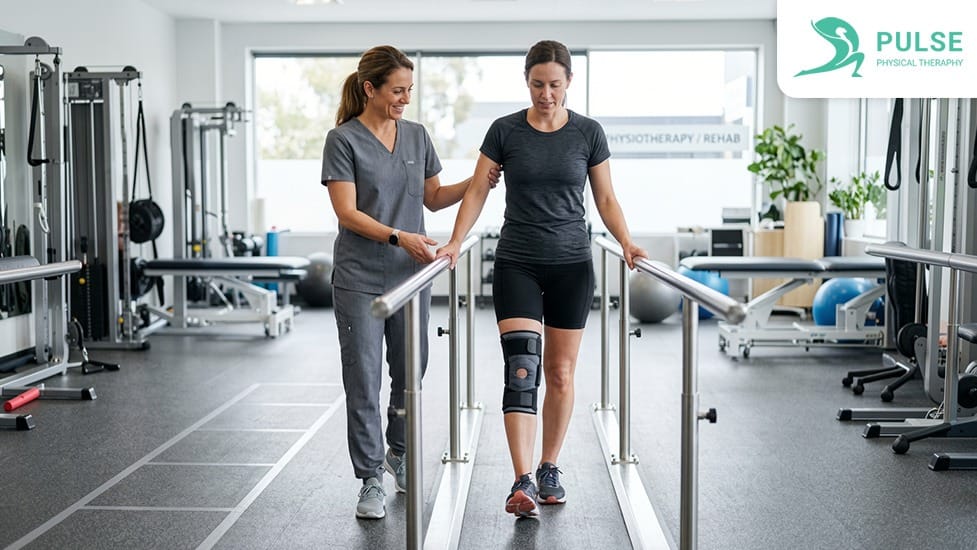
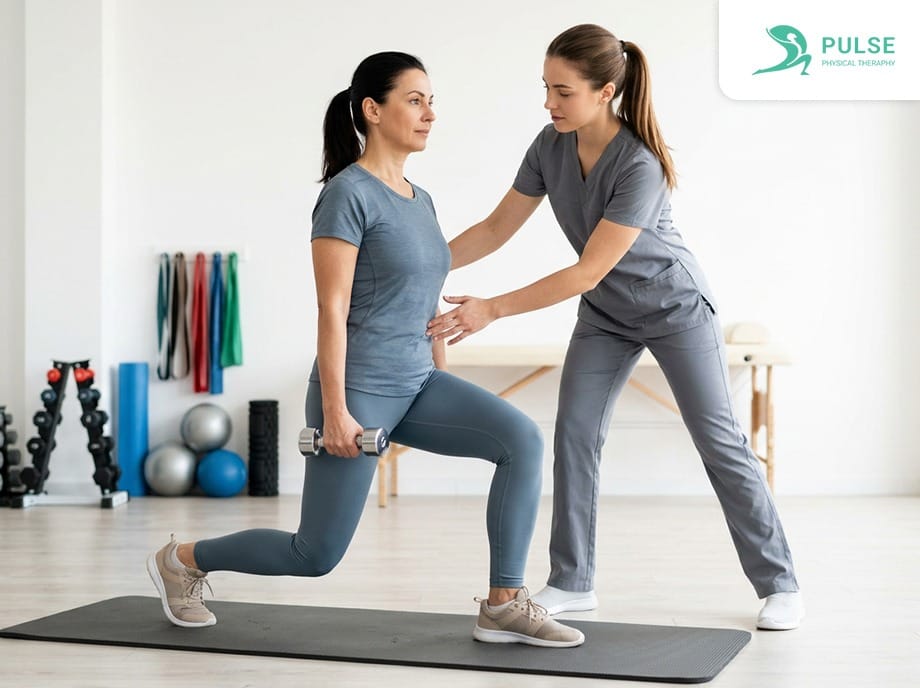
Knee rehabilitation isn’t necessarily about doing a handful of exercises repeatedly until the pain disappears. A good program should change as your body changes.
Your physical therapist may initially focus on helping you move more comfortably and improving any limitations identified during your assessment. As your capacity improves, the program can become progressively more challenging.
Depending on your goals, this could eventually involve strength training, balance exercises, functional movements, walking or running progression, or activity-specific exercises.
The objective is to help your knee become better prepared for the demands you want to place on it.
When knee pain has been present for months, it’s understandable to wonder whether it will ever improve.
Chronic pain can also change your behavior. You may exercise less because you’re worried about making your symptoms worse. You might avoid stairs, walks, sports, or activities with friends and family.
Over time, reduced activity can affect your strength and confidence in movement as well.
Chronic knee pain therapy can focus on gradually improving strength, mobility, physical capacity, and confidence while taking your current symptoms into consideration.
The approach will depend on what’s contributing to your pain. There isn’t one exercise or treatment that works for every person with chronic knee pain.
Knee pain doesn’t always start with a dramatic injury. Sometimes it begins with a mild ache that slowly becomes more noticeable until it starts interfering with your routine.
You don’t necessarily have to wait until the pain becomes severe before getting it evaluated.
Understanding what may be contributing to your symptoms can help you make more informed decisions about your activity and treatment options. A physical therapist can assess your movement and determine whether rehabilitation may be appropriate for your situation.
If you’re experiencing persistent or unexplained knee pain, knee pain physical therapy in Hinsdale can provide a structured way to understand your symptoms and work toward better strength, mobility, and function.
At Pulse Physical Therapy, treatment can be tailored around your symptoms, activity level, and personal goals. Whether you’re trying to return to exercise, manage ongoing discomfort, or make everyday movement easier, an individualized approach can help you work toward those goals.
If you’re searching for a knee rehabilitation clinic in Hinsdale, contact Pulse Physical Therapy to book knee physical therapy in Hinsdale and take the next step toward understanding your knee pain.
Yes. Knee pain can develop gradually due to factors such as osteoarthritis, overuse, muscle weakness, tendon irritation, changes in activity, or movement-related factors.
There isn’t one cause that applies to everyone. Gradual knee pain can have several possible contributors, including arthritis, overuse, muscle weakness, and changes in movement or activity.
Physical therapy can help many people manage knee pain through individualized strengthening, mobility exercises, movement training, and activity modification. The appropriate approach depends on the underlying condition.
Consider an evaluation if your knee pain persists, repeatedly returns, affects walking or stairs, limits exercise, or prevents you from participating in activities you enjoy.
The timeline varies depending on the cause and severity of your symptoms, how long you’ve experienced the pain, your physical condition, and your goals. A physical therapist can develop a rehabilitation plan based on your individual needs.