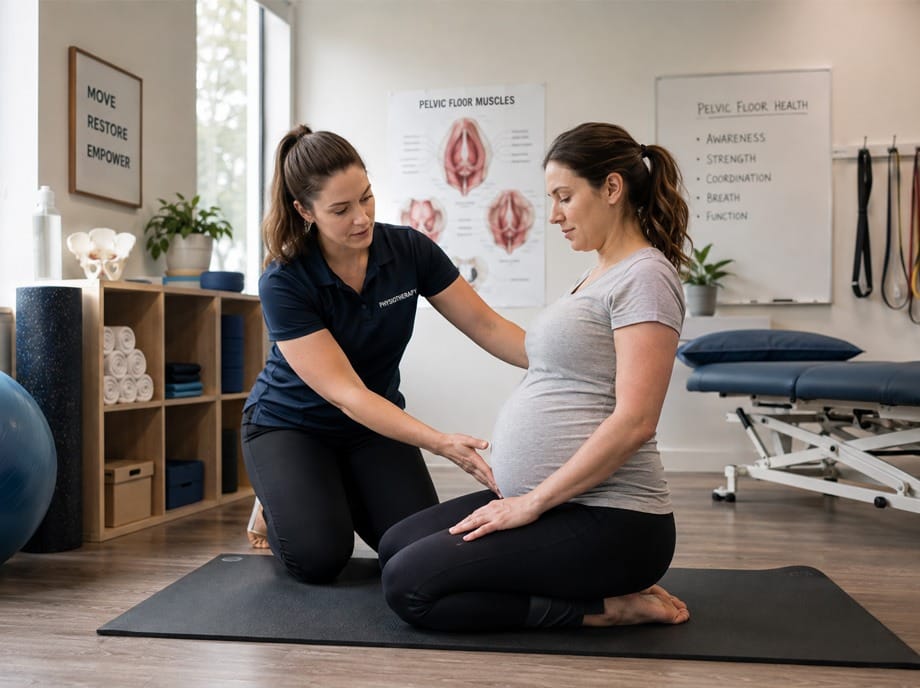
Pelvic discomforts are not only ignored as minor nuisances but most sufferers end up attributing their condition to aging or just taking it as a fact of life. A number of these symptoms, for example leaking of urine, postpartum pelvic discomfort, and pelvic pressure, can be symptoms that the muscles of the pelvic floor (which support pelvic organs, control bowels, bladder etc.) are functioning abnormally, and it becomes clear after proper management with treatment which has right techniques these symptoms can be greatly reduced and in some cases symptoms can be removed.
We at Pulse Physical Therapy provide individualized “pelvic floor physical therapy Hinsdale” programs targeting your main issue, not merely masking the symptoms of the disorder. If you are post-partum and still have pain or you just need therapy because of pelvic pain, pelvic floor physical therapy is a great remedy for regaining strength, coordinating movements of the muscles, and getting on with life without discomfort.
The pelvic-floor muscles form part of a complex arrangement of muscles and ligaments that collectively support the bladder rectum uterus for females, and other pelvic organs.
In cases where the pelvic-floor muscles are either weak, contracted, or not functioning properly they can give rise to different discomforts affecting the quality of life on a very personal level. “Pelvic floor therapy” is a targeted and personalized form of physical therapy that aims basically at bringing about a return to normal functioning muscles with rehabilitation which, in turn, is helping patients deal with pain, enhance their strength, and feel a renewed sense of well-being doing everyday things.
Because each patient with pelvic floor disorders has different symptoms, it is very important that treatment is adjusted to individual symptoms, needs of the patient, and recovery goal.
Despite the availability of specialized physical therapy solutions, many individuals wait to seek treatment because they think that they are just going through normal experiences like aging, pregnancy, or childbirth. You may benefit from pelvic floor therapy if you experience:
If you think that your symptoms are similar to this, then the only way to find out is to have a thorough assessment.
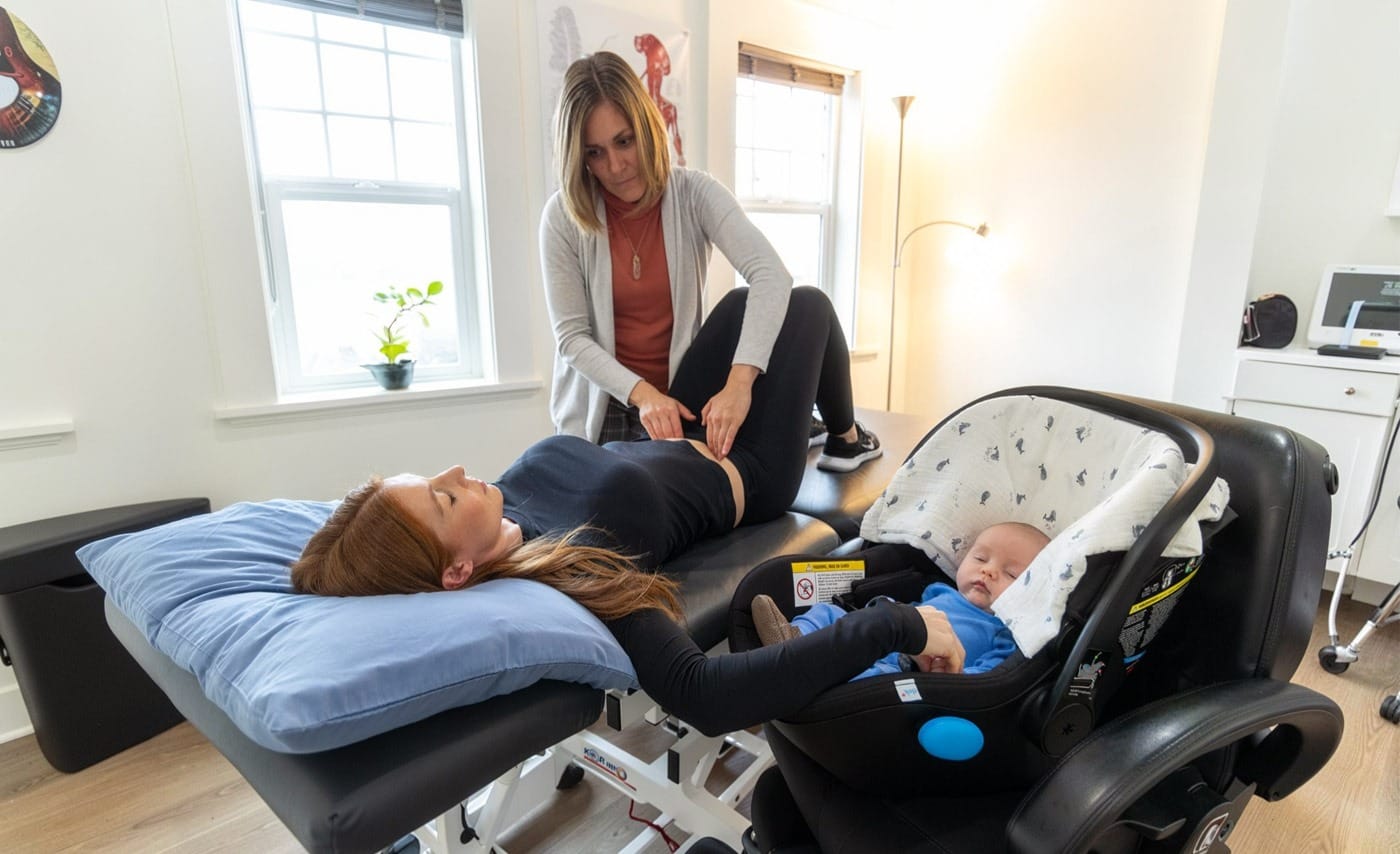
Pelvic floor rehabilitation addresses much more than urinary leakage. It is an effective treatment option for several conditions affecting both women and men.
The problem is persistent pelvic pain, it’s a condition that can make the whole life miserable even when you only have to work or go for a jog or when even you are trying to build relationships with people or just living the daily life.
By working on “pelvic pain therapy Hinsdale” in a way uniquely tailored to a person’s situation and needs, physical therapists are able to figure out which muscles and movement patterns are causing the discomfort that one feels and also come up with treatment strategy which will aim at minimizing the pain, and yet enhancing the function.
A lot of people view urinary leakage as a condition they should just live with. The truth is, “urinary incontinence treatment Hinsdale” may often involve pelvic floor rehabilitation to build up bladder control muscles and better muscle coordination.
Mildly changing the approach in daily life with treatment as necessary usually results in improved bladder control and increased confidence.
Pregnancy and giving birth can really put a strain on the pelvic floor muscles. Postpartum pelvic floor therapy is a great way to regain muscle strength, increase stability, decrease leakage, and enable the woman to go back to her physical activities more safely.
Besides that, this treatment helps in overcoming muscle weakness, core instability, and abnormal movement patterns that happen frequently post-delivery.
Prolapse of the pelvic organs can develop when the muscles and tissues designed to support the bladder, uterus or rectum weaken causing one or more of the organs in the pelvis to sag or slip downward. Commonly there is awareness of pressure, dragging sensations or a feeling of bulge Most of all if they’ve been staying for long periods of time.
Pelvic floor therapy for numerous people who are mildly to moderately prolapsed can help strengthen supportive musculature, address core stability, lessen symptoms, and enhance quality of life without resorting to more invasive procedures.
Many patients are surprised to learn that pelvic floor dysfunction can contribute to lower back pain, hip discomfort, and reduced core stability.
The pelvic floor works together with the diaphragm, abdominal muscles, and deep spinal muscles to stabilize the trunk during movement. When these muscles aren’t functioning properly, the body often compensates with poor movement patterns that place additional stress on the lower back and hips.
Improving pelvic floor function often leads to better posture, improved movement, and reduced pain throughout the body.
One of the biggest misconceptions about pelvic floor rehabilitation is that it consists only of Kegel exercises. In reality, treatment is much more comprehensive and depends entirely on your individual condition.
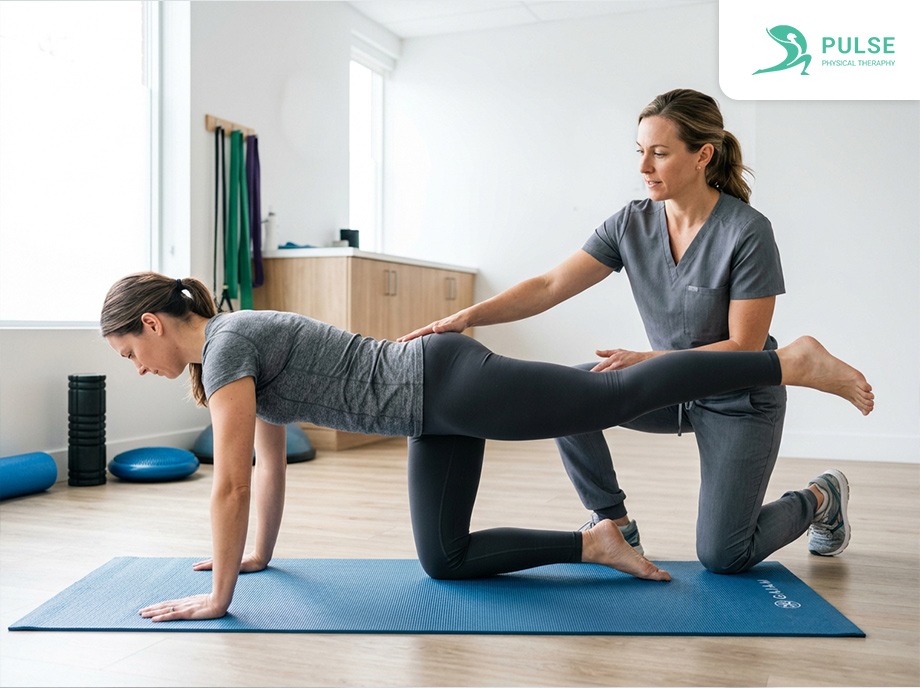
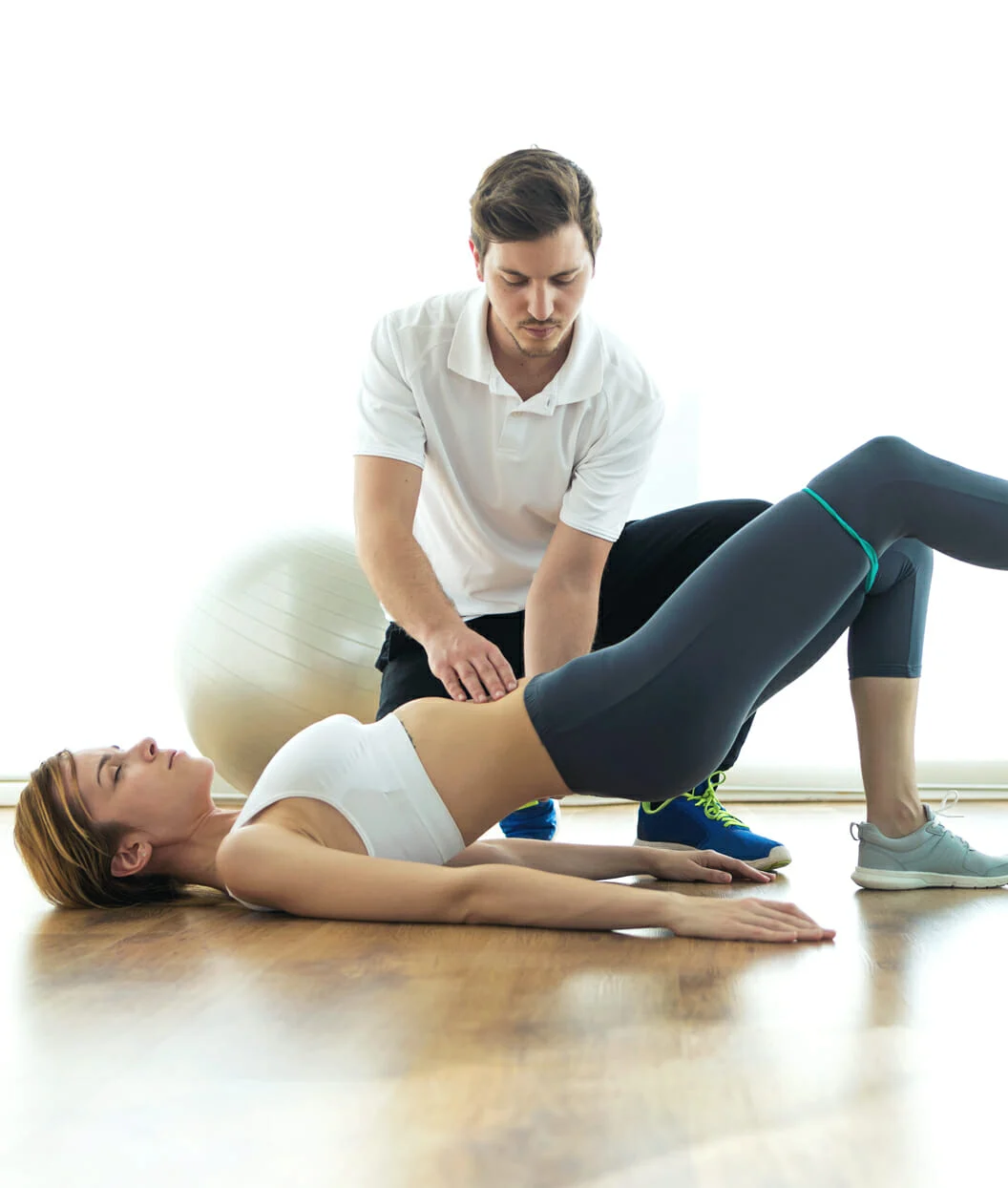
Your physical therapist begins with a detailed evaluation of your symptoms, medical history, posture, breathing mechanics, movement patterns, flexibility, strength, and core function. Based on these findings, your treatment plan may include:
Each rehabilitation program is individualized to help restore normal muscle coordination and improve long-term function.
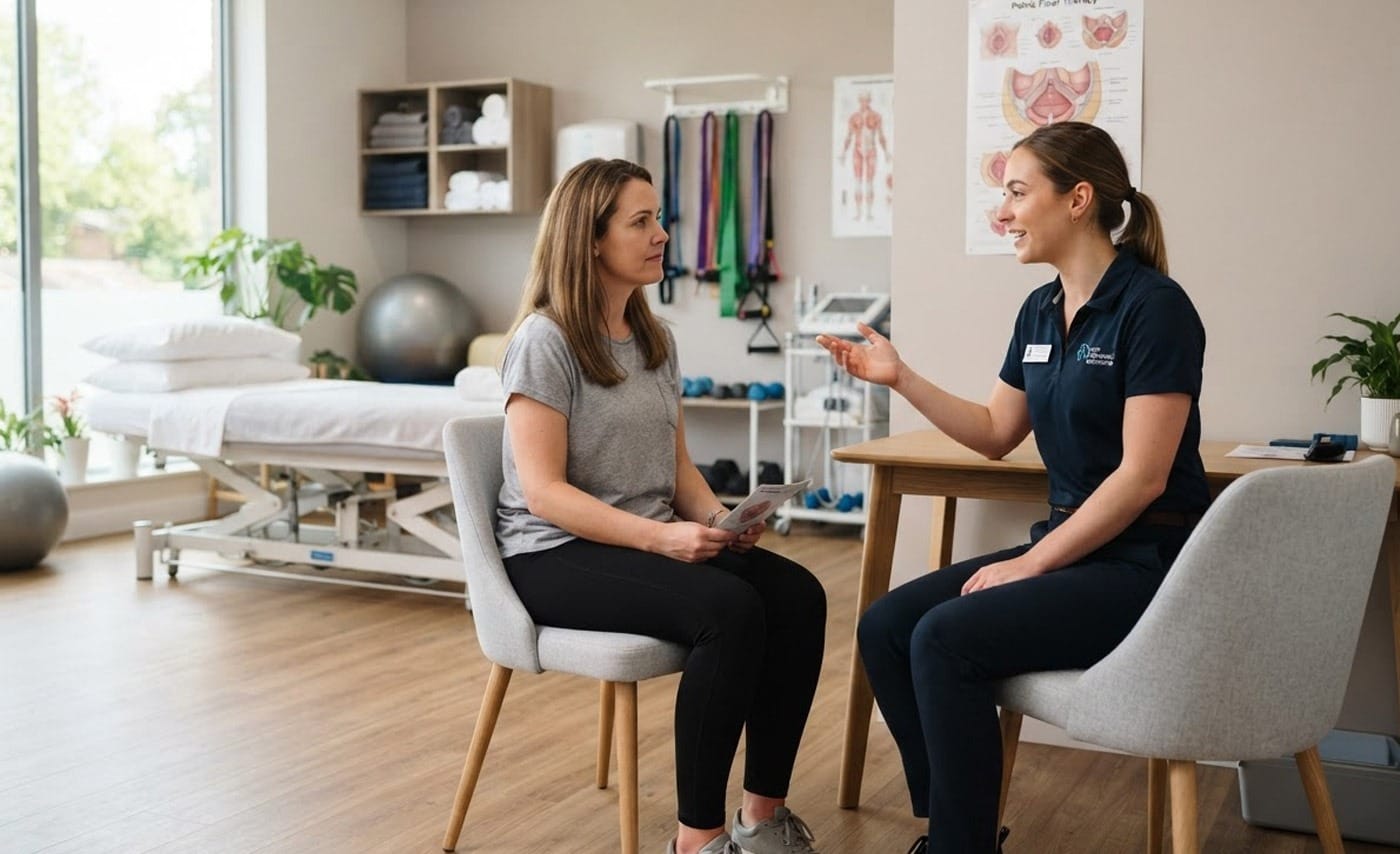
Many pelvic floor conditions tend to slowly get worse when you ignore the symptoms. The longer you put off a visit to your doctor the easier it is for problems like weak muscles, pain and movement dysfunction to get worse.
Getting a “pelvic floor physical therapy Hinsdale” as early as possible will assist in managing your symptoms, returning you to your baseline much more rapidly and minimizing the effect that your pelvic floor problem has on the way you live every day.
It doesn’t matter whether your symptoms were a direct consequence of pregnancy surgery injury, or simply the result of time passing, starting a recovery program early can Much improve your results.
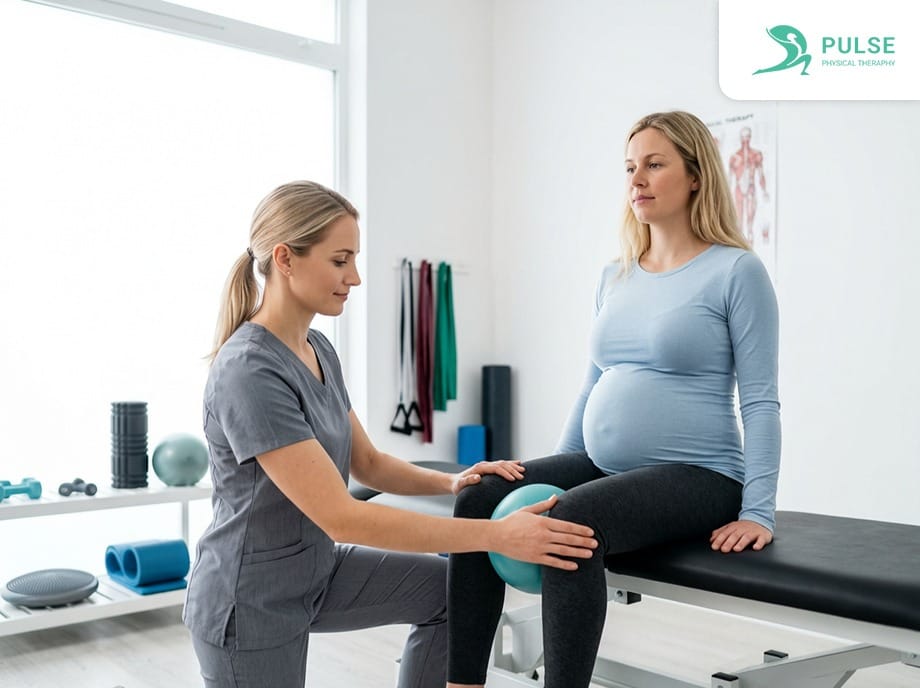
Pelvic floor physical therapy can also be helpful during pregnancy as you prepare for labor and delivery. Your pelvic floor muscles play an important role in supporting the pelvis and adapting to the physical changes that happen during pregnancy. A physical therapist can help you understand how to relax and coordinate these muscles, improve pelvic and hip mobility, and prepare your body for the demands of childbirth.
Therapy may also address common pregnancy-related concerns such as pelvic pain, pressure, or discomfort with movement. Learning how to properly engage and relax the pelvic floor before delivery can help you feel more prepared and confident as your body gets ready for birth.
At Pulse Physical Therapy, we know pelvic health needs compassionate and personalized care.
Our team of seasoned “pelvic health physical therapist Hinsdale” therapists offer individualized treatment in a confidential and comforting setting, assisting clients to freely and openly talk about delicate issues while they are receiving proven and effective medical treatment.
Each rehabilitation plan is adapted to your particular needs and aimed at restoring your self-confidence, alleviating discomfort, and enhancing your overall life satisfaction.
Women experiencing pelvic pain, incontinence or postpartum discomfort should know that these symptoms are not a part of your life forever!
If you can’t take it anymore, get your muscle strength back while at the same time experiencing decreased pain, regaining bladder control and building confidence as to what you are doing in your day.
For women in search of a reliable therapist of “pelvic floor therapy Hinsdale IL”, reach out to Pulse Physical Therapy today for your personalized treatment assessment and to step forward your recovery path with the right care.
Pelvic floor physical therapy can help treat urinary incontinence, pelvic pain, postpartum recovery challenges, pelvic organ prolapse, pelvic pressure, lower back pain related to pelvic floor dysfunction, and core weakness.
Treatment varies depending on your condition, symptoms, and recovery goals. Your physical therapist will develop a personalized rehabilitation plan and adjust it as you progress.
Yes. Many patients with urinary leakage, pelvic pain, postpartum weakness, and mild to moderate pelvic organ prolapse experience significant improvement through conservative rehabilitation before more invasive treatments are considered.