Whether you enjoy running, lifting weights, playing pickleball, or simply staying active, occasional aches and soreness can happen. But how do you know when the discomfort is a normal part of physical activity and when it could signal an injury?
It is not always easy to tell the difference. Muscle soreness after a challenging workout may improve with rest, while pain that persists, keeps returning, or affects your movement may need closer attention. Ignoring these warning signs can make it harder to maintain your usual activities.
Understanding what to look for can help you make informed decisions about your recovery. If you are unsure whether your symptoms need attention, knowing when to seek an evaluation is an important first step toward staying active.
Muscle soreness is common after unfamiliar exercise, a challenging workout, or an increase in training intensity. It often develops gradually after activity and improves over the next few days. You may notice stiffness or tenderness when moving, but your symptoms should generally trend toward improvement.
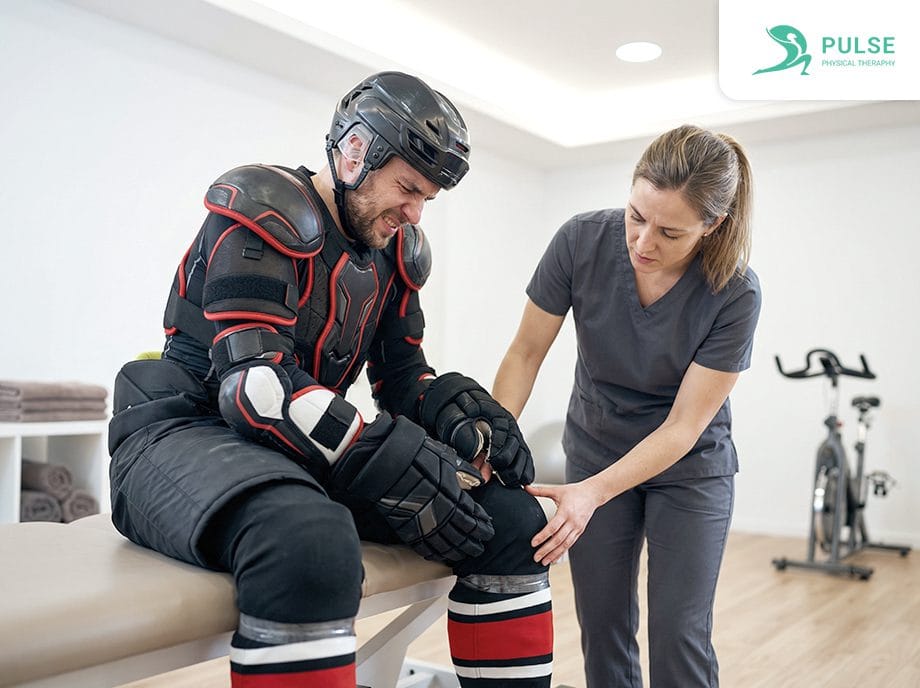
An injury may feel different. Pain that begins suddenly during exercise, becomes worse with movement, or continues to interfere with daily activities deserves more attention. You might also notice swelling, reduced range of motion, weakness, or difficulty putting weight on an affected limb.
However, the difference is not always obvious. Some injuries develop gradually through repeated stress, while ordinary soreness can sometimes feel intense after unfamiliar activity. The location and intensity of pain alone cannot confirm whether you have an injury.
Pay attention to how your symptoms change over time. If the discomfort is not improving, keeps returning whenever you exercise, or prevents you from moving normally, consider getting evaluated rather than repeatedly pushing through it.
Not every ache requires a clinic visit, but certain symptoms are worth taking seriously. Consider seeking an evaluation if you experience any of the following:
These signs do not necessarily mean you have a serious injury, but they can indicate that further assessment is appropriate. Seek urgent medical care for severe pain, a visible deformity, inability to bear weight after an injury, or sudden major loss of movement or function.
Sports injuries can affect almost any part of the body, depending on the activity, training demands, and movements involved. Runners may experience knee pain, shin pain, or Achilles tendon discomfort. Weightlifters may develop shoulder or elbow symptoms, while court sports such as pickleball can place repeated demands on the ankles, knees, and upper body.
Some injuries happen suddenly, such as an ankle sprain after an awkward landing. Others develop gradually when the body struggles to keep up with repeated training demands. Tendon irritation, muscle strains, and joint pain can all begin with mild discomfort that becomes more noticeable over time.
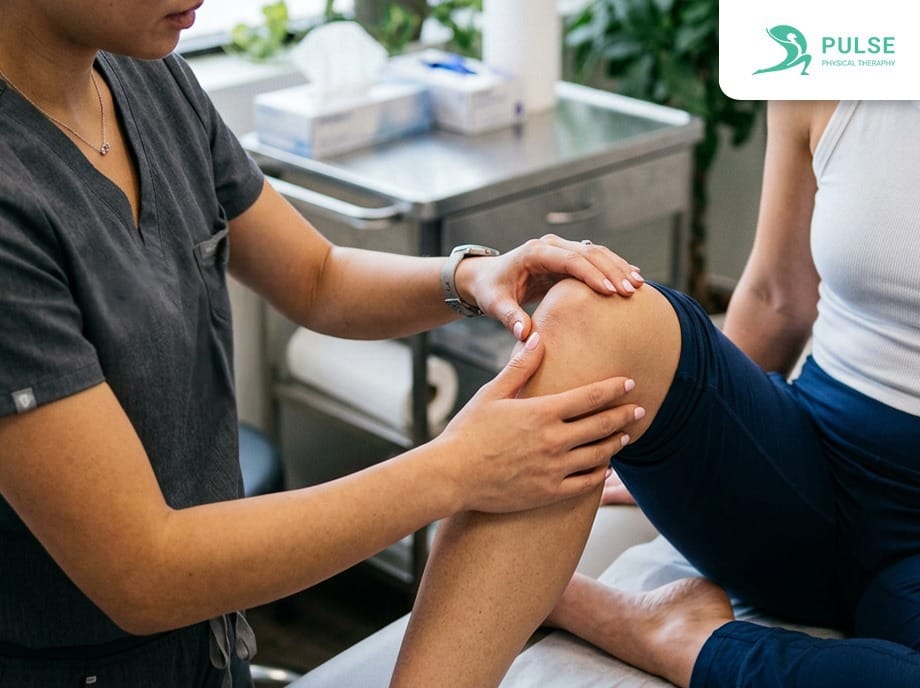
The challenge is that different conditions can cause similar symptoms. Knee pain, for example, may be related to training load, muscle capacity, joint irritation, or an earlier injury. A proper assessment helps identify the factors that may be contributing to the problem rather than relying on symptoms alone.
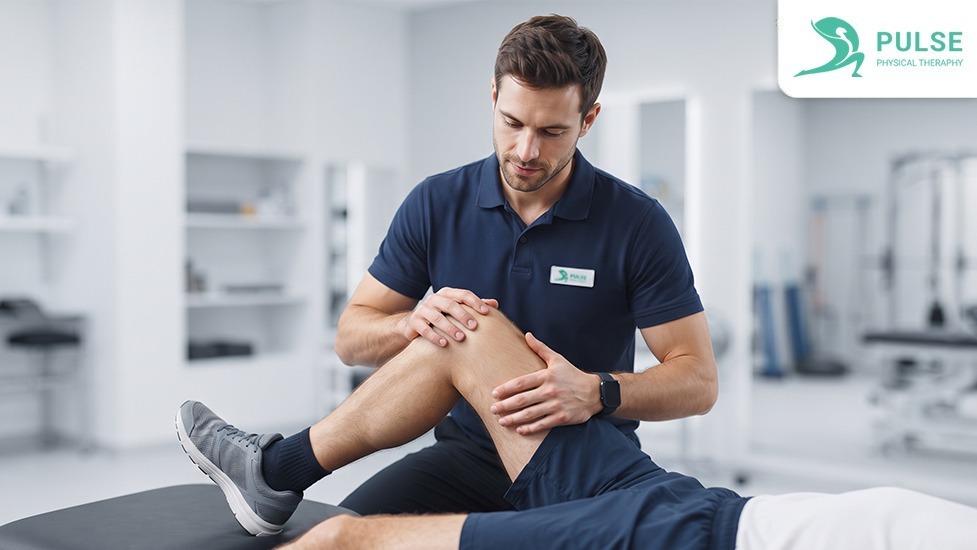
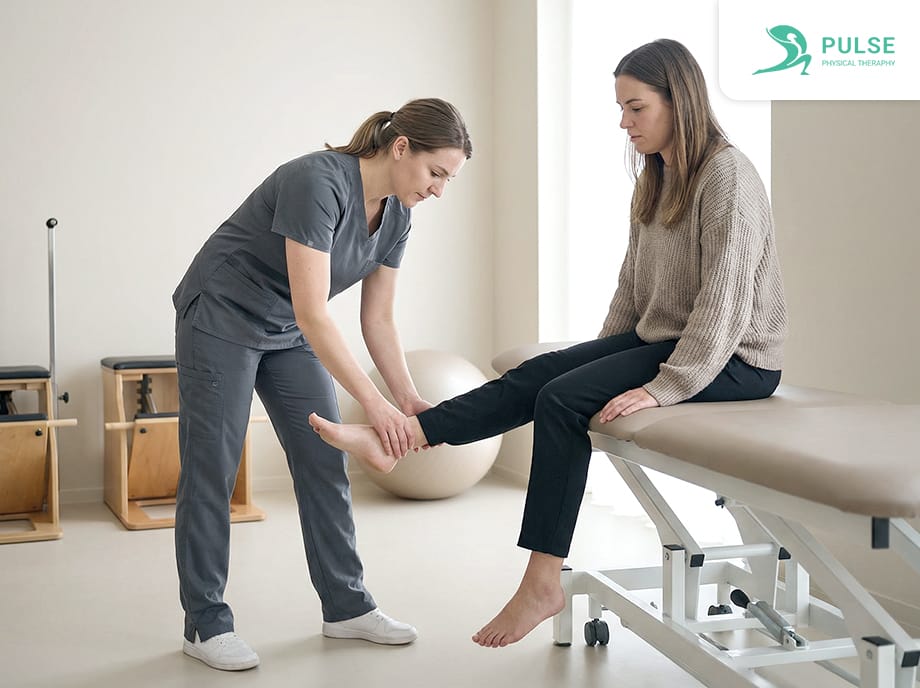
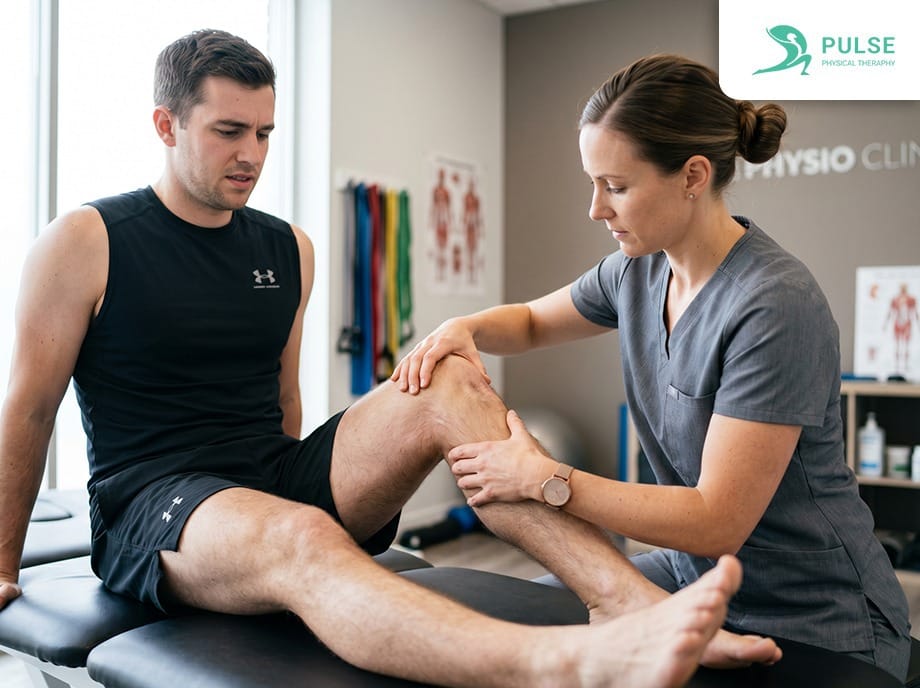
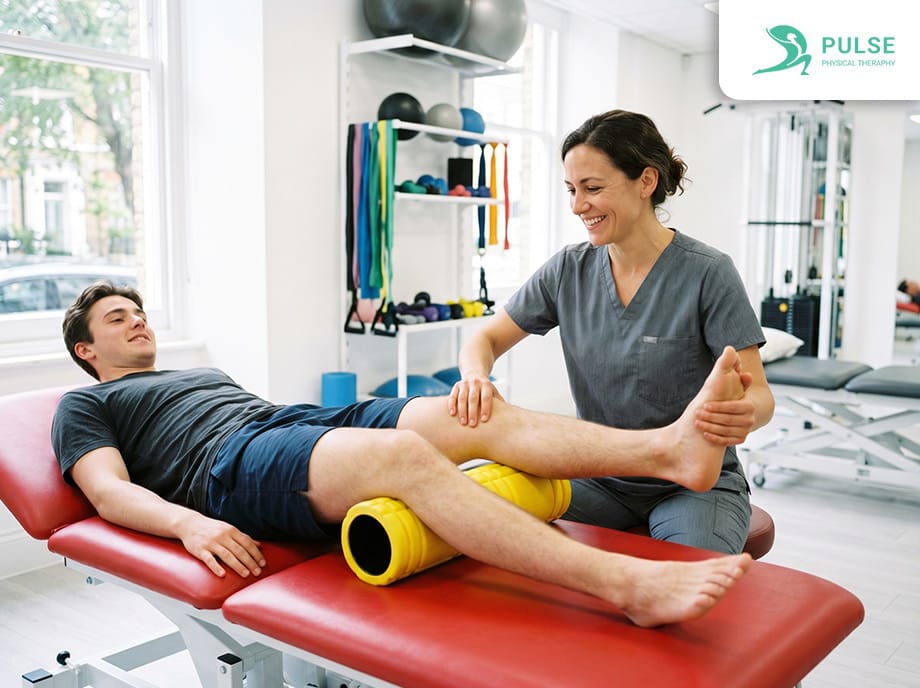
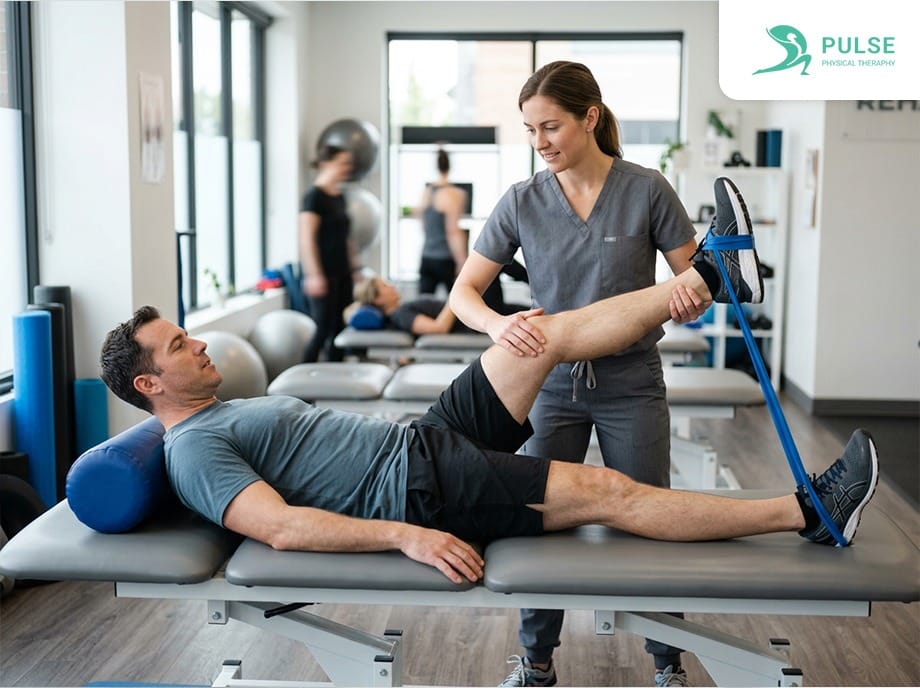
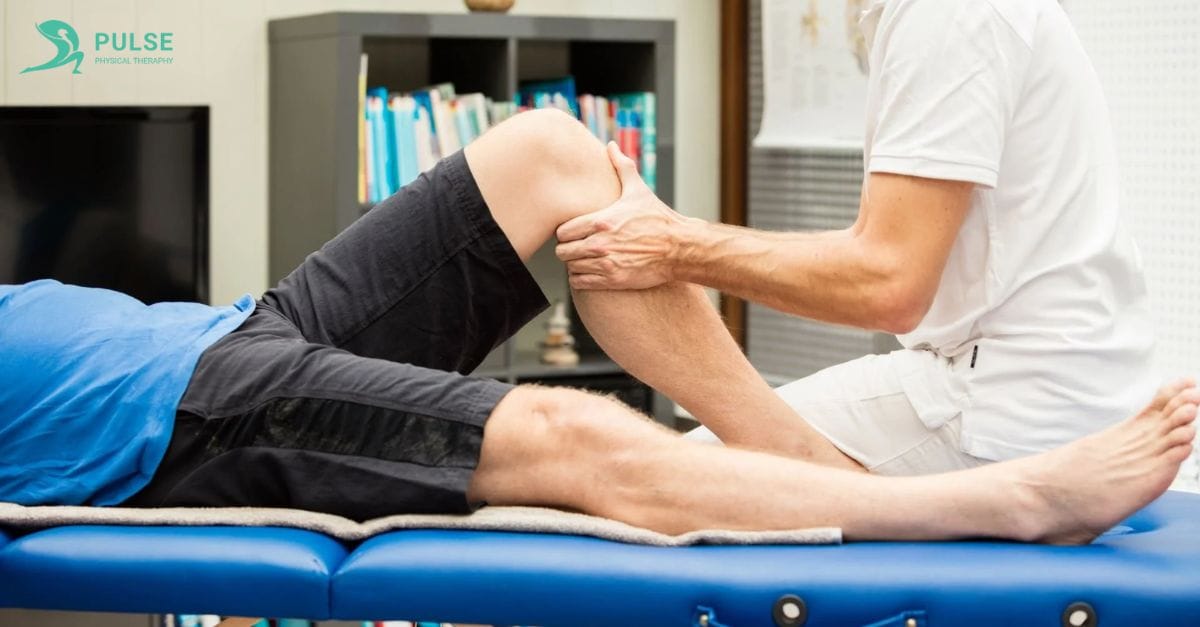
If pain limits your ability to exercise or participate in sports, sports injury physical therapy can educate you on your pain and help you return to full function. Your treatment will start with an evaluation of your condition, including pain level, range of motion, strength, and activity levels.
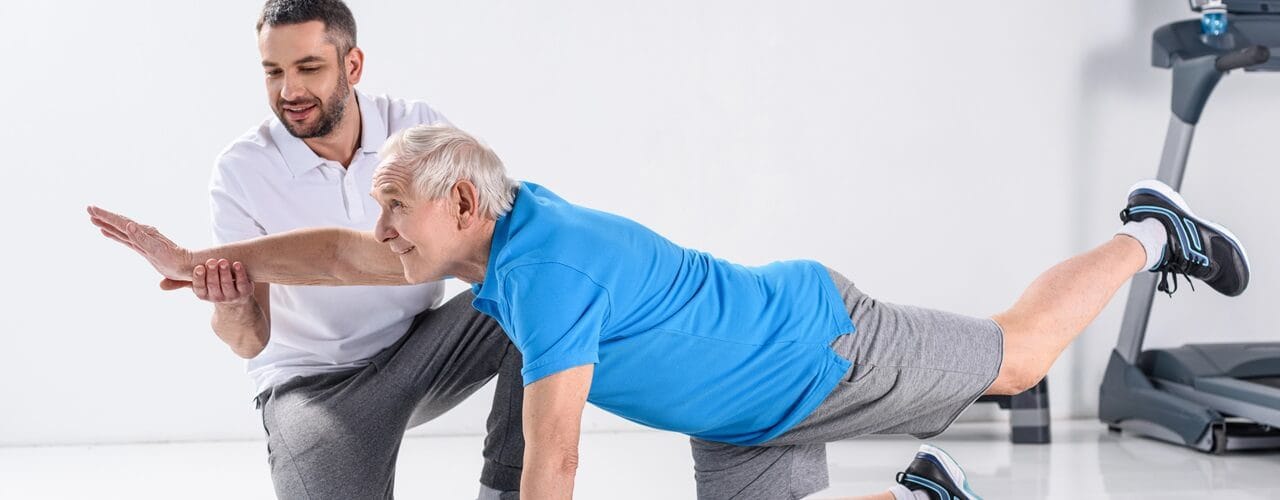
From these results, your physical therapist will create an individualized plan that may include strengthening exercises, movement and mobility exercises, training in balance, retraining of movement patterns, and education on activity modification. We want to help you return to the skills needed for your sport or activity.
For instance, for a runner who has been challenged with persistent knee pain, you might require a setup that encompasses these aspects: strength, movement control, and training loading progression. For a person who has recovered from an ankle sprain, you might require a structure that encompasses balance, stability, and confidence.
Physical therapy for sports injuries isn’t only for professional athletes. It can be helpful to anyone who exercises for pleasure or for normal activity and is finding pain getting in the way. The treatment plan should be designed for your current capabilities, the goals you hope to accomplish, and the activities you want to get back to.
The answer depends on the symptoms and the activity causing them. Mild soreness that improves steadily may not require you to stop all physical activity. However, continuing to perform movements that cause sharp, worsening, or persistent pain is not a good strategy.
Instead, consider temporarily reducing the intensity, duration, or frequency of the activity that aggravates your symptoms. You may be able to maintain other comfortable activities while avoiding movements that place excessive demands on the affected area.
Do not use painkillers simply to mask symptoms so that you can continue training at your usual intensity. If pain keeps returning or your movement changes to compensate for it, seek professional guidance.
A gradual return to exercise is generally more useful than alternating between complete rest and immediately resuming your full routine. If you have a significant injury, follow the advice of an appropriate healthcare professional before returning to demanding activity.

A sports physical therapist may be a good choice if your pain is so bothersome that it keeps interfering with your workouts, impairs your performance, or makes moving around in your daily routine difficult. You might also benefit from an evaluation if you’re in rehab and don’t know when or how to get back to your usual routine.
A sports physical therapist looks beyond your painful area. They could measure how well you move your joints, test your strength and flexibility, check your balance and coordination, and observe your movement patterns. Your training goals and history also play a role in determining a sports rehab plan.
When you are looking for a sports physical therapist around you, find someone who can evaluate your unique concerns and assist you on your journey to reach your functional goals. We may work on restoring strength, increasing control, minimizing movement restrictions, and easing into the physical challenges of your activity.
You do not need to wait until your pain is severe before you have your problem looked at. First assessment can often help to explain what could be going on and if modification of activity or some rehabilitation is indicated.
If you live near Hinsdale or the surrounding area, it can be a great benefit for you to receive an evaluation as close to home as possible. At our Pulse Physical Therapy Clinic, we can individualize your care plan to your symptoms, abilities, and goals.
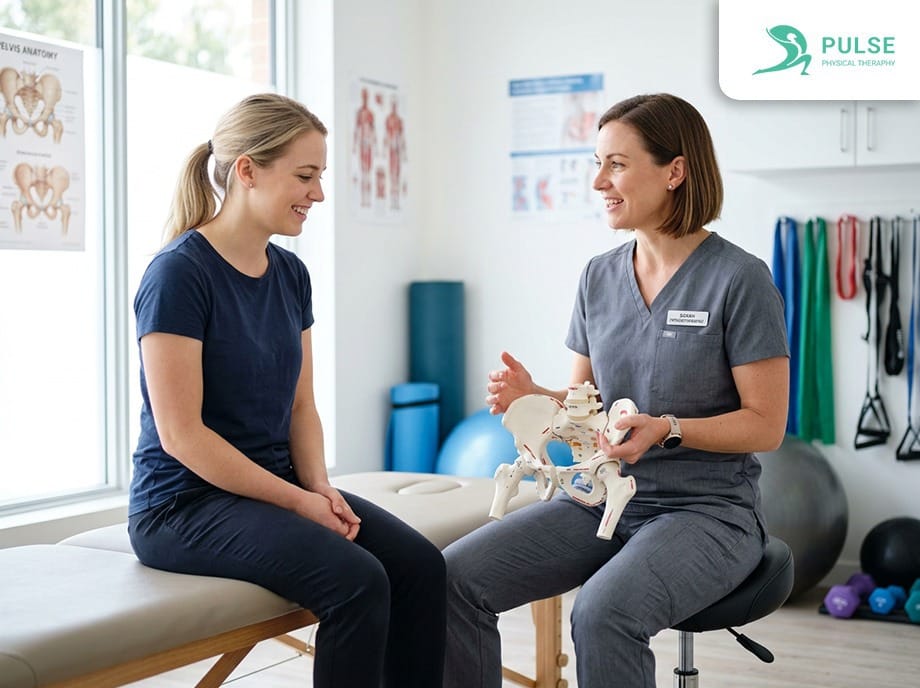
During your first visit, you might talk about when the pain started, what makes it worse, and what impact it has on your daily life. Your physical therapist will assess you and determine an appropriate plan of care based on their findings.
If you are searching for sports physical therapy Hinsdale, we are here to help you get back to a safe slow increasing level of activity rather than just “get back out there”. Your road to recovery may consist of increasing strength, recovering range of motion, adjusting requirements, and restoring movement confidence.
If the pain is hindering your daily routine, physical therapy Hinsdale is a good place to start. The team at Pulse Physical Therapy Clinic can clarify your rehabilitation options and advice on the next steps.
Do you tend to shrug off pain as merely “soreness,” just in case you don’t want to miss out on your regular workouts or on a game? Watch out for pain that continues, leads to loss of motion, or makes you feel weak.
You don’t have to think, ‘It’s just aches and pains,’ but you shouldn’t think, ‘Keep going; it will go away’ either. Know your symptoms and get checked if you need to.
If your pain is keeping you from doing what you love to do, get in touch with Pulse Physical Therapy Clinic to learn about our sports injury treatment Hinsdale and develop a plan to help you achieve your target.
Ordinary post-exercise soreness often develops after unfamiliar or demanding activity and gradually improves over a few days. An injury may involve sudden pain, swelling, weakness, restricted movement, or symptoms that persist or repeatedly return. These patterns can overlap, so an evaluation may be needed to determine the cause.
It may be worth getting assessed if the pain repeatedly occurs during exercise, affects your technique, or prevents you from completing your usual activities. A physical therapist can evaluate your movement and help determine whether activity modifications or rehabilitation may be appropriate.
Physical therapy can help address strength deficits, mobility limitations, balance problems, and movement difficulties that may contribute to an injury or affect recovery. Your treatment plan will depend on the condition, its severity, and your activity goals.
Seek urgent care for severe pain, significant swelling after a serious injury, visible deformity, or inability to bear weight. For less severe symptoms, consider an assessment if pain persists, worsens, repeatedly returns, or interferes with everyday movement.
Pulse Physical Therapy Clinic in Hinsdale offers physical therapy services for people working toward improved movement and recovery. Contact the clinic to discuss your symptoms, determine whether an evaluation is appropriate, and learn about your treatment options.