GLP-1 medications are one of the key tools in a weight-loss regimen. They may work effectively in decreasing appetite and causing the patient to lose weight, which is the biggest reason so many rely on them for weight loss. It’s not just the weight that you lose through the scale but also how you lose it.
Apart from the quantity of weight you lose, the way you lose it also counts a lot.
Losing lean body mass and adipose tissue takes place during the weight reduction process. By preserving muscle mass and maintaining physical abilities, you will be able to keep up your activity levels from leisurely walks and climbing stairs to participating in various sports and workouts.
Strength deserves the spotlight when your GLP-1 medication is on. In such cases, physical therapy can help you achieve or retain strength, mobility improvement, as well as the development of an exercise routine based on your abilities.
Choosing a GLP-1 weight loss physical therapy, working with a physical therapist will provide specific instructions based on personal needs, not just the exercise program that works generically for all.
The weight you lose can change more than just your number on a scale.
Along the way, your body composition, energy levels, and physical abilities may also change.
Lean body mass contains muscle tissue, for instance.
Lean mass that we consider essential might be the one lost at the time of weight reduction.
The conclusion is that strength exercise could really help those who are going through the process of weight loss and still want to preserve their physical ability.
That’s not to say that people need to get extremely strong just to be able to lift more heavy weights. The main idea is to preserve the strength you need to function well in daily life without being fatigued or exhausted,
You want to be able to:
Strength supports independence and physical function, so it shouldn’t be overlooked simply because your primary goal is weight loss.
GLP-1 medications help with weight loss by changing appetite and how much food is eaten. Still, the weight lost is probably not entirely body fat.
Studies show that losing weight can reduce not only fat but also lean muscle mass. So this is just to say, taking a GLP-1 medication won’t immediately make you lose big muscles. Because of individual differences, people may experience varied results.
Even so, it shows preserving muscle while using a GLP-1 could be part of your overall health and fitness plan.
Mixing up various types of physical exercises like running and weightlifting could be a great strategy to get muscles back in shape while losing weight.
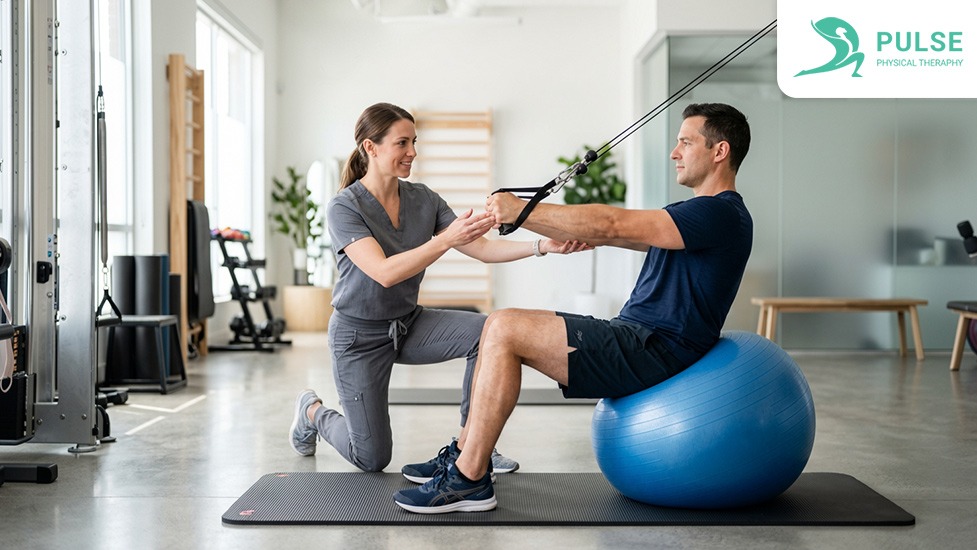
When you lose weight without challenging the muscles on a regular basis, these could be the reason why your muscle mass doesn’t remain as it was.
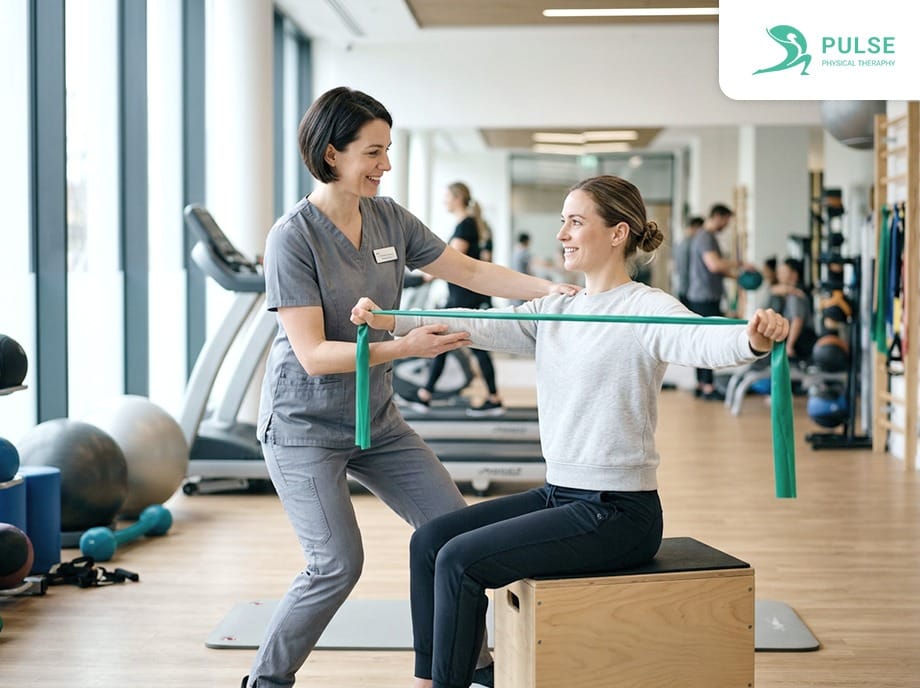
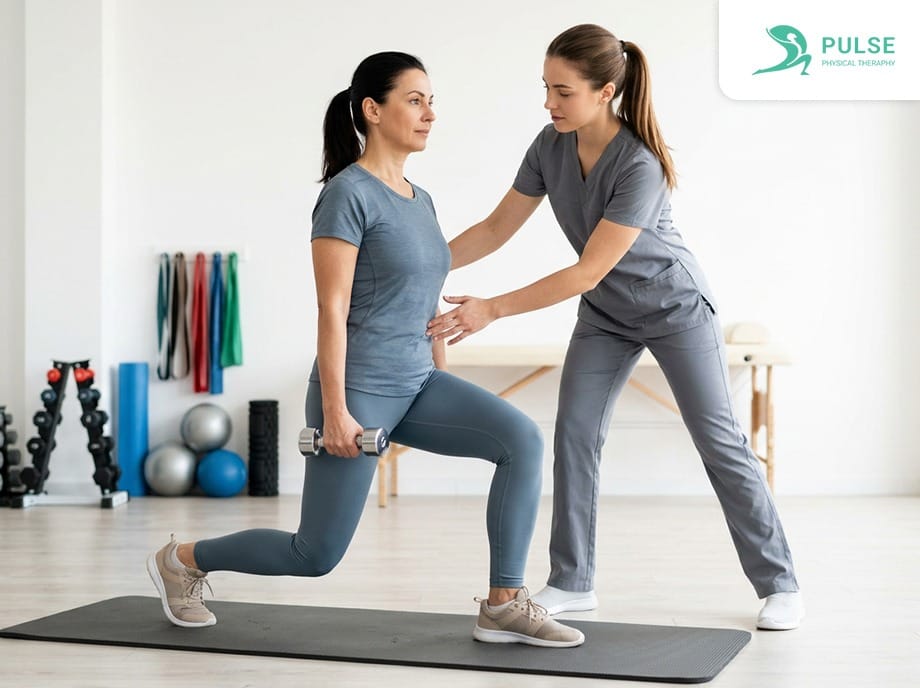
Weight training is an exercise that demands your muscles to work as you put resistance on them. Eventually, if you gradually increase the challenge in a suitable exercise regime, you may gain more muscle strength as well as better physical function.
You don’t have to start with an intricate weightlifting program, for instance.
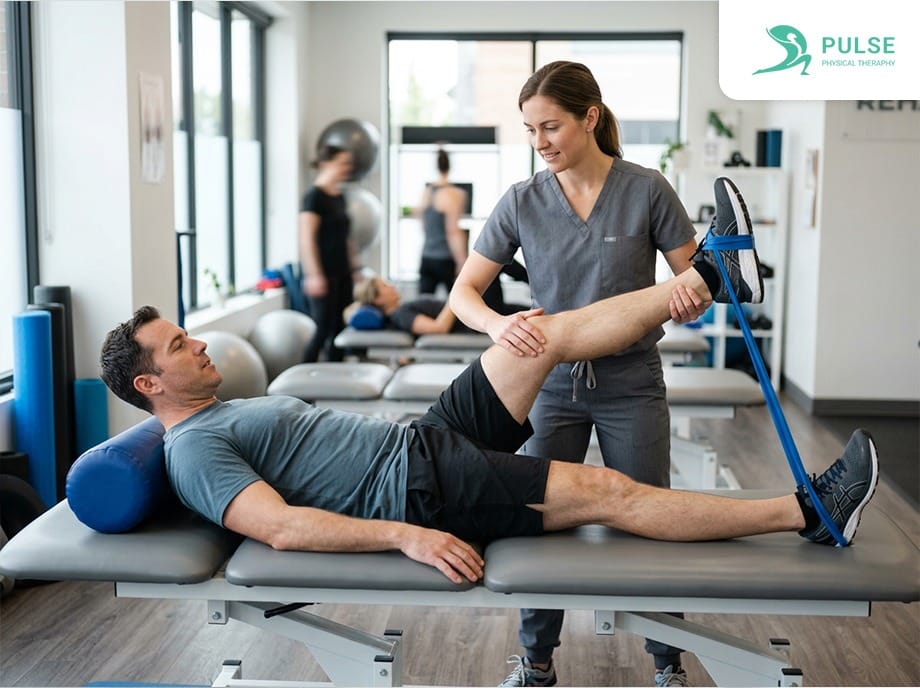
According to your current level of fitness, a strength training program may start by using your own body weight exercises or resistance band, machines, weights, movement exercises, etc. What is considered suitable to begin with also depends greatly upon the condition of your body, your past and present experience in fitness, and what you want out of it.
If you’re completely new to exercise or if you have issues with movement or pain, a physical therapist will be the one who can assess and help you decide what a good training program for you would look like as well as how you need to increase it gradually and safely.
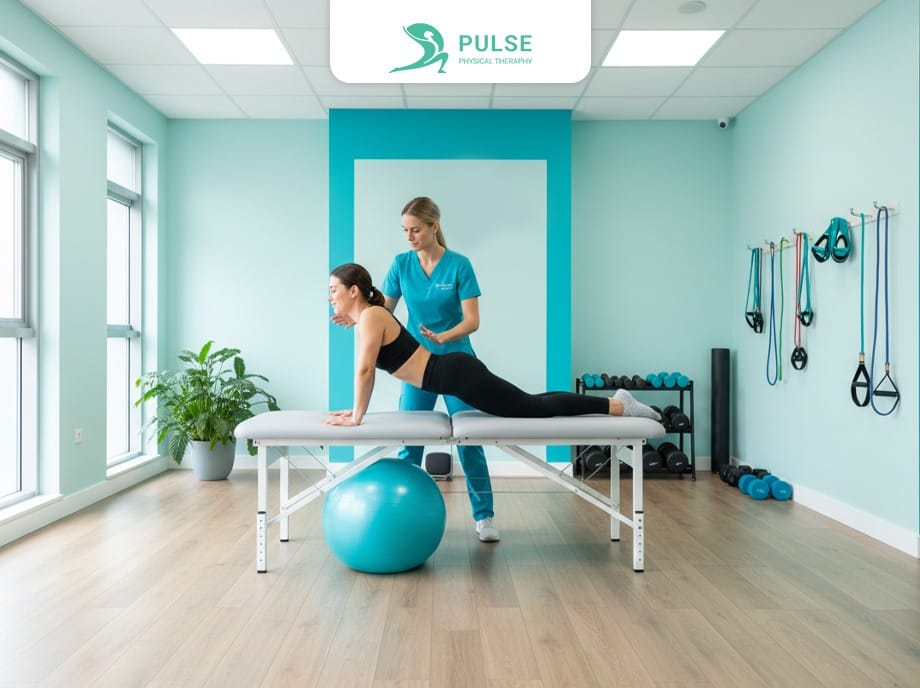
Physical therapy can be particularly helpful when you want to become more active but aren’t sure how to do it safely or effectively.
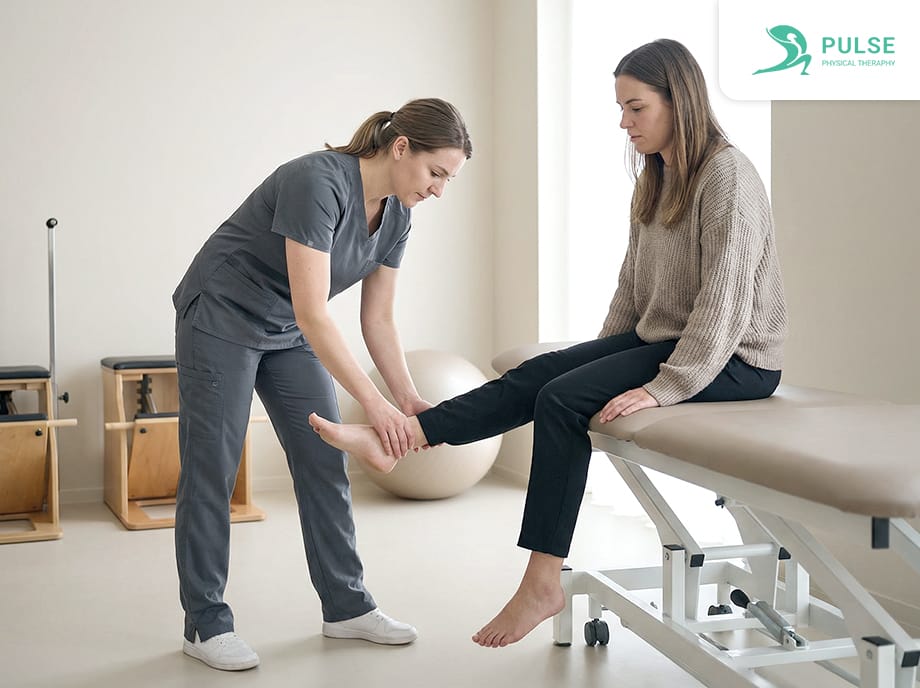
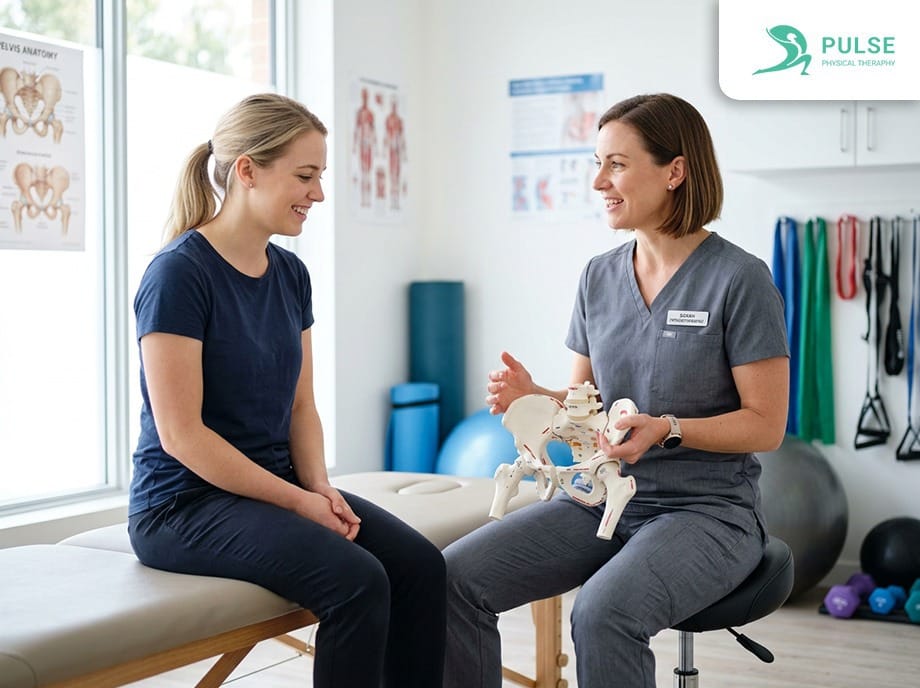
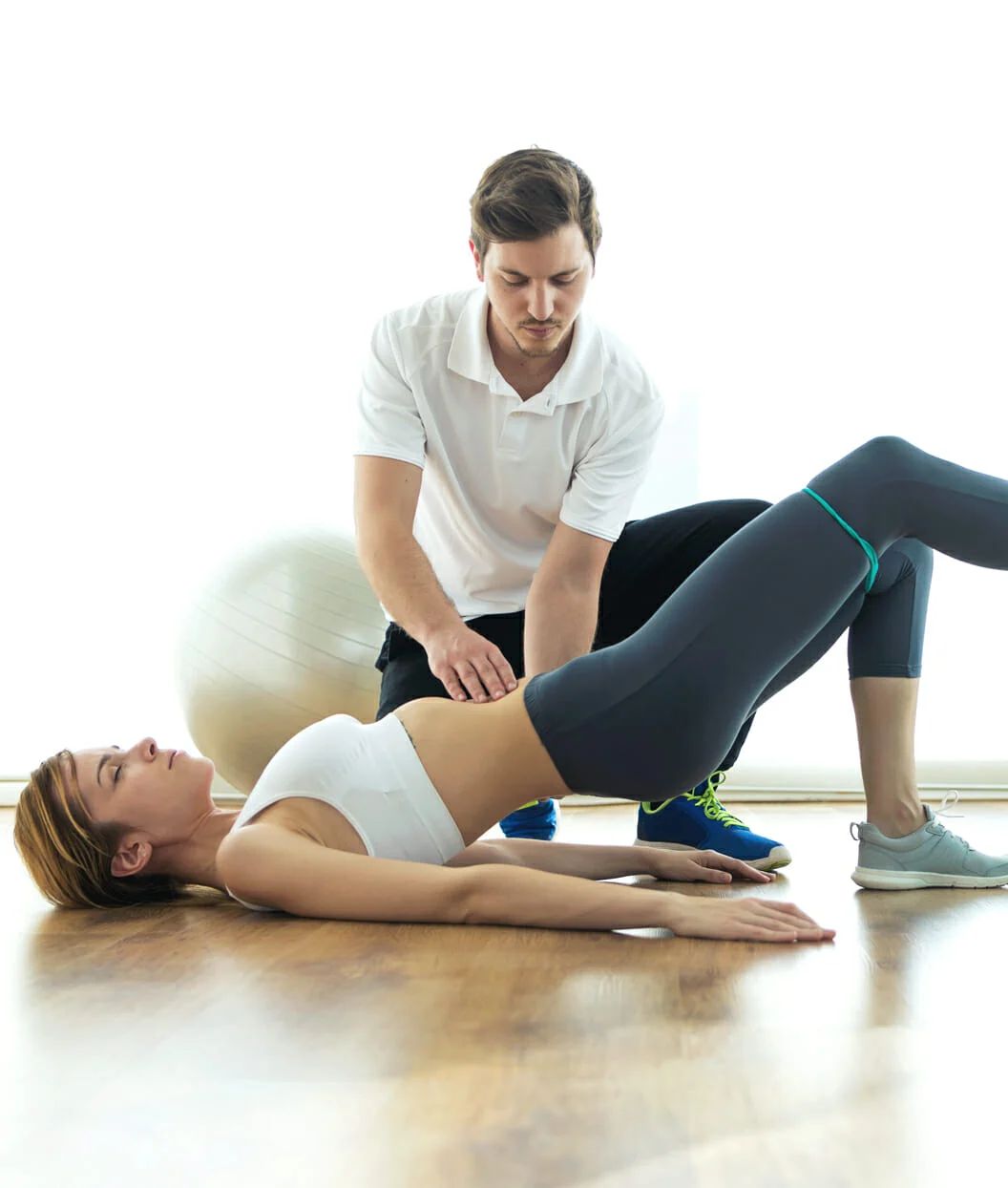
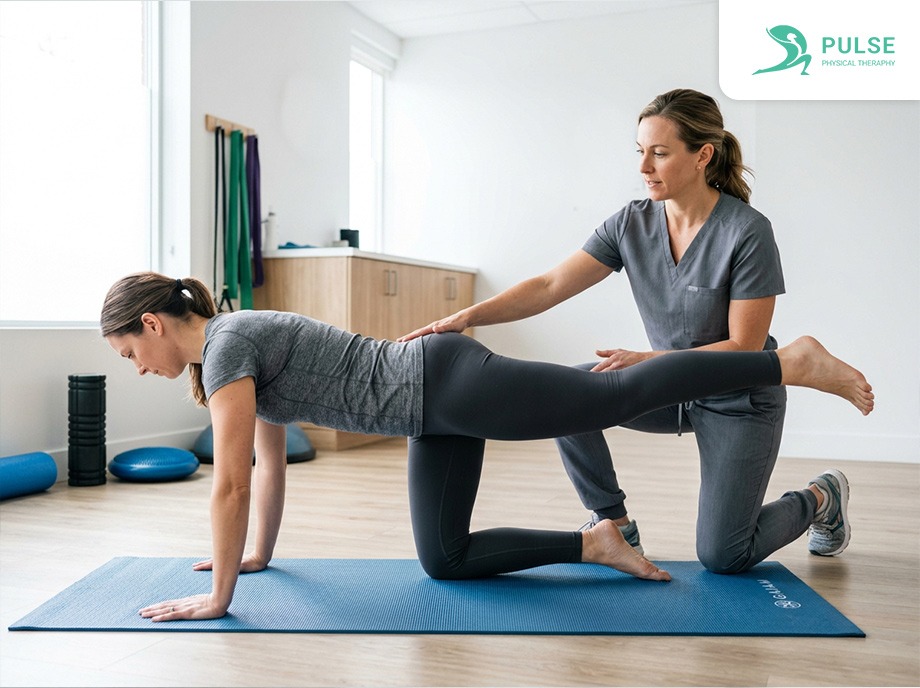
A physical therapist can evaluate your current strength, mobility, balance, movement patterns, and exercise tolerance. They can then create a program around your current abilities instead of asking you to immediately follow an intensive workout routine.
For example, someone who has been inactive for several years may need a very different starting point than someone who regularly exercises.
Your program may focus on:
The program can then be adjusted as your strength and physical capacity improve.
Weight loss may be one of your health goals, but that doesn’t mean existing musculoskeletal problems disappear immediately.
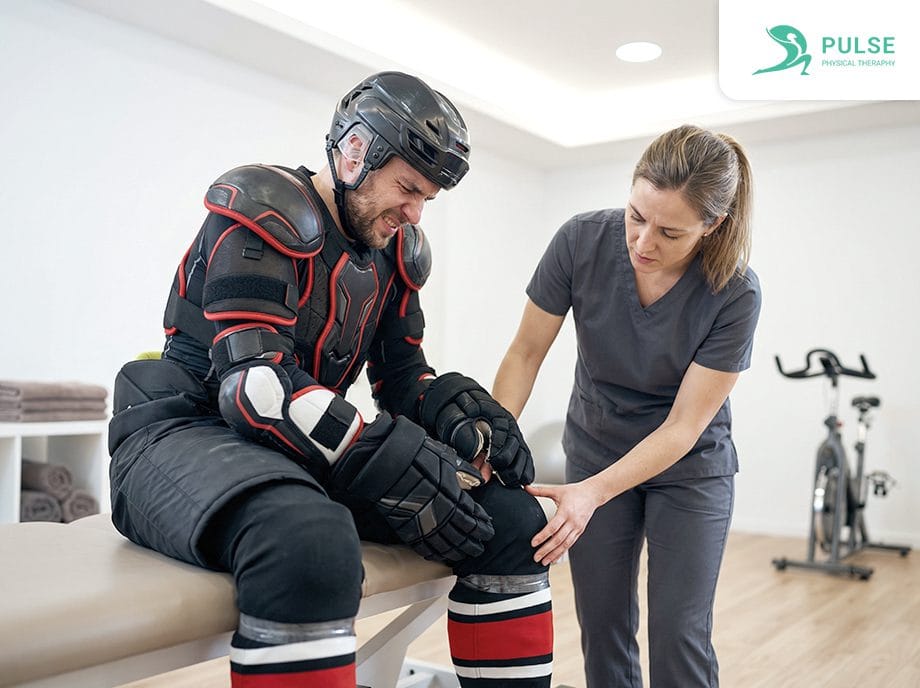
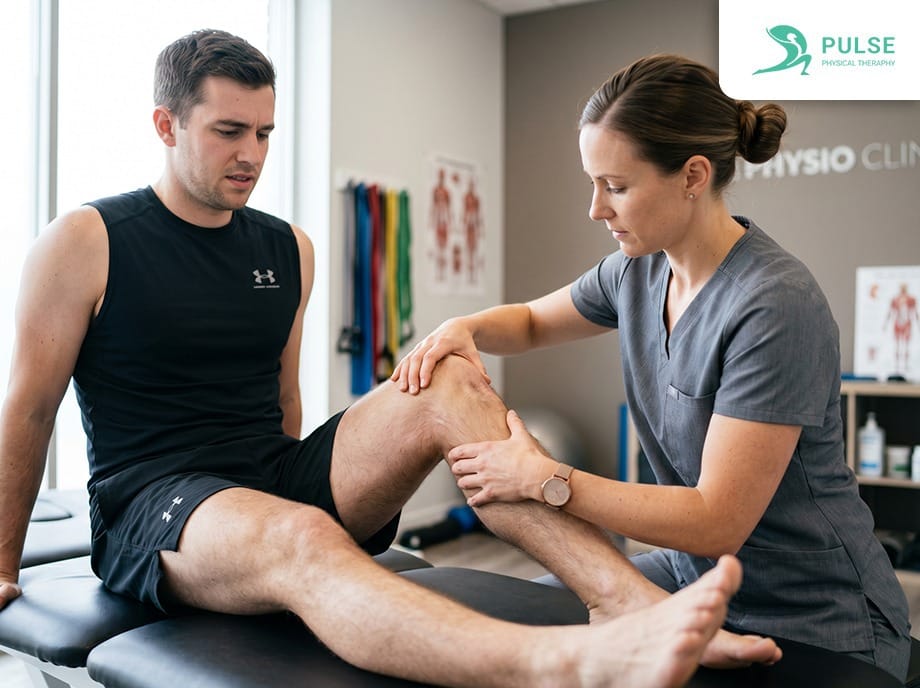
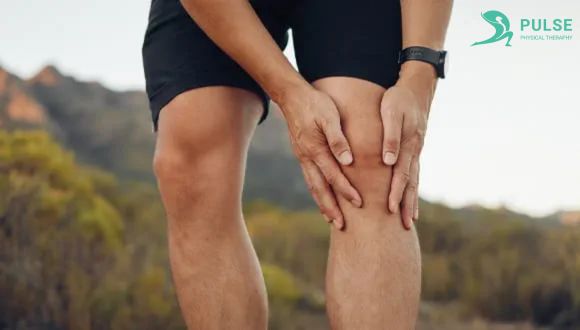
You might want to become more active but find that knee pain makes squats difficult. Maybe back discomfort prevents you from walking for long periods. Or perhaps an old shoulder injury makes traditional strength exercises uncomfortable.
In these situations, simply being told to “exercise more” isn’t always enough.
A physical therapist can help identify ways to modify exercises around your limitations while gradually improving your strength and movement. This can make physical activity feel more achievable and sustainable.
For someone seeking weight loss physical therapy in Hinsdale, this individualized approach can be especially valuable if pain or previous injuries are getting in the way of exercise.
Strength training can sometimes sound intimidating, particularly if you’ve never spent time in a gym.
But strength doesn’t have to mean heavy barbells or complicated workouts.
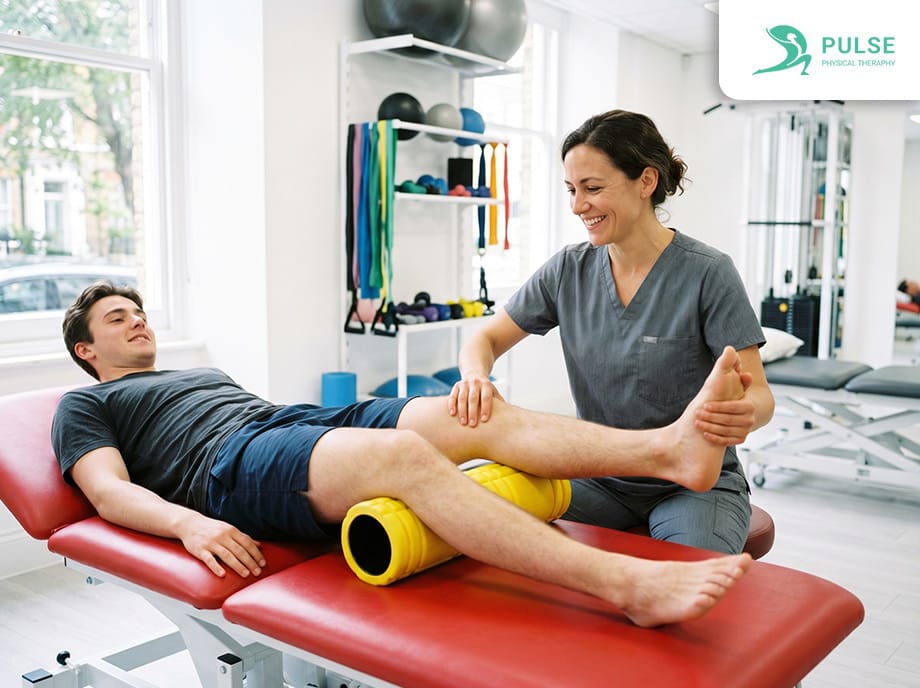
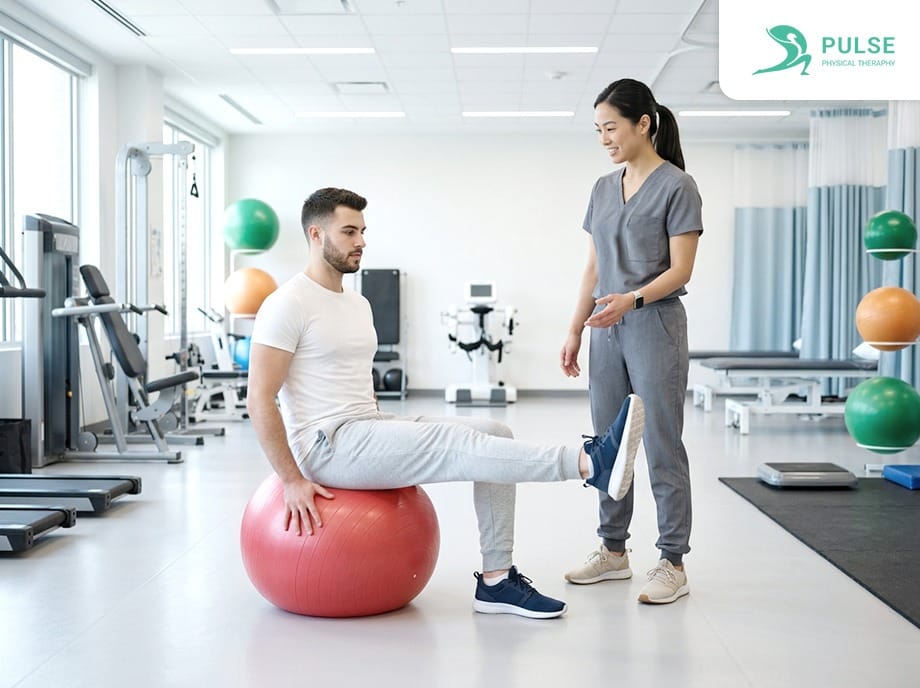
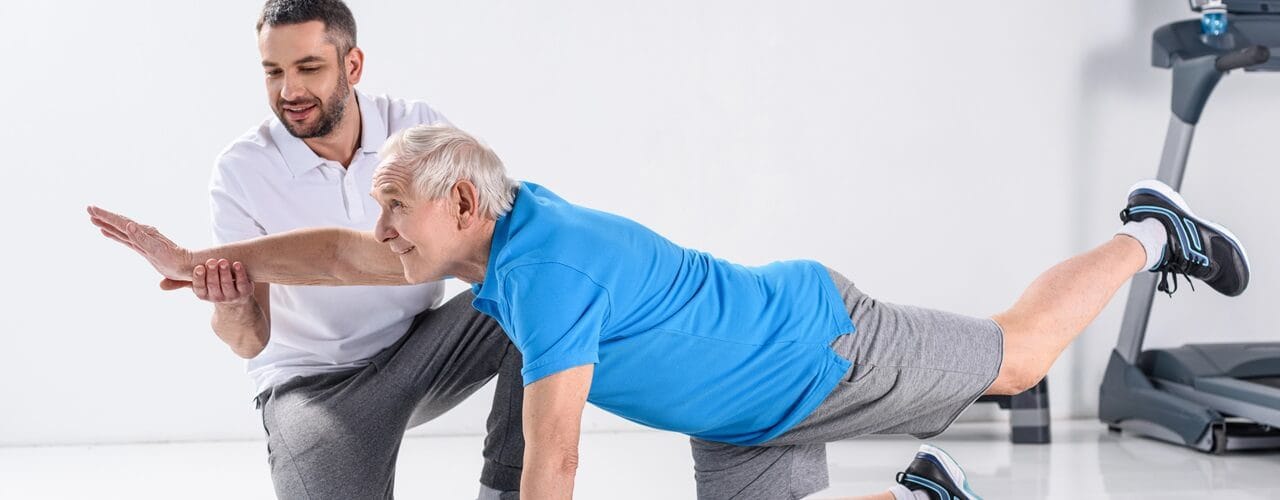
Your physical therapist can help you work on movements that are relevant to your everyday life. Depending on your needs, that could include sitting and standing from a chair, stepping onto a platform, lifting objects, carrying weight, or performing controlled resistance exercises.
As your capacity improves, exercises can become more challenging.
The objective is to meet you where you are and gradually help you do more.
The scale won’t tell you everything about your physical progress.
Pay attention to functional changes as well. You might notice that activities that once felt difficult are becoming easier or that you’re able to do more before becoming tired.
Some signs of improving physical capacity include:
These changes can be meaningful indicators of progress, even if the number on the scale temporarily stops changing.
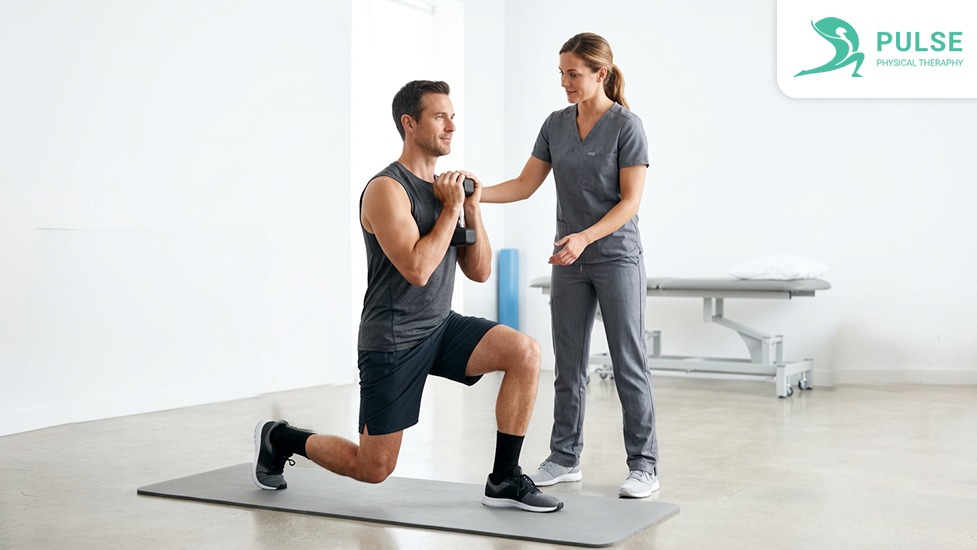
There isn’t just one universal exercise regimen that suits all GLP-1 users.
Factors like your age, your physical capability, past health conditions injuries types of activities you find pleasurable, and the level of success you want to attain can determine which kind and level of exercise might be most appropriate for you.
It’s possible that an individual who already works out at the gym would simply have been looking for expert advice on how to enhance their fitness program. Then again, it might be that an office worker who rarely if ever moves around has to start with some very simple exercises that target basic movement pattern and joint alignment. The person who is suffering from arthritis or pain in the joints can, for instance, benefit by exercising that, while building up strength, also relieves irritation.
A GLP-1 physical therapy program tailored in particular to your needs can be a great help. The physical therapist will not just focus on helping you lose weight but will also help get your body stronger and your movements more efficient, as well as improve your overall function as a part of the physical component of your broader health plan.
Should you feel very tired lightheaded experience constant stomach-related problems, or notice any other signs that raise alarm, your best course of action is to consult the healthcare provider who oversees your GLP-1 treatment before deciding to change the nature or amount of your regular physical activities or exercise programs.
It’s easy to think of strength as something that matters only to athletes or people who spend hours at the gym.
In reality, strength is involved in almost everything you do.
Walking around your neighborhood, carrying groceries, playing with your children, getting out of bed, climbing stairs, traveling, and participating in your favorite hobbies all require some level of muscular strength and physical capacity.
That’s why GLP-1 weight loss and muscle strength should be considered together rather than as completely separate goals.
Losing weight can be an important part of improving your health. Maintaining the ability to move well and stay active can help make those changes more meaningful in your everyday life.
You don’t automatically need physical therapy simply because you’re taking a GLP-1 medication.
However, it may be worth considering if you’re struggling to get started with exercise, have pain that limits your activity, are returning to exercise after a long break, or want professional guidance for improving strength and movement.
A physical therapist in Hinsdale can evaluate your current physical abilities and help determine what type of exercise and rehabilitation approach may be appropriate for you.
Physical therapy can also be useful if your goal isn’t simply to lose weight but to move better, feel stronger, and stay active as your body changes.
GLP-1 medications might be beneficial in losing excess weight but weight reduction is not the ultimate goal in this case.
It is best to assess how strong, how flexible, and how well balanced you are, and to what extent you are able to perform physical activities.
It is through adding right resistance training and physical activity into the schedule that you can keep the changes of your physical abilities under check as you are still losing weight. If pain, weakness, physical inactivity, or the feeling of being unsure how to exercise are preventing you from now on, individualized physical therapy can possibly be of help.
At Pulse Physical Therapy, the focus is to design a program that is tailored more exactly to your current level of physical fitness and your goals without adhering to one method for all types of patients.
If you’re looking up keywords like GLP-1 physical therapy in Hinsdale or weight loss physical therapy in Hinsdale, please note that we are here to offer services related to improving your strength, mobility, and physical function as you journey towards better health.
Ready to get started? Contact Pulse Physical Therapy to book physical therapy in Hinsdale and take the next step toward staying strong while you work toward your weight-loss goals.
Weight loss can involve reductions in both fat mass and lean body mass. The amount varies between individuals. Resistance exercise and appropriate nutrition are important considerations when trying to support muscle and physical function during weight loss.
Many people can participate in strength training while taking a GLP-1, but the appropriate exercise program depends on individual health, fitness, symptoms, and physical limitations. A healthcare professional or physical therapist can help determine an appropriate starting point.
Yes. Physical therapy can help assess your strength, mobility, balance, movement, and exercise tolerance and create an individualized program based on your current abilities and goals.
Not necessarily. However, physical therapy may be useful if you’re experiencing pain, recovering from an injury, struggling with specific movements, or want professional guidance on progressing your strength and physical function.
Maintaining muscle during weight loss generally involves appropriate resistance exercise, adequate nutrition, and regular physical activity. Because individual needs vary, consider discussing your nutrition and exercise plan with qualified healthcare professionals involved in your care.