The advent of GLP-1 medications has turned around the strategy for weight management among many people. Medicines like semaglutide and tirzepatide can assist in achieving substantial weight reduction and could be health benefits of these medications for individuals if they are suitable candidates for these treatments.
But weight loss remains one side of the matter.
Different aspects of your physical condition also need to be kept in mind whenever you change your weight. For strength, mobility balance, and the capacity to perform day to day tasks. During a weight reduction, a portion of the muscle mass could be lost and the studies show that engaging in resistance training together with daily physical activities could facilitate muscle preservation.
That is precisely how physical therapy can turn into an essential part of a person’s weight-loss plans.
GLP1 medications work mainly by suppressing appetite and the desire to eat, because of this enabling some people to lose weight. Yet, weight measurements cannot reflect everything. Weight loss usually is loss of both fat and lean body tissues. The latest directions for obesity treatment indicate that lean mass is one kind of tissue that can be lost and fat mass. But the actual proportion of lean mass that is lost can differ from one person to another.
Lean mass includes different types of tissues, such as muscles. It helps to maintain strength and physical function because they dictate your ability to do:
On top of weight loss, maintaining body functions like walking, and staying active are also very important to being healthier”.
When you’re losing weight, you may notice changes in your energy levels, activity habits, or exercise tolerance. If you are not regularly challenging your muscles, it can become harder to maintain strength.
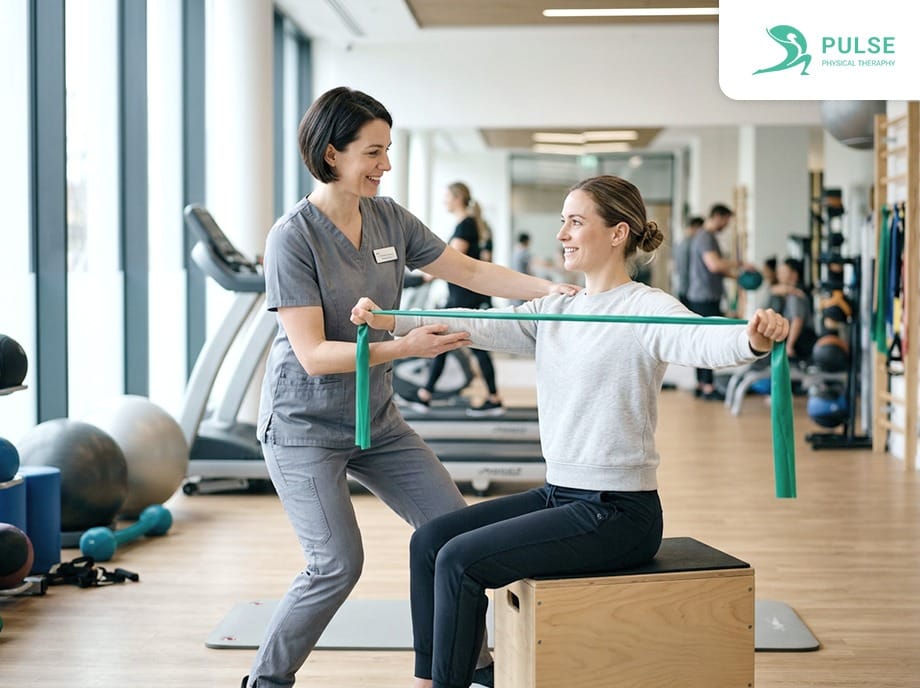
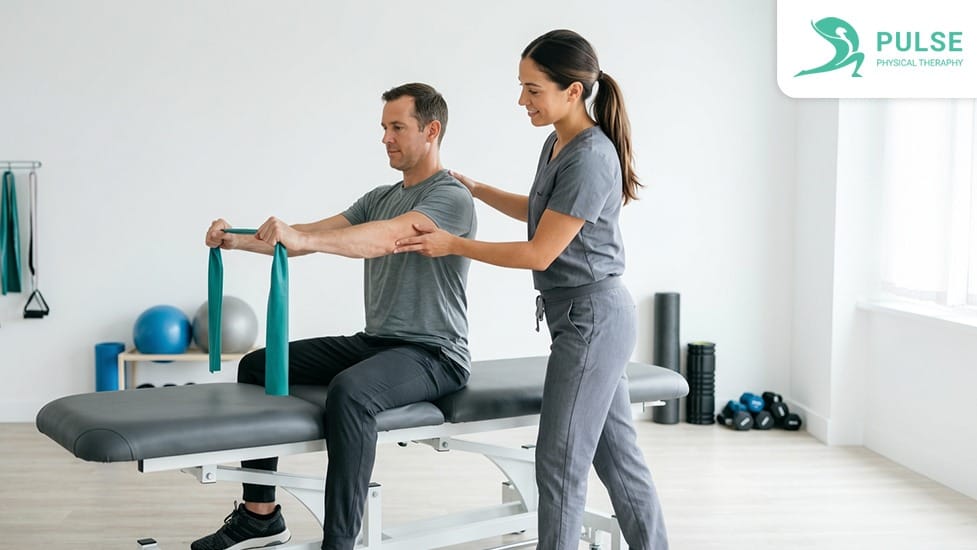
This is one reason current expert recommendations emphasize resistance training alongside GLP-1-based weight management. Structured strength training can provide the stimulus muscles need during weight reduction, while aerobic activity provides additional cardiovascular and metabolic benefits.
You don’t necessarily need to start with intense workouts.
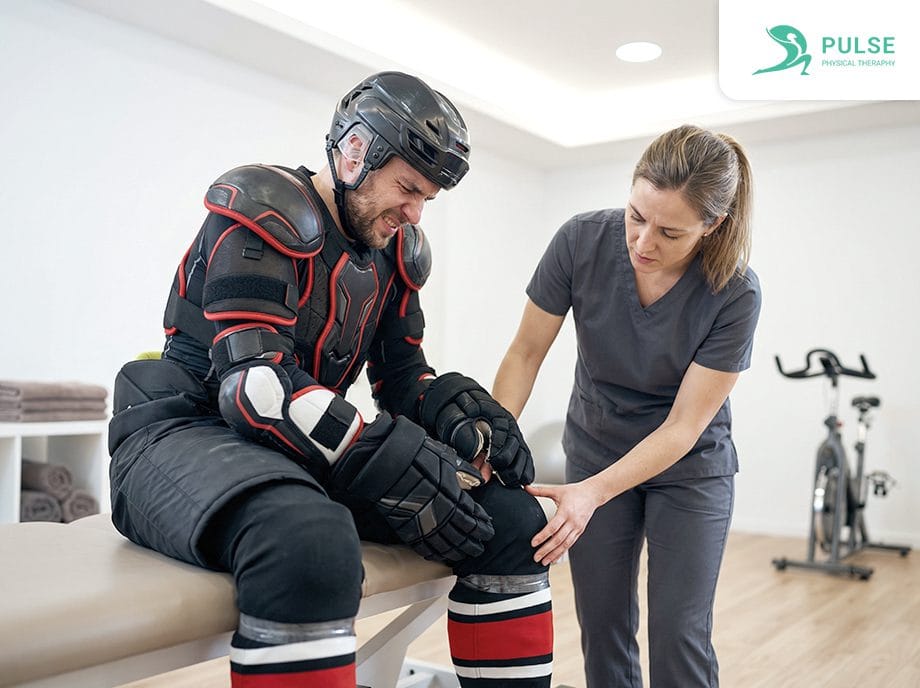
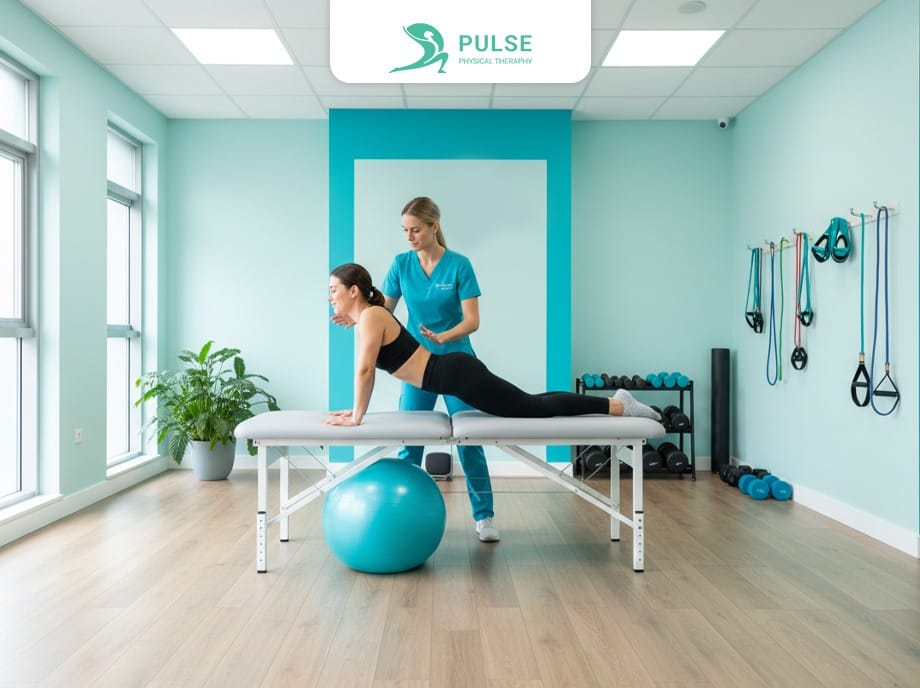
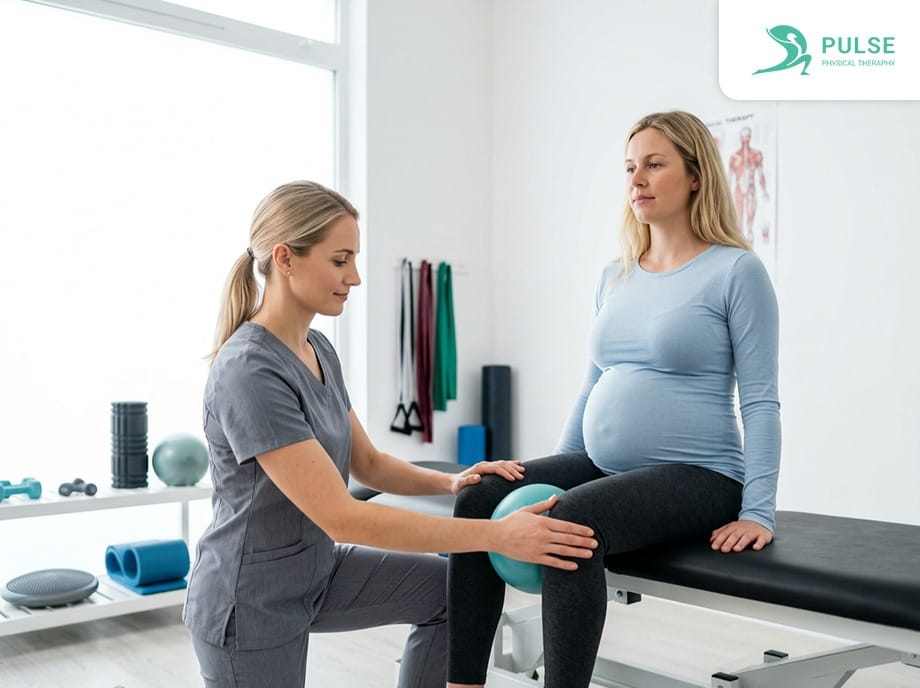
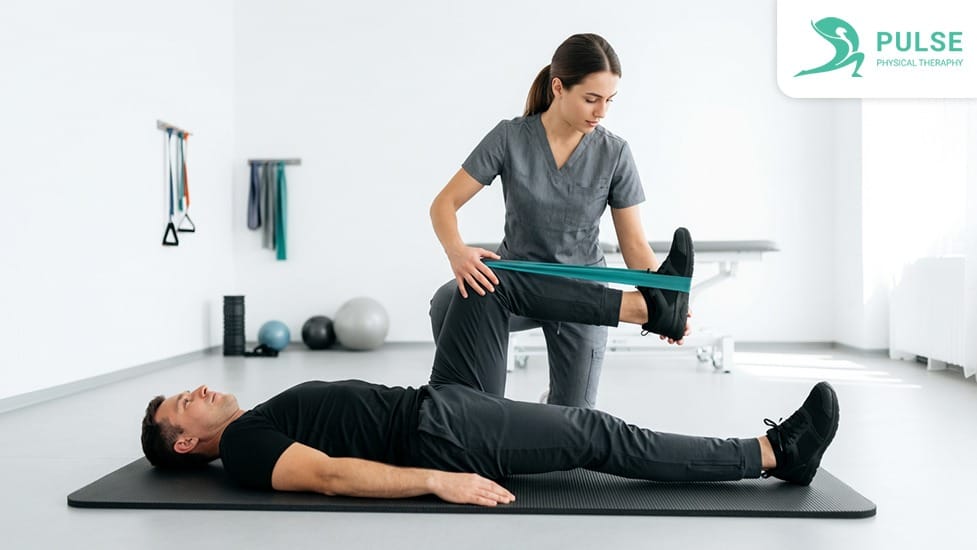
For someone who is new to exercise, dealing with joint pain, recovering from an injury, or unsure how to exercise safely, a physical therapist can help establish an appropriate starting point.
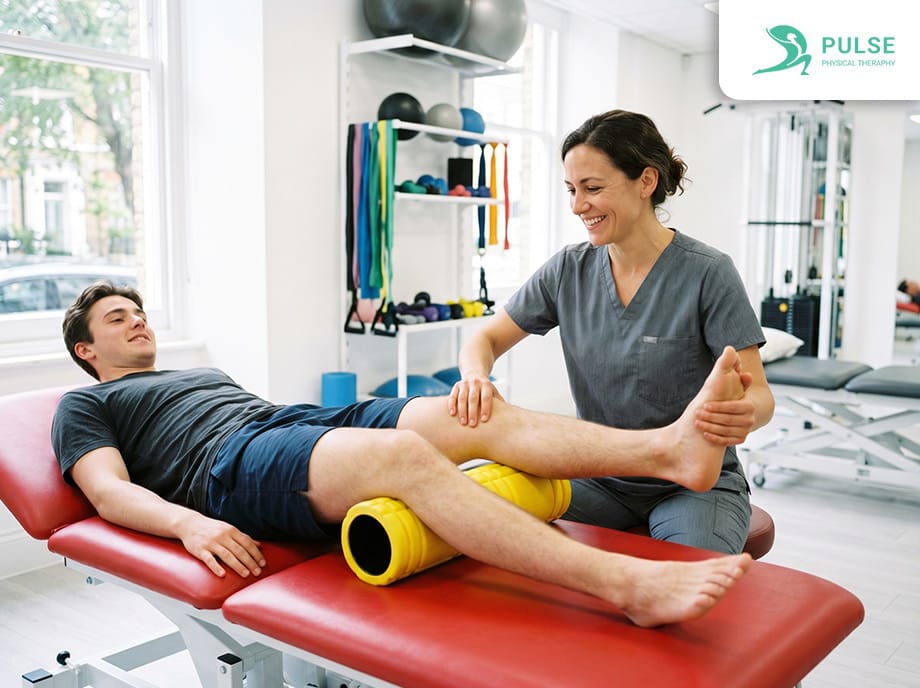
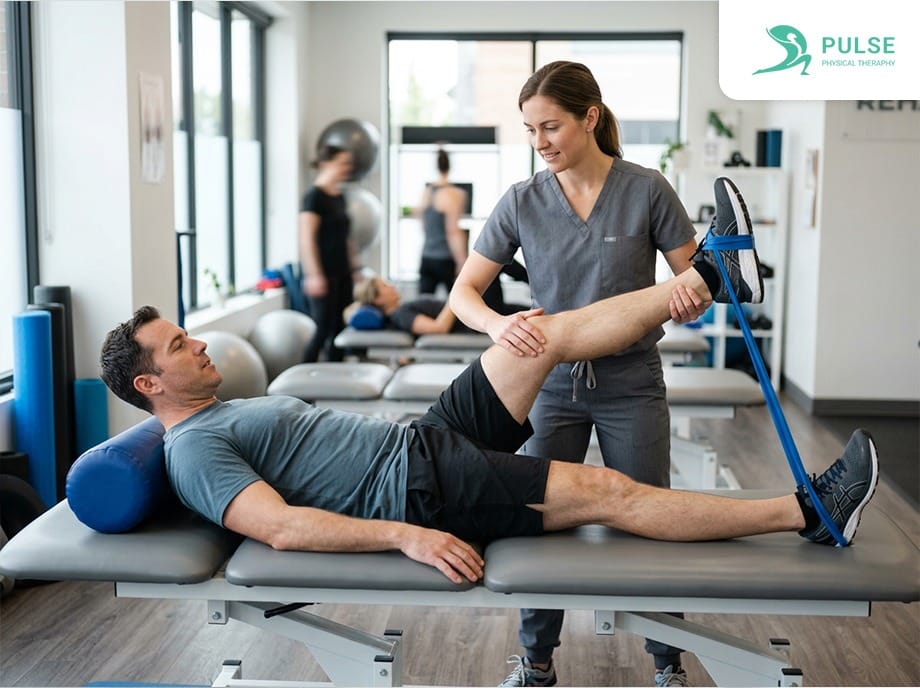
A physical therapist can help you understand where you are today in your strength capabilities and make an exercise program that is suitable and progressively challenging based on your abilities. Your exercise plan might involve activities aimed at:
You may increase the type and level of the exercises as to your increase in the strength/tolerance. This is particularly useful if you haven’t exercised regularly or are concerned about starting strength training on your own.
Getting rid of excess weight doesn’t just magically clear up all the bodily aches and pains that are already there.
You could still feel knee pain, pain on the back, have a shoulder issue, arthritis, or even an old injury that gets in the way of a pleasant workout.
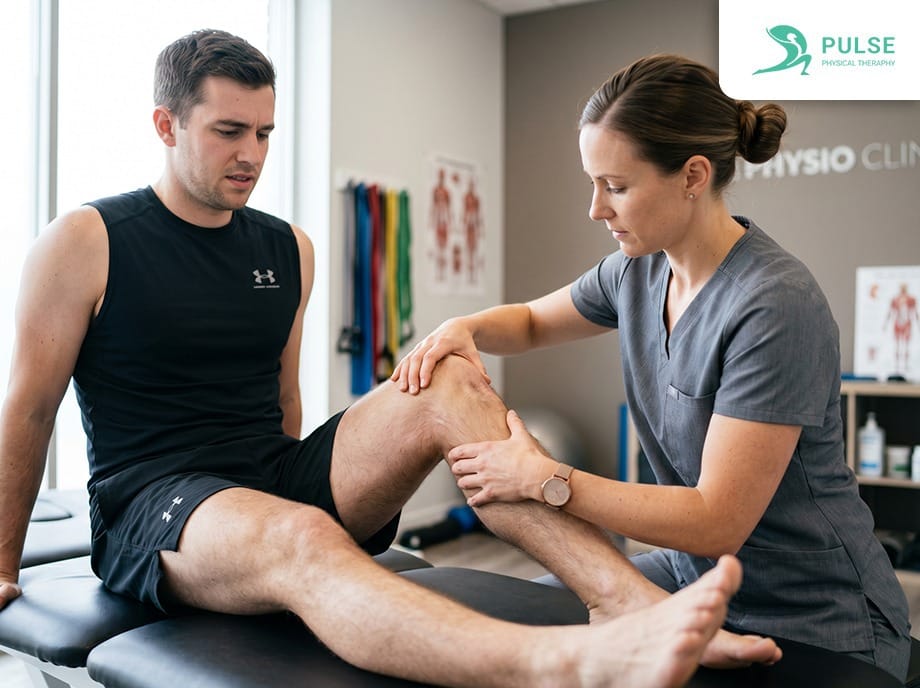
Unlike merely urging your to do more physical activity through exercise, a physical therapist is able to assess what your movement is like. They then help you find alternative ways of performing exercises that work around your existing restrictions.
What really matter is helping you “become more comfortable moving and at the same time slowly getting up to higher levels of physical activity”.
Strength is only one part of healthy movement.
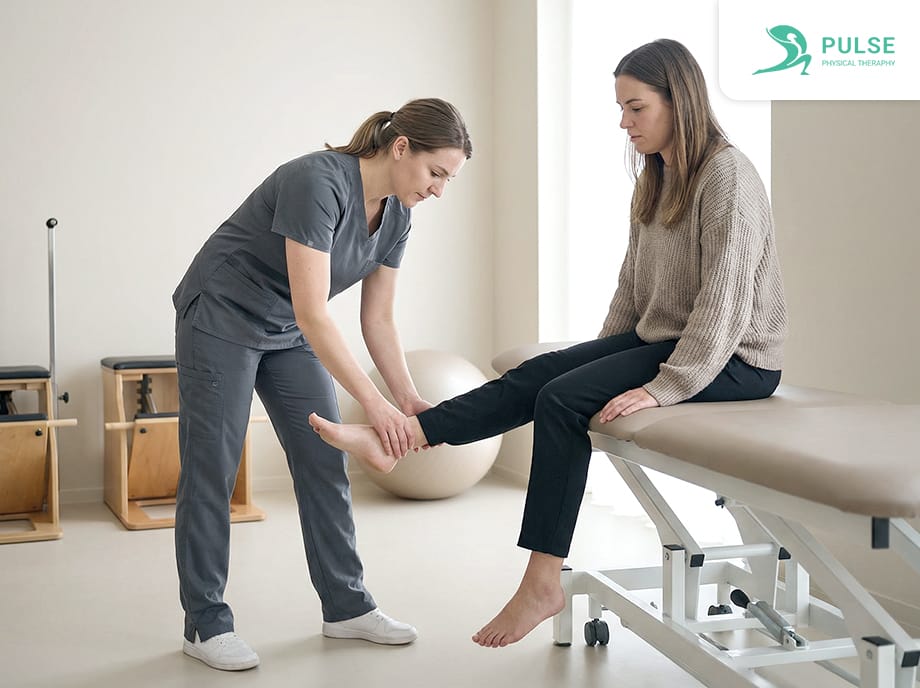
Your physical therapist may also evaluate your flexibility, joint mobility, balance, coordination, and movement patterns.
Improving these areas can make everyday activities easier and help you feel more confident participating in exercise and other activities.
Not everyone beginning a GLP-1 medication is at the same fitness level.
Some people may already be active. Others may be returning to exercise after years of inactivity. Some may have joint pain or other physical limitations that make traditional workouts difficult.
A physical therapy program can be adjusted to your current physical capacity rather than starting with a one-size-fits-all exercise routine.
Current expert consensus also emphasizes that exercise programs for people using GLP-1-based therapies should be individualized according to fitness, physical capacity, health status, preferences, and injury risk.
It depends. Taking a GLP-1 medicine is not the same as getting physical therapy.
Yet, physical therapy could be very beneficial if you have problems with strength, movement, balance, pain, injured parts of the body, or difficulty in doing physical activities. Besides, it’s great if you prefer professional coaching to establish a safe and long-term strength-training program.
Physical therapy is a way of looking at weight loss as a process with different components.
One of your team will be the physician who is in charge of your medication, while the other one will be the physical therapist who will address how your body moves and its functional condition. The role of a physical therapist is to assist someone in their physical and bodily health through different therapies that promote movement.
For instance, a registered dietitian might be needed to guide someone on nutrition that suits their needs, because when appetite is low, nutrition gets even more difficult for some persons using GLP-1 drugs.
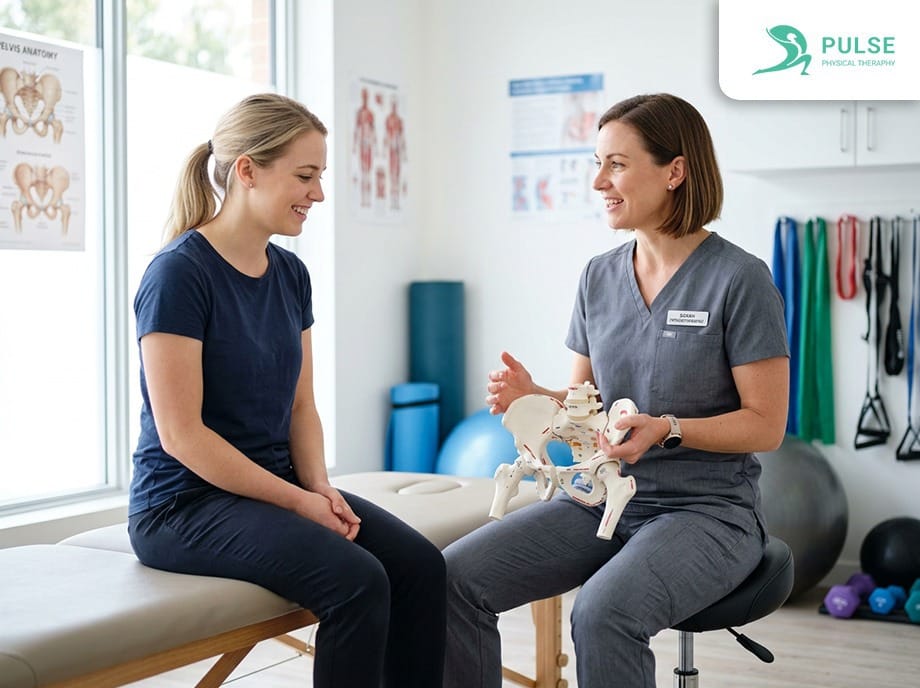
Your initial appointment will not normally be the time to jump straight into a challenging workout but a time for an evaluation of the current situation first.
Your PT will consider:
Once that’s cleared out, your therapist can create an exercise regimen tailored to your requirements.
One person might need to do basic strengthening exercises while another is advised first to return to running, improve balance, control knee pain or build up the necessary strength to get back to the gym.
The level of program can keep changing as your body improves.
This is an important conversation to have with your healthcare team.
Some people experience side effects while taking GLP-1 medications, including gastrointestinal symptoms that can make eating, drinking, or exercising more difficult. Expert recommendations emphasize individualized nutrition and physical activity strategies throughout GLP-1 treatment.
You don’t have to force yourself through a demanding workout.
Instead, your physical therapist can help you identify an appropriate level of activity and gradually build from there. If symptoms are significant or new, speak with the healthcare professional managing your medication.
Although a scale can easily give you your number, it definitely doesn’t reflect the whole story of you being in a better condition.
You may reflect on a set of other questions:
All these changes that enable you to function better will ultimately lead to better life quality and health.
The scientific community, as well as health professionals, have started to see greater benefits from the combination of traditional weight-loss methods with physical activity and resistance exercises that work the muscles without adding weight to the body. Such changes can help your physical function, lean mass buildup, and long-term wellness.
If you are using GLP-1 to lose weight and are thinking about having an improved or at least maintaining strength and physical capabilities, then “GLP-1 physical therapy in Hinsdale” could be one option to explore.
Lane Therapy at Pulse will help in customizing of the physical activities based on your current physical abilities limitations and objectives. A physical therapist will help you to set up the exercise which will change as time goes on, whether you are newly taking up sport, coming after an accident, or you just want organized way to strengthen and improve mobility.
Weight loss is a major goal for many people; though, it is equally important to maintain the “capacity to move well, stay strong, and being in the activities which bring you pleasure”.
If you want to search about “GLP-1 weight loss physical therapy” and also about “weight loss rehabilitation in Hinsdale”, the staff at Pulse Physical Therapy will be happy to explain to you how a tailored approach to the program can support the development of a comprehensive wellness blueprint.
If you are ready to proceed with your plan, reach out to the Pulse Physical Therapy and “book physical therapy in Hinsdale” to start your journey for better mobility and stronger living.
Yes. Physical therapy can help address strength, mobility, balance, pain, and exercise tolerance while you work toward your weight-management goals.
Some lean body mass can be lost during weight reduction. The amount varies between individuals, and resistance training can help support muscle preservation.
A combination of aerobic activity and resistance training is generally recommended, with the program adjusted to your fitness level and health status.
Not necessarily, but a physical therapist can be helpful if you’re unsure where to start, have pain or mobility limitations, or want professional guidance.
Yes. A physical therapist can address existing musculoskeletal problems while helping you gradually build strength and activity tolerance.