You know that pregnancy is a time of big changes not only to your baby but to your body as well. As your baby develops, your body is changing and preparing to give birth. Nutrition, exercise, and baby’s room preparation are usually the areas that most parents take care of and that’s totally understandable, but your “pelvic floor” is very important during this time and should not be overlooked.
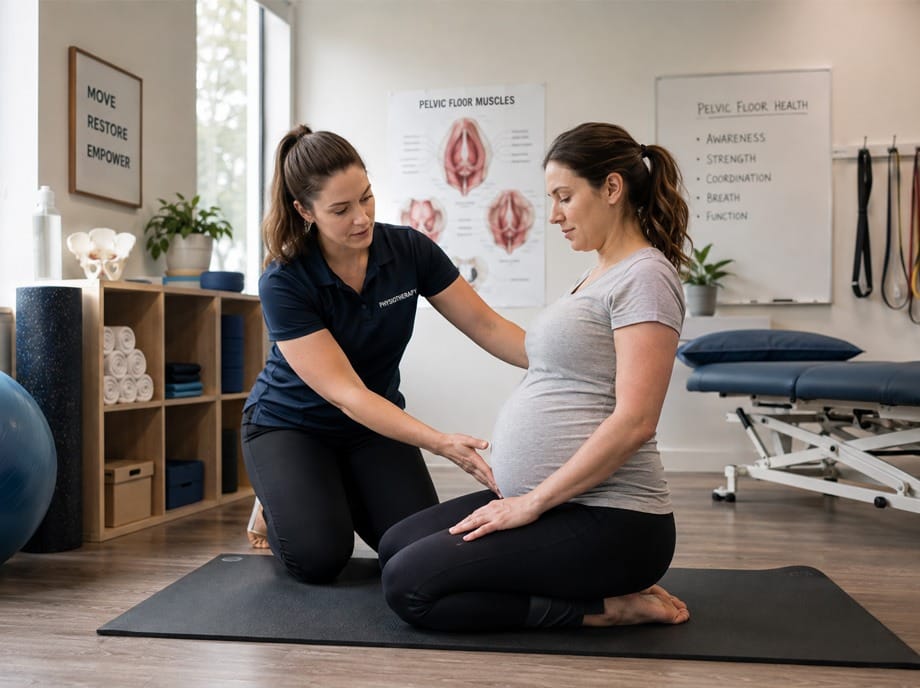
Your pelvic floor muscles are the ones that hold your pelvic organs in place, and in a way they work with your core muscles, hips, and diaphragm. As your pregnancy progresses, these muscles need to work really hard during birth. Knowing how to contract, relax, and coordinate your muscles is essential to get your body used to what labor will feel like.
The main benefit of pelvic floor physical therapy during these life-changing periods is it will allow you to better understand what is happening to your pelvic floor and help you learn and apply some new methods to support the changes happening in your body from the beginning of your pregnancy.
The pelvic floor is a group of muscles and connective tissues located at the bottom of your pelvis. These muscles help support the bladder, bowel, and reproductive organs while also playing a role in bladder and bowel control.
During pregnancy, your pelvic floor has to support additional weight and adapt as your body changes. Hormonal changes, changes in posture, and the growing baby can also affect how your pelvis and surrounding muscles move and function.
This doesn’t mean that every pregnant person will experience pelvic floor dysfunction. However, understanding how these muscles work can help you make informed choices about your pelvic health during pregnancy.

Pelvic floor is often connected to health through pelvic floor strengthening exercises. But relaxing the pelvic floor should also be learned mostly in situations like labor.
You can get help from a pelvic floor physical therapist who will help find out why these muscles are so tight and will teach methods of releasing that tightness.
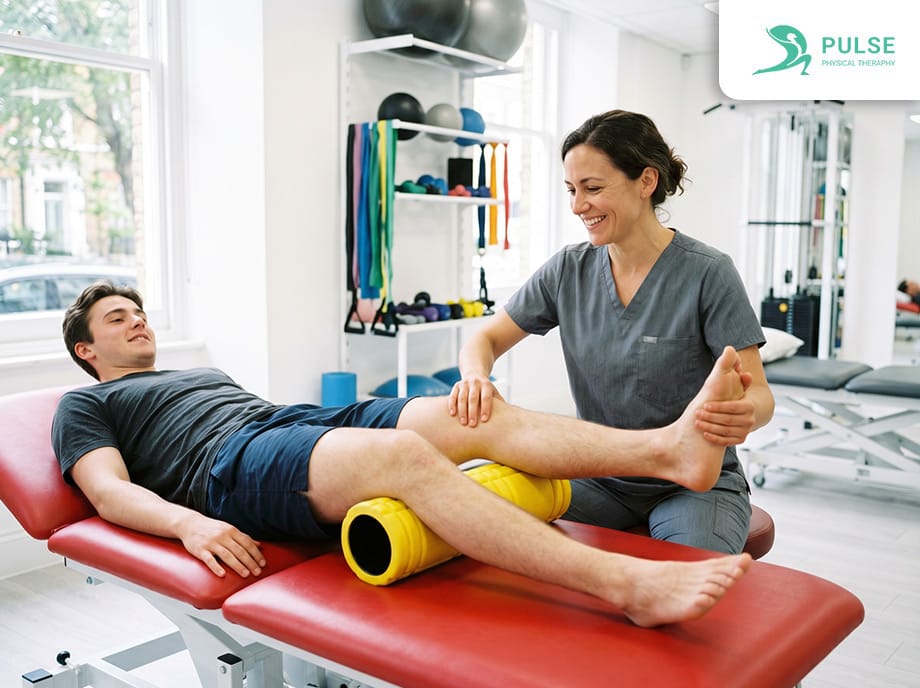
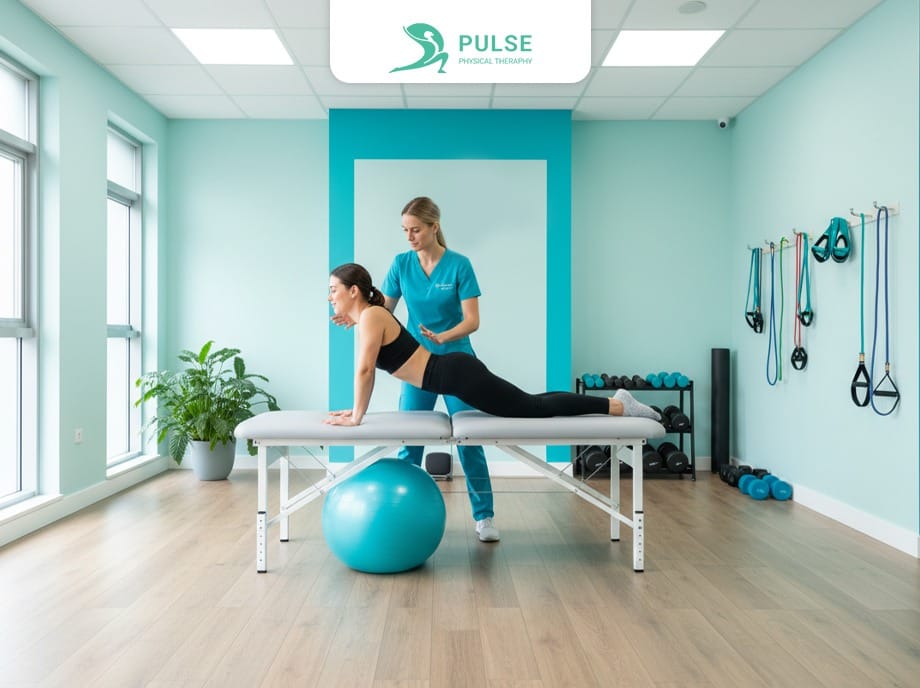
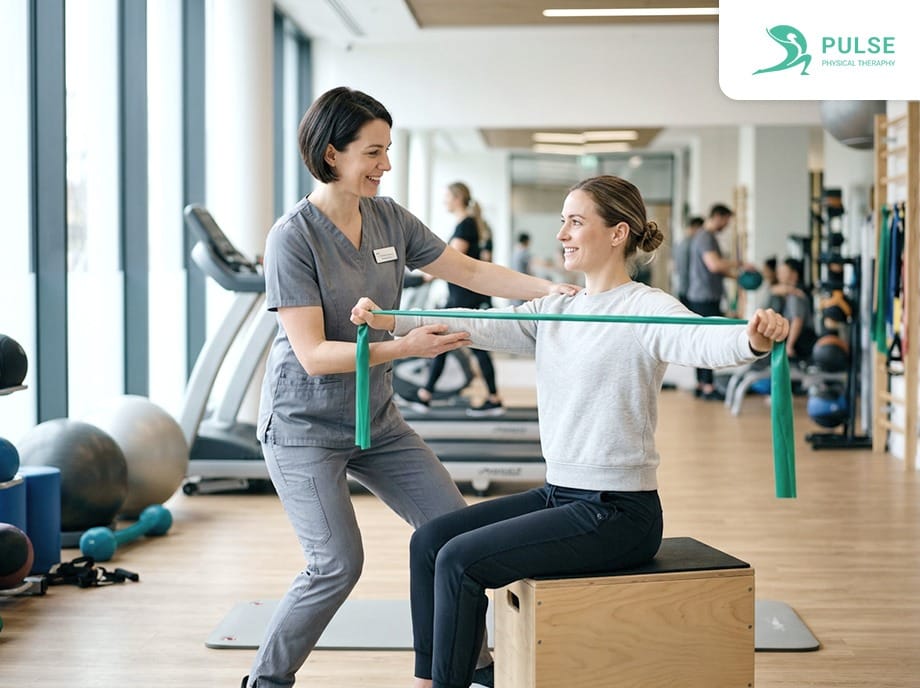
One of the possible interventions your physical therapist will use for your condition will be different ways, including “breathing techniques,” movement, and muscle coordination exercises.
These skills learned during pregnancy will not only help you to understand your body better but will also make you more self-aware of your pelvic floor movements and muscle contractions.
Your hips and pelvis play an important role in movement throughout pregnancy and during labor. Stiffness or discomfort in these areas can make everyday activities more challenging.
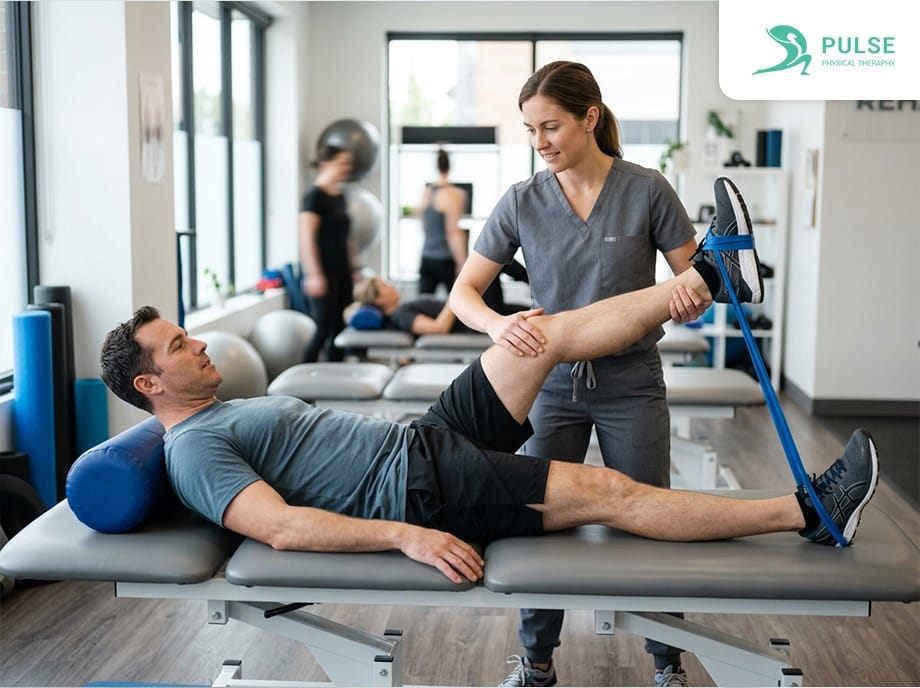
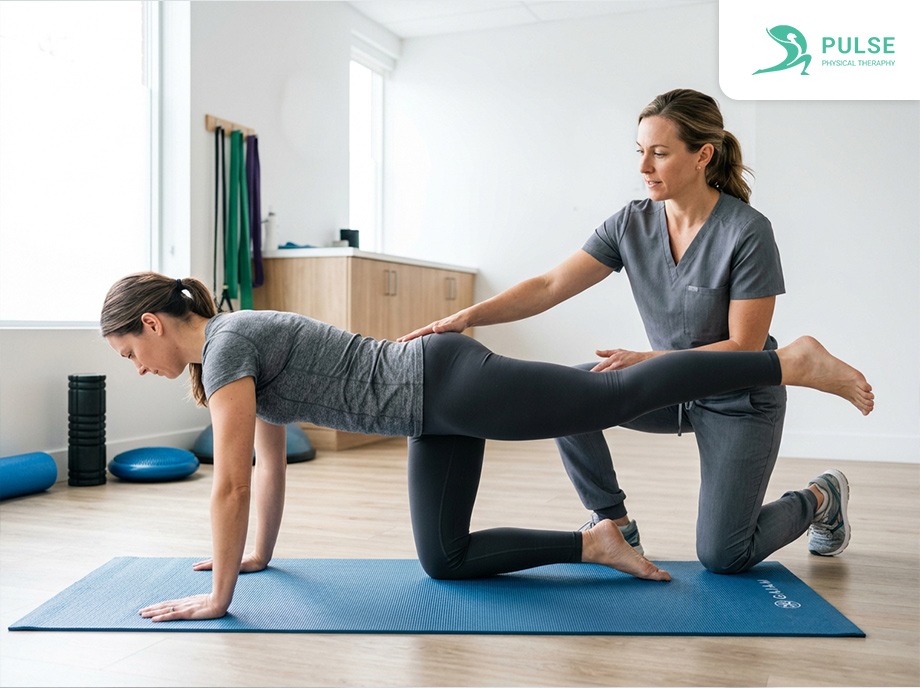
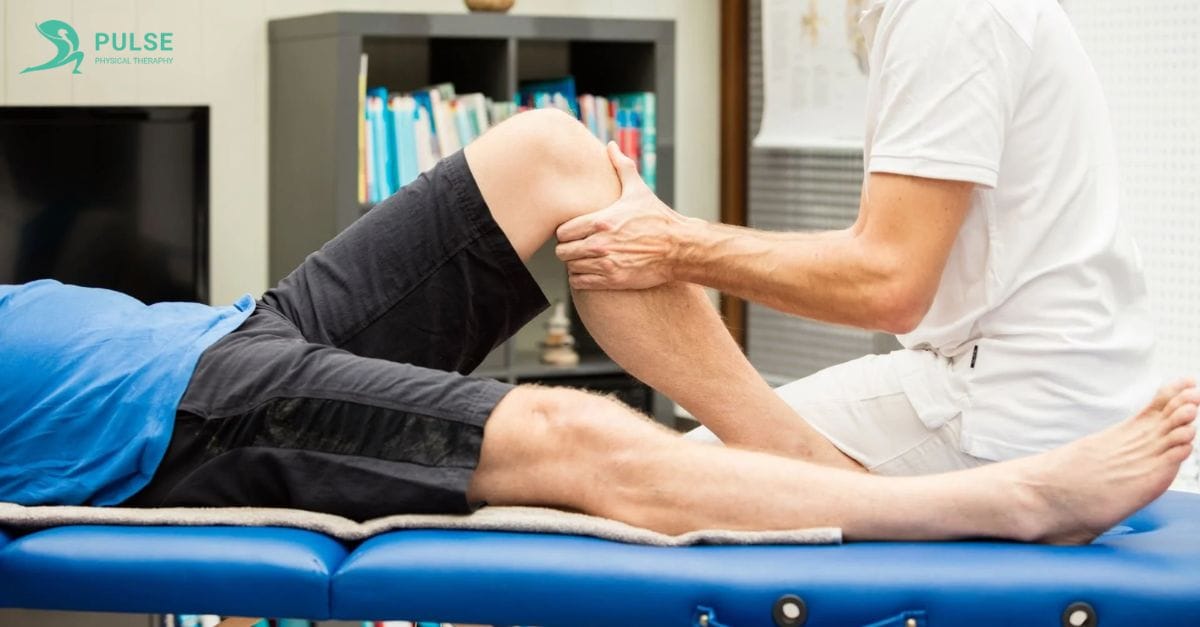
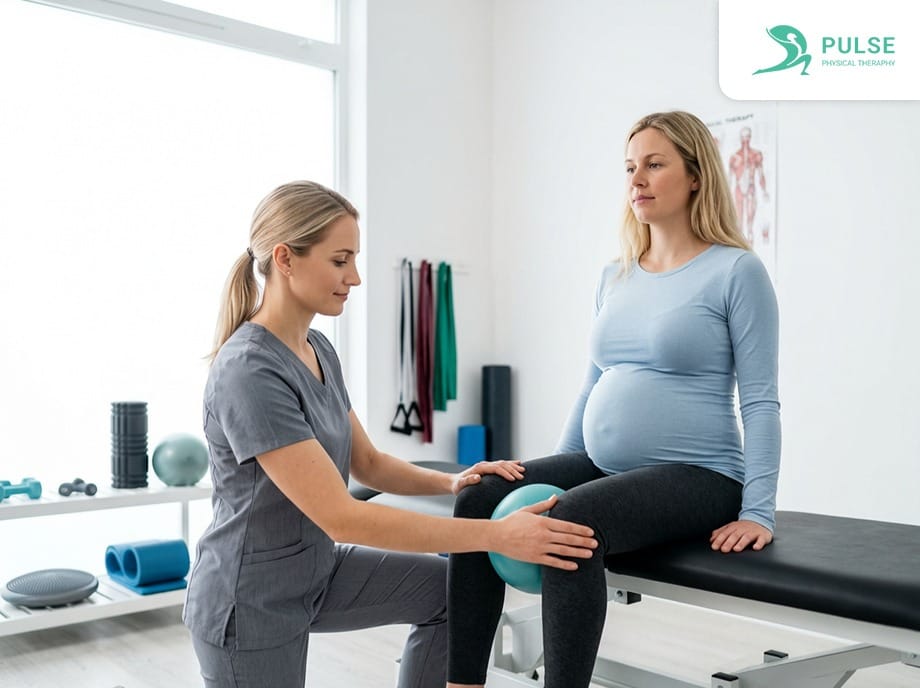
A physical therapist can assess your movement and recommend exercises or mobility techniques based on your individual needs. Improving pelvic and hip mobility can help you move more comfortably as your body changes during pregnancy.
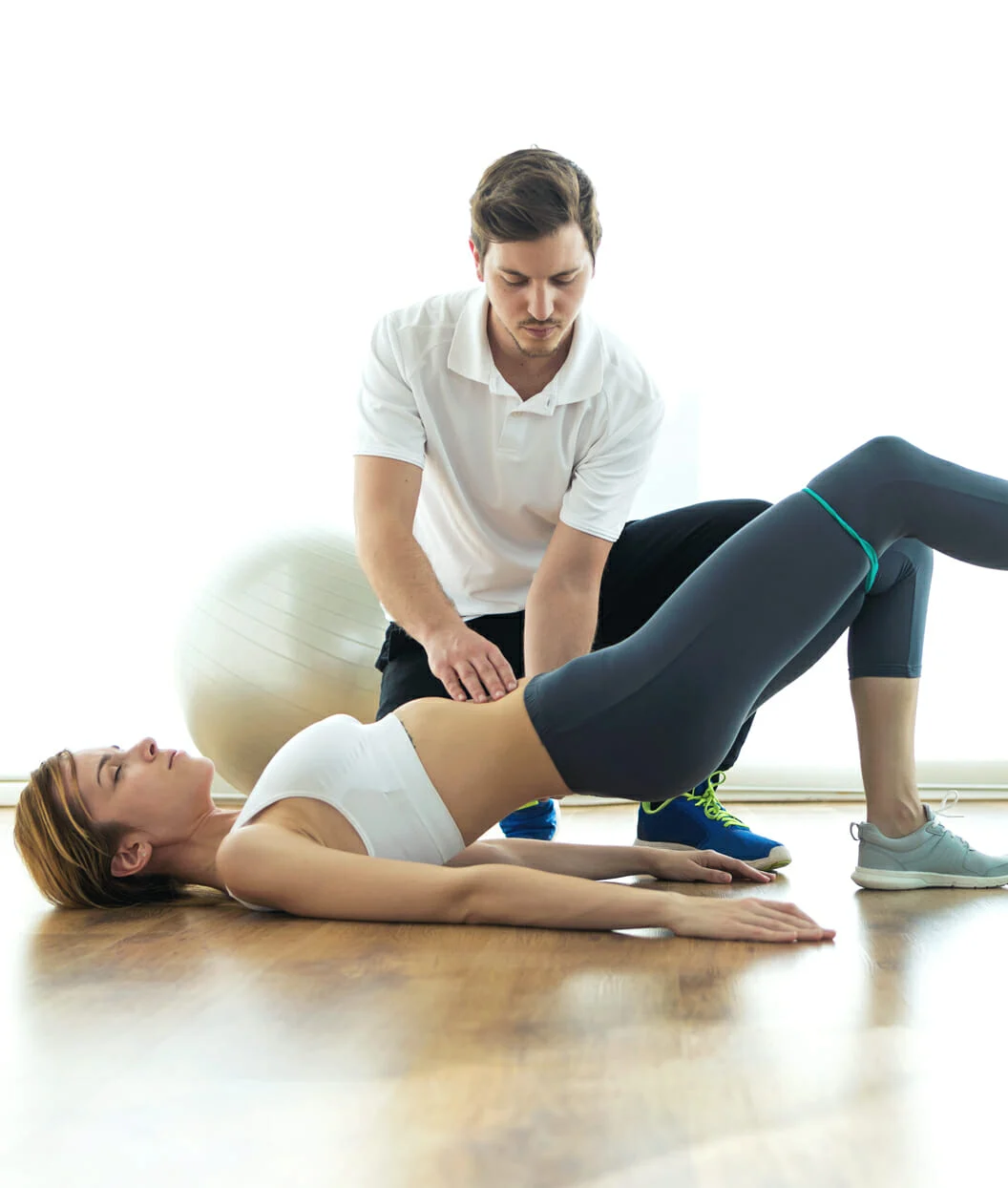
Pelvic floor isn’t something you can exercise alone. To work effectively, it needs your abdominal muscles diaphragm hips, and muscles elsewhere in your body. “Pelvic floor therapy/PT” aims to raise your awareness and understanding of how these different muscle groups function together while helping your body master the skills of contracting and relaxing the right muscles at the right time.
Developing this kind of bodily consciousness is helpful when you train your body for the physical effort of labour and birth.
Pelvic discomfort can occur as your body changes during pregnancy. You may experience pelvic pressure, hip discomfort, or pain when walking, exercising, changing positions, or performing everyday activities.
Physical therapy can help identify movement patterns or muscle imbalances that may be contributing to your discomfort. Your physical therapist can then create a personalized plan to help improve your comfort and function.
If you experience persistent or severe pain during pregnancy, it’s important to discuss it with your healthcare provider.
Besides, the topic of ‘perineal massage’ will probably emerge during the discussion of preparations for birth as well. You just have to gently massage the tissue surrounding the vaginal opening through what is called “perineal massage”, and you could actually benefit from it by getting more acquainted with the area and preparing yourself for any stretching that occurs during vaginal childbirth.
A pelvic health physical therapist will be able to tell you first of all if perineal massage suits you or not, then guide you as to what technique to apply and when.
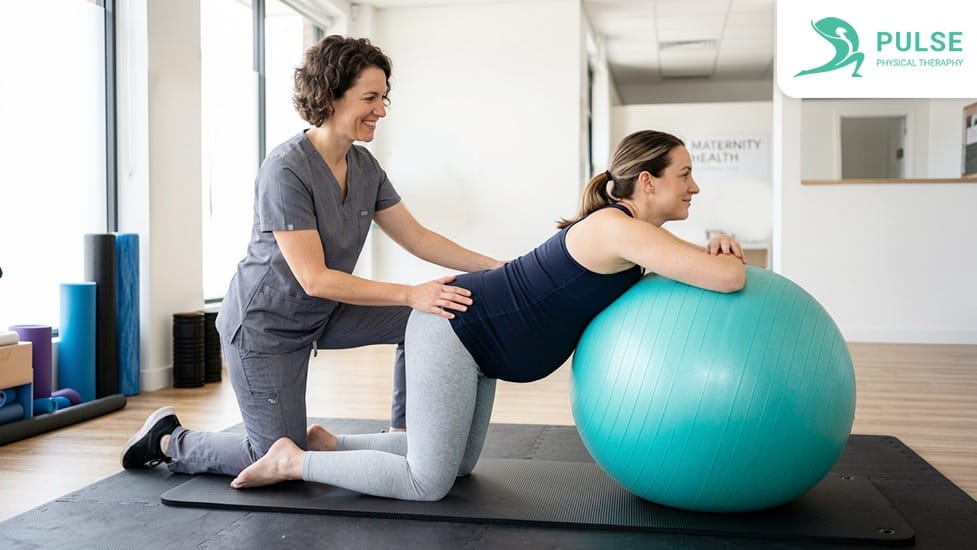
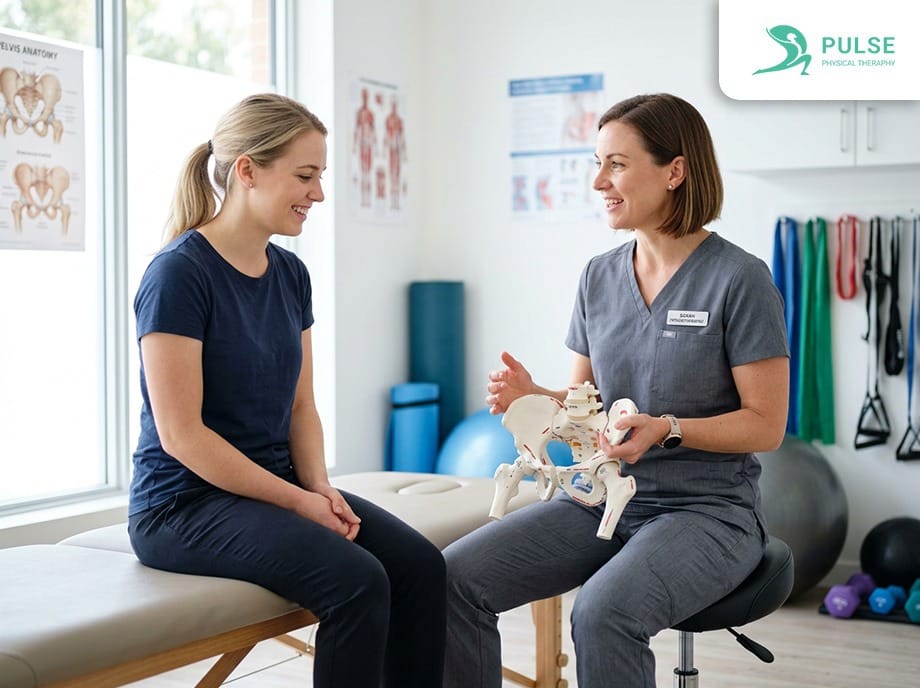
Your inaugural appointment will generally involve an initial discussion covering your pregnancy symptoms daily activities, and expectations. At that time, your physical therapist may do posture assessment and evaluate your movement, strength, and flexibility, as well as how well your pelvic floor muscles cooperate with those nearby.
The “pelvic therapy” plan made for you will be unique. As your main concerns change through stages of pregnancy, the program will adapt to your changing physical and mental needs. It might include, for instance, such components as:
Pelvic floor physical therapy aims not at the birth of a certain manner or a specific delivery technique, but to offer a clearer view of how your body works alongside some really useful methods that will help you to be even more confident about your labor, delivery, and postpartum period.
One physical therapy session is not going to miraculously treat all the symptoms and it does not happen the same for everyone when deciding about when pregnancy is the best time to start physical therapy. Your symptoms, health condition, stage of pregnancy and your personal goals will be the deciding factors.
Physical therapy could be the best option to go for if you are experiencing any of these:
We recommend that if you are thinking of your pelvic floor, it is wise not to wait for the time when your pain or discomfort becomes very pronounced. It may actually be easier, both mentally and physically, to start a therapeutic routine as part of your pregnancy and childbearing planning. Some of the people prefer therapy as a proactive way of managing their childbirth and pregnancy.
Preparing for birth means more than simply packing hospital clothes or figuring out a birth plan. It takes a deeper knowledge of how your body is changing and the best ways to deal with it. Pelvic floor therapy can assist you in increasing your ability for movement, understanding how different muscles coordinate with each other, how and when to relax the pelvic floor, and being mentally ready for the exertion of childbirth.
Then again, it may help to develop the skills or knowledge that would still be helpful when the baby arrives. For example, “a woman in “Hinsdale” “IL” can be treated for “pelvic floor” related issues at Pulse Physical Therapy which is offering a customized “pelvic health” plan based on one’s needs and objectives. A discussion with both your physician and a licensed specialist in this field will help you reach an educated decision on whether you are suitable for pelvic floor physical therapy.
Yes. Pelvic floor therapy can help you understand how your pelvic floor works and teach you how to coordinate, contract, and relax these muscles. It can also address mobility and movement concerns during pregnancy.
There isn’t one specific time that works for everyone. The right time depends on your pregnancy, symptoms, individual needs, and birth-preparation goals. A pelvic health physical therapist can help determine what approach is appropriate for you.
No. Pelvic floor therapy involves more than strengthening. Depending on your needs, treatment may include mobility exercises, breathing techniques, muscle coordination, relaxation strategies, movement education, and birth preparation.
Pelvic floor physical therapy may help address pregnancy-related pelvic pain, pressure, stiffness, and discomfort with movement. A physical therapist can assess your individual needs and create a personalized treatment plan.
Your first visit typically includes a discussion about your pregnancy, symptoms, activity level, and goals. Your physical therapist may assess your movement, mobility, strength, posture, and how your pelvic floor works with the surrounding muscles. Your treatment plan will then be tailored to your specific needs.