
Dancing demands strength, flexibility, control, and endurance – often all at once. Whether you train in ballet, contemporary, jazz, hip-hop, or ballroom, your body becomes both the instrument and the athlete. Unfortunately, that also means injuries are common.
At Pulse Physical Therapy, Hinsdale, IL, we specialize in helping dancers recover safely, rebuild strength, and return to performance with confidence. If you’re searching for physical therapy for dancers in Hinsdale or dance injury treatment near me, this guide explains how expert rehabilitation supports dancers from ankles to hips – and beyond.
Why Dancers Are Prone to Injury
Dancers are unique athletes. Unlike many sports, dance combines:
- Extreme ranges of motion
- Repetitive loading
- Landing forces from jumps
- Rapid directional changes
- Prolonged time on toes or demi-pointe
These demands create stress on the lower extremities – particularly the ankles, knees, and hips. Overuse, technique imbalances, and inadequate recovery often lead to injury.
Common Dance Injuries We Treat in Hinsdale, IL
At Pulse Physical Therapy, we frequently evaluate and treat:
1. Ankle Injuries
- Ankle sprains
- Achilles tendinitis
- Posterior ankle impingement
- Peroneal tendon irritation
Ankles are the foundation of every jump and turn. Instability here can create a chain reaction throughout the body.
2. Knee Conditions
- Patellofemoral pain syndrome
- IT band syndrome
- Meniscus irritation
- Jumper’s knee
Poor landing mechanics or hip weakness often contribute to knee pain.
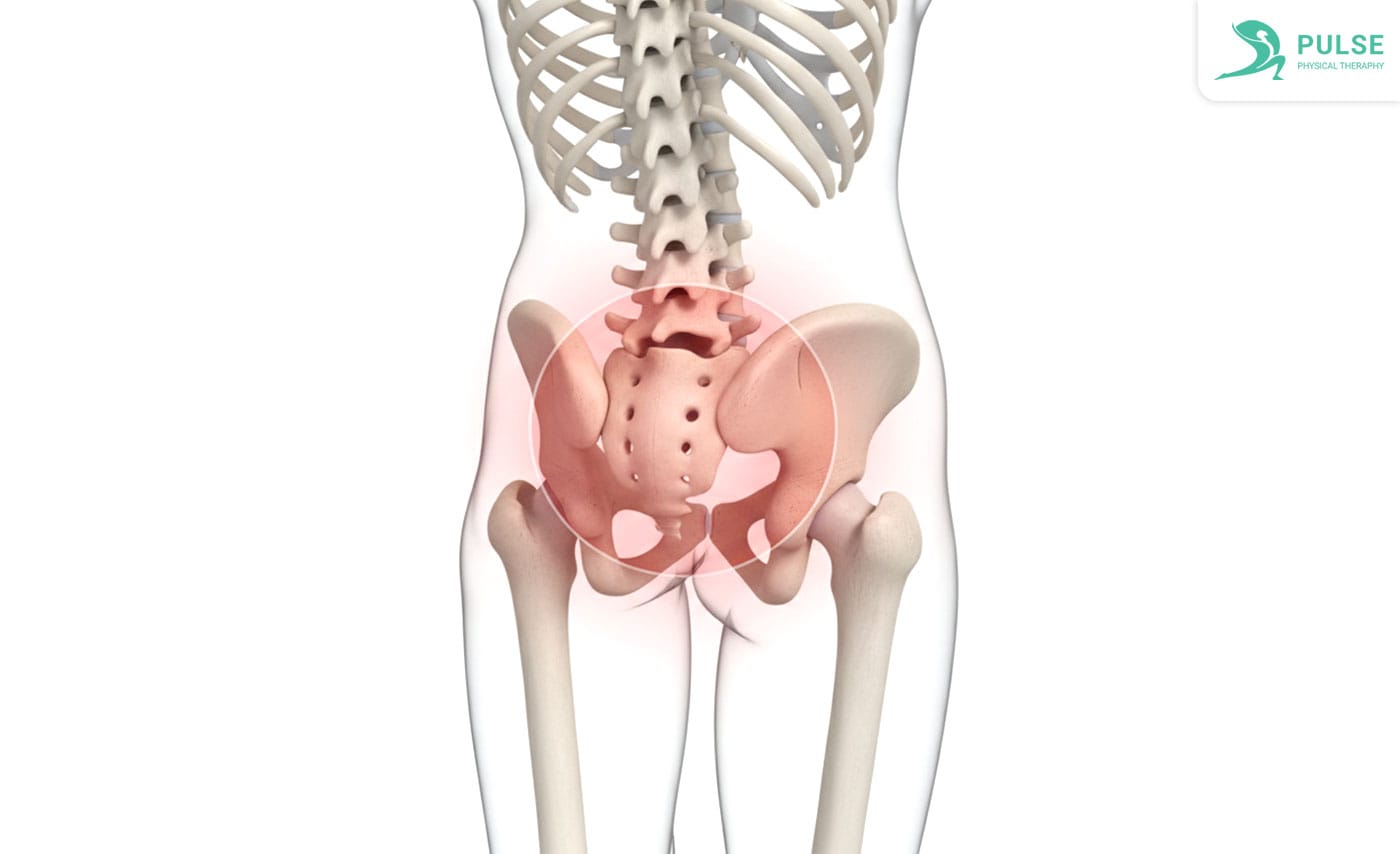
3. Hip Injuries
- Hip flexor strains
- Labral irritation
- Snapping hip syndrome
- Gluteal tendinopathy
Turnout demands and repetitive extensions place high stress on the hip joint.
The Kinetic Chain: Why Treating the Whole Body Matters
In dance rehabilitation, we don’t just treat the painful area. We assess the entire kinetic chain — how the ankle, knee, hip, pelvis, and core work together.
For example:
- Weak hip stabilizers can overload the knee.
- Limited ankle mobility can alter landing mechanics.
- Core instability can affect turnout and balance.
At Pulse Physical Therapy in Hinsdale, our licensed physical therapists perform comprehensive movement analysis to identify the root cause – not just the symptom.
How Physical Therapy Supports Injured Dancers
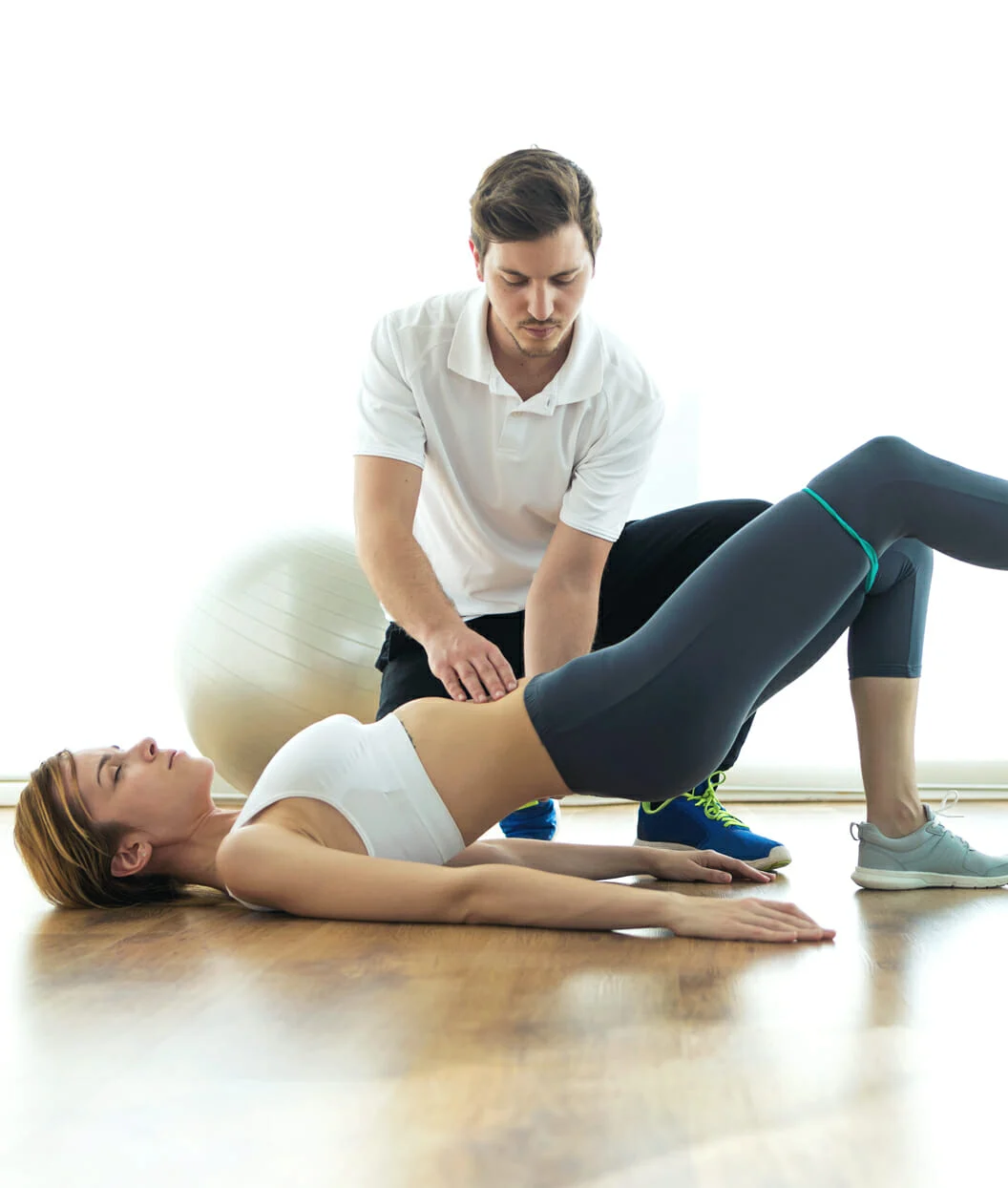
1. Accurate Diagnosis & Movement Assessment
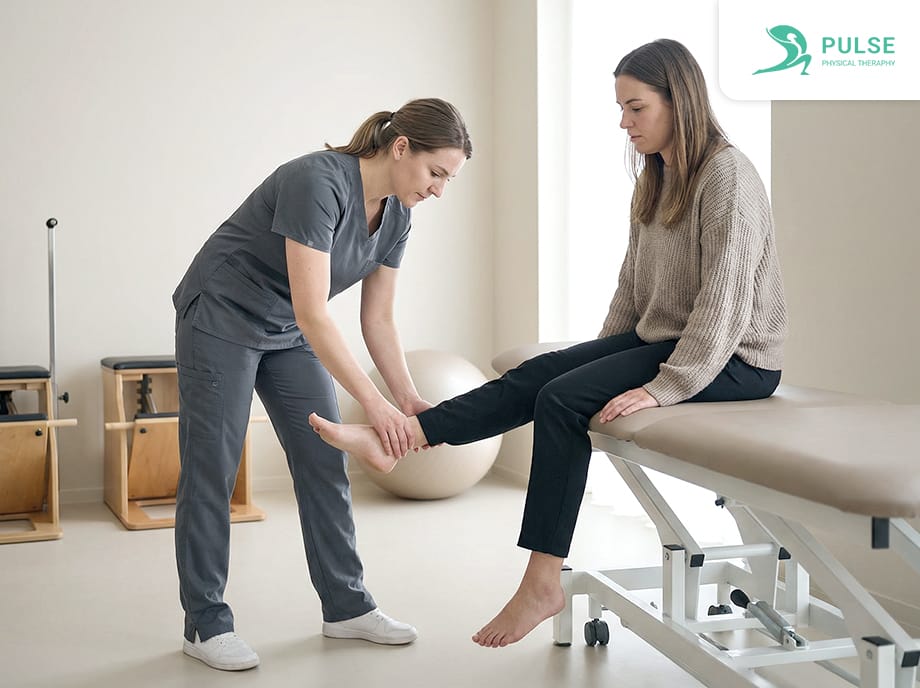
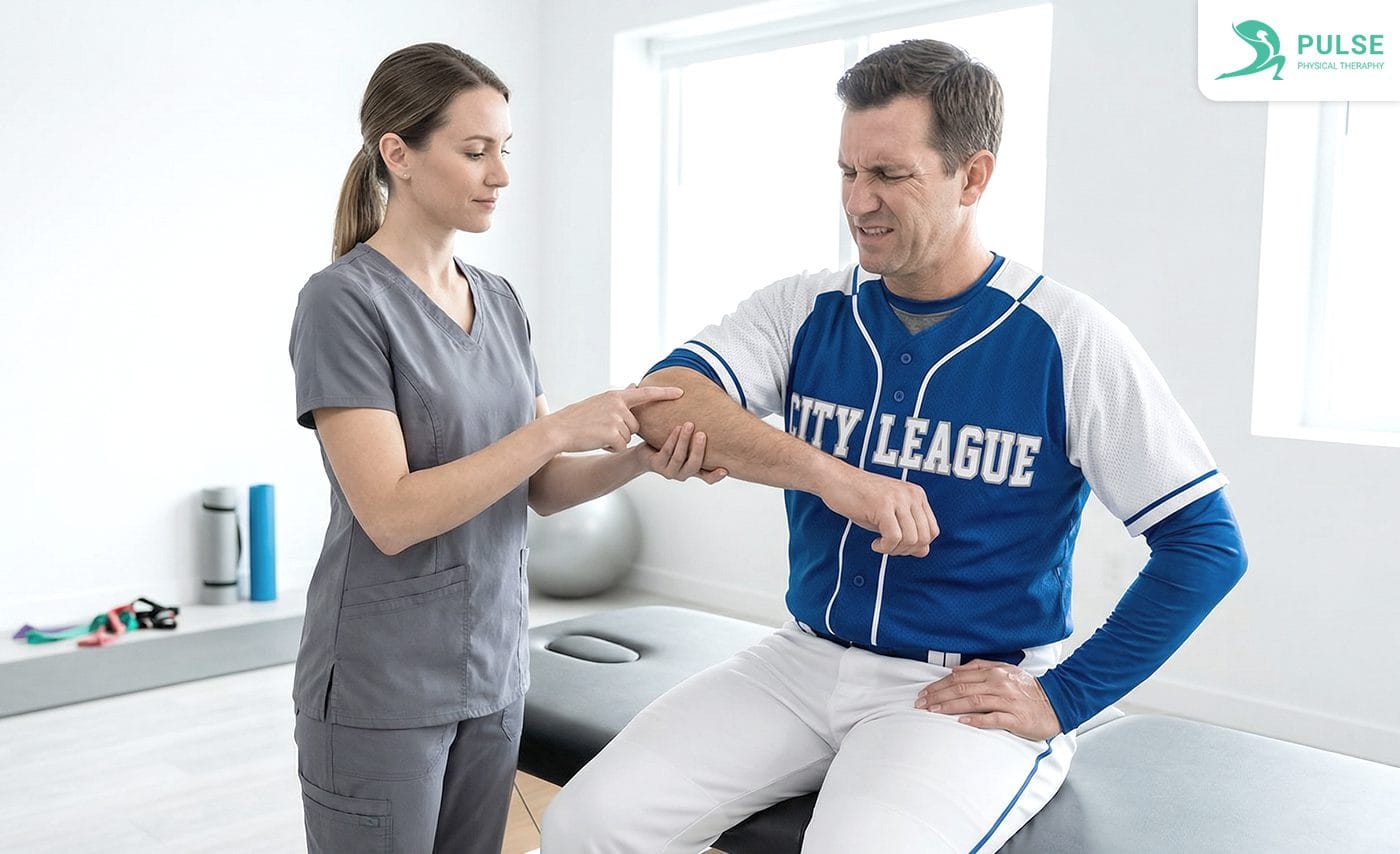
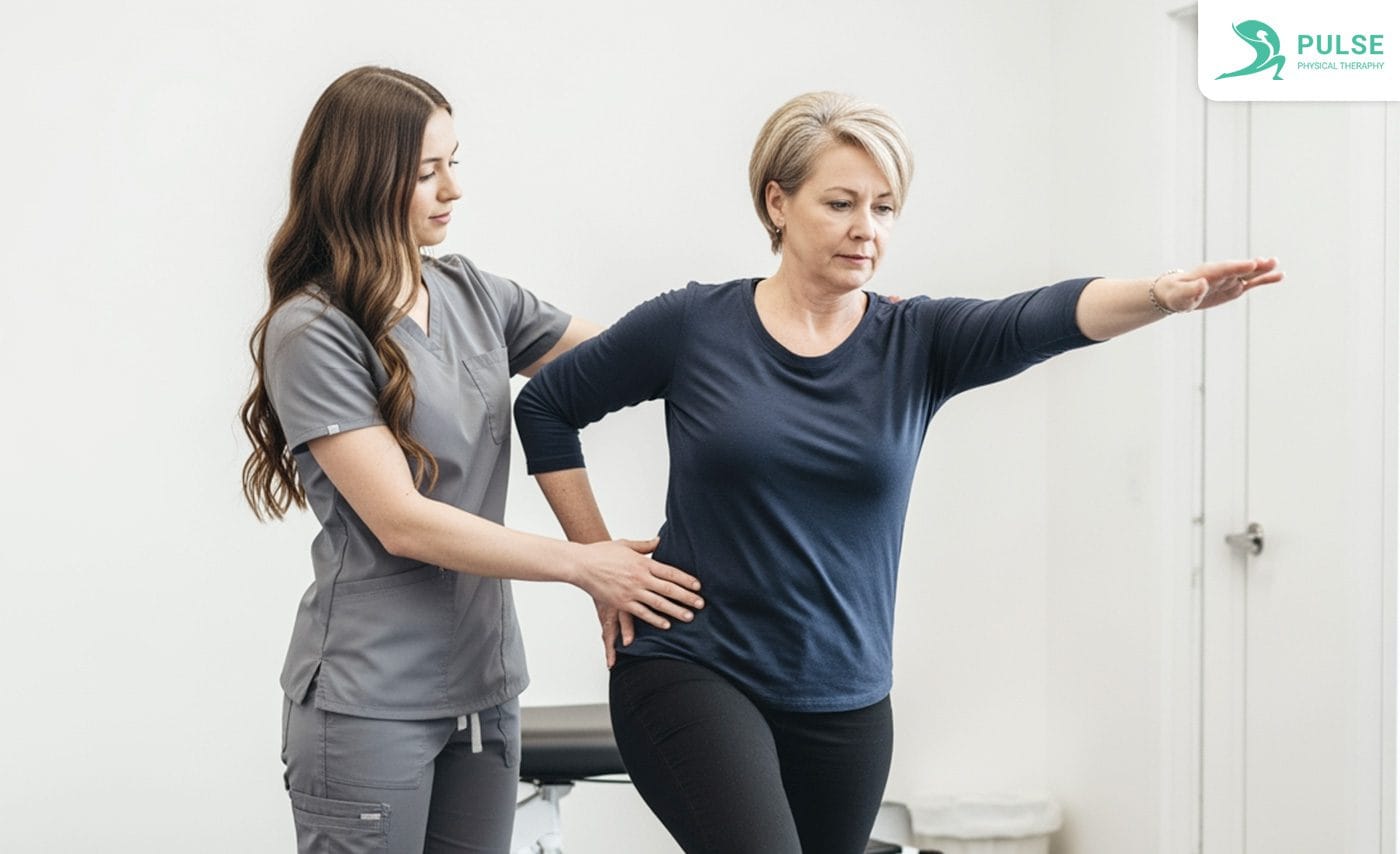
We conduct a detailed evaluation including:
- Range of motion testing
- Strength testing
- Gait and landing analysis
- Balance and proprioception screening
- Functional dance-specific movements
This ensures your rehabilitation is personalized and evidence-based.
2. Pain Reduction Without Compromising Performance
We use advanced, research-backed interventions such as:
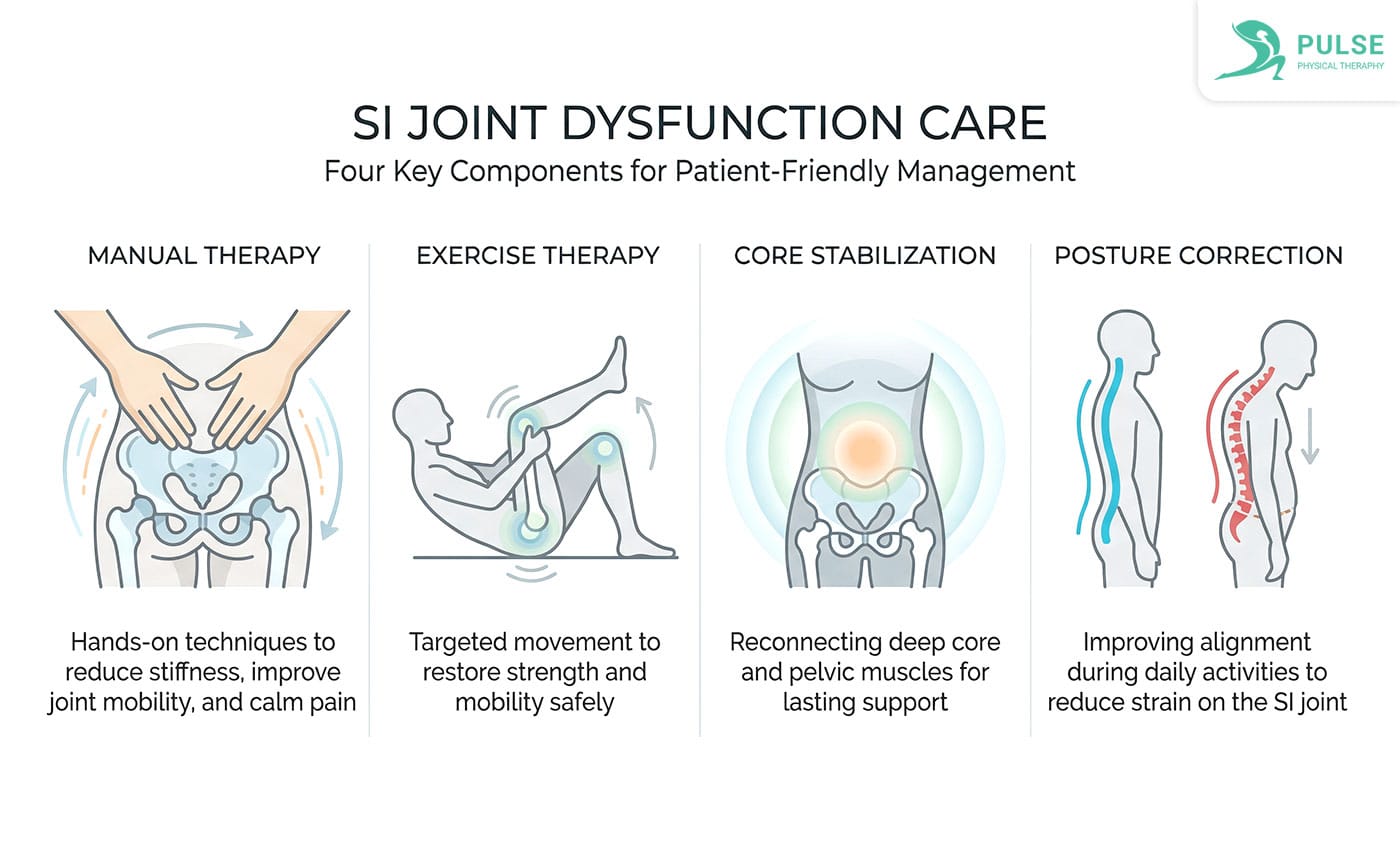
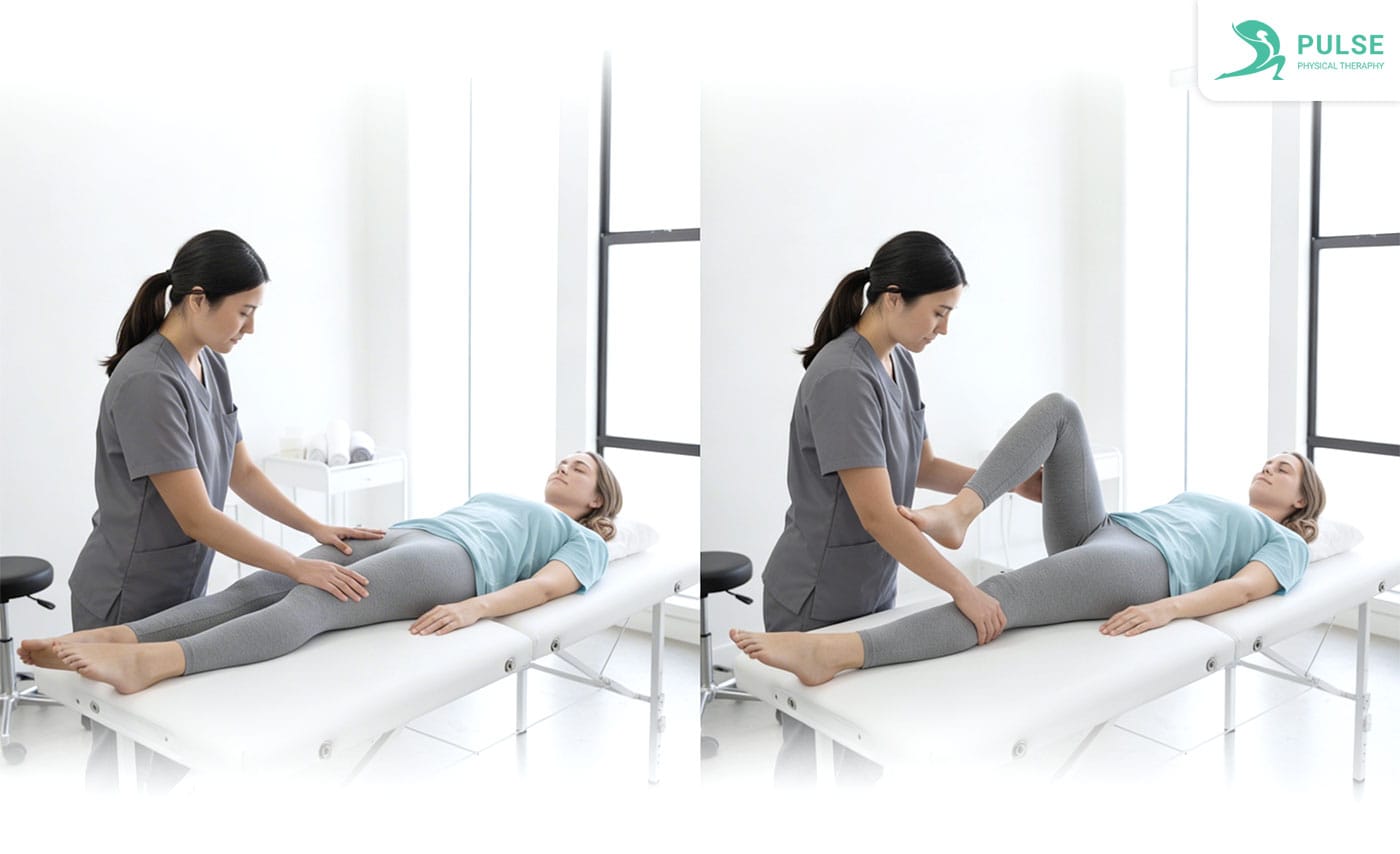
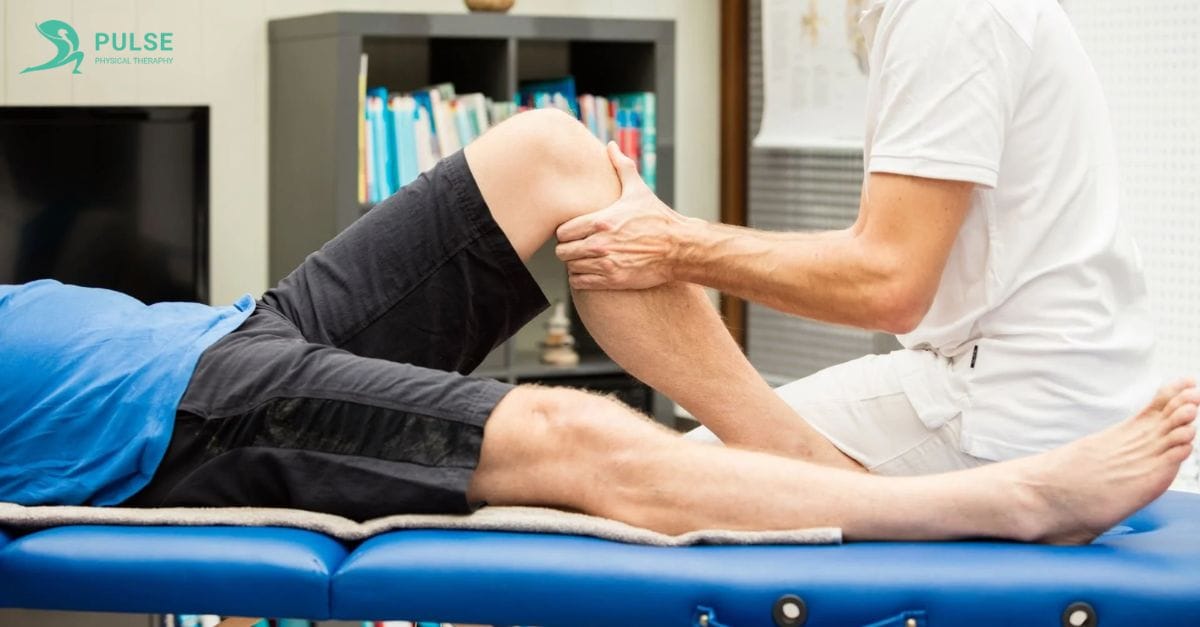
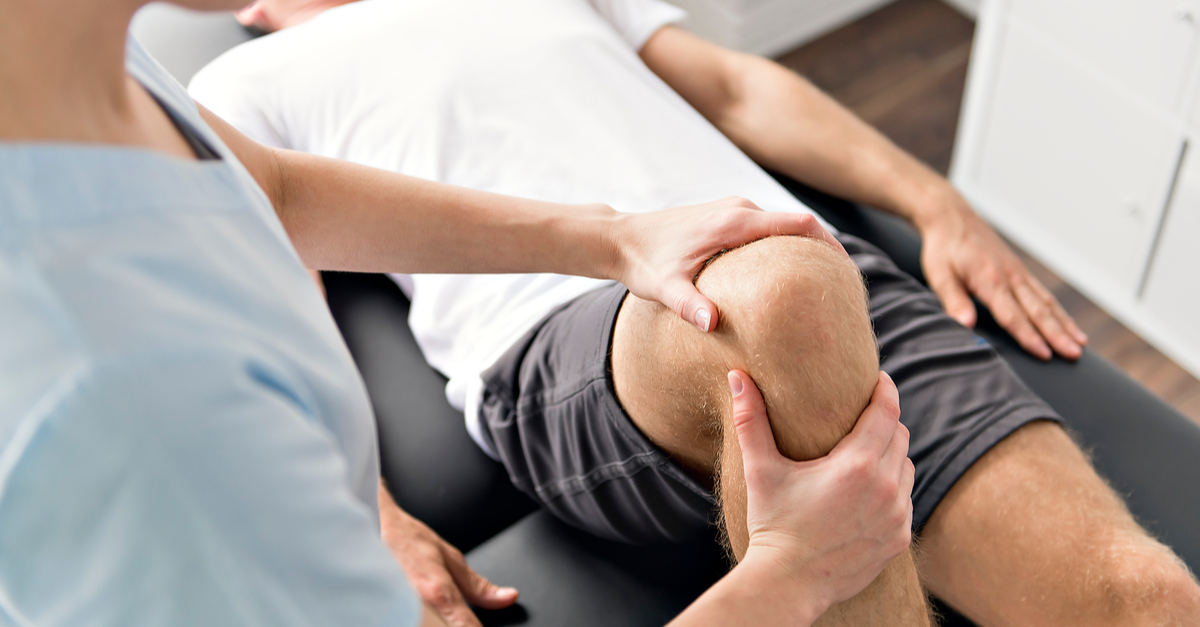
- Manual therapy
- Joint mobilization
- Soft tissue techniques
- Targeted therapeutic exercises
- Neuromuscular re-education
Our goal isn’t just pain relief – it’s restoring full dance function.
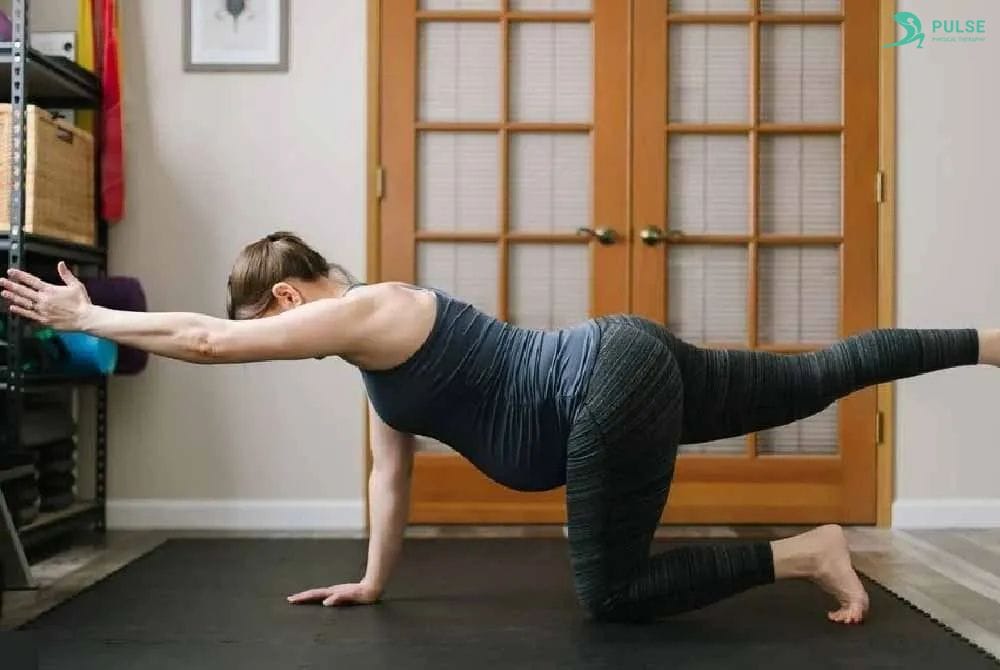
3. Strength & Stability Training for Dancers
Dancers often have exceptional flexibility but lack stabilizing strength. We focus on:
- Ankle stability drills
- Eccentric calf strengthening
- Gluteus medius activation
- Core stabilization
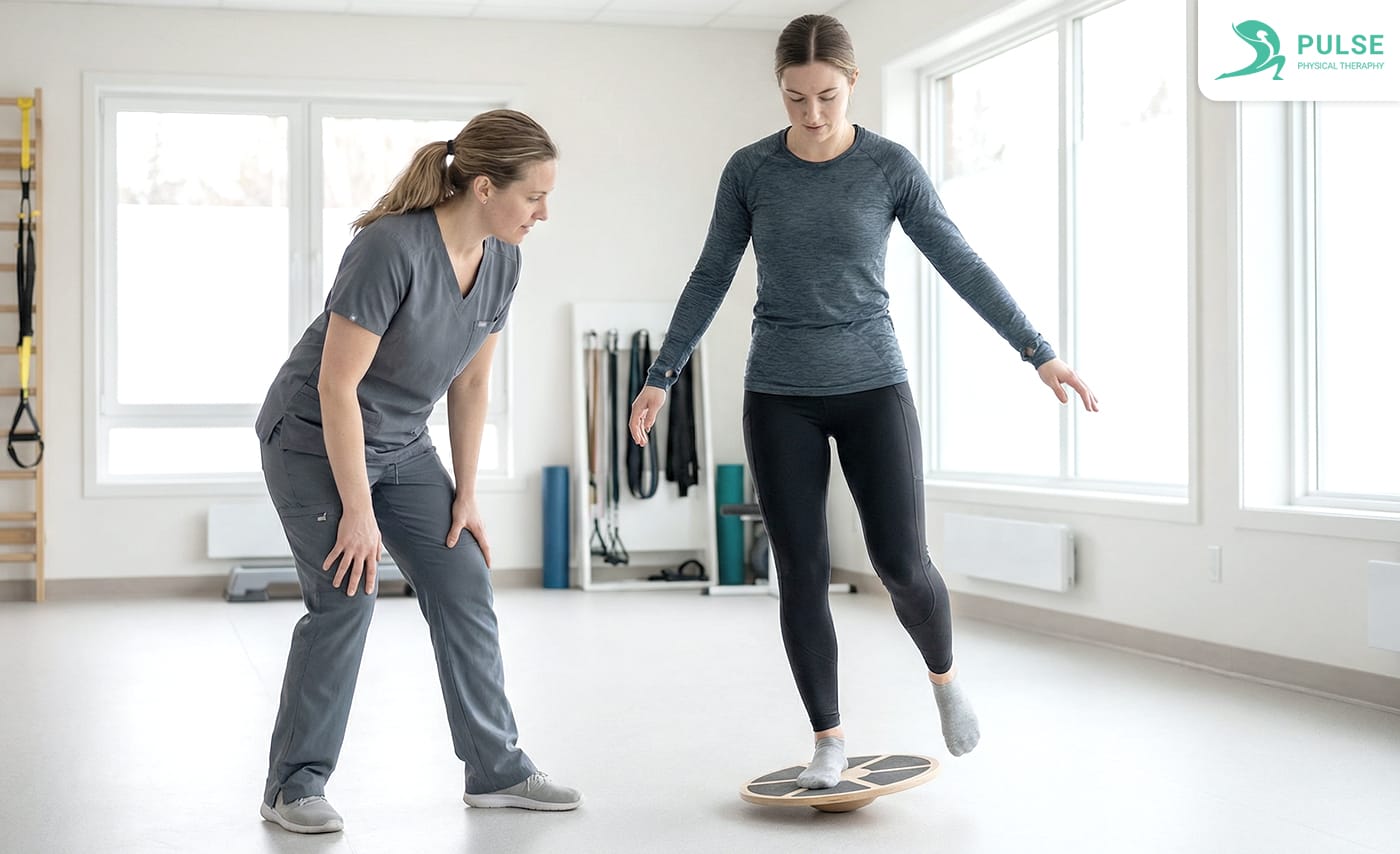
- Single-leg balance training
These exercises protect joints and improve control during jumps and turns.
4. Turnout & Landing Mechanics Correction
Improper turnout compensation (often from the foot or knee rather than the hip) can increase injury risk. Through video analysis and guided training, we:
- Improve hip external rotation strength
- Correct landing alignment
- Optimize force absorption
- Enhance proprioception
This reduces re-injury risk and enhances performance longevity.
5. Gradual Return-to-Dance Programming
Returning too soon is one of the biggest causes of recurring injury. At Pulse Physical Therapy in Hinsdale, IL, we design structured return-to-dance programs that include:
- Progressive plyometrics
- Controlled jump training
- Endurance building
- Class simulation exercises
We coordinate with dance instructors when needed to ensure a safe transition back to rehearsals and performances.
Why Choose Pulse Physical Therapy in Hinsdale, IL for Dance Injuries?
Dancers require specialized care – not generic rehab.
At Pulse Physical Therapy, we provide:
- Individualized, one-on-one sessions
- Evidence-based treatment protocols
- Performance-focused rehabilitation
- Local, community-centered care in Hinsdale, IL
- Expert understanding of lower extremity biomechanics
If you’re a dancer in Hinsdale, Clarendon Hills, Oak Brook, or nearby communities, our clinic offers convenient access to expert dance injury rehabilitation.
Preventing Future Dance Injuries
Injury prevention is just as important as treatment. We guide dancers through:
- Warm-up optimization
- Mobility routines
- Strength maintenance programs
- Cross-training strategies
- Recovery education
Our goal is long-term resilience – not short-term fixes.
When Should a Dancer See a Physical Therapist?
Seek evaluation if you experience:
- Persistent ankle or hip pain
- Swelling after rehearsals
- Pain during jumps or turnout
- Repeated ankle sprains
- Decreased performance ability
Early intervention reduces downtime and prevents chronic issues.
Schedule Dance Physical Therapy in Hinsdale, IL
Whether you’re a pre-professional dancer, competitive student, or recreational performer, expert care makes all the difference.
At Pulse Physical Therapy in Hinsdale, IL, we help dancers move better, recover smarter, and return stronger – from ankles to hips.
Book Your Evaluation Today
Contact Pulse Physical Therapy in Hinsdale, IL to schedule a comprehensive dance injury assessment and personalized rehabilitation plan.
Your performance matters. Your recovery should be just as precise.