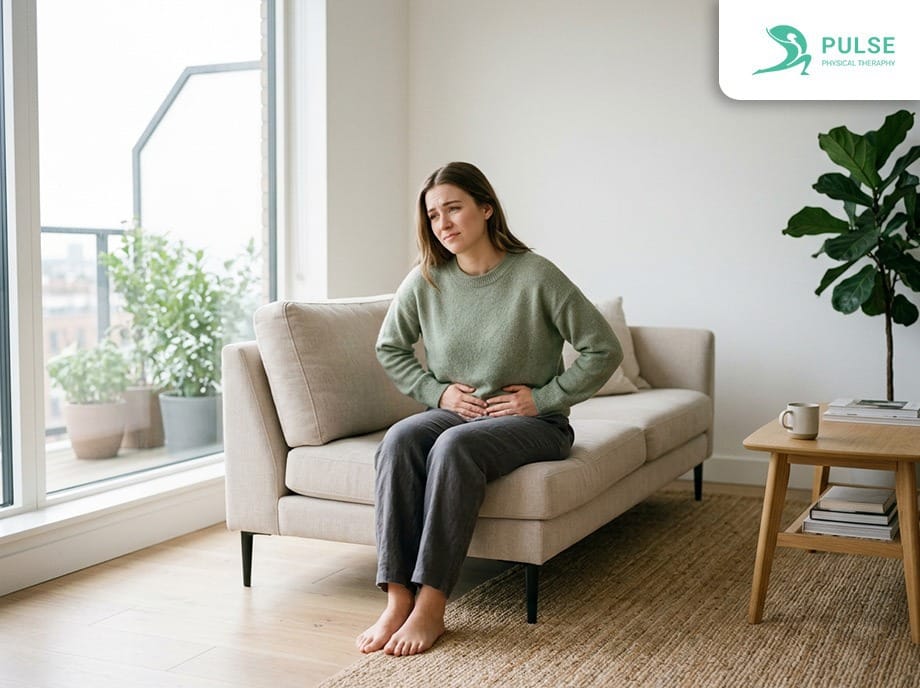
After childbirth, many women are told one simple thing: “Just do Kegels.” While Kegel exercises can be beneficial, they’re often not enough to address postpartum back pain.
If you’re still experiencing discomfort weeks or even months after delivery, it’s not because you’re not trying hard enough – it’s because postpartum recovery is more complex than isolated pelvic floor exercises.
At Pulse Physical Therapy Clinic in Hinsdale, IL, we frequently see patients frustrated by lingering pain despite diligently doing Kegels. Let’s explore why this happens – and what actually works.
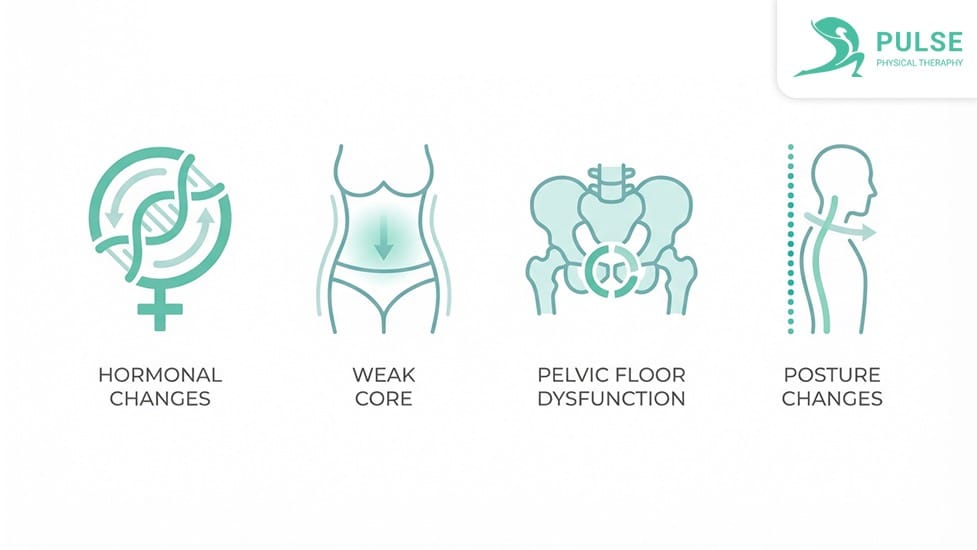
Pregnancy and childbirth place significant stress on the body, especially the spine, pelvis, and core muscles.
Common causes of postpartum back pain include:
These changes don’t just affect one muscle group – they impact your entire core system.
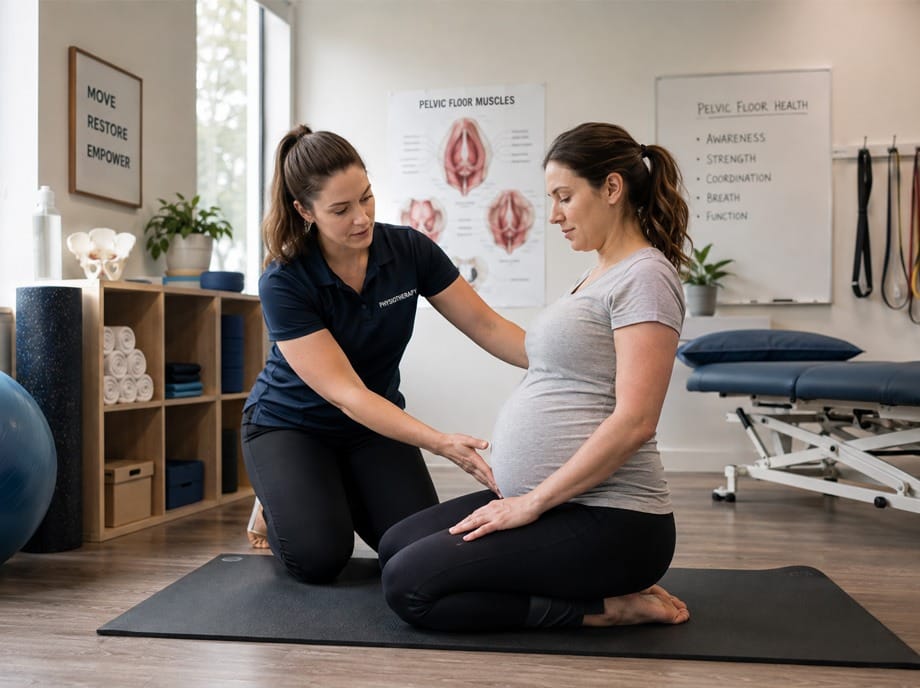
Kegels target only the pelvic floor muscles, but your core is a team of muscles that includes:
If one part is weak or not functioning properly, the entire system becomes imbalanced – leading to pain.
Many women unknowingly perform Kegels with improper technique, which can:
In some cases, the pelvic floor may actually be too tight, not weak.
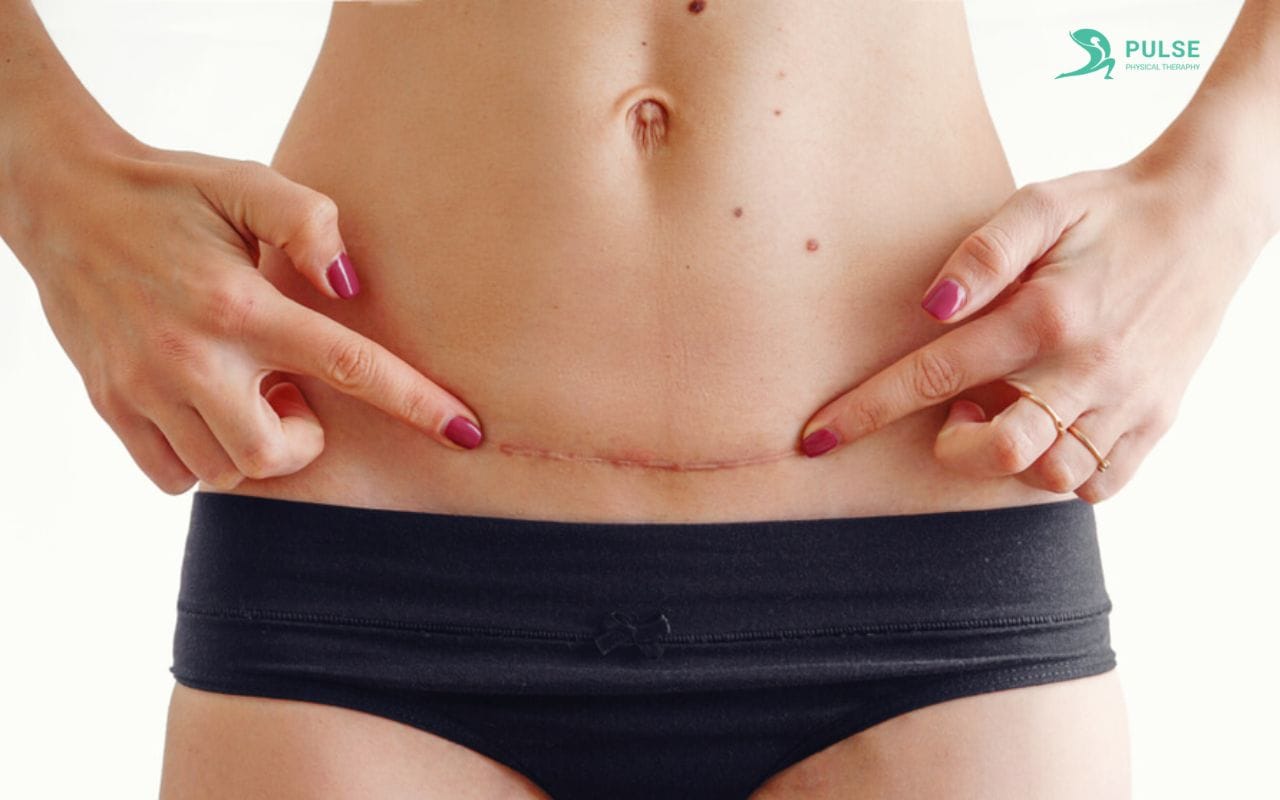
A common postpartum condition, diastasis recti (abdominal separation), weakens the core and affects spinal stability.
Kegels don’t address this issue directly, which means back pain can persist even with consistent effort.
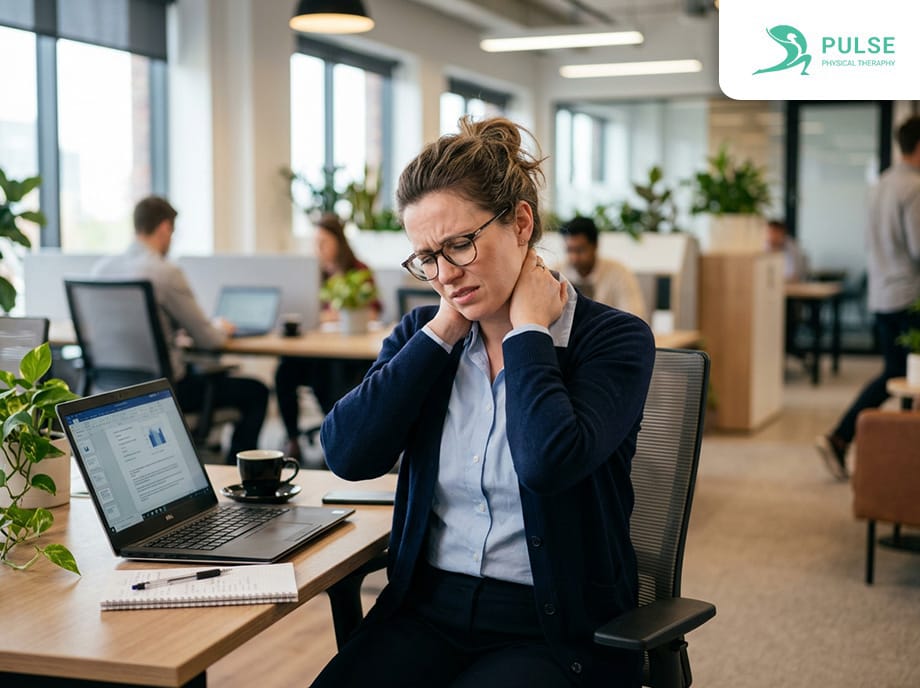
New moms often adopt postures that strain the back, such as:
Without correcting these habits, pain continues regardless of exercise.
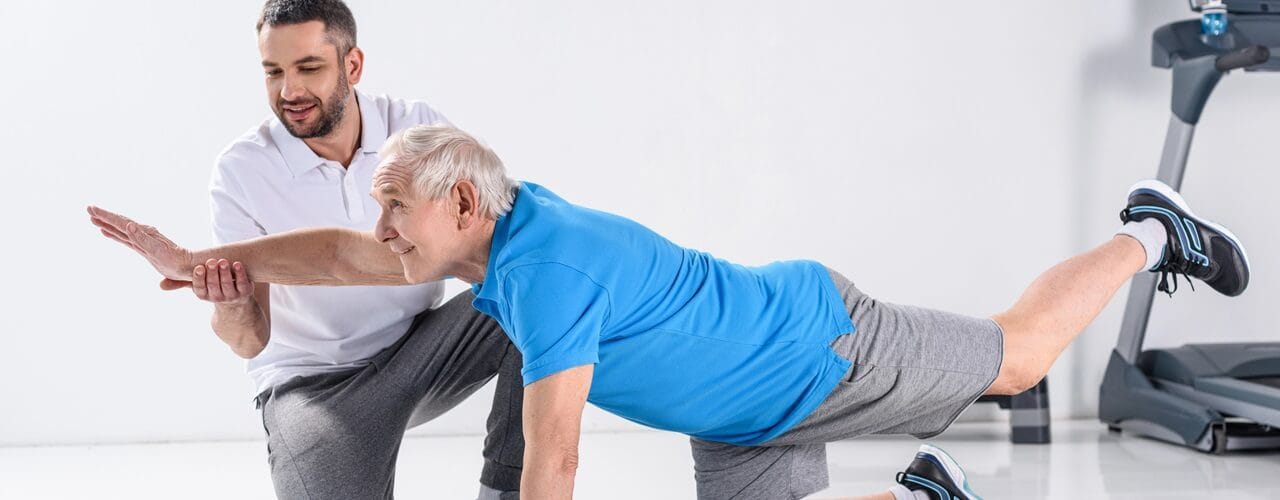
Kegels are isolated exercises, but real-life movements require functional strength and coordination.
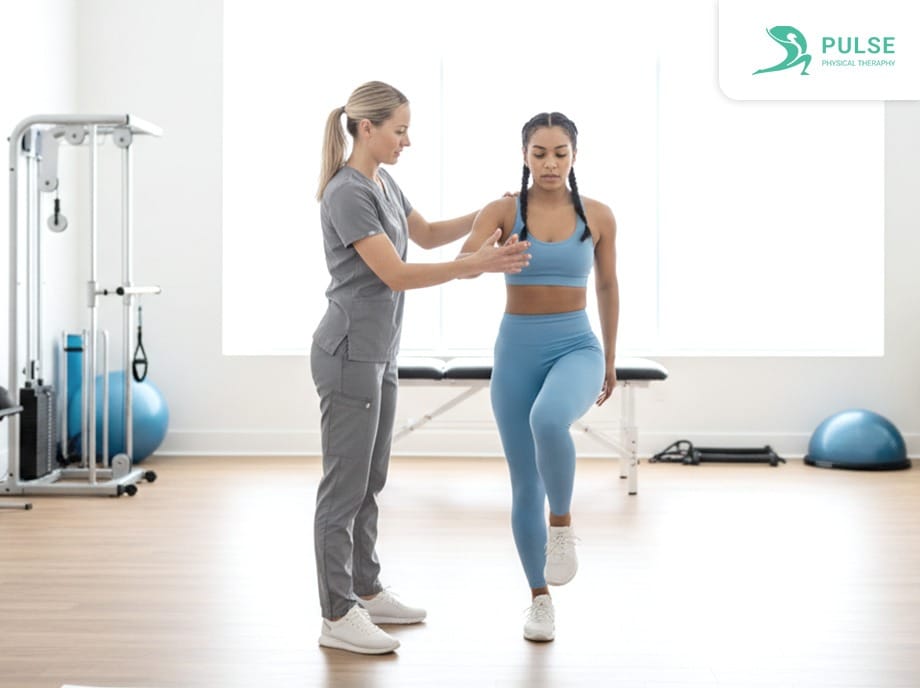
Without integrating full-body movements, your body doesn’t relearn how to move safely and efficiently.
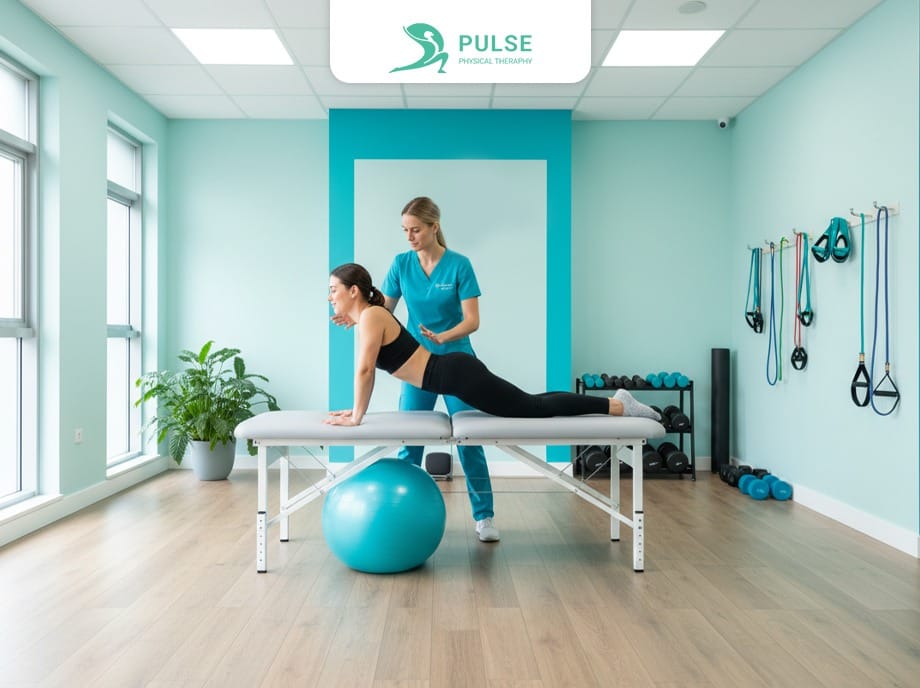
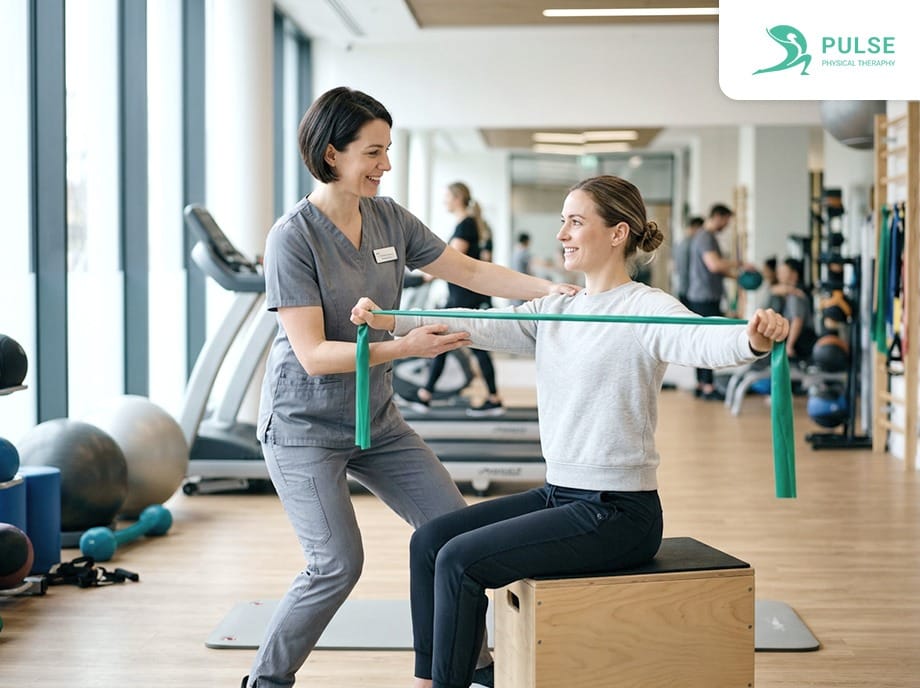
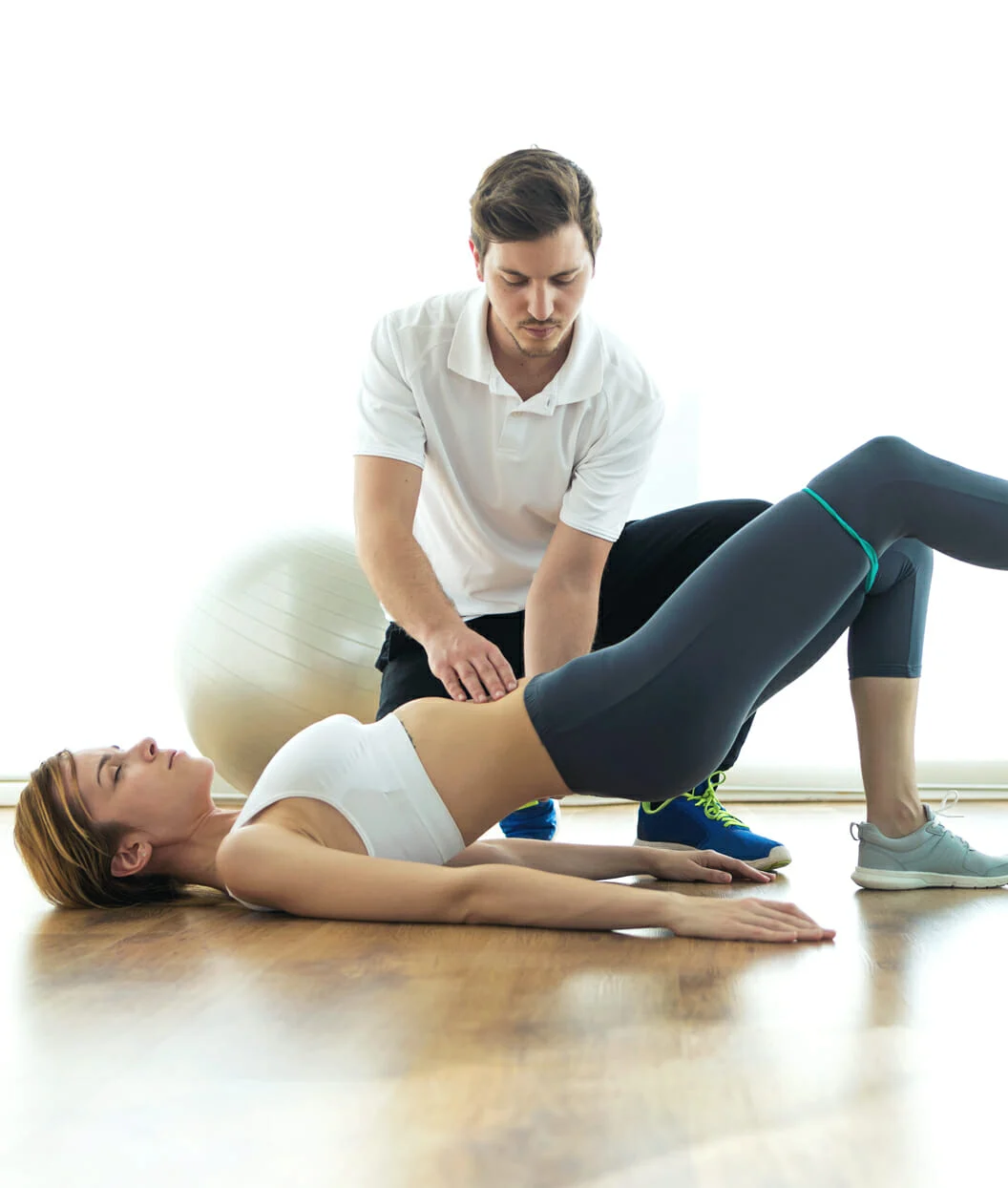
A proper recovery plan focuses on rebuilding the entire core, not just the pelvic floor.
This includes:
Not all pelvic floors need strengthening – some need relaxation and coordination training.
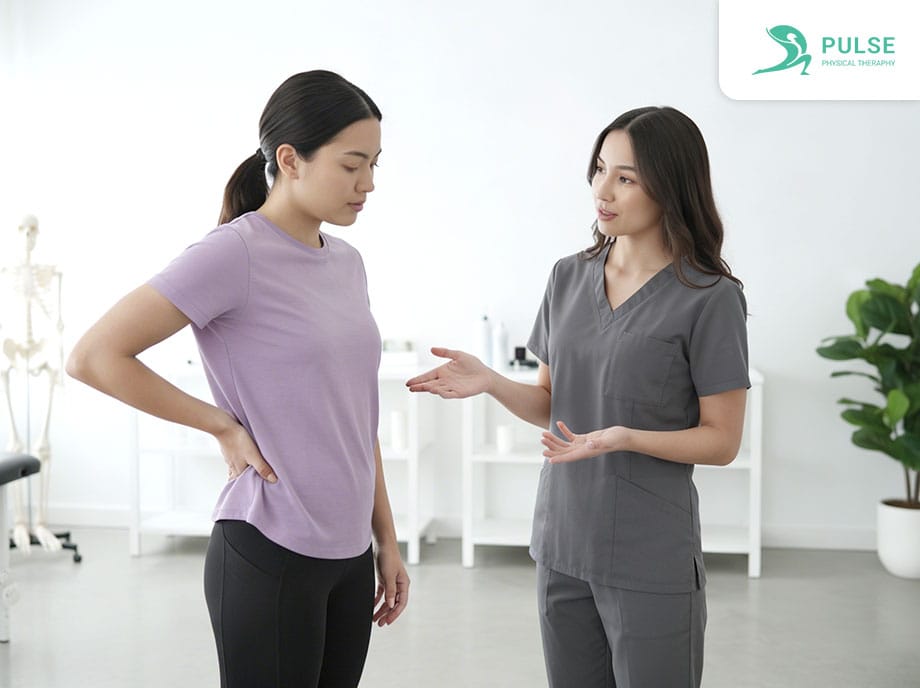
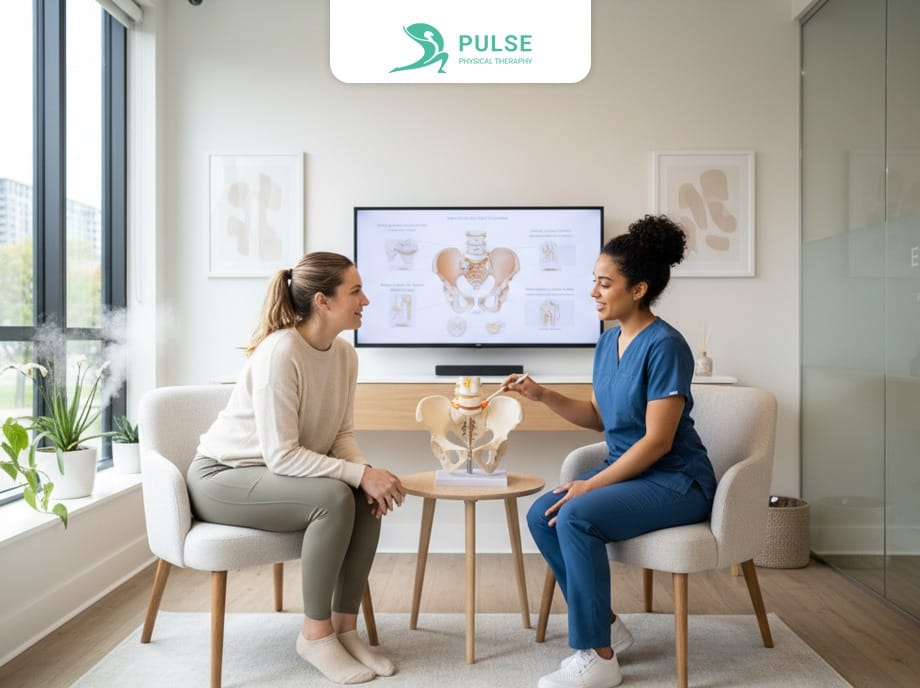
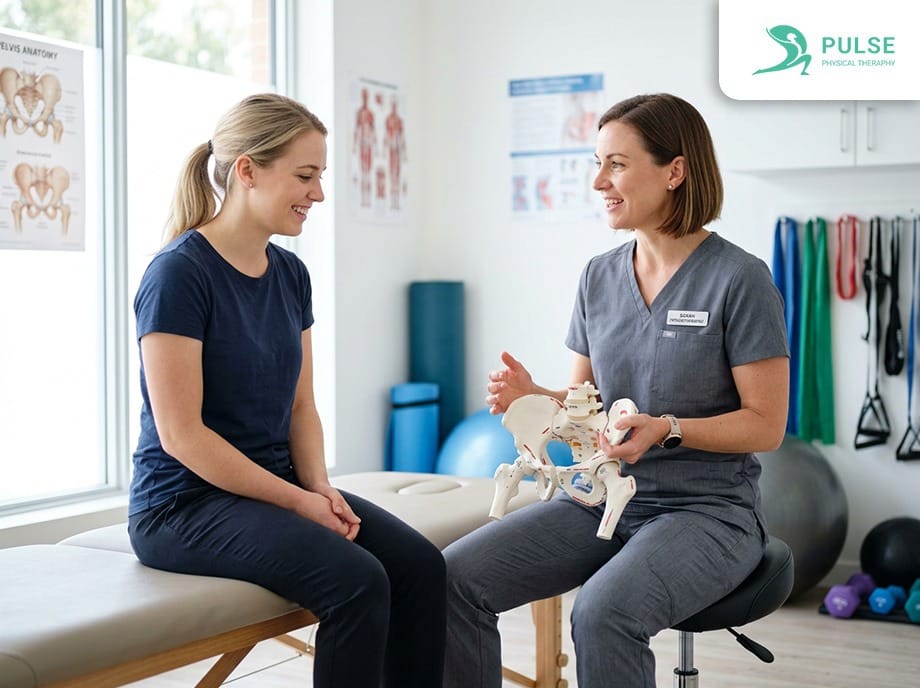
A physical therapist can assess whether your muscles are:
Targeted exercises help close the abdominal gap and restore stability, reducing strain on the back.
Learning how to:
…can significantly reduce daily strain.
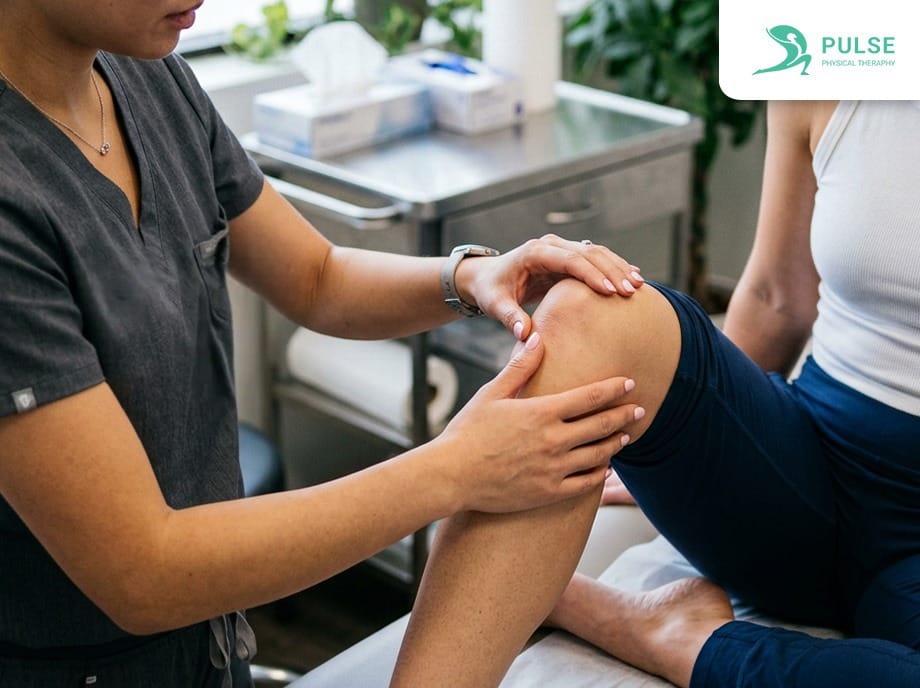
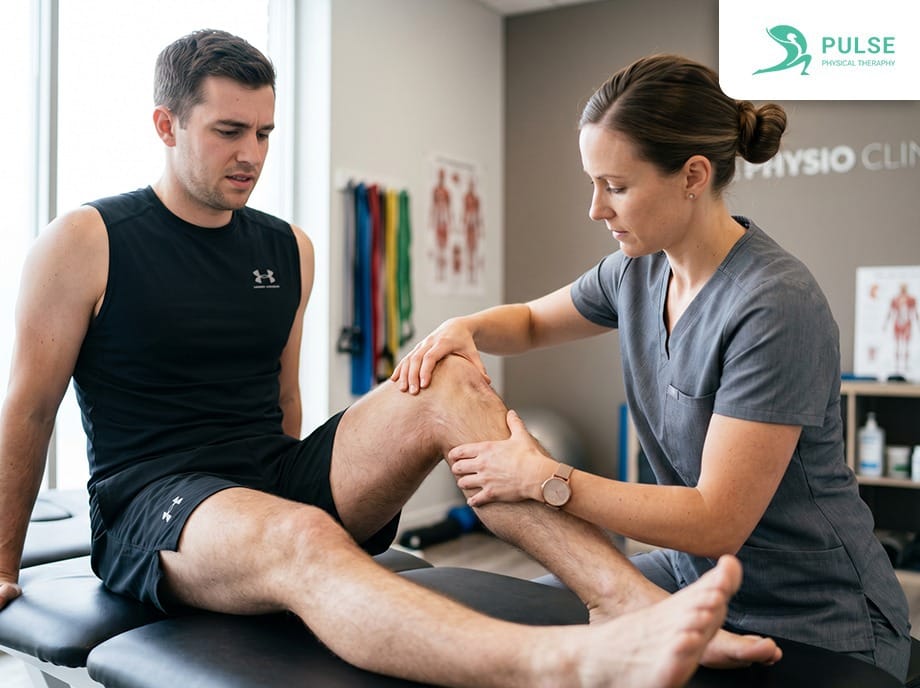
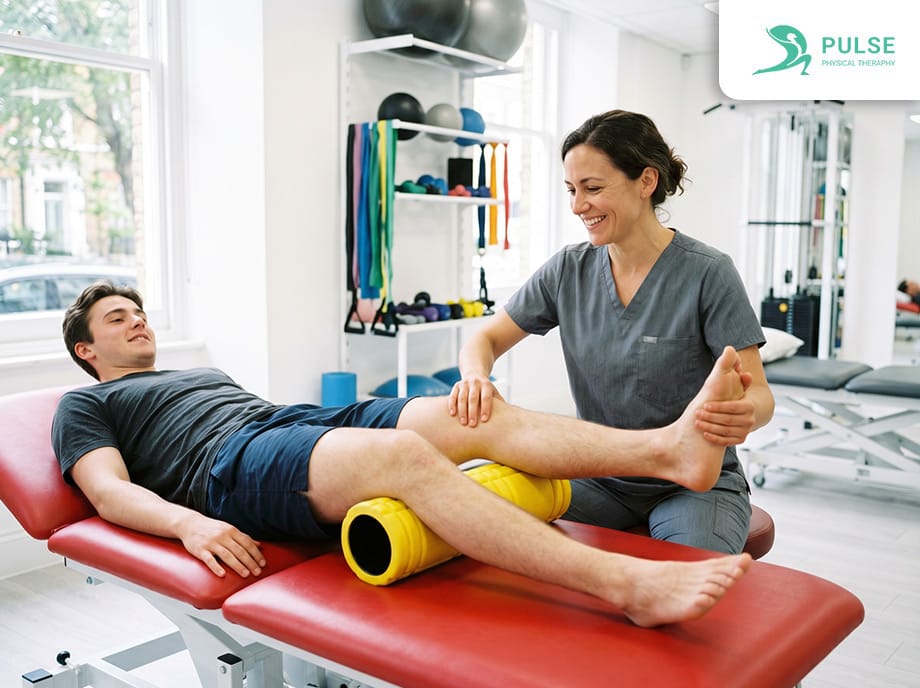
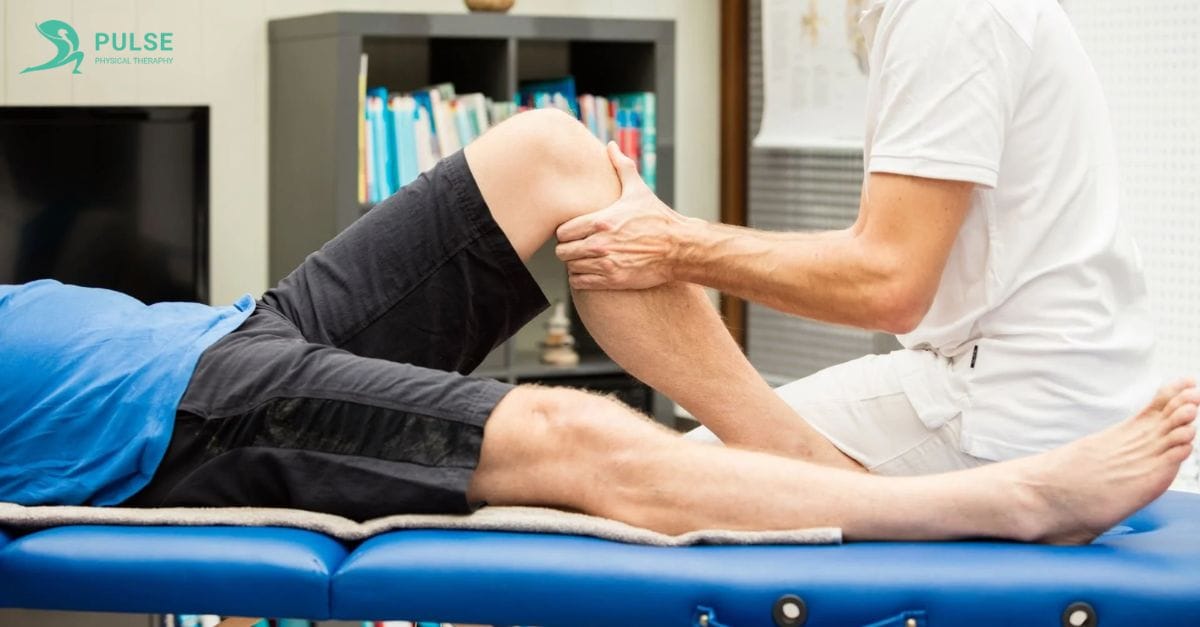
Hands-on treatment can relieve muscle tension, improve joint mobility, and accelerate recovery.
You should consider physical therapy if:
Early intervention can prevent long-term complications.
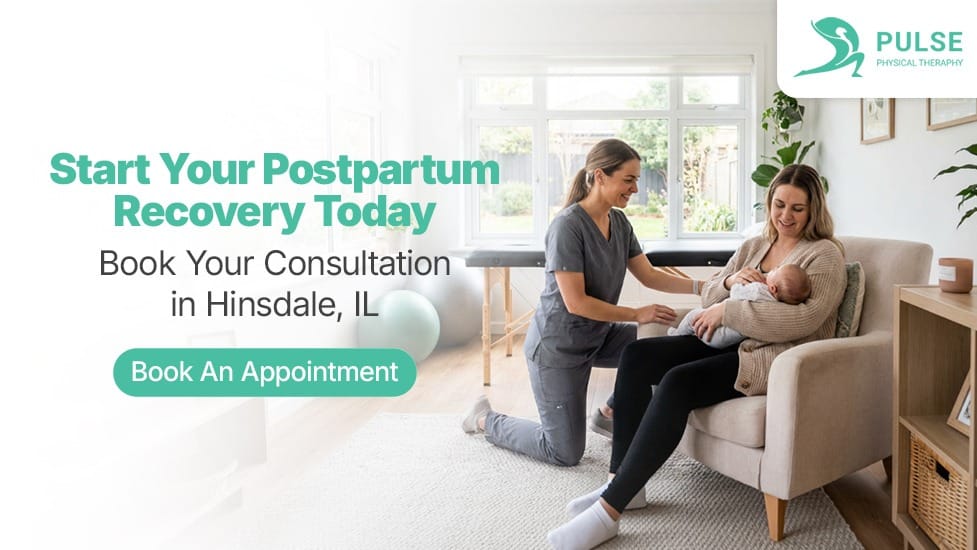
At Pulse Physical Therapy Clinic, we specialize in postpartum recovery and women’s health rehabilitation.
Located at 522 W Chestnut Street, Suite GC, Hinsdale, IL, our clinic offers:
We help new mothers regain strength, reduce pain, and return to their daily lives with confidence.
Kegels are just one piece of the puzzle. If you’re dealing with postpartum back pain, it’s time to look at the bigger picture – your entire core, posture, and movement patterns.
With the right guidance and a comprehensive treatment plan, you can achieve lasting relief and full recovery.