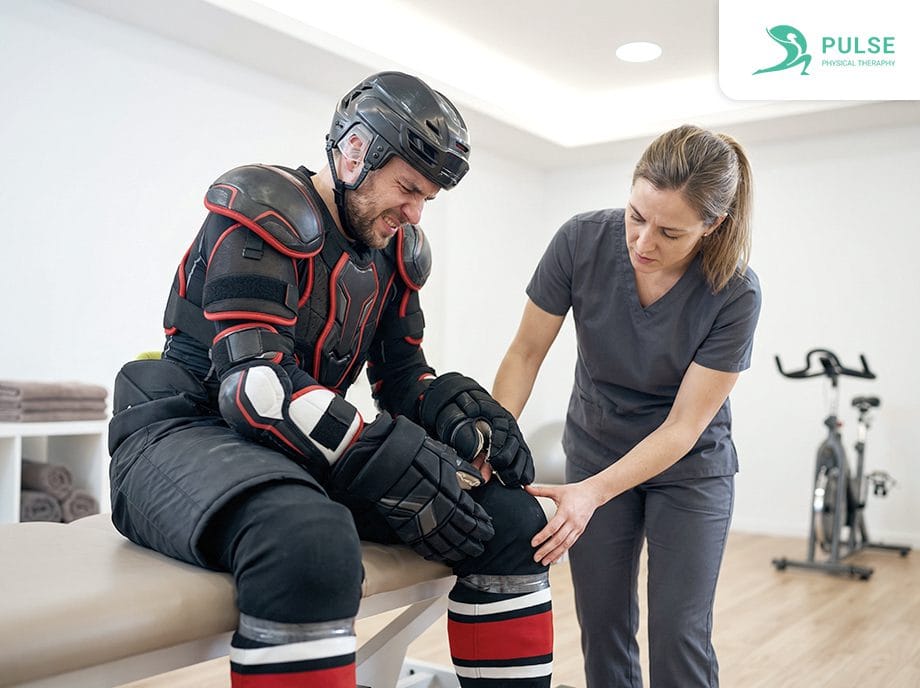
If you’ve ever played sports long enough – whether competitively or just on weekends – you’ve probably heard this advice: “Just rest for a few days.” Sometimes, that’s exactly what your body needs. But other times, rest alone can quietly turn minor sports injuries into a long-term problem.
Let’s talk about when rest helps, when it doesn’t, and how to know the difference.
Sports injuries aren’t just “bad luck.” Most happen because of repeated stress, muscle imbalances, or movement patterns that overload the body over time.
Common sports injuries include:
Muscle strains and tears
Ligament sprains (ankle, knee, wrist)
Tendon injuries (Achilles, rotator cuff, patellar tendon)
Stress fractures
Shoulder, knee, and lower back pain
While rest can reduce pain and inflammation temporarily, it doesn’t always address why the injury happened in the first place. That’s where people get stuck.
Rest can work when:
The injury is mild
Pain improves steadily within a few days
Swelling goes down and movement feels normal again
You regain strength without discomfort
In these cases, rest paired with light movement is often enough for recovery. But if you’re still feeling pain after returning to activity, that’s your body asking for more support.
Here are some red flags athletes often ignore:
You rest, feel better, return to training – and the pain returns. This usually means the tissue healed, but the movement problem didn’t.
If a joint feels weak, unstable, or “off,” resting longer won’t rebuild strength. In fact, it can make things worse.
Limping, avoiding certain motions, or compensating with other muscles creates new injury risks.
Lingering pain often means deeper tissue involvement or poor load management.
Fear is a sign your body doesn’t feel safe moving yet – and rest won’t restore confidence.
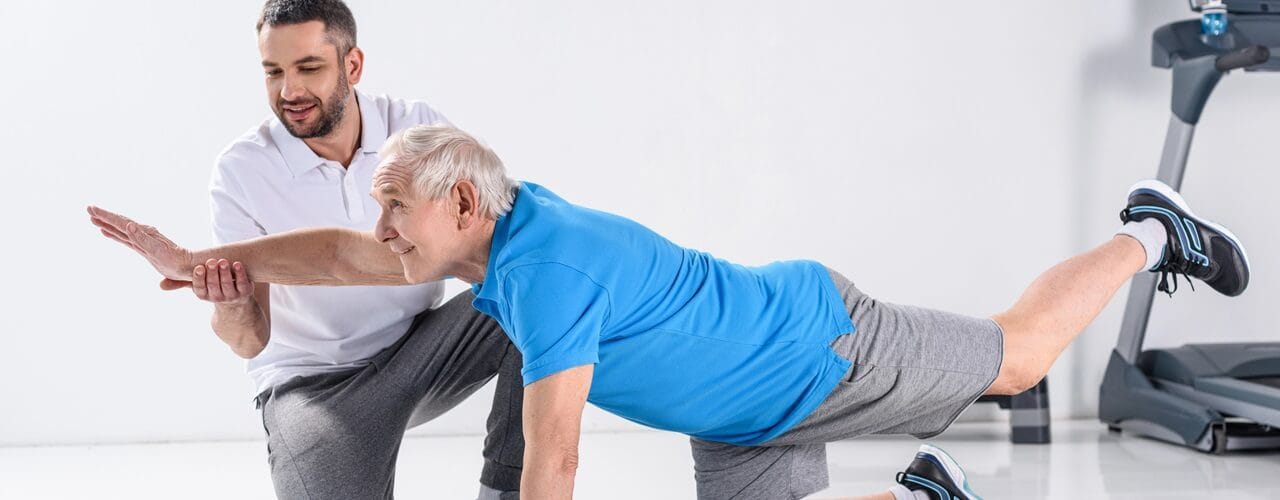
Here’s the truth many athletes don’t hear early enough: Injuries heal best with the right movement – not no movement.
Active recovery helps by:
Restoring strength in weakened muscles
Improving joint stability
Correcting faulty movement patterns
Increasing blood flow for healing
Reducing re-injury risk
This is why professional athletes don’t just “wait it out.” They follow guided rehabilitation programs.
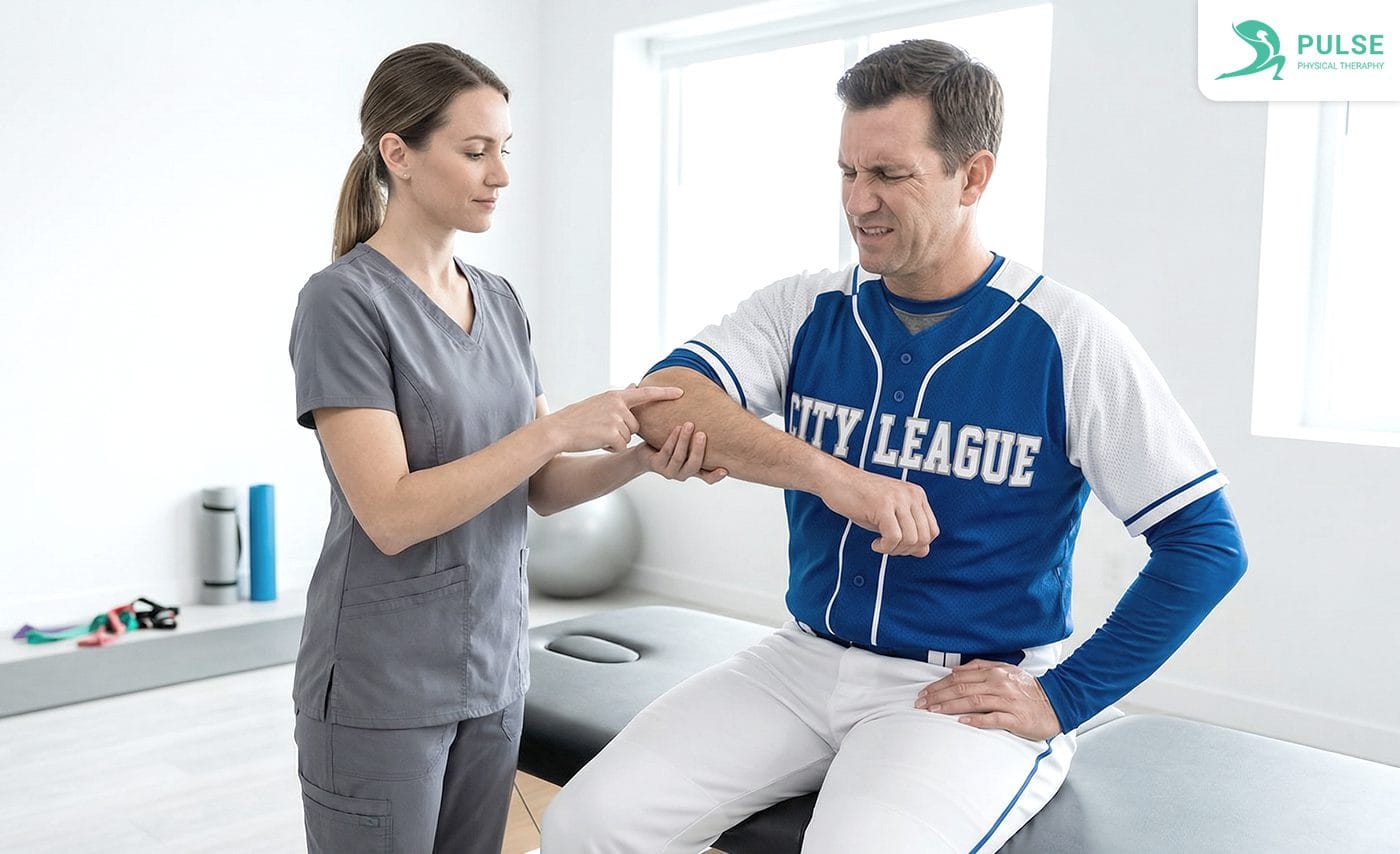
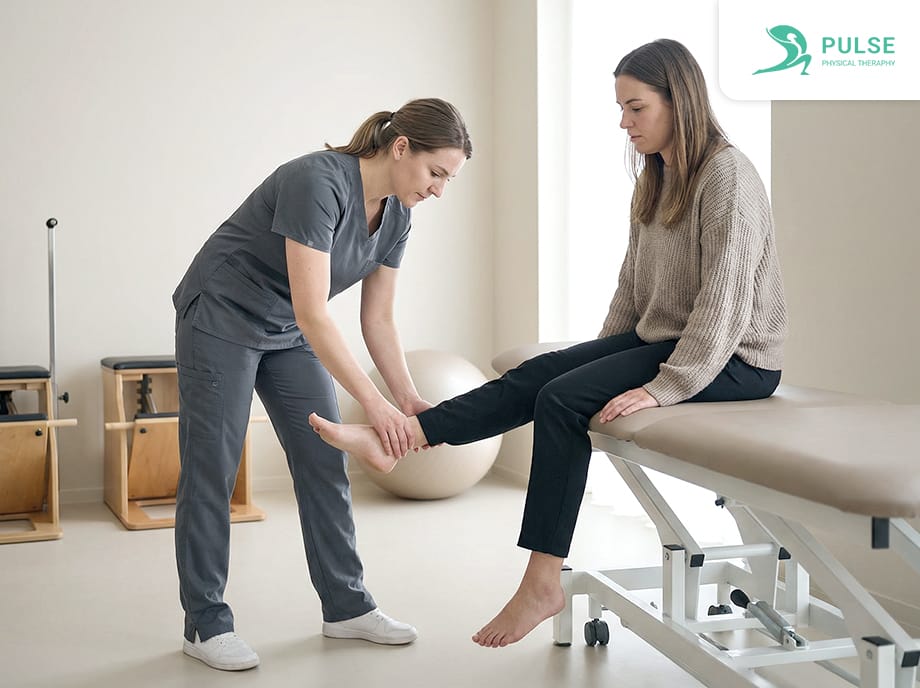
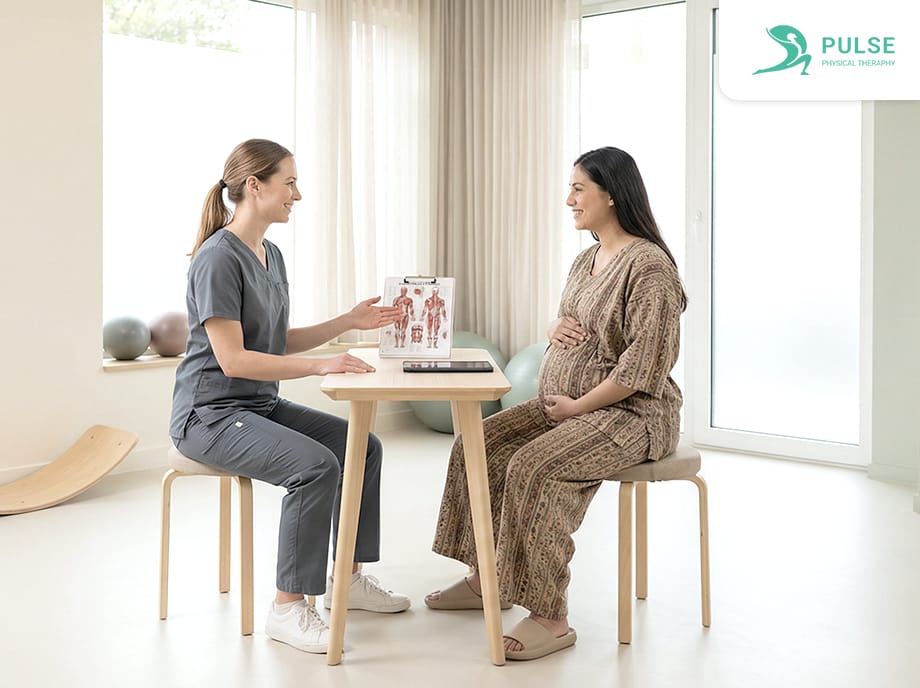
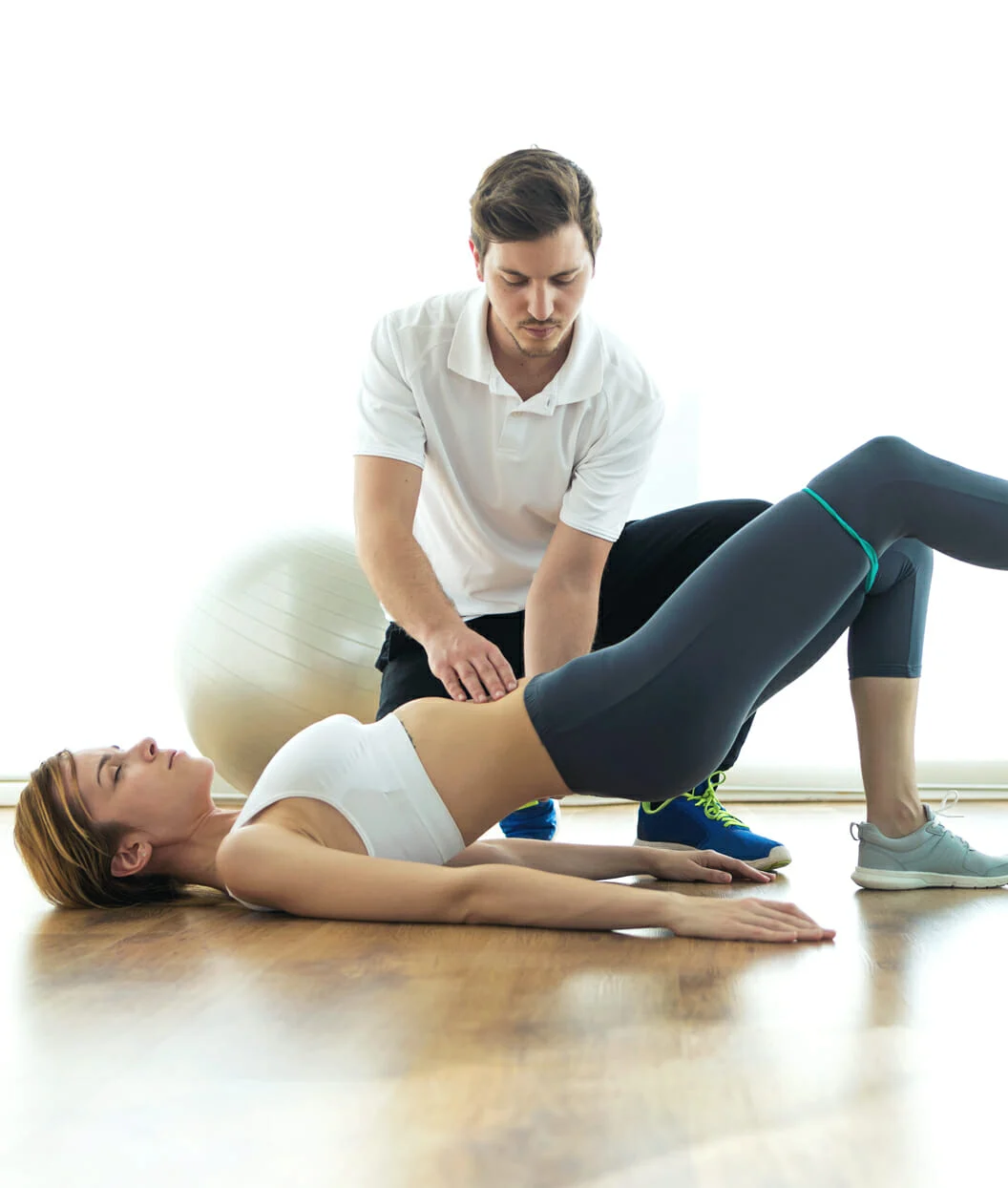
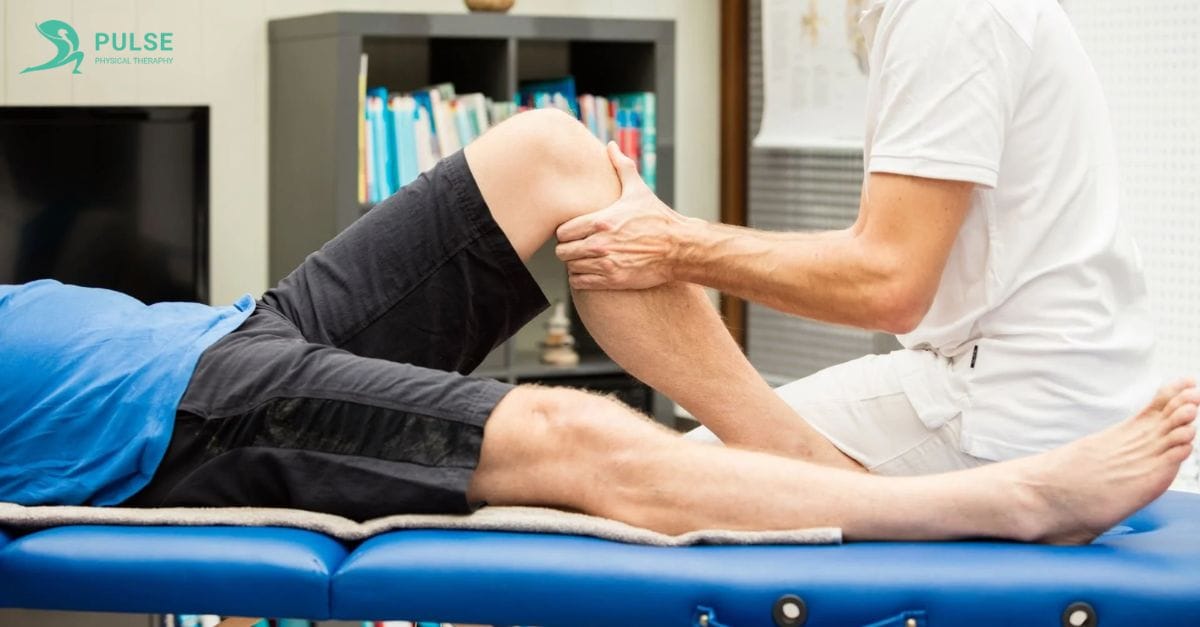
Physical Therapy goes beyond pain relief. It focuses on why the injury happened and how to prevent it from happening again.
A sports-focused physical therapy plan may include:
Targeted strength training
Mobility and flexibility work
Neuromuscular control exercises
Sport-specific movement retraining
Gradual return-to-play guidance
The goal isn’t just to heal – it’s to help you return stronger, safer, and more confident.
Some injuries rarely improve with rest alone, including:
Recurrent ankle sprains
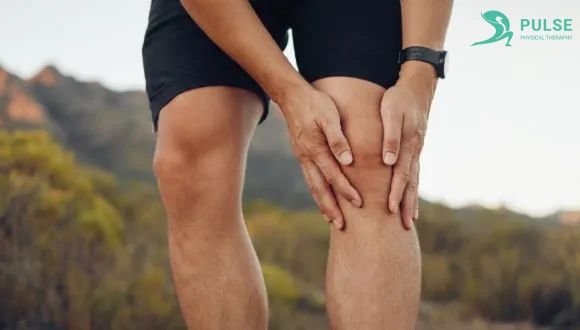
Runner’s knee
Tennis or golfer’s elbow
Shoulder impingement
Achilles tendon pain
Chronic lower back pain in athletes
These conditions usually need structured rehab, not extended downtime.
Delaying proper treatment can lead to:
Chronic pain
Reduced performance
Longer recovery times
Compensatory injuries
Frustration and burnout
Many athletes end up sidelined not because of the original injury – but because they waited too long to address it properly.
Healing isn’t about how many days you rest. It’s about how well your body can move again. If pain, weakness, or instability is stopping you from playing your sport the way you want, rest alone may no longer be the answer.