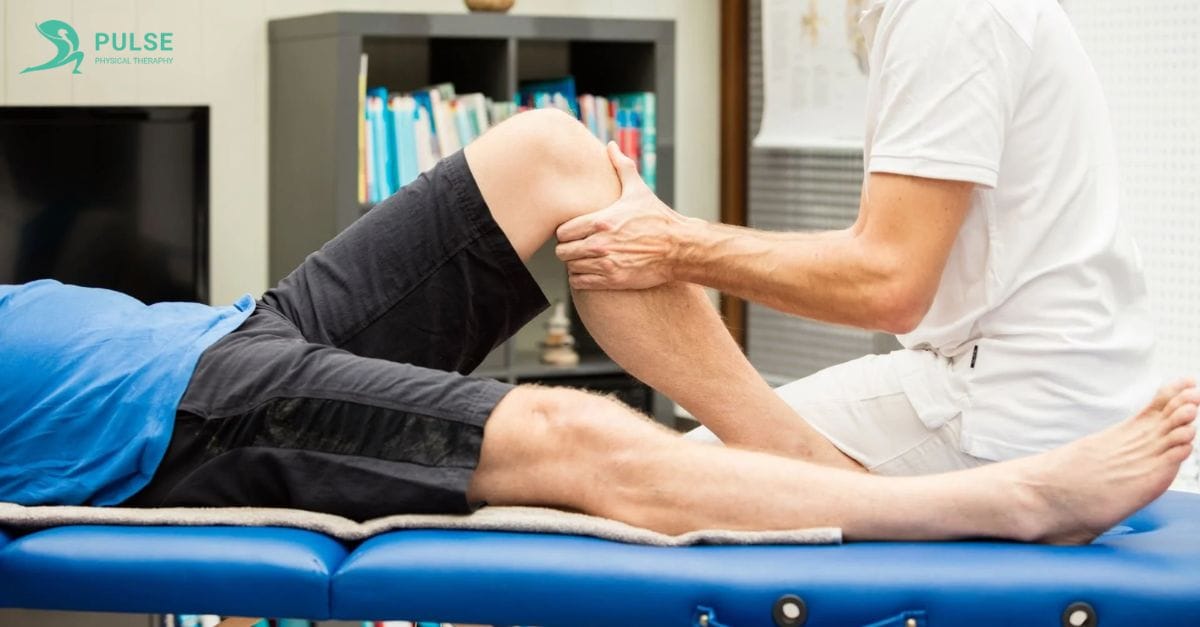
Why Physical Therapy Matters After a Knee Replacement
A total knee replacement (TKR) is one of the most effective surgeries for reducing pain and improving mobility—but the success of the surgery depends heavily on proper physical therapy. Without guided rehab, many people struggle with stiffness, weakness, swelling, difficulty walking, or limited range of motion long after surgery.
Physical Therapy helps you:
Whether you’re a few days post-op or months out, structured PT is the key to a smooth and strong recovery.
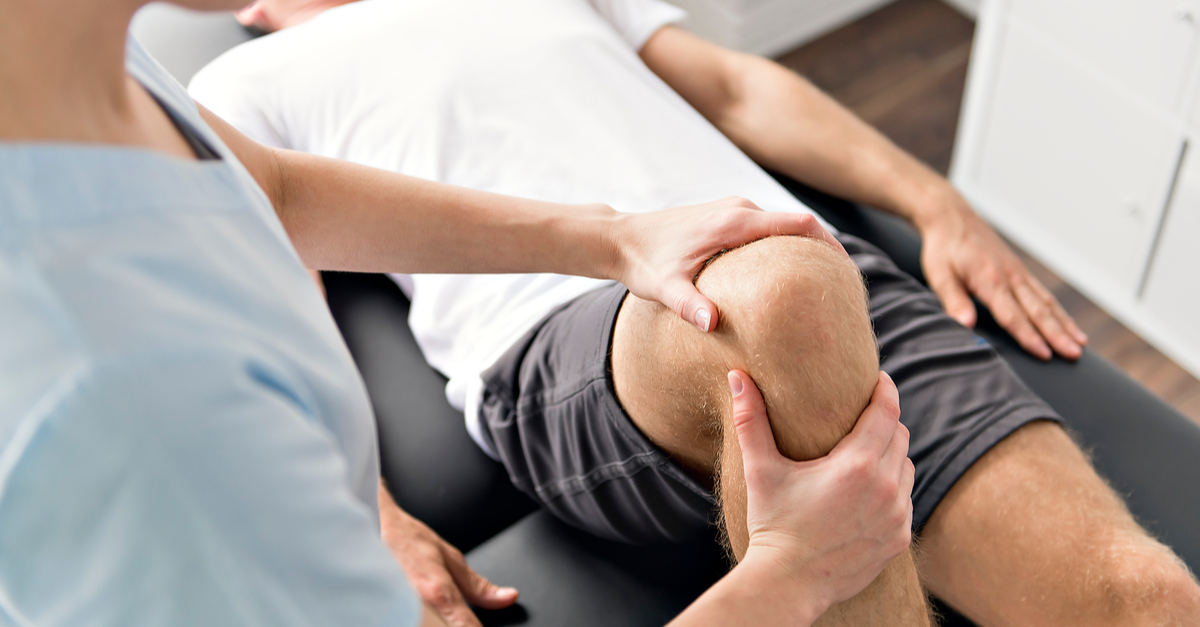
0–2 Weeks: Early Motion & Swelling Control
The first two weeks focus on:
Early mobility is crucial—motion gained in the first 2–4 weeks predicts long-term success.
Specialized orthopedic physical therapy
2–6 Weeks: Strength, Mobility & Gait Training
At this stage, PT progresses you into:
Most patients aim for:
You’ll begin more advanced rehab including:
This phase helps you transition from basic mobility to confident movement.
3–6 Months: Returning to Normal Life
Most patients resume:
With ongoing PT, patients continue to rebuild strength, mobility, geriatrics therapy and confidence.
Every PT session is customized, but may include:
To reduce stiffness and improve motion:
Soft tissue mobilization
Patellar (kneecap) mobility
Joint mobilizations
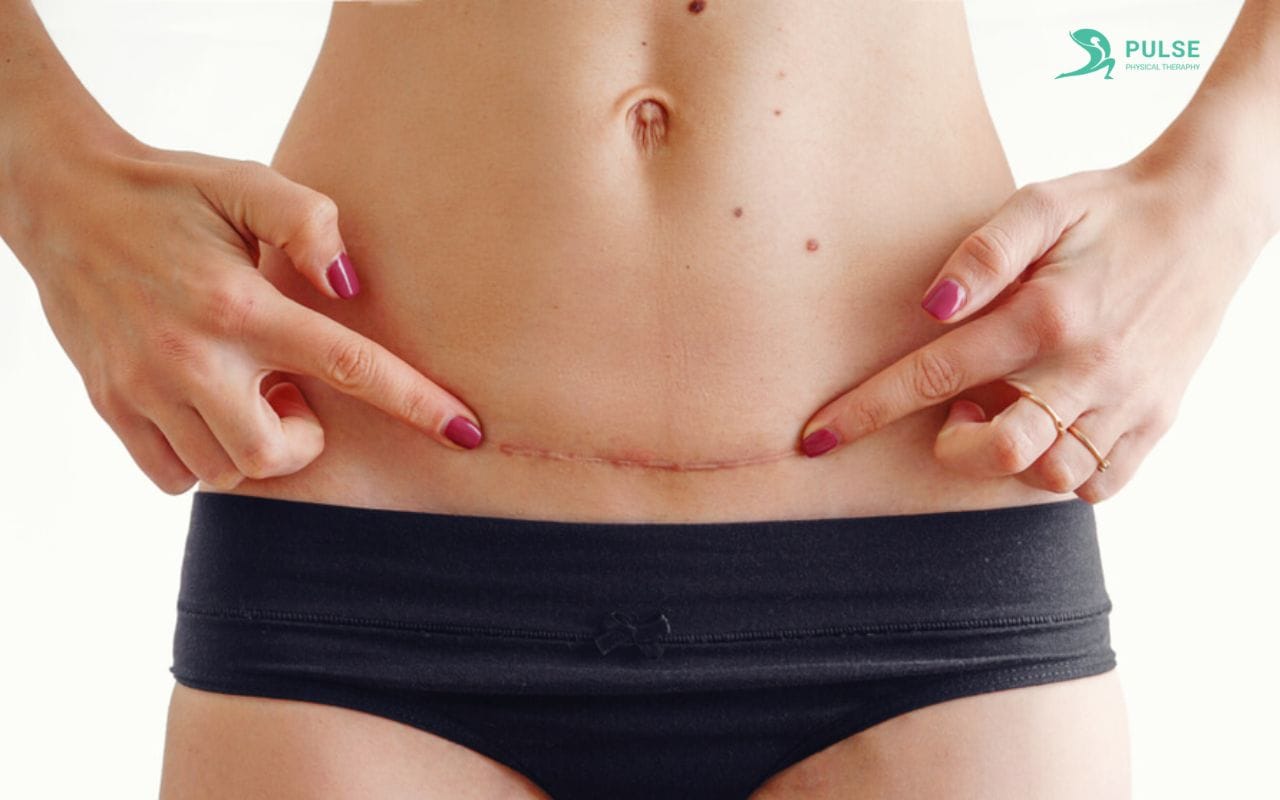
Scar tissue management
Guided bending and straightening exercises help prevent long-term stiffness.
Targeting:
Learning to walk normally again is critical—many people compensate due to pain or fear.
Activities like:
This prepares you for everyday life.
One of the most common issues. PT helps improve motion through:
The quad often shuts down after surgery. PT helps reactivate it safely.
Your therapist uses mobility techniques and exercises to gradually improve flexion.
Full extension is essential for normal walking and standing.
PT provides evidence-based strategies for reducing inflammation and improving circulation.
Education + guided progression builds confidence.
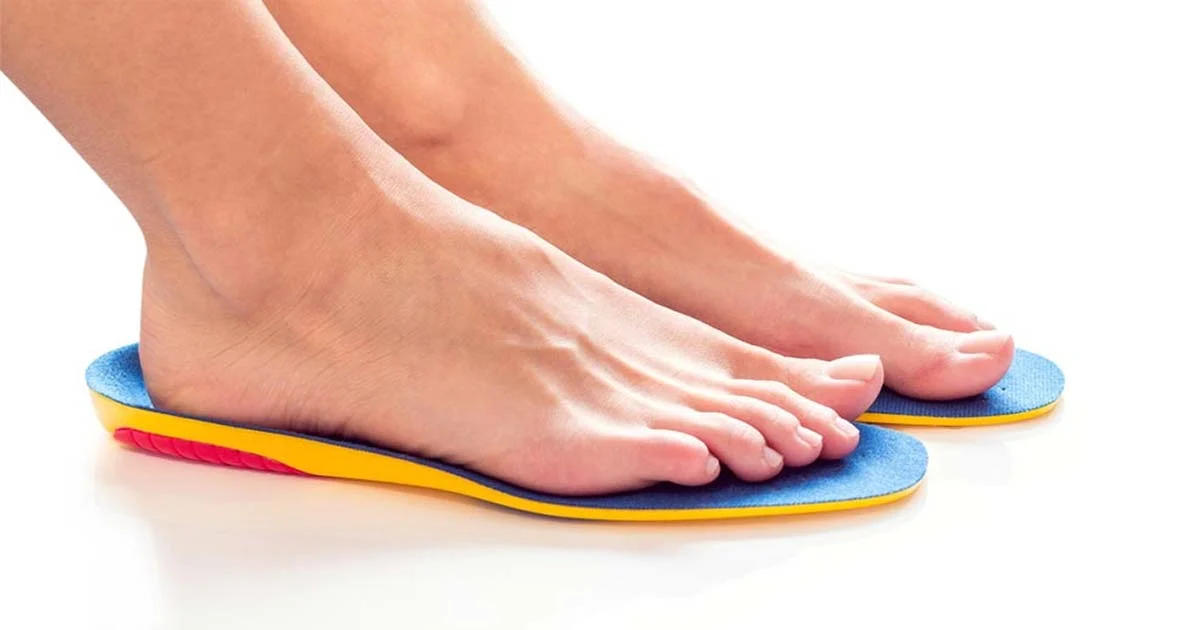
Also read – How Custom Orthotics Can Help You Move Better and Feel Better
✔ Quad sets
✔ Heel slides
✔ Straight leg raises
✔ Stationary bike mobility
✔ Mini squats
✔ Step-ups
✔ Terminal knee extensions (TKEs)
✔ Glute bridges
These should always be performed under the guidance of a PT—every knee replacement is different.
When to Start Physical Therapy After a Knee Replacement
Most surgeons recommend starting PT:
Within 24–72 hours in the hospital, and
Outpatient PT within 3–7 days after discharge
The earlier you begin safe motion, the better your long-term results.
You should contact your PT or surgeon if you notice:
A knee replacement can transform your mobility, independence, and quality of life — but the real success comes from the rehab that follows.
Physical therapy helps you:
With the right guidance and a consistent plan, you can recover faster and get back to the life you love.