
Sacroiliac (SI) joint pain is a common yet often misunderstood source of lower back and hip discomfort. Many people in Hinsdale, IL and surrounding areas experience persistent pain without realizing the SI joint may be the root cause. This article explains what SI joint pain is, why it occurs, how to recognize it, and the most effective treatment options available locally.
What Is the SI Joint?
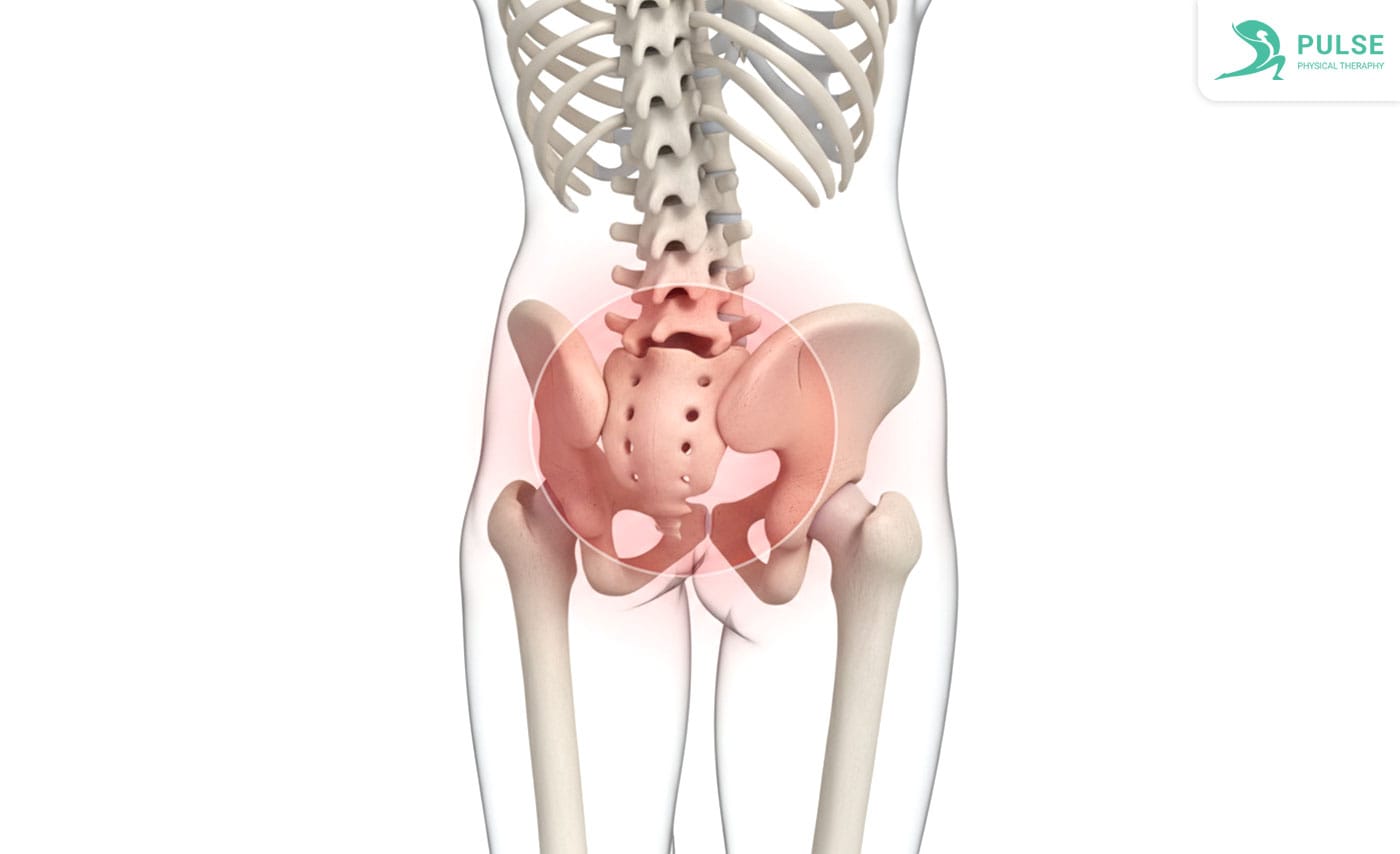
The sacroiliac joints are two strong joints located where the sacrum (base of the spine) meets the pelvis. These joints play a crucial role in:
- Transferring weight from the upper body to the legs
- Providing stability during walking, standing, and bending
- Absorbing shock between the spine and lower extremities
When the SI joint becomes inflamed, irritated, or moves improperly, it can lead to SI joint dysfunction, causing pain and reduced mobility.
Common Causes of SI Joint Pain
SI joint pain can affect people of all ages and activity levels. Common causes include:
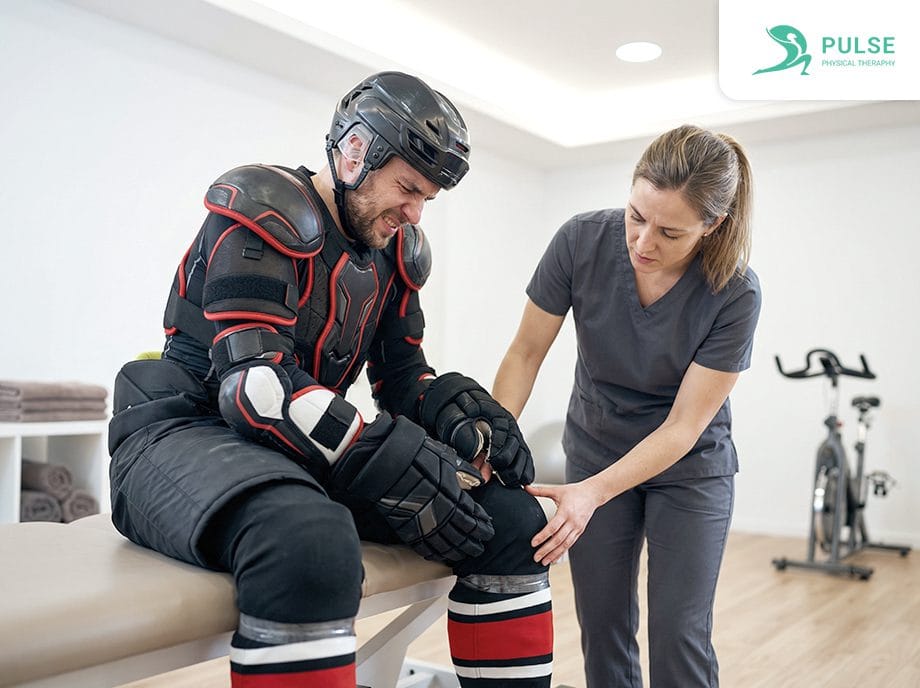
Injury or Trauma
- Falls
- Car accidents
- Sports-related impacts
Repetitive Stress or Overuse
- Prolonged standing or sitting
- Heavy lifting with improper mechanics
- Repetitive twisting movements
Pregnancy and Postpartum Changes
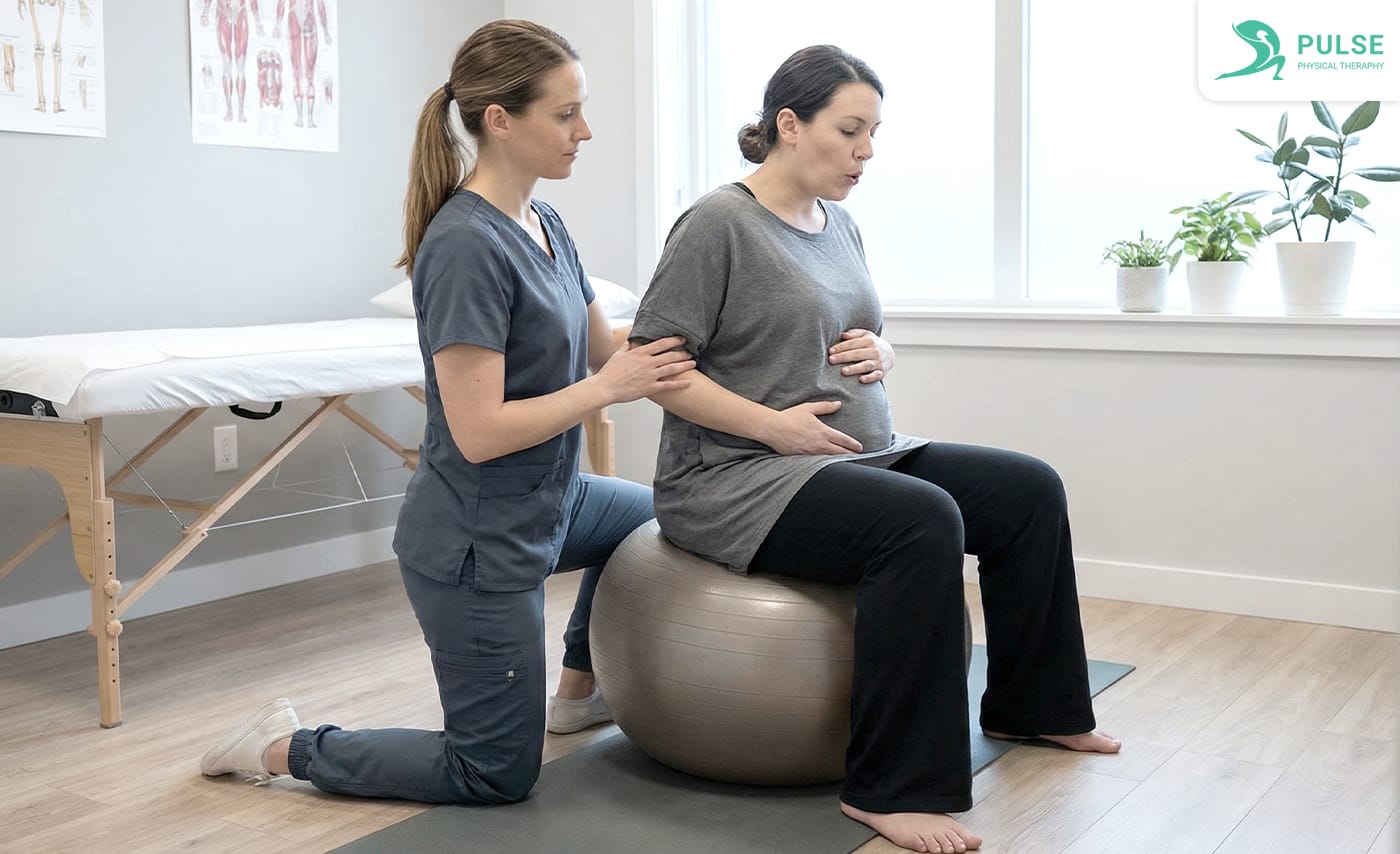
Hormonal changes and altered biomechanics during pregnancy can increase SI joint stress, making postpartum SI joint pain common.
Arthritis and Degenerative Changes
- Osteoarthritis
- Inflammatory conditions such as ankylosing spondylitis
Leg Length Discrepancy or Gait Issues
Uneven movement patterns can place excessive stress on one SI joint.
Symptoms of SI Joint Dysfunction
SI joint pain often mimics other conditions, such as disc issues or sciatica. Common symptoms include:
- Lower back pain (often on one side)
- Pain in the buttocks or hips
- Discomfort that may radiate to the groin or upper thigh
- Pain when standing from a seated position
- Increased pain during walking, climbing stairs, or rolling in bed
- Stiffness or reduced mobility in the lower back
If you’re-experiencing these symptoms in Hinsdale or nearby suburbs, a proper assessment is essential for accurate diagnosis. Pulse Physical Therapy is serving Hinsdale, IL and nearby communities.
How SI Joint Pain Is Diagnosed
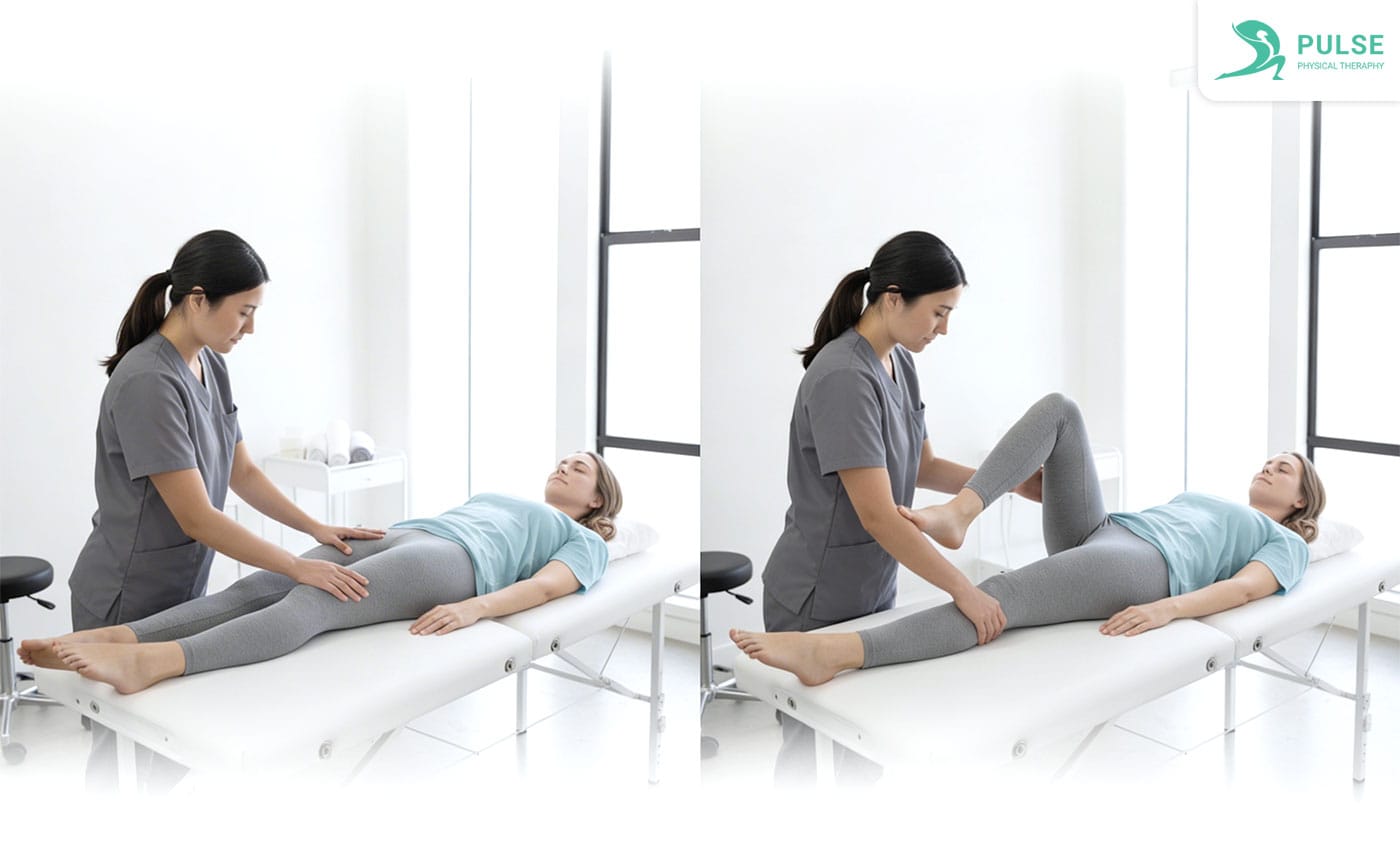
Diagnosis typically involves:
- A detailed health and injury history
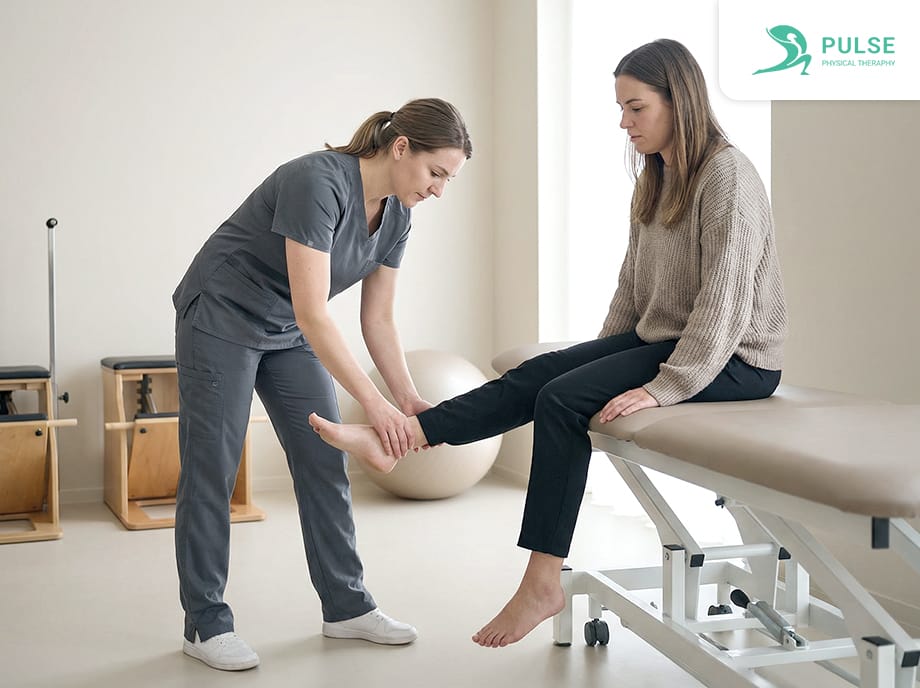
- Physical examination and movement testing
- Palpation and specific SI joint stress tests
Advanced imaging may be used in some cases, but a skilled physical examination often provides the clearest insights.
Treatment Options for SI Joint Pain
Conservative, Non-Surgical Treatments (Most Effective)
For most patients, conservative care offers excellent outcomes without surgery.
Physical Therapy
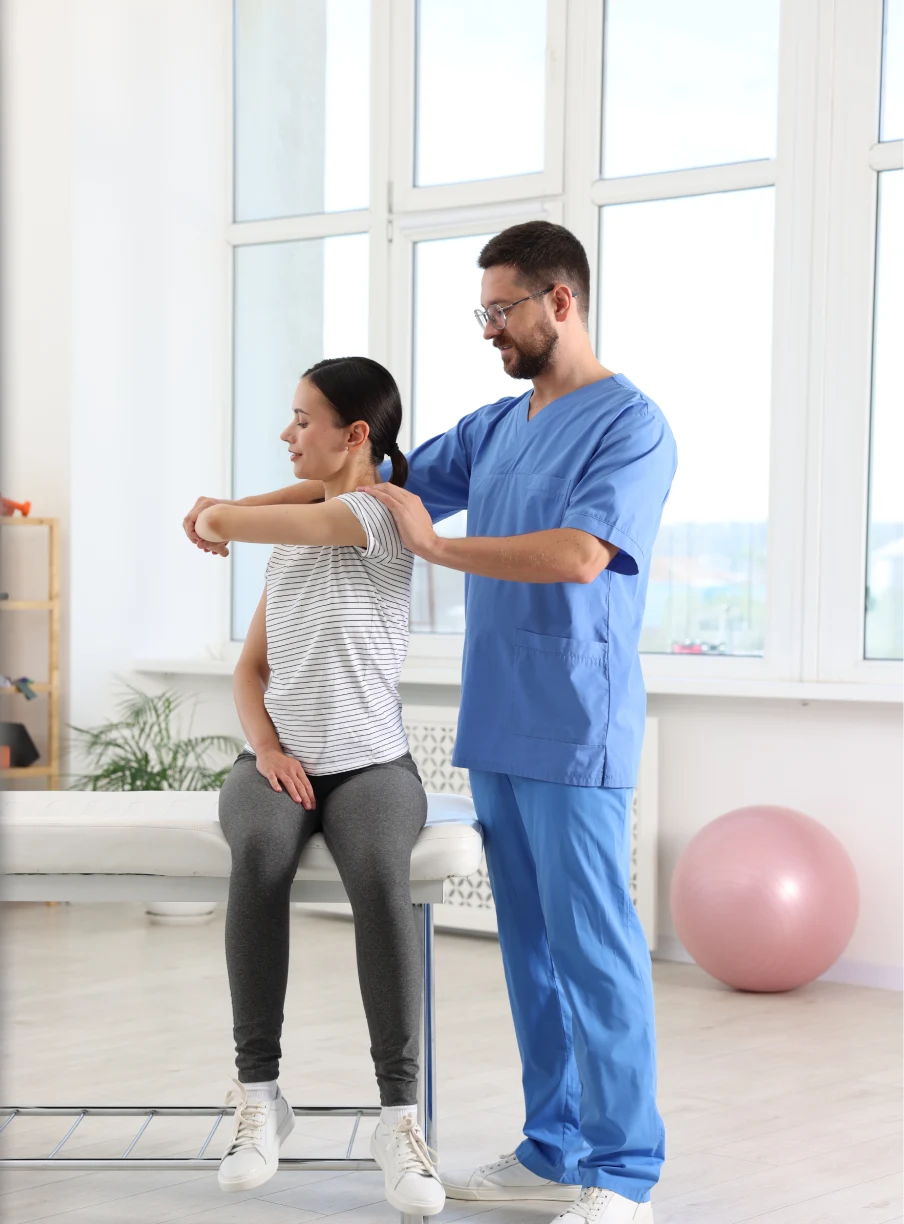
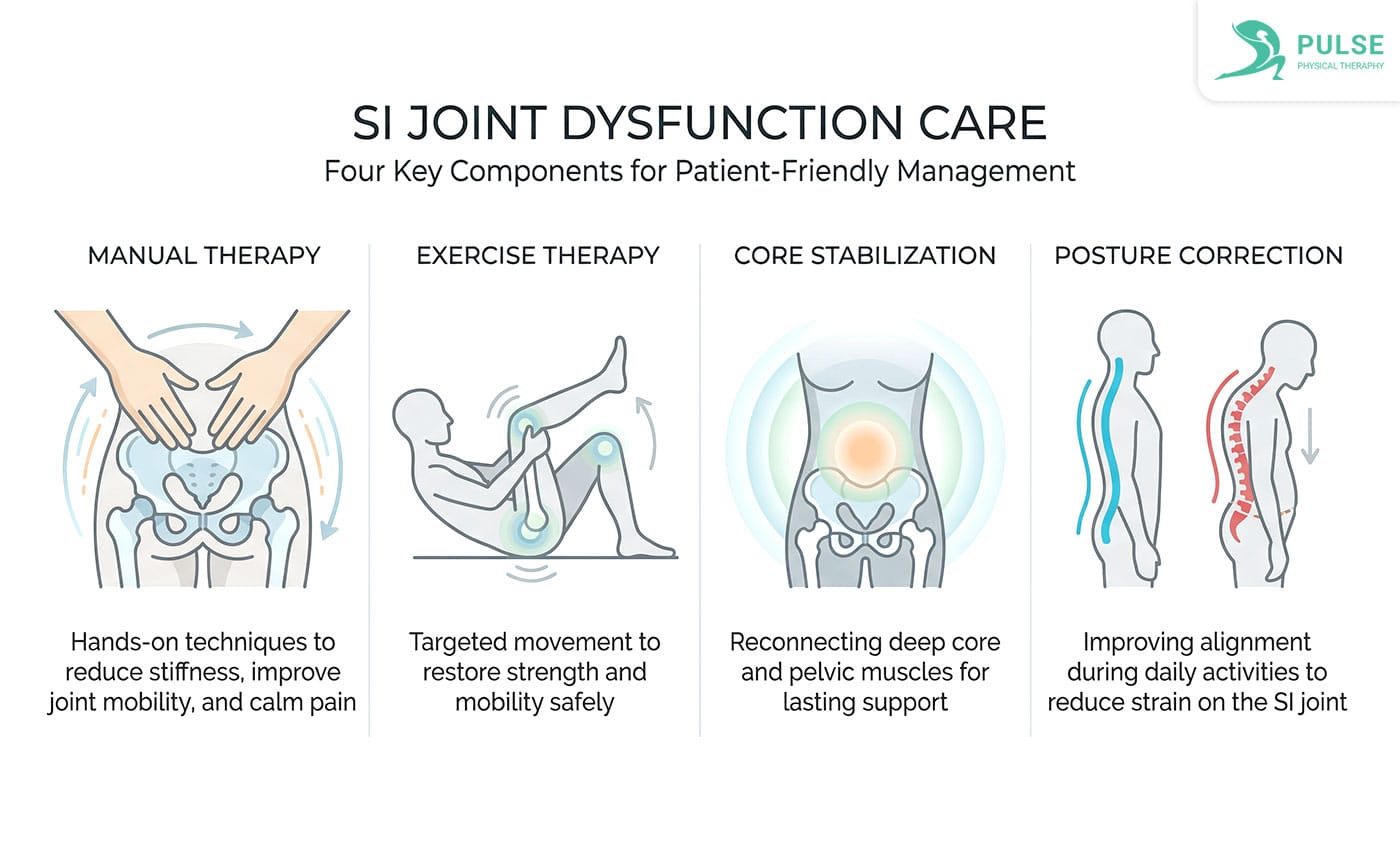
Targeted physical therapy is one of the most effective treatments for SI joint pain. Treatment may include:
- Manual therapy to restore joint mobility
- Core and pelvic stabilization exercises
- Hip and lower back strengthening
- Posture and movement retraining
Activity Modification
Learning how to move, lift, and sit correctly can significantly reduce strain on the SI joint.
Supportive Bracing
In some cases, a pelvic or SI belt may help stabilize the joint during healing.
Medical Interventions (When Needed)
If conservative care does not provide sufficient relief, additional options may include:
- Anti-inflammatory medications
- Image-guided SI joint injections
- Collaborative care with a physician or pain specialist
Surgery is rarely required and typically considered only after all other options are exhausted.
Why Early Treatment Matters
Left untreated, SI joint dysfunction can become chronic and may lead to:
- Altered movement patterns
- Increased strain on the spine and hips
- Persistent pain that interferes with daily activities
Early intervention helps restore normal movement and prevent long-term complications.
SI Joint Pain Treatment in Hinsdale, IL
If you’re searching for SI joint pain treatment near Hinsdale, IL, expert care is available locally at: 522 W Chestnut Street, Suite GC, Hinsdale, IL 60521
A personalized treatment approach focuses on identifying the root cause of your pain and creating a plan tailored to your lifestyle, work demands, and activity goals.
When to Seek Professional Help
You should consider professional evaluation if:
- Pain persists longer than 1–2 weeks
- Symptoms worsen with daily activities
- Pain affects sleep, work, or mobility
Early assessment can shorten recovery time and improve outcomes.
Schedule an Evaluation Today
SI joint pain doesn’t have to limit your life. With proper diagnosis and targeted treatment, most people experience significant relief and return to normal activity.
If you’re in Hinsdale, IL or nearby communities, professional care is conveniently available to help you move comfortably and confidently again.
Disclaimer: This article is intended for educational purposes and should not replace medical advice. Always consult a licensed healthcare professional for diagnosis and treatment.