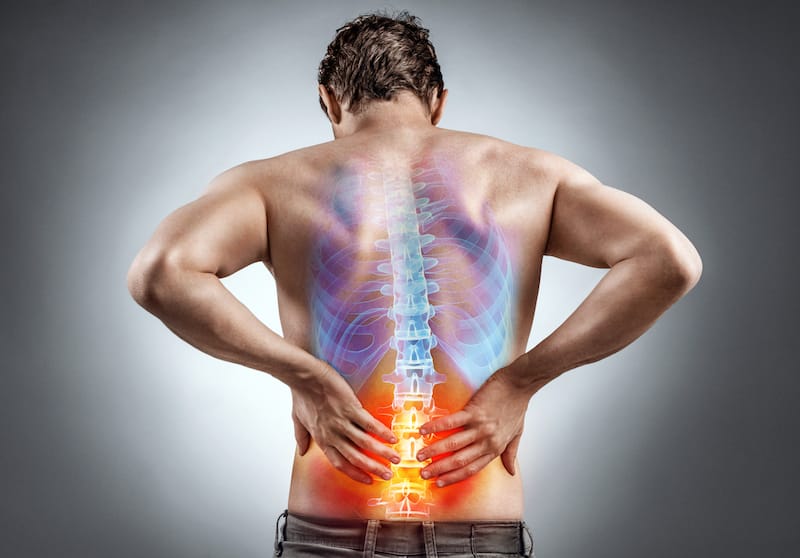
Personalized Back Pain Treatment to Help You Move Without Pain
Back pain impacts every part of your life from morning till night, not only getting up from bed, but also sitting at work and time with family. If you want a “back pain physical therapy in Hinsdale”, Pulse Physical Therapy offers individualized treatment that aims to reduce pain, regain movement, and get you back to doing what you love.
Whether you have occasional back pain, are recovering from a back injury, or suffer from chronic back pain, our skilled team gives thorough “back pain treatment in Hinsdale” that entails diagnosing and treating the underlying cause of your symptoms. With personalized rehab programs, we guide patients in minimizing pain, enhancing mobility, and steering clear of surgery when possible.
If you have been looking for a “lower back pain specialist in Hinsdale”, “physical therapy for lower back pain”, or “non-surgical back pain treatment in Hinsdale”, our team will help you heal.
Back pain rarely stems from one cause alone. While poor posture and repetitive movements are common causes of pain, muscle weakness, diseases of the spine, injuries and lifestyle habits can also lead to discomfort. To simply look at the location of the pain is not enough for the effective treatment of the pain.
Pulse Physical Therapy conducts a thorough evaluation to determine how your spine muscles joints, and movement patterns interact. Our approach to the whole body enables us to design a customized treatment plan that not only addresses the source of your symptoms but also minimizes the chances of future episodes.
There are a number of reasons why people come to our clinic including what comes next:
A back injury may cause back pain to develop instantly, or it may arise quite gradually. We help with treatment of many different problems of the spinal area and musculoskeletal system that cause pain in the lower part of the back.
Sciatica is a condition characterized by pain potentially traveling from the lower back to the hips, buttocks, and legs caused by irritation or compression of the sciatic nerve. Burning tingling, numbness, or weakness are some of the common symptoms.
Our “sciatica treatment in Hinsdale” aims at stopping the nerve irritation, increasing movement, and getting back normal movement patterns. A lot of people looking for “physical therapy for sciatica in Hinsdale” get a lot out of a focused rehabilitation program that not only treats the symptoms but also the root cause.
Chronic back pain can make it difficult for you to perform your job, engage in physical activities, sleep well, and carry out your daily tasks.
Instead of just treating the symptoms, we aim to “treat chronic back pain” by helping patients build their strength, improve their flexibility and posture, and learn better ways of moving their bodies, leading to longer-lasting pain relief.
A herniated disc is capable of exerting pressure on the adjacent nerves, which in turn causes back pain, leg pain, numbness, or weakness. Physical therapy usually contributes to alleviating symptoms, increasing mobility, and guiding patients to stay away from more invasive procedures when the condition permits.
The lumbar spine has a major role in bearing the body’s weight and is often faced with problems caused by injury, wear, or excessive use. Our physical therapy sessions are designed to increase the range of motion of the spine, build up the muscles that aid the spine, and bring back the normal movement of the body.
Spinal stenosis is a condition where the narrowing of the space around the spinal canal results in the compression of nerves. Symptoms can be pain, numbness, weakness, or unsteady walking. A customized physical therapy program can increase your mobility, flexibility, and function and at the same time reduce your pain.
Treatment of back pain involves more than the mere alleviation of symptoms. It’s about enhancing your physical function so that pain is less likely to be a recurring issue.
First and foremost, at Pulse Physical Therapy, your journey on recovery is kicked-off with a comprehensive assessment to check how you carry yourself, your flexibility, strength, the way you walk, the movement of your spine, and your general movement patterns. This enables us to pinpoint the factors that may be causing your symptoms.
Your treatment plan may be therapeutic exercises, manual therapy, posture education, core strengthening, movement retraining, flexibility training, and personalized home exercises.
Each rehab plan is designed to match your condition, lifestyle, and your aim for recovery.
Pulse Physical Therapy has physical therapists trained in the McKenzie Method (Mechanical Diagnosis and Therapy), a globally recognized method to assess and treat lower back pain. The McKenzie Method determines the origin of your pain by a set of specific movement tests and personalized exercises which have allowed many patients to obtain back pain lasting relief while at the same time learning strategies to better handle and prevent back pain in the future.
Many patients think that surgery is the only way to resolve back pain that keeps coming back. Though, surgery is suitable for only a few cases, and many common back problems can do well with conservative treatment.
“Non-surgical back pain treatment in Hinsdale” aims at restoring mobility, alleviating inflammation, fortifying the muscles that support the spine, and enabling patients to resume their usual activities without the introduction of unnecessary treatments.
People who suffer from sciatica, chronic low back pain, muscle strain, or some lumbar spine diseases typically go for physical therapy as their first mode of treatment.
Your first visit begins with a comprehensive discussion about your symptoms, lifestyle, medical history, and recovery goals.
Your therapist will then perform a detailed physical assessment that evaluates spinal mobility, posture, strength, flexibility, balance, walking mechanics, and functional movement. Rather than focusing only on the area where pain is felt, we assess how your entire body works together.
Following the evaluation, we’ll develop a personalized treatment plan designed to help reduce pain, improve function, and support long-term recovery.
Physical therapy is meant to help you have significant improvements in your everyday life, whether you want to go back to work comfortably, engage in activities pain free, play with your kids or just handle day to day life more easily without hurting.
Our rehab programs are designed to assist you with:
At Pulse Physical Therapy, we remain committed to helping clients make changes that last rather than simply addressing their symptoms temporarily.
Pulse Physical Therapy is committed to delivering “back pain physical therapy in Hinsdale” to patients not only from Hinsdale but also from Clarendon Hills, Oak Brook, Burr Ridge Westmont Willowbrook, Downers Grove and nearby areas.
We provide customized “back pain treatment in Hinsdale”. If you need one, our experienced team can assist you in recovering safely and efficiently.
Back pain should not dictate your life.
Pulse Physical Therapy can help you get back to moving with comfort and confidence through customized treatment if you are dealing with long term issues, come back from an injury or just need some effective therapies for lower back pain.
Get in touch to arrange your assessment and make a move to get relief that lasts.
Muscle strain, poor posture, herniated discs, sciatica spinal stenosis arthritis, repetitive movements, or other spinal conditions can all lead to lower back pain. Getting a physical therapy evaluation is one way to determine what’s causing the issue.
Yes. “Physical therapy for sciatica in Hinsdale” is a technique that helps relieve nerve irritation, enhance mobility, fortify the muscles that support the body, and change the way people move which can cause the symptoms.
Personalized rehab tailored towards strength, flexibility posture, and movement retraining is the most effective way for many chronic low back pain patients to reduce their pain and function better.
Many times, the answer is yes. “Non-surgical back pain treatment in Hinsdale” is a typical step taken before the surgery for cases like muscle strains, sciatica chronic back pain, and some lumbar spine disorders.
Pulse Physical Therapy offers tailored ‘back pain physical therapy in Hinsdale’ with individual patient care, evidence-based rehabilitation, and custom treatment plans that help patients get relief that lasts and better mobility.
The McKenzie Method (Mechanical Diagnosis and Therapy) is a focused system carried out by licensed physical therapists who are McKenzie-trained, to evaluate and treat back pain. It targets recognizing the ways in which movements cause pain and employing precise exercises and teaching the patients to relieve pain, reinstate function, and even prevent the occurrences of low back pain in the future. Our staff members are McKenzie-trained and, whenever it is suitable, they use this method to give the patients care that is personal, based on evidence, and reliably effective.